Chapter 2 Chronic
Chapter 5 Cancer
Chapter 18 & 19 Heme
Chapter 48 Vision
Chapter 49 Hearing
Chapter 51 Derm
Muscle Disorders
Muscle Trauma
100
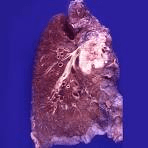
A client with newly diagnosed metastatic lung cancer is receiving disease-directed therapy. The client reports dyspnea, anxiety, and difficulty sleeping. Which action by the nurse best reflects appropriate palliative care?
A. Explain that palliative care begins only after antineoplastic treatment ends.
B. Request an interdisciplinary palliative-care consultation while cancer treatment continues.
C. Discuss hospice enrollment because the client now has a life-limiting diagnosis.
D. Delay symptom-focused interventions until the client's prognosis is less than 6 months.
Answer is B

Rationale: Palliative care may begin at diagnosis and can occur alongside disease-directed treatment. It focuses on preventing and relieving physical, psychological, social, and other sources of suffering. Hospice is a form of end-of-life palliative care generally associated with a prognosis of about 6 months or less; a metastatic diagnosis alone does not establish hospice eligibility or mean curative/disease-directed therapy must stop.
100
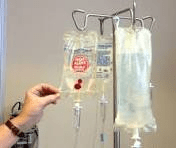
A client receiving a vesicant chemotherapy infusion reports burning at the peripheral IV site. Place the nurse's actions in the appropriate order. (Enter the letters in order.)
A. Notify the provider and follow the drug-specific extravasation protocol.
B. Stop the chemotherapy infusion immediately.
C. Elevate the affected extremity and apply the prescribed thermal treatment.
D. Assess the site and maintain access for aspiration or antidote administration as directed.
Answer B, D, A, C
Rationale: The nurse first stops the vesicant to prevent additional tissue exposure. The nurse then assesses the site and preserves access for aspiration or antidote when indicated rather than routinely flushing or immediately removing it. Next, the provider and institutional protocol are activated; elevation and the medication-specific warm or cold application follow. Thermal treatment varies by agent, so the protocol controls the choice.
100
A client receiving induction chemotherapy for acute myeloid leukemia has an absolute neutrophil count of 300/mm3 and an oral temperature of 100.4 degrees F (38 degrees C). Which action is the priority?
A. Administer acetaminophen and reassess in 1 hour.
B. Obtain ordered cultures and initiate prescribed antibiotics promptly.
C. Move the client to a semiprivate room for closer observation.
D. Encourage fresh fruit to improve nutritional intake.
Answer: B
Rationale: Fever in a profoundly neutropenic client is an emergency. Cultures should be obtained rapidly and antibiotics started promptly according to protocol. Antipyretics must not delay treatment. Protective measures include meticulous hand hygiene, limiting infectious exposure, and following the organization's neutropenic diet policy.
100
A client with glaucoma says, 'My vision seems fine now, so I stop the drops whenever my eyes feel normal.' Which response by the nurse is best?
A. Restart the drops only if halos or eye pain develop.
B. Glaucoma can progress without symptoms; the prescribed drops must be used lifelong to limit further vision loss.
C. The drops restore vision already lost from optic-nerve damage.
D. Use the drops for one month before each annual eye examination.
B
Rationale: Glaucoma is often called the silent thief of sight because damage can progress before symptoms are recognized. Therapy lowers intraocular pressure and helps prevent additional optic-nerve injury; it does not restore established loss. Adherence and ongoing ophthalmologic follow-up are essential.
100
A client with sensorineural hearing loss wears bilateral hearing aids but repeatedly answers questions incorrectly. Which nursing action is best?
A. Shout directly into the better-hearing ear.
B. Face the client in a quiet area, use a lower-pitched clear voice, and confirm understanding.
C. Speak rapidly so the hearing aids can amplify the entire sentence.
D. Direct all teaching to the family because hearing aids restore word discrimination poorly.
B
Rationale: Hearing aids amplify sound, including background noise, but may not improve word discrimination. Facing the client supports speech reading; a quiet environment, clear lower-pitched speech, and verification of understanding improve communication. Shouting distorts speech and is disrespectful.
Lecture source: Ch49 Hearing & Balance - Copy, slides 11, 14
100
A hospitalized immunocompromised client has disseminated herpes zoster with open lesions on the trunk and extremities. Which precautions should the nurse implement?
A. Standard precautions only
B. Droplet precautions until all lesions stop draining
C. Airborne and contact precautions
D. Protective isolation without transmission-based precautions
C
Rationale: Disseminated herpes zoster with open lesions requires airborne and contact precautions to prevent spread. The distribution and immune status distinguish this situation from a small, localized, coverable eruption.
Lecture source: Ch51 Dermatologic Problems, slides 13
100
A client with low-back pain reports new saddle numbness, bilateral leg weakness, and loss of bladder control. Which action should the nurse take?
A. Recommend bed rest and reassessment in 4 weeks.
B. Apply heat and encourage gentle stretching.
C. Arrange immediate evaluation for a rapidly progressing neurologic deficit.
D. Teach the client to avoid prolonged sitting and begin weight reduction.
C
Rationale: New bowel or bladder dysfunction, saddle sensory loss, and progressive weakness are red flags for severe neurologic compression and require immediate evaluation. Conservative management and delayed reassessment are appropriate only when serious causes and rapidly progressing deficits have been excluded.
Lecture source: Musculoskeletal Disorders - Copy, slides 33-35
100
Twenty-four hours after a closed femoral-shaft fracture, a client becomes restless and confused, has an oxygen saturation of 84%, temperature of 38.6 degrees C (101.5 degrees F), and a petechial rash over the anterior chest. Which action is the priority?
A. Reorient the client and administer the prescribed opioid.
B. Apply oxygen, activate rapid response, and prepare for respiratory support.
C. Massage the injured extremity to improve circulation.
D. Lower the head of the bed and encourage oral fluids.
B
Rationale: The timing and triad of respiratory distress, neurologic change, and petechiae suggest fat embolism syndrome. Hypoxemia is immediately life-threatening. The client needs rapid escalation and respiratory support; unnecessary manipulation of the fracture should be avoided.
Lecture source: Musculoskeletal Trauma, slides 23, 28
200
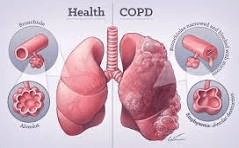
The nurse is planning care for a client living with advanced chronic obstructive pulmonary disease (COPD) and the client's spouse. Which interventions address the characteristic burdens of chronic illness? Select all that apply.
A. Assess the spouse's ability and willingness to assist with the treatment regimen.
B. Coordinate communication among the client's multiple specialists.
C. Limit teaching to the client because disease management is an individual responsibility.
D. Explore social isolation, uncertainty, and previous family coping experiences.
E. Teach strategies for preventing exacerbations and managing symptoms at home.
F. Avoid discussing future decline until the client enters the terminal phase.
ANSWERS A, B, D, E
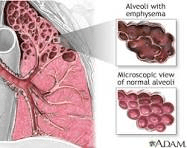
Rationale: Chronic illness affects the entire family, frequently involves multiple specialists, and requires ongoing symptom management, adherence, complication prevention, coping, and support. The individual and family carry much of the day-to-day management responsibility. Communication about goals and anticipated changes should be individualized and should not automatically be postponed until the terminal phase.
200
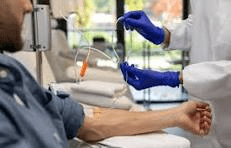
Five minutes after a chemotherapy infusion begins, the client develops flushing, wheezing, facial swelling, and a sense of impending doom. Which action should the nurse take first?
A. Slow the infusion and obtain a complete set of vital signs.
B. Stop the infusion and remain with the client.
C. Administer the prescribed antihistamine before interrupting therapy.
D. Elevate the affected extremity and apply ice.
Answer B
Rationale: The findings indicate an acute hypersensitivity/anaphylactic reaction. The causative infusion must be stopped immediately, and the nurse stays with the client while assessing airway and breathing, calling for assistance, maintaining IV access with normal saline through appropriate tubing, and administering emergency medications as prescribed. Ice and extremity elevation address extravasation, not systemic anaphylaxis.
200
A client has a platelet count of 8,000/mm3. Which interventions should the nurse include in the plan of care? Select all that apply.
A. Use an electric razor for shaving.
B. Avoid rectal temperatures and rectal medications.
C. Administer intramuscular medications using the smallest available needle.
D. Use a soft-bristled toothbrush.
E. Apply pressure to venipuncture sites for at least 5 minutes.
F. Encourage forceful coughing to mobilize secretions.
G. Institute fall-prevention measures.
A, B, D, E, G
Rationale: At 8,000/mm3, the client is at risk for spontaneous, potentially fatal bleeding. Prevent trauma: avoid IM injections and rectal procedures, use an electric razor and soft toothbrush, apply prolonged pressure after punctures, prevent falls, and discourage vigorous coughing or nose blowing.
200
Which statements by a client discharged after cataract surgery indicate correct understanding? Select all that apply.
A. I will wear the eye shield or glasses as instructed.
B. I will avoid lying on the operative side for the first 24 hours.
C. I may lift my 25-pound grandchild if I keep my back straight.
D. I will contact the surgeon for severe eye pain, nausea, or worsening vision.
E. I will avoid bending, straining, and strenuous activity until cleared.
F. I may drive at night as soon as the eye patch is removed.
A, B, D, E
Rationale: Postoperative teaching protects the eye from pressure and injury. The client should use the prescribed shield, avoid pressure on the operative side initially, avoid bending/straining and lifting more than 15 pounds, and report severe pain, nausea/vomiting, or worsening vision. Driving resumes only after clearance.
Lecture source: Ch48 Vision, slides 12-13
200
A client with Meniere disease is planning lifestyle changes. Which statements indicate correct understanding? Select all that apply.
A. I will limit sodium intake to less than 2 grams per day.
B. I will skip meals on days when ear pressure is worse.
C. I will avoid nicotine and limit alcohol and caffeine.
D. I will drink adequate water and eat at regular intervals.
E. I will add monosodium glutamate to foods instead of table salt.
F. I will use fall precautions when vertigo occurs.
A, C, D, F
Rationale: Meniere management aims to stabilize inner-ear fluid and reduce triggers. Recommended measures include sodium restriction, regular meals, adequate hydration, limiting caffeine, and avoiding nicotine, alcohol, and MSG. Severe episodic vertigo creates a substantial fall risk.
Lecture source: Ch49 Hearing & Balance - Copy, slides 23-26
200
The nurse teaches a family about treatment for scabies. Which instructions should be included? Select all that apply.
A. Apply the prescribed topical medication as directed after bathing and drying the skin.
B. Repeat treatment in 7 days if prescribed.
C. Wash linens, clothing, and bedding used by the affected person.
D. Expect itching to occur only during daytime hours.
E. Avoid shame-based language because infestation is not a moral failing.
F. Treat only open scratch marks rather than the recommended skin surfaces.
A, B, C, E
Rationale: Scabies is contagious and often causes intense nocturnal pruritus. Treatment requires correct application to the prescribed skin surfaces, repeat therapy as directed, and environmental cleaning of linens and bedding. Education should be respectful and free of shame.
Lecture source: Ch51 Dermatologic Problems, slides 16, 18
200
Which interventions should the nurse include when teaching an older adult with osteoporosis to reduce fracture risk? Select all that apply.
A. Participate in weight-bearing and balance exercises as tolerated.
B. Avoid all activity to prevent stress on fragile bones.
C. Ensure adequate calcium and vitamin D intake.
D. Stop smoking and limit excess alcohol and caffeine.
E. Avoid sudden bending, jarring movements, and strenuous lifting.
F. Modify the home environment to reduce falls.
A, C, D, E, F
Rationale: Weight-bearing and balance activities support bone and muscle strength and reduce falls. Calcium, vitamin D, smoking cessation, reduced excess alcohol/caffeine, safe body mechanics, and home fall prevention are appropriate. Complete inactivity accelerates deconditioning and bone loss.
Lecture source: Musculoskeletal Disorders - Copy, slides 20-24
200
A client with a newly applied lower-leg cast reports escalating pain despite opioids and severe pain with passive toe movement. The toes are pale and cool with increasing paresthesia. Which action should the nurse take first?
A. Reassure the client that pain peaks during the first 48 hours.
B. Notify the provider immediately and prepare for pressure-relieving intervention.
C. Insert a padded object under the cast to relieve itching and pressure.
D. Apply a heating pad over the cast and reassess in 30 minutes.
B
Rationale: Pain out of proportion, pain with passive stretch, pallor, coolness, and paresthesia indicate possible compartment syndrome. This threatens permanent nerve and muscle damage and may require urgent cast/bandage release and fasciotomy. The nurse must escalate immediately rather than delay reassessment.
Lecture source: Musculoskeletal Trauma, slides 26, 29-30
300
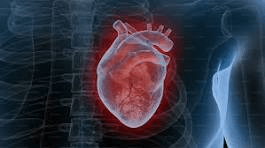
A client with chronic heart failure usually controls symptoms at home. Today the client has severe dyspnea at rest, confusion, cool skin, and an oxygen saturation of 82% despite prescribed oxygen. How should the nurse classify this point in the chronic illness trajectory?
A. Stable phase, because the client has a known chronic diagnosis
B. Unstable phase, because routine home management needs minor adjustment
C. Acute phase, because hospitalization may be required
D. Crisis phase, because the findings indicate a life-threatening emergency
Answer: D
Rationale: A crisis is a life-threatening emergency. Severe hypoxemia, altered mentation, and poor perfusion require immediate emergency intervention. An exacerbation or unstable phase reflects worsening symptoms requiring increased treatment; an acute phase commonly requires hospitalization, but the current findings go beyond routine worsening and indicate immediate threat to life.
300
A client is 8 days post-chemotherapy and calls the clinic reporting chills and an oral temperature of 100.4 degrees F (38 degrees C). Which instruction is most appropriate?
A. Take acetaminophen and recheck the temperature in 4 hours.
B. Increase oral fluids and schedule a clinic visit tomorrow.
C. Go to the emergency department now for cultures and prompt antibiotics.
D. Avoid public places and report if the temperature reaches 101 degrees F.
Answer C
Rationale: A temperature of 100.4 degrees F (38 degrees C) after chemotherapy may represent febrile neutropenia, an oncologic emergency. The client needs immediate evaluation, blood cultures, and timely broad-spectrum antimicrobial therapy. Antipyretics may mask fever and should not delay evaluation.
300
A septic client is oozing blood from IV sites and has petechiae. The toes are cool and cyanotic, capillary refill is 5 seconds, and urine output has fallen to 15 mL/hr. Which interpretation by the nurse is most accurate?
A. The client has isolated thrombocytopenia without organ involvement.
B. The client is demonstrating concurrent bleeding and microvascular thrombosis consistent with DIC.
C. The client has a delayed hemolytic transfusion reaction.
D. The findings are expected during uncomplicated sepsis and require only observation.
Answer : B
Rationale: DIC can cause simultaneous consumption-related bleeding and widespread microvascular clotting. Oozing and petechiae indicate bleeding; cool cyanotic digits, delayed refill, and oliguria indicate impaired perfusion from thrombi. Early recognition and treatment of the underlying condition are essential to protect organs.
300
A client with severe myopia reports a sudden shower of floaters, flashing lights, and a dark curtain moving across the visual field. Which action should the nurse take?
A. Schedule a routine refraction examination.
B. Apply a warm compress and reassess in 30 minutes.
C. Arrange immediate ophthalmologic evaluation for suspected retinal detachment.
D. Teach the client to use an Amsler grid several times each week.
C
Rationale: Sudden floaters, flashes, cobwebs, or a curtain over vision are classic warning signs of retinal detachment. This is time-sensitive because prompt repair may preserve vision. An Amsler grid is used primarily to monitor central visual distortion associated with macular degeneration.
Lecture source: Ch48 Vision, slides 20-22
300
A client receiving IV gentamicin reports new ringing in both ears and difficulty maintaining balance. Which action should the nurse take first?
A. Reassure the client that this is an expected temporary effect.
B. Hold the medication and promptly notify the provider of possible ototoxicity.
C. Irrigate both ears with warm saline to remove cerumen.
D. Administer prescribed meclizine and continue the infusion.
B
Rationale: Gentamicin is an aminoglycoside associated with cochlear and vestibular toxicity. New tinnitus and disequilibrium require prompt action to limit potentially irreversible injury. Symptom treatment must not substitute for evaluation of the causative medication.
Lecture source: Ch49 Hearing & Balance - Copy, slides 30-31
300
A client with exfoliative dermatitis has generalized dark-red skin, extensive scaling, a temperature of 35.7 degrees C (96.3 degrees F), blood pressure of 88/52 mm Hg, and decreasing urine output. Which intervention is the priority?
A. Apply a potent topical corticosteroid to all affected areas.
B. Support fluid volume and thermoregulation while notifying the provider.
C. Encourage a hot bath to remove loose scales.
D. Place the client in a cool room to decrease inflammation.
B
Rationale: Loss of the outer skin layer can cause capillary leakage, protein and fluid loss, vasodilation, and loss of body heat. Hypotension, oliguria, and hypothermia indicate compromised circulation and thermoregulation, which take priority. Hot water can worsen vasodilation and pruritus.
300
A client with osteoarthritis of the knees asks how to remain active without worsening symptoms. Which recommendation is best?
A. Exercise through severe pain to prevent joint stiffness.
B. Balance activity with rest, use joint-protection strategies, and pursue weight management if indicated.
C. Avoid weight-bearing movement permanently because cartilage cannot heal.
D. Use increasing doses of over-the-counter analgesics before changing activity.
B
Rationale: Osteoarthritis pain commonly worsens with activity and improves with rest, but appropriate activity preserves function. Teaching emphasizes healthy weight, exercise, joint protection, rest, heat or occasional cold, assistive devices when needed, and safe limits on analgesic use.
Lecture source: Musculoskeletal Disorders - Copy, slides 49-54
300
The emergency nurse receives a client with an unstable pelvic fracture after a motor-vehicle crash. The client is pale, heart rate 132/min, and blood pressure 82/48 mm Hg. Which complication should the nurse suspect first?
A. Paralytic ileus
B. Massive internal hemorrhage with hypovolemic shock
C. Avascular necrosis of the femoral head
D. Complex regional pain syndrome
B
Rationale: An unstable pelvic fracture can disrupt large vessels and cause life-threatening intra-abdominal or retroperitoneal hemorrhage. Tachycardia, hypotension, and pallor indicate shock. Ileus is a concern but does not explain this immediate hemodynamic collapse.
Lecture source: Musculoskeletal Trauma, slides 20-22
400

The daughter of a dying client says, 'Please do not tell my father he is dying. In our family, we protect elders from bad news.' Which response by the nurse is best?
A. I must tell him immediately because clients always receive complete prognostic information.
B. Tell me more about what protection means in your family and what your father has said he wants to know.
C. I will document your request so the entire team avoids discussing the prognosis.
D. The provider, not the family or nurse, decides how much information the client receives.
Answer: B
Rationale: The nurse should explore cultural meaning while assessing and honoring the competent client's preferences. This response gathers information without stereotyping or promising to withhold information. Interdisciplinary and family communication should then be aligned with the client's stated wishes.
400
Twelve hours after chemotherapy for a high-burden lymphoma, a client develops flank pain, oliguria, muscle weakness, confusion, and cardiac dysrhythmias. Select the most likely condition, two actions the nurse should anticipate, and two parameters the nurse should monitor closely.
A. Condition: tumor lysis syndrome
B. Condition: superior vena cava syndrome
C. Action: anticipate aggressive hydration and uric-acid-lowering therapy
D. Action: anticipate measures to correct dangerous electrolyte abnormalities
E. Action: place the client flat and restrict fluids
F. Monitor: renal function and urine output
G. Monitor: potassium, phosphate, calcium, and cardiac rhythm
H. Monitor: visual acuity and intraocular pressure
A; actions C and D; monitor F and G
Rationale: Rapid tumor-cell destruction releases intracellular contents, producing tumor lysis syndrome. Hyperkalemia and other electrolyte disturbances can cause dysrhythmias, while uric acid and calcium-phosphate deposition can injure the kidneys. Rapid hydration, uric-acid management, correction of electrolyte abnormalities, renal monitoring, and cardiac monitoring are priorities.
400
Ten minutes after packed red blood cells are started, a client develops chills, low-back pain, dyspnea, and hypotension. Which action should the nurse take first?
A. Slow the transfusion and reassess the client in 5 minutes.
B. Stop the transfusion and maintain IV access with normal saline using new tubing.
C. Administer prescribed furosemide and continue the transfusion.
D. Remove the IV catheter and send its tip for culture.
B
Rationale: The presentation is concerning for an acute hemolytic transfusion reaction. The priority is to stop exposure to the blood product while preserving venous access with normal saline through new tubing. The nurse then notifies the provider and blood bank, monitors the client, and follows the reaction protocol. The transfusion is never restarted.
400
A client receives verteporfin photodynamic therapy for wet age-related macular degeneration. Which discharge instruction is most important?
A. Avoid sunlight exposure to the eyes and skin for 5 days.
B. Expect rapid restoration of peripheral vision.
C. Use cold compresses every 2 hours for one week.
D. Stop using the Amsler grid because progression is no longer possible.
A
Rationale: Verteporfin causes temporary photosensitivity. The client must protect both skin and eyes from sunlight for approximately 5 days. Treatment may slow or limit damage but does not guarantee restoration of vision, and monitoring for sudden changes remains important.
Lecture source: Ch48 Vision, slides 17-19
400
Which finding most strongly supports benign paroxysmal positional vertigo rather than Meniere disease?
A. Episodic vertigo triggered by turning the head in bed
B. Progressive fluctuating sensorineural hearing loss
C. Roaring tinnitus and a feeling of ear fullness
D. Vertigo accompanied by pressure changes in inner-ear fluid
A
Rationale: BPPV is caused by displaced debris in the labyrinth and is characteristically triggered by changes in head position. Meniere disease more typically combines episodic vertigo with fluctuating hearing loss, tinnitus, and aural fullness.
Lecture source: Ch49 Hearing & Balance - Copy, slides 23-28
400
Which skin lesion identified during a community screening is most concerning for malignant melanoma?
A. A symmetric tan macule with a smooth border and uniform color
B. A pearly papule that has remained unchanged for 2 years
C. An asymmetric lesion with irregular borders, multiple colors, and recent enlargement
D. A bilateral plaque with silvery scales over both elbows
C
Rationale: The ABCDE warning signs include asymmetry, border irregularity, color variation, diameter/enlargement, and evolution. A changing multicolored irregular lesion warrants prompt dermatologic assessment and biopsy. Bilateral silvery plaques are characteristic of psoriasis.
400
A client has wrist pain, paresthesia, and weakness caused by compression of the median nerve. Which additional finding supports carpal tunnel syndrome?
A. Flexion contracture primarily affecting the fourth and fifth fingers
B. A round compressible cyst on the dorsal wrist
C. Reproduction of symptoms with Phalen testing or percussion over the median nerve
D. Burning pain between the toes that improves with rest
C
Rationale: Carpal tunnel syndrome is median-nerve entrapment at the wrist. Phalen and Tinel testing may reproduce symptoms; nerve-conduction and electromyographic studies support diagnosis. Fourth- and fifth-finger contracture suggests Dupuytren disease, a dorsal cyst suggests a ganglion, and interdigital foot pain suggests Morton neuroma.
Lecture source: Musculoskeletal Disorders - Copy, slides 37-39, 46
400
Which observations indicate that skeletal traction is being managed correctly? Select all that apply.
A. The prescribed weights hang freely without resting on the floor.
B. The client maintains body and limb alignment.
C. The nurse removes the weights during repositioning.
D. Pin sites are assessed and cleaned according to protocol.
E. Skin and neurovascular status are assessed regularly.
F. Knots and pulleys are positioned so the ropes move freely.
39: A, B, D, E, F
Rationale: Effective traction requires continuous prescribed force, correct alignment, freely hanging weights, unobstructed ropes/pulleys, skin and neurovascular assessment, and pin-site care for skeletal traction. Weights are not routinely removed because doing so interrupts traction and can worsen alignment or muscle spasm.
Lecture source: Musculoskeletal Trauma, slides 32-33
500
A client with end-stage renal disease says, 'I am tired of coming to the hospital, but my son insists that everything be done.' Which nursing action is the priority?
A. Ask the son to authorize a hospice referral.
B. Clarify the client's understanding, values, and goals for future care.
C. Explain that refusing hospitalization is equivalent to choosing hospice.
D. Reassure the client that the family should make decisions during serious illness.
Answer is B
Rationale: The client's wishes guide care when the client has decision-making capacity. The nurse should first assess understanding and goals, then facilitate interdisciplinary and family communication. Palliative support can be offered without requiring hospice enrollment, and the son cannot override a competent client's choices.
500
A client with a mediastinal tumor develops facial and upper-extremity edema, dyspnea, chest discomfort, and distended neck veins. Which nursing intervention is the priority?
A. Position the client upright and assess respiratory status.
B. Place the client supine and elevate both legs.
C. Encourage coughing and vigorous use of an incentive spirometer.
D. Restrict oxygen until a definitive diagnosis is established.
Answer: A
Rationale: These findings suggest superior vena cava syndrome from impaired venous return caused by tumor compression. Airway and breathing take priority. Upright positioning promotes ventilation while the nurse urgently assesses and escalates care. Supine positioning may worsen dyspnea.
500
Which finding in a client with multiple myeloma requires the most immediate follow-up?
A. Back pain that increases with movement and improves with rest
B. Fatigue associated with anemia
C. New confusion, constipation, muscle weakness, and decreased urine output
D. Concern about candidacy for stem-cell transplantation
C
Rationale: Multiple myeloma causes bone destruction and can produce severe hypercalcemia and renal failure. Acute confusion, constipation, weakness, and oliguria point to this life-threatening complication and require immediate evaluation. Bone pain and anemia are important but are less immediately threatening in this comparison.
500
The nurse enters the room of a hospitalized client who is legally blind. Which action is most appropriate?
A. Take the client's arm and begin guiding without asking to prevent a fall.
B. Speak to the family because visual impairment limits the client's ability to communicate.
C. Identify oneself, speak directly to the client, and ask what assistance is preferred.
D. Rely primarily on gestures and facial expressions to avoid startling the client.
C
Rationale: Visual impairment does not imply cognitive or communication impairment. The nurse should identify oneself, use clear verbal communication, speak directly to the client, and ask before helping. Assistance should not be assumed or imposed.
Lecture source: Ch48 Vision, slides 37-45
500
A client with cerumen impaction asks how to prevent recurrence. Which statement requires correction?
A. I will avoid inserting cotton swabs, pins, or other objects into my ears.
B. I will seek trained assistance if the impaction cannot be removed safely.
C. I can place a cotton-tipped applicator deeply into the canal after showering.
D. Objects placed in the canal can worsen impaction and injure the tympanic membrane.
C
Rationale: Objects should not be inserted into the ear canal. Cotton-tipped applicators can push wax deeper and damage the tympanic membrane. Safe removal may include appropriate softening/irrigation or trained instrumentation after assessment.
Lecture source: Ch49 Hearing & Balance - Copy, slides 20-21
500
A client with severe pruritus has excoriations from repeated scratching. Which nursing instruction best interrupts the itch-scratch cycle?
A. Take hot showers to increase circulation to the skin.
B. Use scented soap to remove potential allergens.
C. Use warm rather than hot water, pat dry, moisturize, and avoid scratching.
D. Scrub affected areas with a stiff brush to remove irritants.
C
Rationale: Scratching releases histamine, worsens itching, damages the skin barrier, and increases infection risk. Gentle cleansing, complete rinsing, patting dry, moisturizing, and avoiding heat and irritants protect the skin and reduce pruritus.
Lecture source: Ch51 Dermatologic Problems, slides 4, 7, 9-12
500
A client treated for a foot disorder calls after discharge. Which report requires the most immediate evaluation?
A. Heel pain that is worst with the first steps in the morning
B. A bunion that becomes tender in narrow shoes
C. New inability to move the toes with a cool, pale foot and increasing numbness
D. Burning forefoot pain that improves when shoes are removed
C
Rationale: Coolness, pallor, paralysis, and paresthesia are neurovascular warning signs and may indicate limb-threatening perfusion compromise. The other patterns are consistent with plantar fasciitis, hallux valgus, and Morton neuroma and are not as immediately urgent.
Lecture source: Musculoskeletal Disorders - Copy, slides 43-48
500
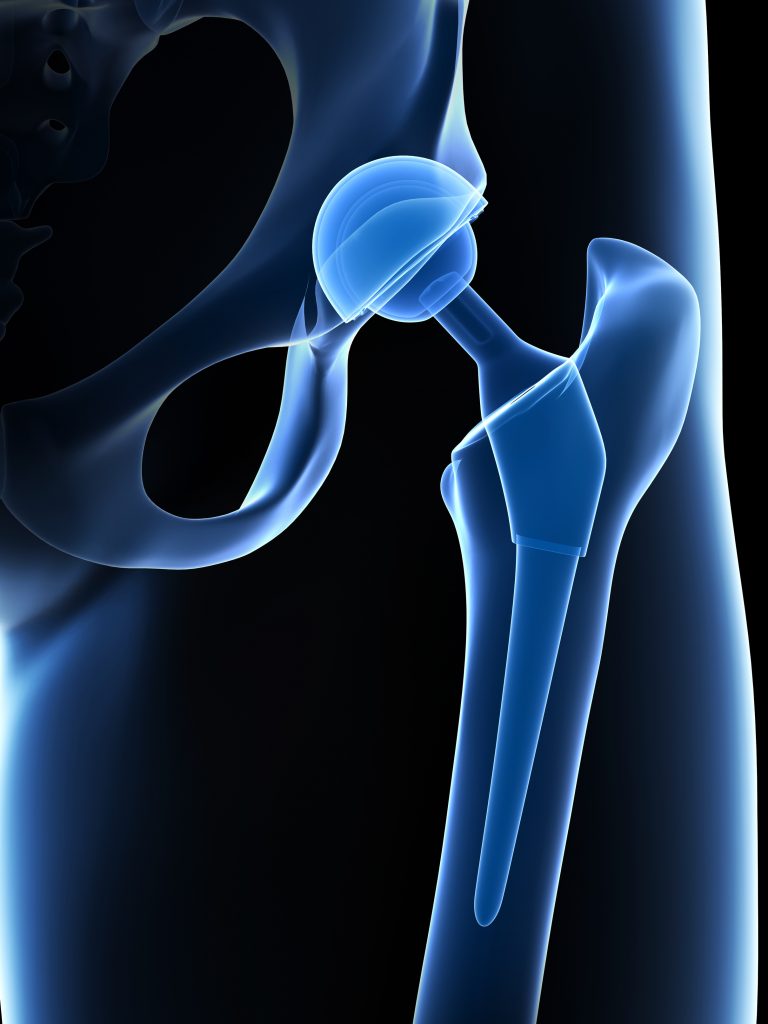
Which action by a client after hip arthroplasty requires immediate correction?
A. Using an abduction device while in bed
B. Beginning assisted ambulation within a day as prescribed
C. Bending forward past 90 degrees to tie a shoe
D. Following the surgeon's weight-bearing limitations
C
Rationale: Hip precautions include maintaining abduction, avoiding hip flexion greater than 90 degrees, and not crossing the legs. Bending forward to tie a shoe risks prosthetic dislocation. Early prescribed mobility and adherence to weight-bearing limits are appropriate.
Lecture source: Musculoskeletal Trauma, slides 35-37