Land use basics
Water resources
Agriculture & Food
Resource Management
Human Impacts
100
Land-cover type that is best matched with grazing livestock?
What is Pastureland-Grazing livestock
100
What is the primary worldwide use of freshwater?
Crop Irrigation
100
What is the main goal of sustainable food production?
To feed a growing population without harming ecosystems or public health.
100
One example of sustainable resource management from this set of choices:
I. recycle mineral-containing products
II. use only nonrenewable energy
III. dispose of toxics in rivers
IV. plant high-irrigation ornamentals in a park.
What is a community recycles products that contain mineral resources?
100
The trend predicted as a health consequence of suburban sprawl:
Lower or higher rates of obesity?
Which disease & cause?
Higher rates of obesity and heart disease (increased commute times and sedentary lifestyles).
200
Converting farmland into urban areas commonly causes what economic effect on food?
What is higher food prices.
200
How can building a dam as a freshwater source harm agricultural resources (think of floodplain soils)?
Dams can collect/topsoil during floods, reducing soil fertility downstream.
200
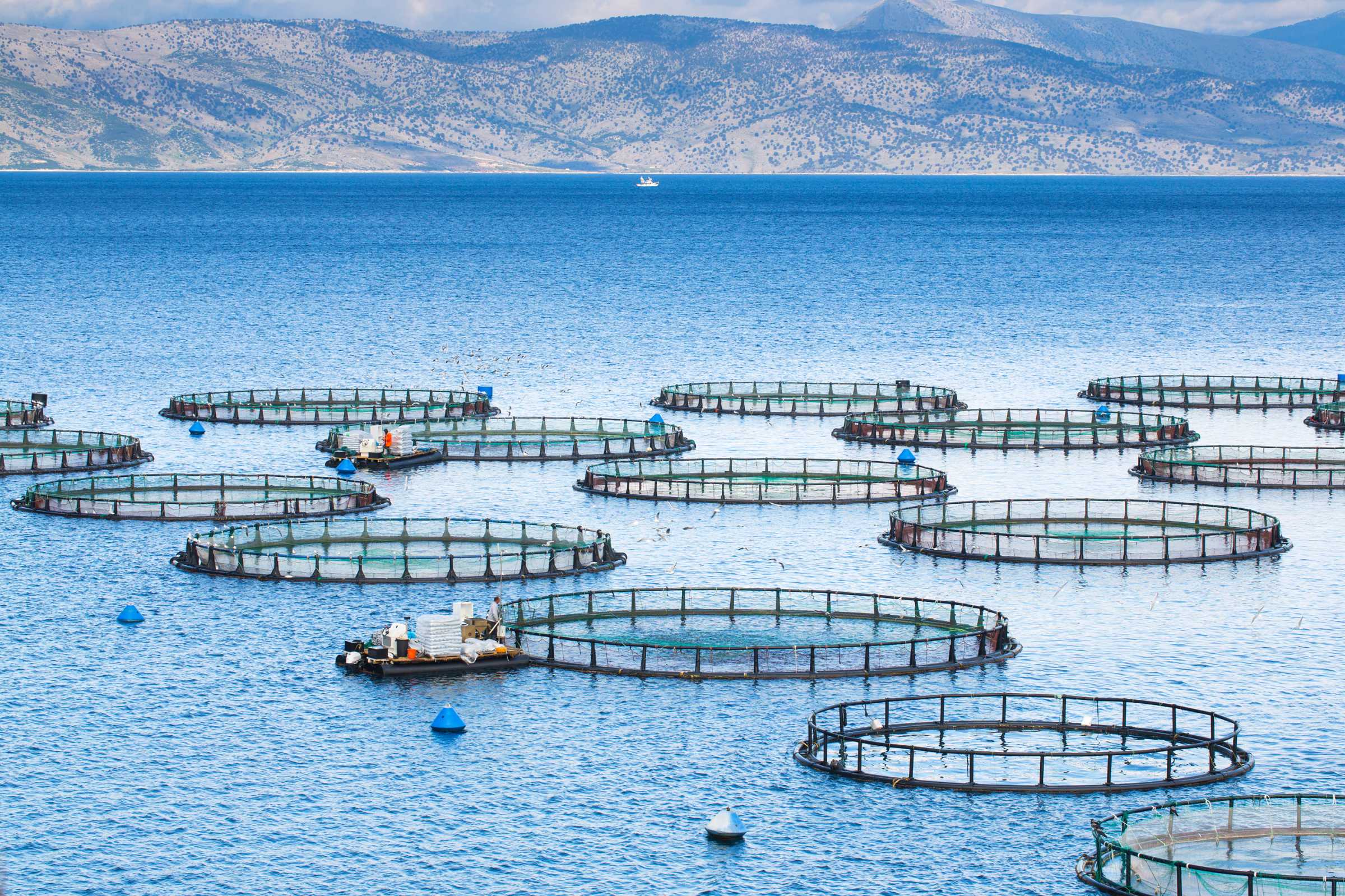
Which practice reduces fishing pressure on some wild stocks: aquaculture or increased commercial trawling?
Aquaculture reduces fishing pressure on some wild stocks. It is the controlled farming of aquatic organisms—including fish, shellfish, and plants—in freshwater, brackish, or marine environments, producing over 60% of global seafood.
200
Examples of mitigation projects: choose from;
I. greenway
II. fish ladder
III. wildlife corridor
What is;
I, II, and III: Greenway; Fish ladder; Wildlife corridor?
200
Urban development typically affect freshwater supplies in which way?
What is Depletion of freshwater supplies.
300
Which land-use change is least likely as human population grows:
I. converting urban land to cropland or
II. converting rural land to developed land? (Choose the least likely.)
Urban land converted to cropland (is least likely).
300
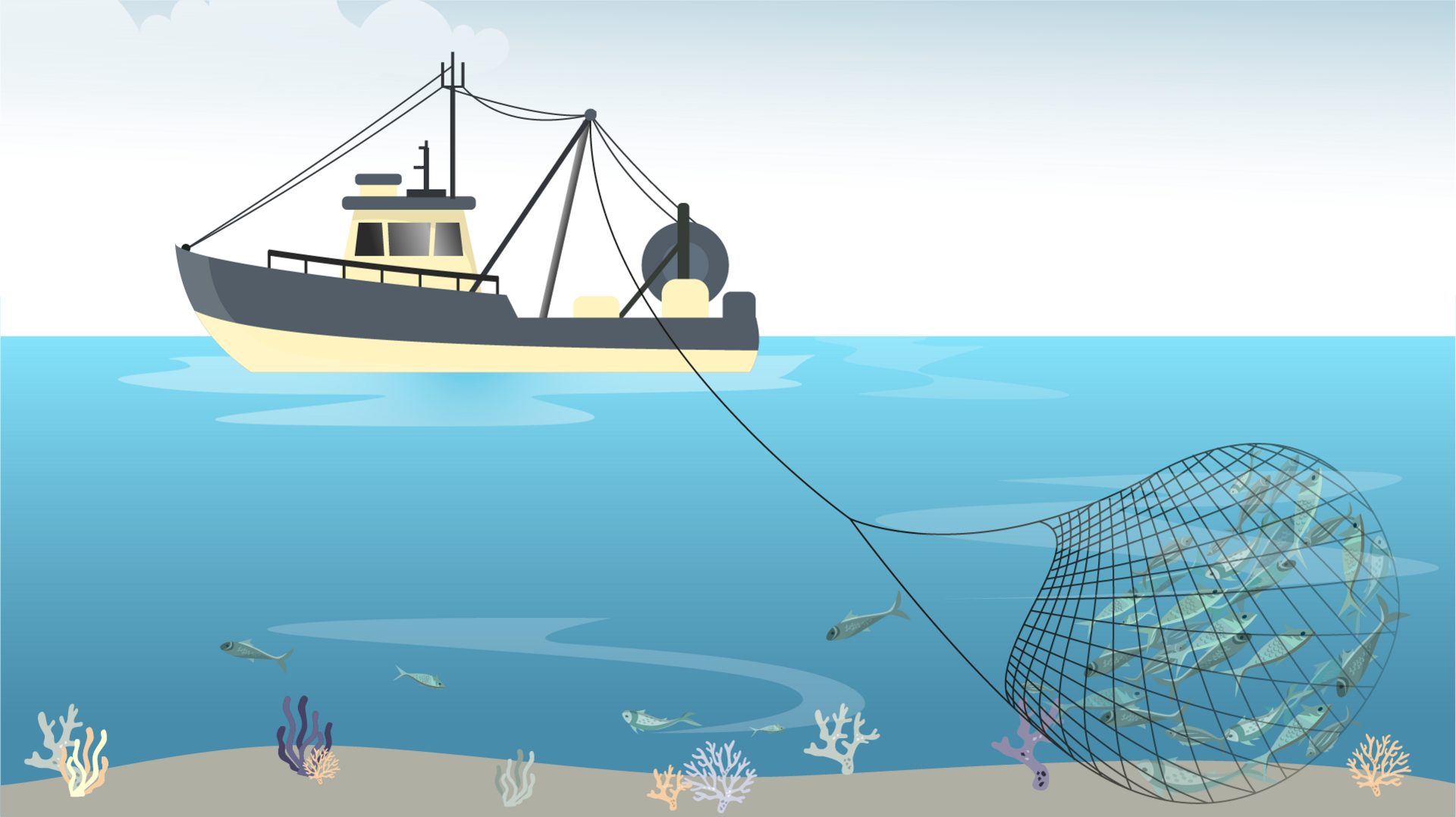
Which commercial fishing method tends to produce excessive bycatch?
Trawling: an industrial fishing method that drags large, cone-shaped nets through the water—either along the seabed (bottom trawling) or in mid-water—to catch massive quantities of fish and shellfish, often for species like shrimp, cod, and halibut. It uses heavy gear like metal doors and rollers to keep nets open and, in the case of bottom trawling, to stir up and herd benthic, or bottom-dwelling, creatures.
300
This is NOT an argument in favor of aquaculture:
I. job creation
II. revenue generation
III. reduction in seafood trade deficit
IV. competition with fishermen
What is Competition with fishermen (is NOT an argument in favor)?
300
Benefits of forest thinning compared with more intensive forestry methods?
(Select items about wildlife, habitat and understory health.)
What is :
I and III only: Wildlife habitats are maintained; Understory growth and remaining trees are healthier.
300
The cost of urban development on ecosystems (name one)?
What is the following:
I. Habitat destruction
II. pollution
III. loss of wetlands
IV. fragmentation.
Elaborate on the meanings
400
Identify one detrimental cost of mining bauxite for aluminum production in tropical regions.
What is Threatening rain forest organisms (habitat loss from bauxite mining).
400
Name one disadvantage of using hybrid vehicles as a resource-management strategy (cost vs. environmental benefit).
It can cost more than gasoline-powered vehicles.
400
USDA organic certification requirements relate to animal treatment and chemical exposures (Select the correct combination of):
I. antibiotics only for diseased animals;
II. animals have space to behave naturally;
III. no artificial hormones or pesticides.
What is: II and III only: All animals must have enough space to behave naturally; No animals can be exposed to artificial hormones or pesticides.
400
Importance of creating laws or traditions regulating hunting and fishing helps address overuse of wildlife resources.
What is:
Laws/traditions set limits and enforcement that reduce overharvesting and protect populations, allowing recovery.
400
Which action is NOT an example of environmental restoration from this list:
I. replanting native vegetation
II. removing contaminants from soil/water
III. removing weeds
IV. recycling plastic food containers
Recycling plastic food containers (is NOT restoration).
500
Give the sequence of steps in the mineral resource cycle immediately following removal of minerals from natural sources.
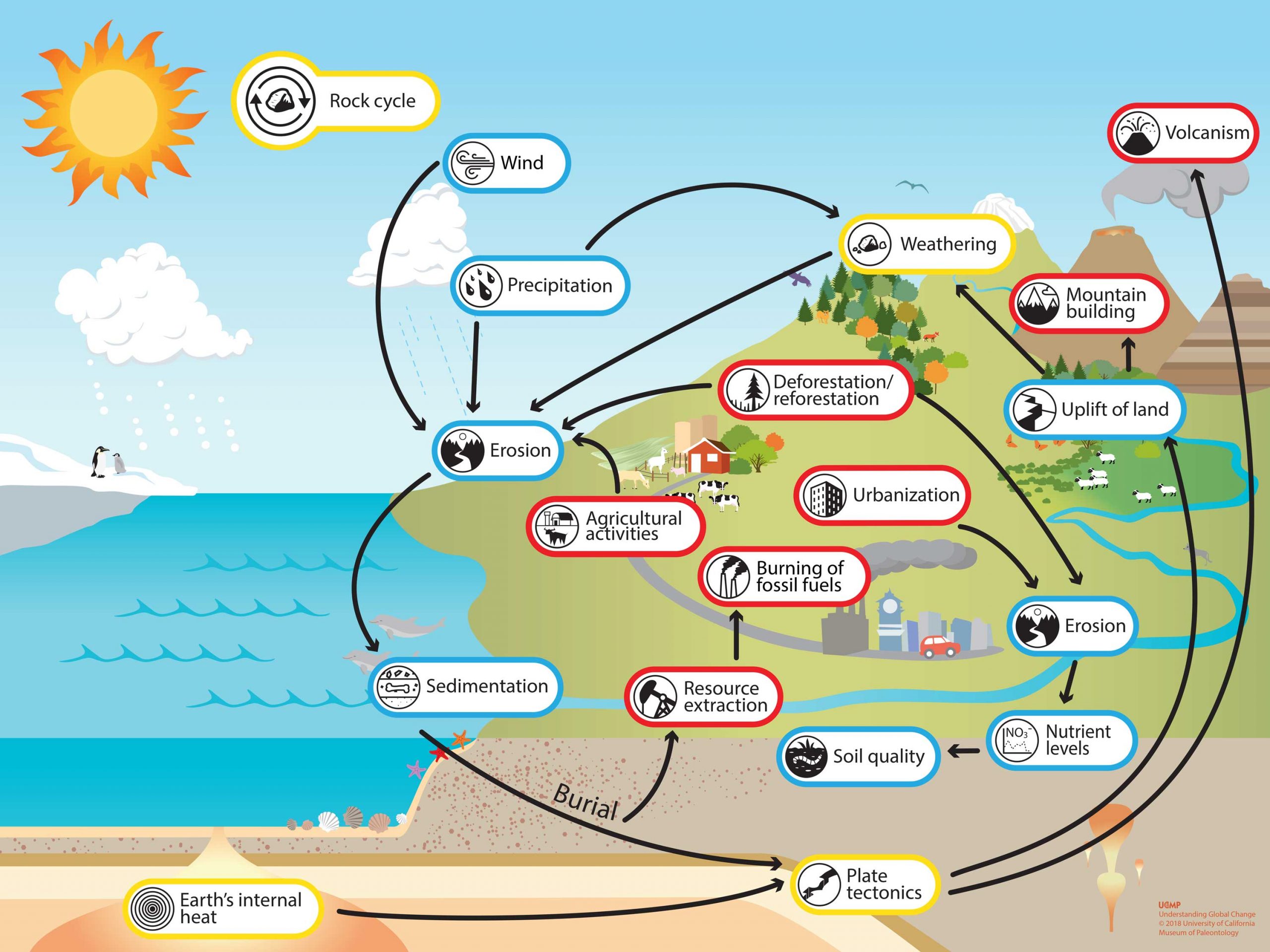 Refining. Most common answer & other
Steps:
- Mineral Processing (Beneficiation): Commencing with comminution (crushing and grinding) to reduce ore size, followed by separation and concentration to remove waste rock (gangue).
- Dewatering: Removing water from the concentrated mineral product.
- Refining/Smelting: Extracting high-purity metal from the concentrate.
- Transport: Moving the processed materials to manufacturing or end-use locations.
500
Which structure would best mitigate the environmental impact where a highway crosses a stream?
Culvert: a permanent, engineered structure—typically a pipe or concrete box—installed to convey water under roads, railways, or driveways, serving as a critical component for drainage and flood control
500
The process of desertification in sequence starting from overfarming.
What is;
Overfarming → Nutrient depletion → Lack of plant growth → Loss of topsoil.
500
Identify three criteria you would use to evaluate a design solution that reduces impacts of human activities on natural systems (consider cost-benefit, ecological effect, and social constraints).
Examples are:
I. cost-benefit analysis
II. environmental impact on ecosystems/biodiversity
III. social/cultural acceptability and safety/feasibility.
500
Define "rangelands" in terms of vegetation suitability for grazing and management intensity
What is:
Land that is covered mainly with plants suitable as food for grazing animals (rangelands).