D&R; Function Evaluating
Identity and Inverses
All about Inverses
To Be or Not to Be a Function
Quadratic Modeling
100
What is the range of the following graph?
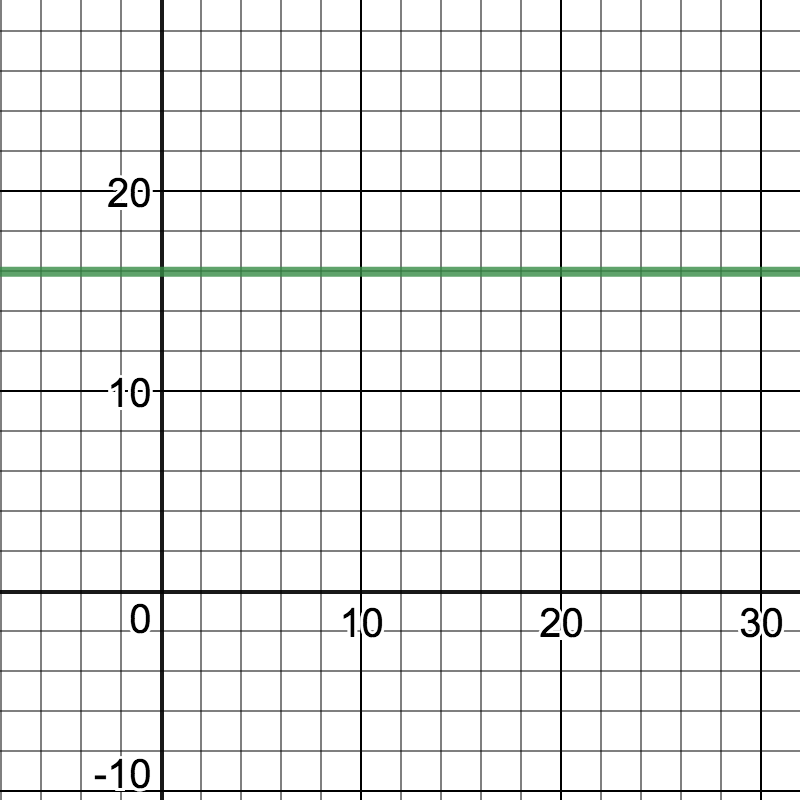
Range: y=16
100
What is the identity in addition?
0
100
What is
oct(oct^-1(-3))?
-3
100
Is the following graph a function?
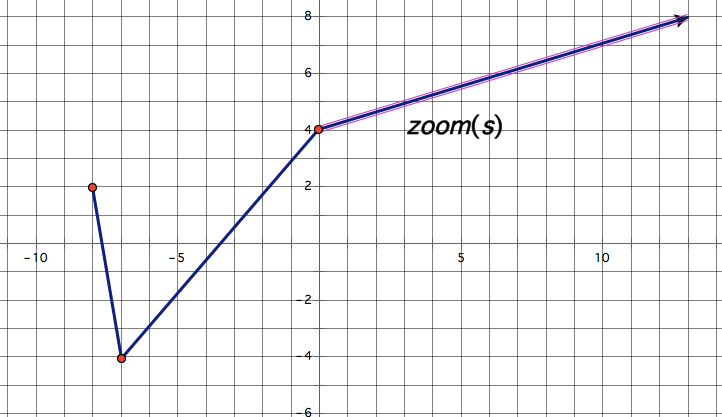
Yes, it is. Passes vertical line test- every input only has one unique output.
100
Given a parabola with vertex at (-3,5) and a point at (-6, -1), find the value of a in the equation
y= a(x-h)2+k
a= -2/3
200
What is the domain of the following function?
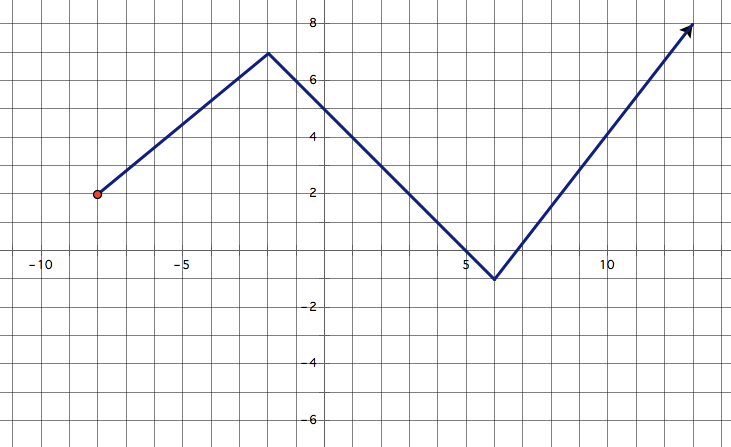
x>=-8
200
What is the additive inverse of
1/2?
-1/2
200
Are the two functions f(x)=4(x+5) -3 and
g(x)=(x-5)/4+3
inverses? Explain why or why not.
No they are not inverses. The inverse of f(x) is
f^-1(x)=(x+3)/4-5
200
Draw an example of a function whose inverse is NOT a function.
Answers will vary.
200
Given the following graph, find the vertex form of the equation for the parabola below:
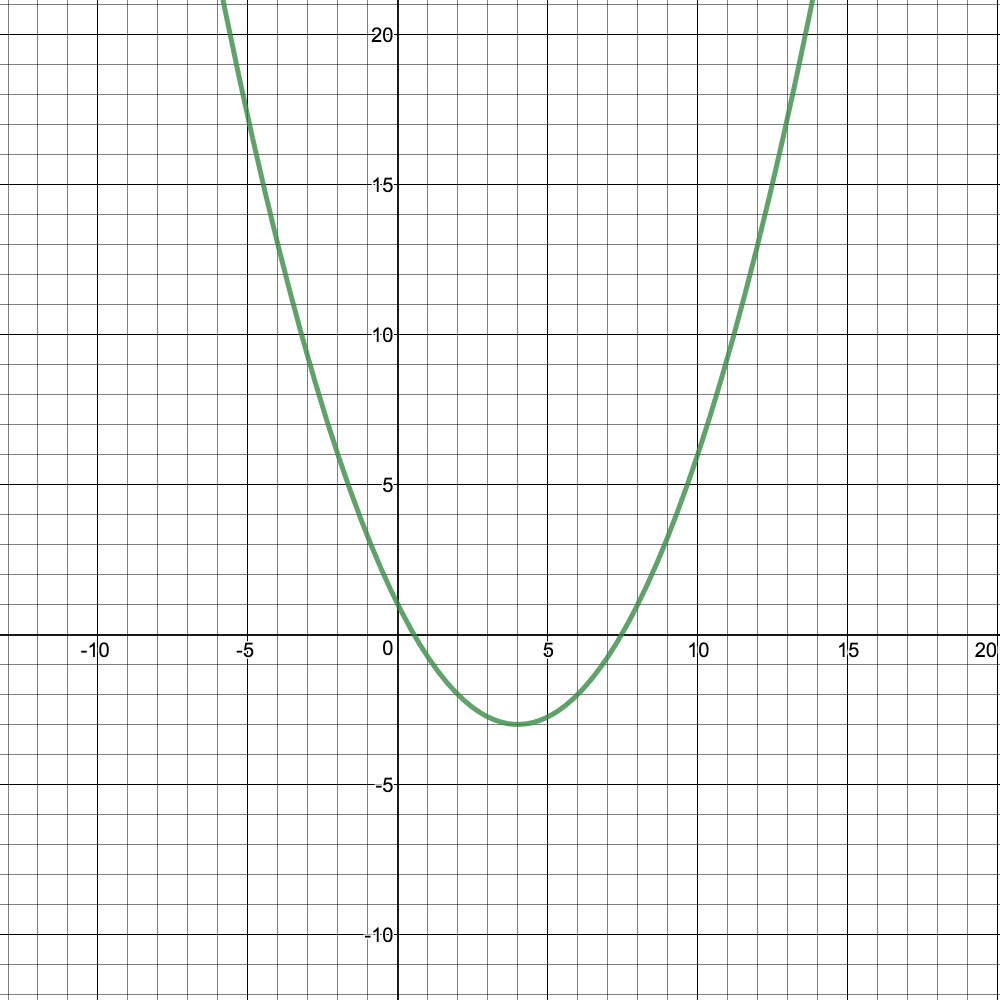
y=1/4(x-4)2-3
300
if
fun(s)=2(s-1)^2+5
evaluate fun(-4).
55
300
What is the multiplicative inverse of 4/5?
5/4
300
Find the inverse of the function
y=4x2+6
y^-1=+-sqrt((x-6)/4
300
The graph of a relation and its inverse are shown below. Are they both functions or are neither functions? Is one a function and one isn't? Justify your answer.
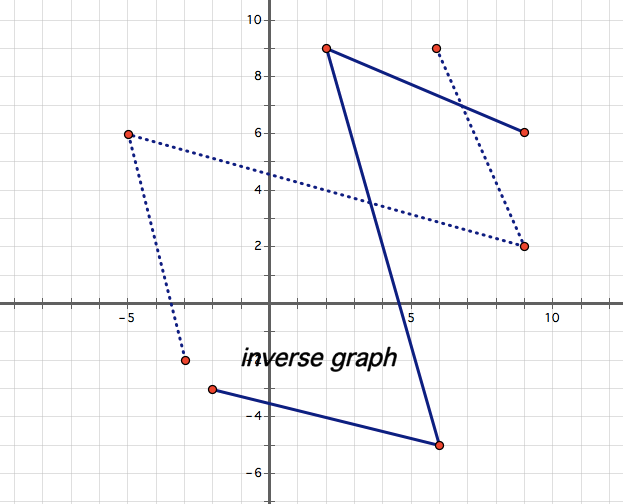
Neither of them are functions. They both don't pass the vertical line test.
300
A rocket is shot into the air from the ground. It reaches a maximum height of 80 feet in the air before coming down and landing 120 feet away. What is the equation of the parabola modeling this situation?
y=-2/90(x-60)^2+80
400
Given the graph below, what is zoom(zoom(-8)?
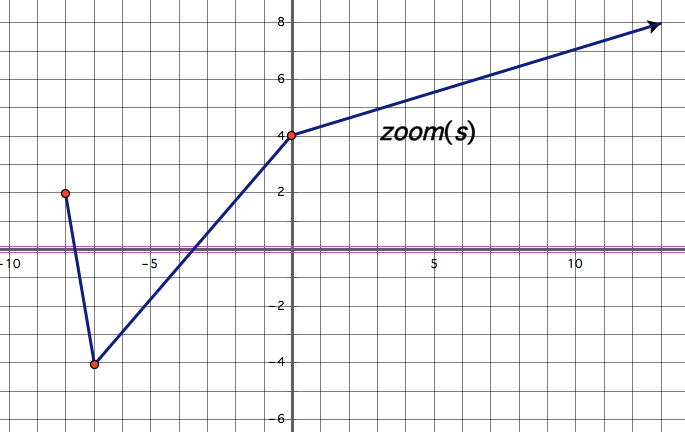
4.6
400
Find the inverse of the function
y=(7x+3)/4
y^-1=(4x-3)/7
400
Graph the inverse of the following graph:
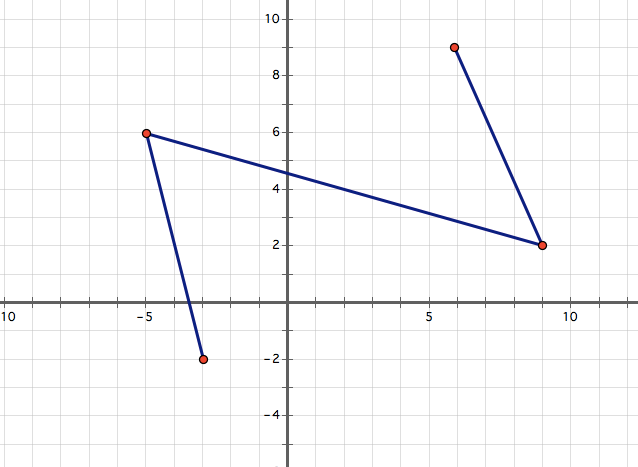
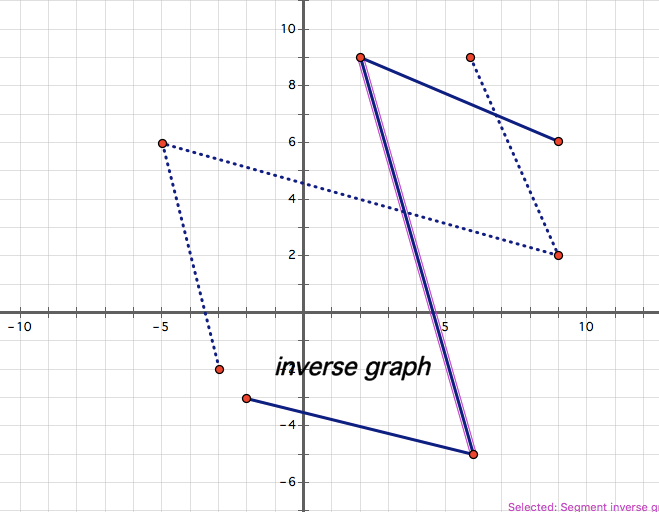
400
Given the following graphs of two relations, which one has an inverse that is a function? Why?
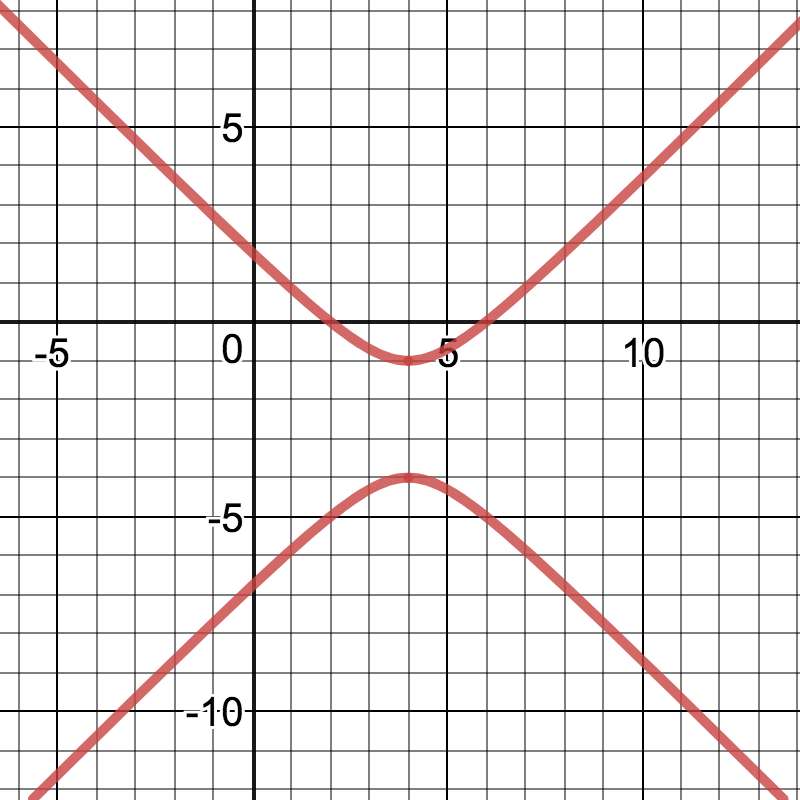
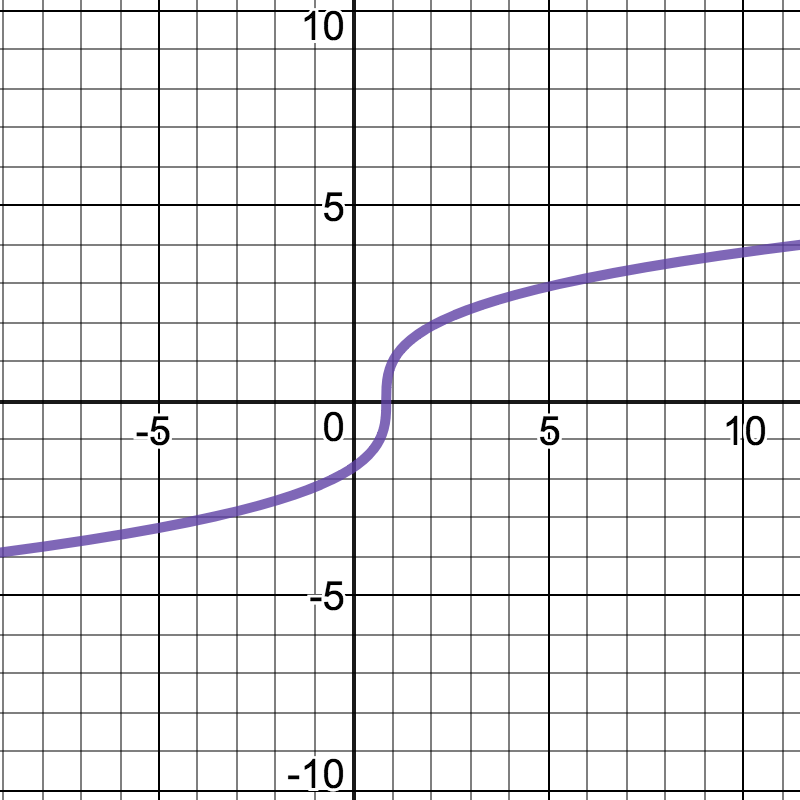
The second graph (purple) has an inverse that is a function.
400
Given the equation for a trajectory of a soccer ball is
y=-0.018(x-50)^2+45
an opposing team soccer player is standing 95 feet away. How high would he have to jump to intercept the ball?
x=95 and plug into the equation. You get y=8.55 feet. So he would have to jump 8.55 feet high to intercept the ball.