True frogs
Tree frogs
Who is she?
Salamanders
The frogs are gay
100
This key morphological feature separates a Bronze frog (Rana clamatans) from a Bullfrog (Rana catesbeianus)
Dorsolateral fold (on Green frog)
100
This feature differentiates true tree frogs from other frogs on your list
Toe pads
100
Pseudacris ornata
100
These two features can be used to seperate sirens from amphiumas
External gills and number of limbs
100
This large homophobic ranid lacks a dorso-lateral fold and has webbing that does not go all the way to the tip.
American Bullfrog (Lithobates catesbeianus)
200
The eardrum on the frog
Tympanum
200
This species of frog is identified by an "x" on its back (scientific name)
Spring peeper (pseudacris crucifer)
200
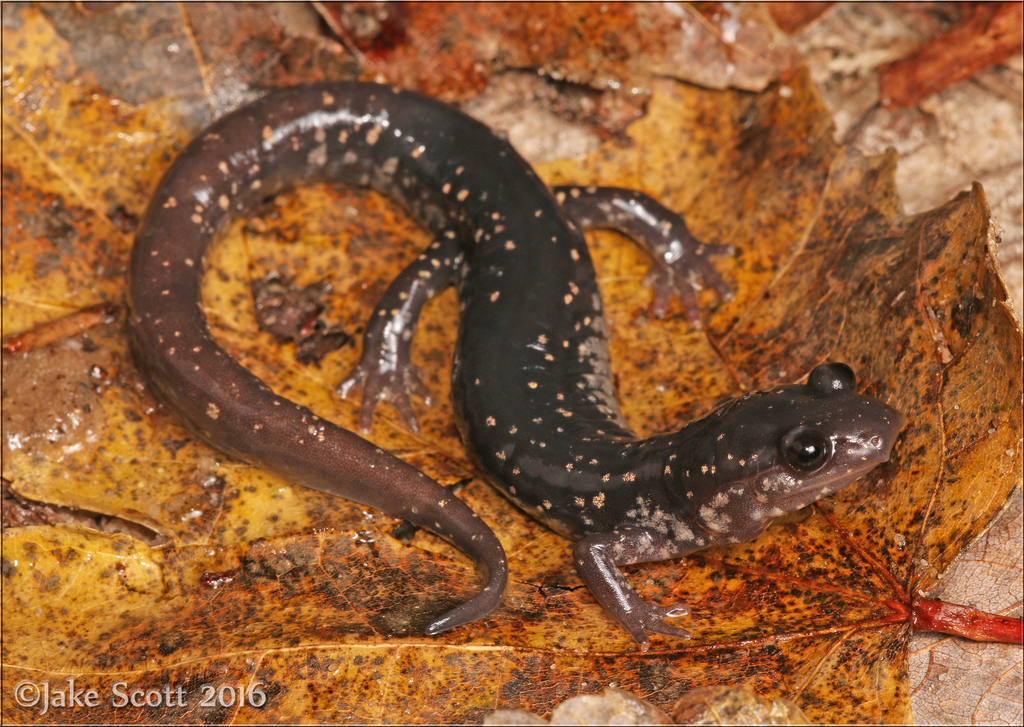
Plethodon grobmani (SE slimey salamander)
200
Family that lacks costal grooves
Salamandridae
200
these small bisexual frogs...often named "Caroline" have a tiny face and fold on top of their heads and are known to be quite loud
Gastrophryne carolinensis (Eastern narrow mouthed toad)
300
This ranid is characterized by a large mouth that is disproportionate to the rest of their body, occasional spots on the back, and a dorsolateral fold
Gopher frog
300
This tree frog can be identified by a small white patch located underneath the eye
Cope's grey treefrog (Hyla chrysoscelis)
300
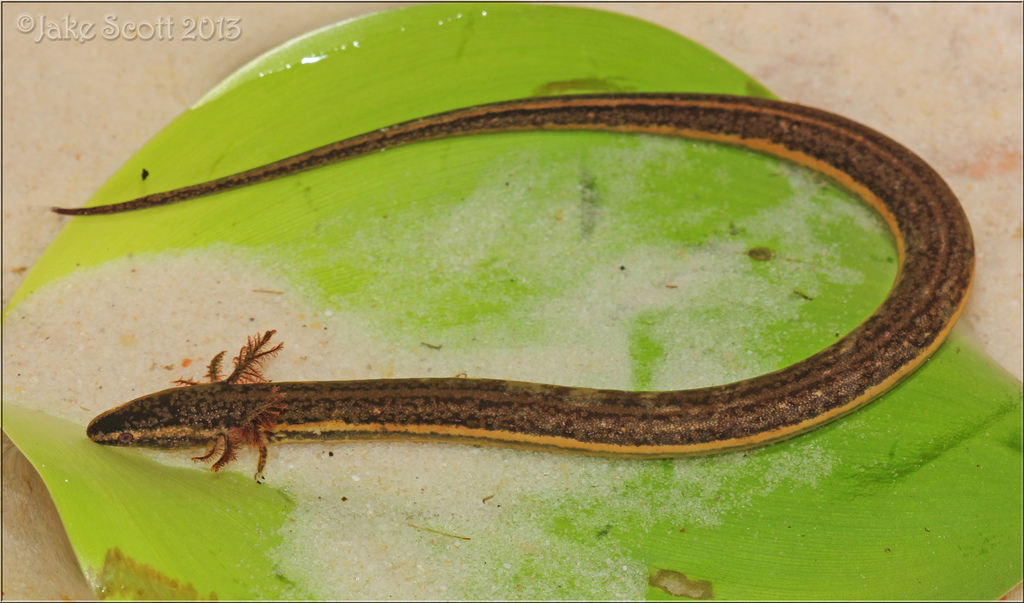
Pseudobranchus axanthus (Dwarf siren)
300
Who is this?
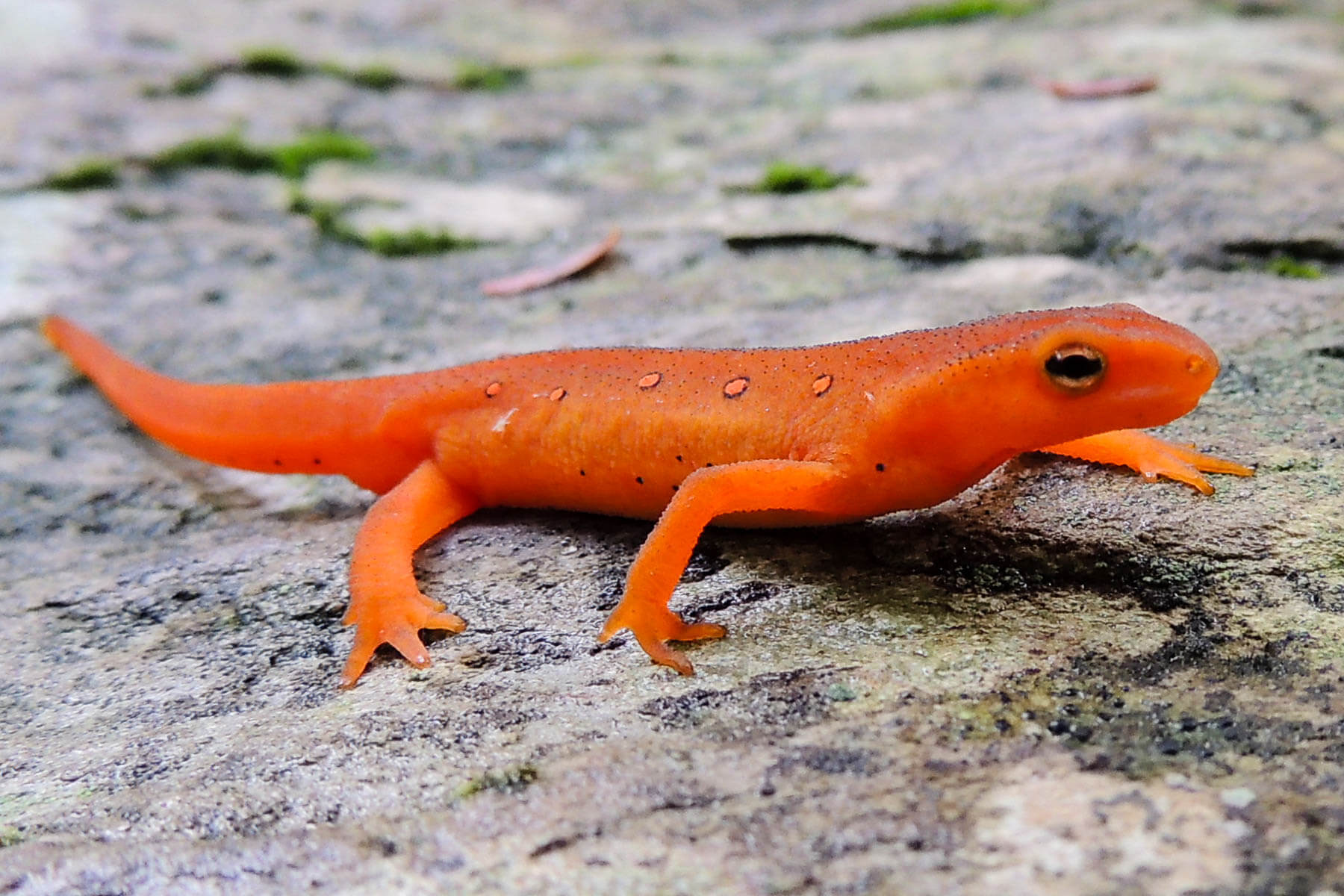
Eastern Newt (Notophthalmus viridescens)
Eft stage
300
These Ace baddies often blend into the crowd, often looking similar to their pansexual besties Hyla Cinerea. Tell me their name and how you tell them apart.
Hyla squirella
Faint line, dark tympanum, no yellow spots
400
Two truths and a lie (tell me the lie):
1-Gopher frogs can have spotting
2. Males have larger tympanums vs females
3. Rana heckscheri is one of the three with a dorso-lateral fold
400
This key feature can help you identify a Cuban treefrog regardless of the frog's color, shape, or size
Fused skin to skull
400
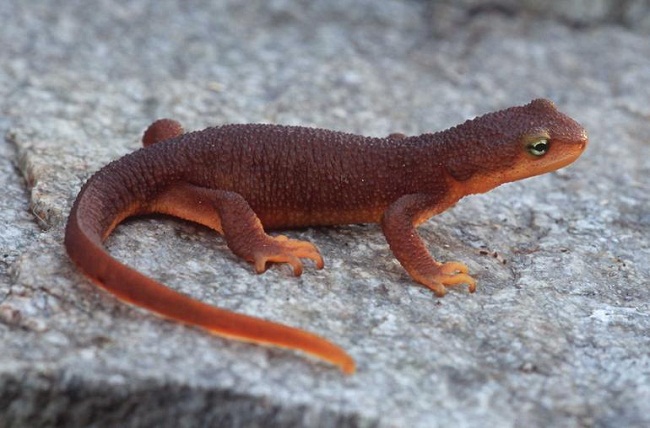
Taricha granulosa (rough-skinned newt)
400
Two features that can help you separate dwarf sirens from the other two sirens (not including size)
Two dorso lateral stripes
Number of toes! Dwarf has 3
400
These icons, have long bodies that lacks external gills and external limbs
Typhlonectes natans (Rio Cauca Caecilian)
500
Name all three ranids that have a dorsolateral fold (both their common name and scientific name)
Bronze Frog (Rana clamitans)Southern Leopard Frog (Rana spenocephala)
Gopher frog (Rana capito)
500
Name the six true tree frogs (Their common names and their scientific name)
Barking (Hyla gratiosa)
Cuban (Osteopilus septentrionalis)
Copes Grey (Hyla chrysoscelis)
Green (Hyla cinerea)
Squirrel (Hyla squirrella)
Pinewoods (Hyla femoralis)
500
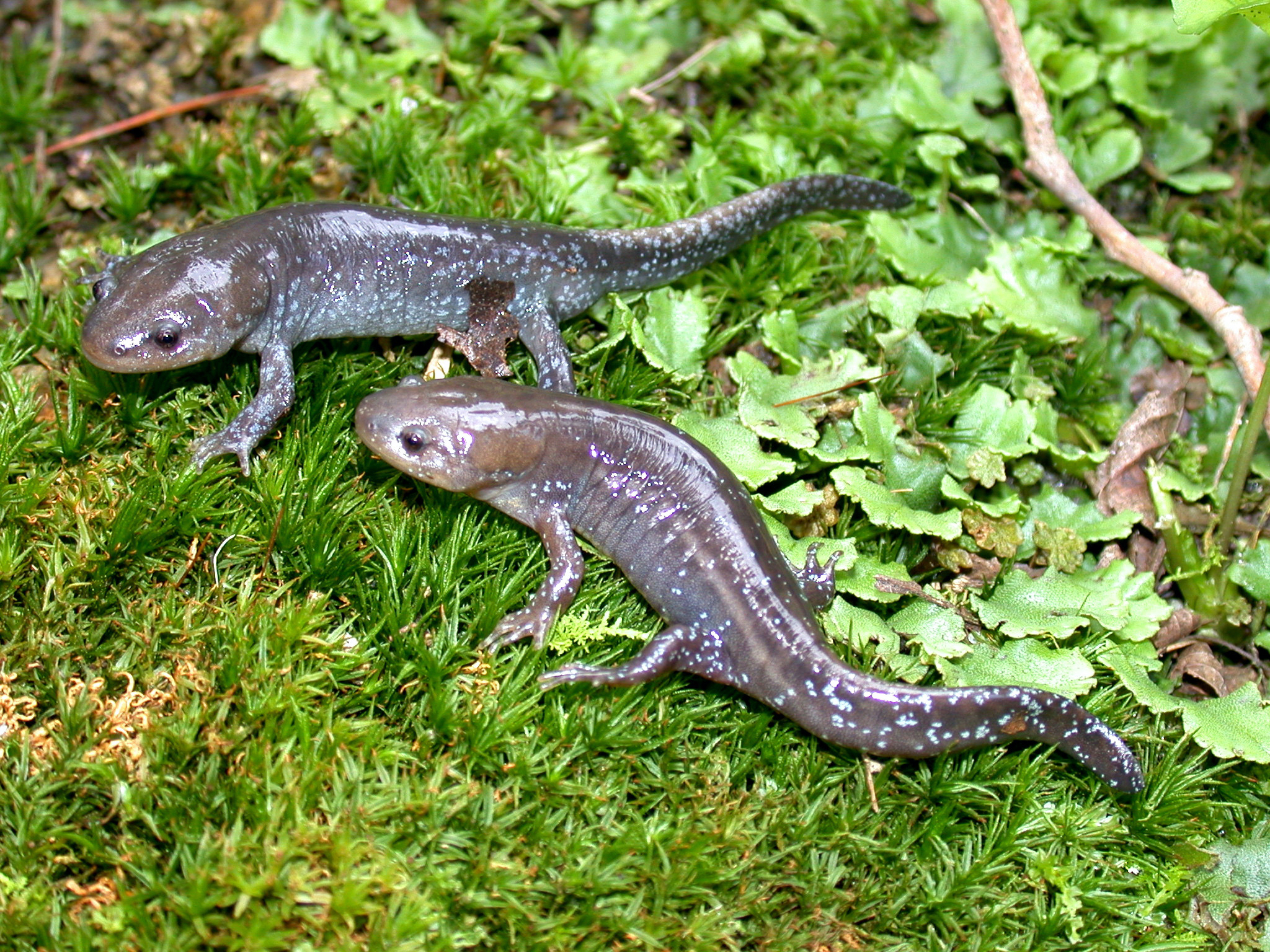
Ambystoma talpoideum (Mole salamander)
500
Name all four of your mole salamanders, the family name, and their common/scientific names
Ambystomatidae
-Mole salamander (Ambystoma talpoideum)
-Eastern tiger (Ambystoma tigrinum)
-Frosted flatwoods (Ambystoma cingulatum)
-Marbled salamander (Ambystoma opacum)
500
These frogs love being on top of high places to call out to the other frogs in the club (pond). With dapper spots on their back and large toe pads, they're considered the friendliest of all the hylids
Hyla gratiosus (Barking Tree Frogs)