Small Cells
Bloodbank
Cells Breaking Bad
Too Many Red Cells
Sickle & Sequestration
Final Jeopardy
100
This is the most common cause of microcytic anemia worldwide.
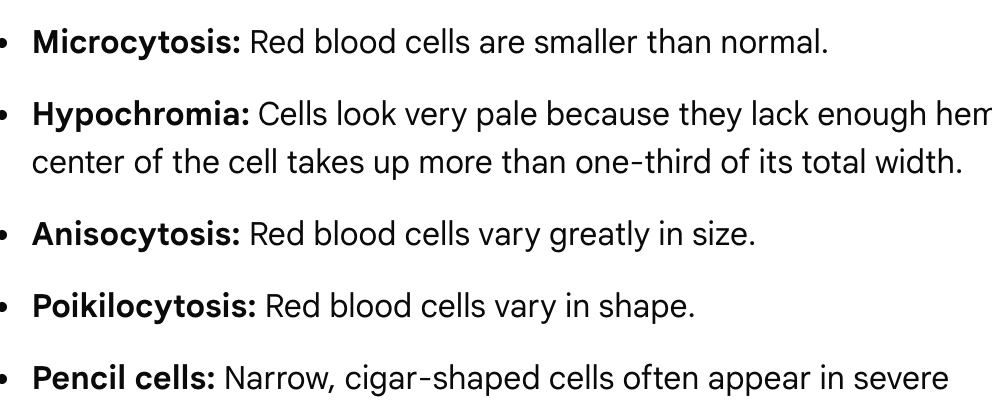
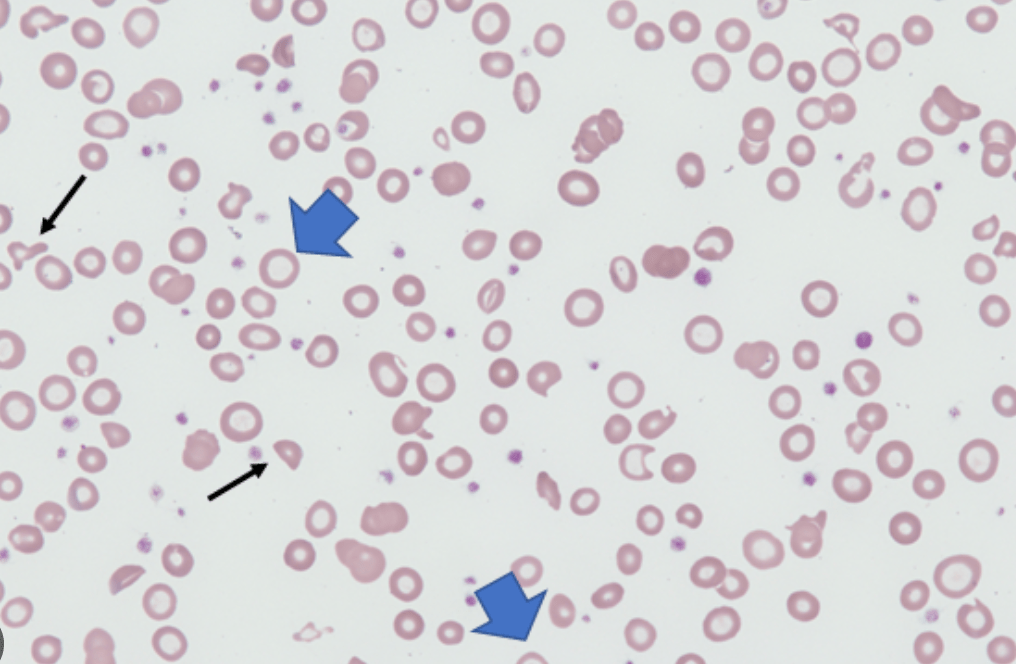 What is iron deficiency?
100
Per 2023 AABB guidelines, this is the restrictive hemoglobin transfusion threshold for a hemodynamically stable, non-bleeding adult.
What is 7 g/dL?
100
This bone marrow production marker is elevated in hemolytic anemia, distinguishing it from hypoproliferative states.
What is the reticulocyte count?
100
Mutation testing for this gene variant is positive in greater than 95% of patients with Polycythemia Vera.
What is JAK2 (V617F or exon 12)?
100
In patients with sickle cell disease, acute anemia is clinically defined as a drop in hemoglobin of at least this amount below baseline.
What is ≥2 g/dL?
100
A 58-year-old smoker with severe obstructive sleep apnea presents to the ED with a headache and blurry vision. Labs show a hemoglobin of 19.2 g/dL and a hematocrit of 57%. Name BOTH the key initial diagnostic test to differentiate the underlying etiology AND the immediate ED therapeutic intervention.
What are a serum erythropoietin (EPO) level (± JAK2 mutation testing) AND therapeutic phlebotomy (with hydration)?
200
Absent active inflammation, this lab value is the single most accurate test for total body iron stores.
What is ferritin?
200
This hemoglobin transfusion threshold applies to stable patients undergoing orthopedic surgery or those with preexisting cardiovascular disease.
What is 8 g/dL?
200
Name the classic triad of laboratory findings (excluding reticulocytosis) that supports a diagnosis of intravascular or extravascular hemolysis.
What are elevated LDH, low/absent haptoglobin, and elevated indirect bilirubin?
200
Serum erythropoietin (EPO) levels in Polycythemia Vera are typically expected to be at this level.
What is low or subnormal?
200
This complication represents the most common cause of acute anemia in infants and young children with sickle cell disease.
What is acute splenic sequestration?
200
While the AABB guidelines recommend a restrictive transfusion threshold of 7 g/dL for hemodynamically stable, non-bleeding adult inpatients, name TWO clinical scenarios where this fixed numeric cutoff does NOT apply and transfusion decisions must be guided by physiology or specific comorbid conditions.
What are active hemorrhage / hemodynamic instability, acute coronary ischemia / acute myocardial infarction, or orthopedic/cardiovascular surgery / chronic heart disease (where the threshold shifts to 8 g/dL)?
300
In an older adult with newly diagnosed iron-deficiency anemia of unknown origin, this diagnostic workup is mandatory.
What is bidirectional GI endoscopy (EGD and colonoscopy)?
300
True or False: Clinical trial evidence shows that restrictive transfusion strategies increase 30-day mortality compared to liberal strategies.
What is False?
300
The presence of spherocytes on a peripheral blood smear along with a positive Direct Antiglobulin Test (Coombs) indicates this diagnosis.
What is Autoimmune Hemolytic Anemia (AIHA)?
300
Based on CYTO-PV data, management of Polycythemia Vera aims to maintain the hematocrit strictly below this threshold. What is 45%?
What is 45%?
300
Left-upper-quadrant abdominal pain, an abruptly enlarging spleen, thrombocytopenia, and a brisk reticulocytosis in a child with HbSS point to this emergency.
What is splenic sequestration?
300
A 28-year-old female presents with severe fatigue, jaundice, and dark urine. Labs show a hemoglobin of 6.5 g/dL and an elevated reticulocyte count. Name the primary laboratory test used to differentiate an immune-mediated hemolytic anemia from non-immune causes, AND the key peripheral smear finding characteristic of microangiopathic hemolytic anemia (TMA/TTP).
What are the Direct Antiglobulin Test (DAT or Coombs test) AND schistocytes?
400
Microcytosis paired with a normal or high ferritin level, a high total red blood cell count, and target cells on smear suggests this trait.
What is thalassemia trait?
400
Fixed numeric transfusion thresholds do not apply in this clinical scenario, where resuscitation is guided by patient physiology.
What is active hemorrhage / hemodynamic instability / acute coronary ischemia?
400
Schistocytes on a peripheral blood smear combined with severe thrombocytopenia, neurologic defects, and renal impairment should make you immediately suspect this life-threat.
What is Thrombotic Thrombocytopenic Purpura (TTP)?
400
Name two medication classes known to cause secondary absolute erythrocytosis.
What are exogenous androgens/testosterone, SGLT2 inhibitors, or exogenous EPO?
400
For organ-threatening events like acute stroke or acute chest syndrome in sickle cell patients, exchange transfusion is performed to reduce the HbS percentage below this target.
What is 30%?
400
Two pediatric patients with HbSS present to the ED with acute drops in hemoglobin ≥2 g/dL below baseline. Patient A has a markedly elevated reticulocyte count and splenomegaly, while Patient B has a reticulocyte count near zero. Name BOTH specific clinical diagnoses.
What are acute splenic sequestration (Patient A) AND aplastic crisis (Patient B)?
500
Basophilic stippling accompanied by microcytic anemia in a child living in an older home should prompt evaluation for this toxicity.
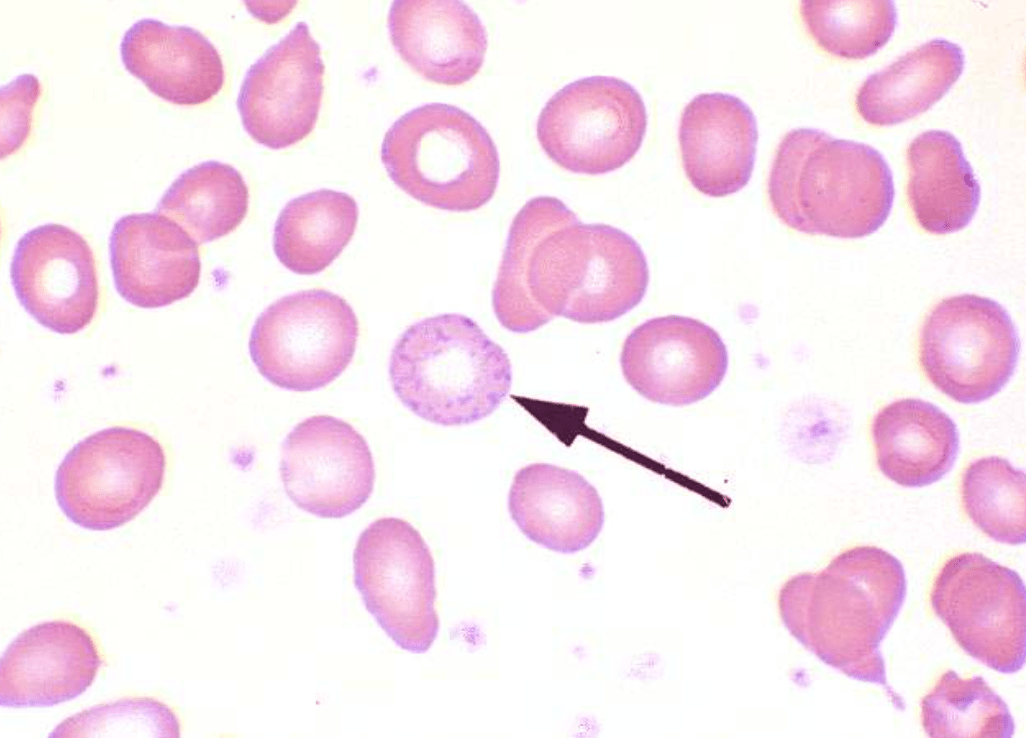 What is lead poisoning?
500
In patients with sickle cell disease, simple transfusion should not exceed baseline hemoglobin or this maximum level to prevent hyperviscosity.
What is 10 g/dL?
500
In a patient with sickle cell disease, an acute drop in hemoglobin accompanied by an inappropriately LOW reticulocyte count is classically triggered by this virus.
What is Parvovirus B19 (causing an aplastic crisis)?
500
Erythrocytosis accompanied by splanchnic vein thrombosis (e.g., Budd-Chiari or portal vein thrombosis) is a classic clue for this occult condition.
What is Polycythemia Vera?
500
Over-transfusing patients during recovery from splenic sequestration risks this life-threatening phenomenon as remobilized red cells re-enter the circulation.
What is post-transfusion hyperviscosity ("autotransfusion")?
500
A 32-year-old female presents to the ED with severe fatigue, dark red urine, and scleral icterus. She was recently treated with nitrofurantoin for an uncomplicated UTI. Initial labs show a hemoglobin of 6.8 g/dL, an elevated reticulocyte count, high indirect bilirubin, and low haptoglobin. Her peripheral smear reveals bite cells and blister cells with Heinz bodies on special staining. Name BOTH the underlying enzyme deficiency causing her hemolytic crisis AND the primary cellular mechanism behind her presentation.
What is Glucose-6-Phosphate Dehydrogenase (G6PD) deficiency AND acute intravascular/extravascular oxidative hemolysis (triggered by oxidative stress/nitrofurantoin)?