Atomic Structure and Properties
Compound Structure and Properties
Properties of Structures and Mixtures
Chemical Reactions
Kinetics
100
This converting factor is used to convert values between grams and moles...
What is "Molar Mass"?
100
All metals atoms on the surface of an alloy do this thing in order to create a "Sea of Electrons"...
What is "lose or release their valence electrons"?
100
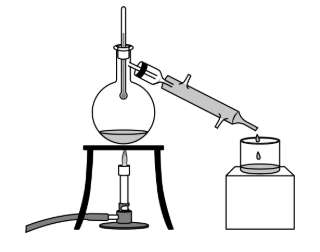
The image above depicts this specific separation technique...
What is "distillation"?
100
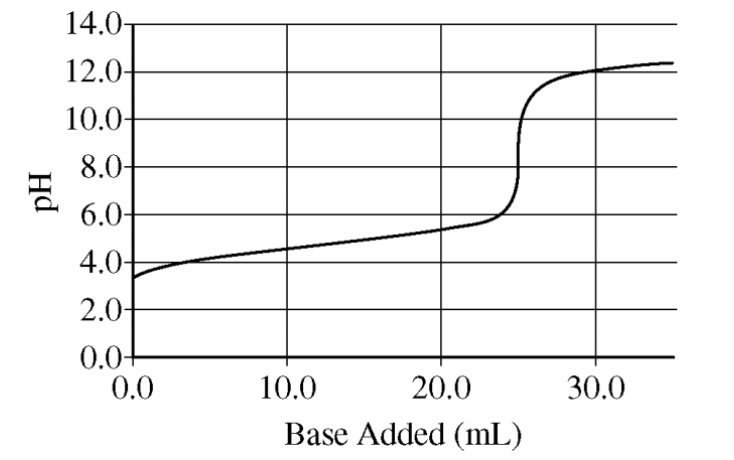
According to the graph, this is the volume of base that was needed to reach the equivalence point in a titration.
What is "25 mL"?
100
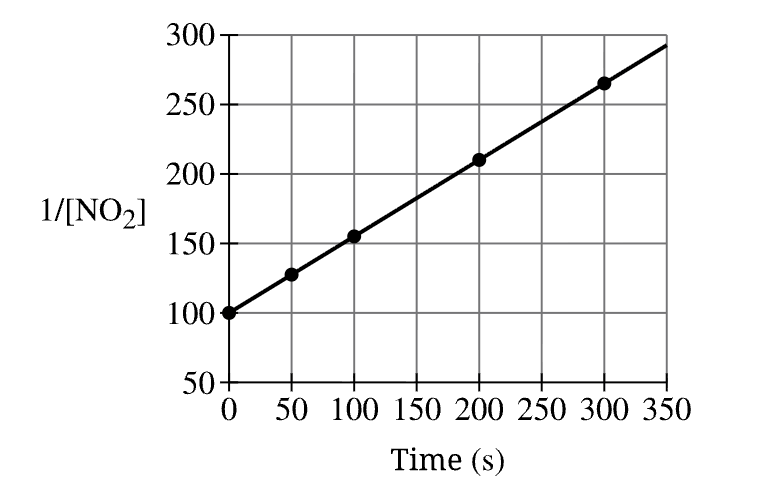
The graph identifies NO2 to have this reaction order...
What is "second order"?
200
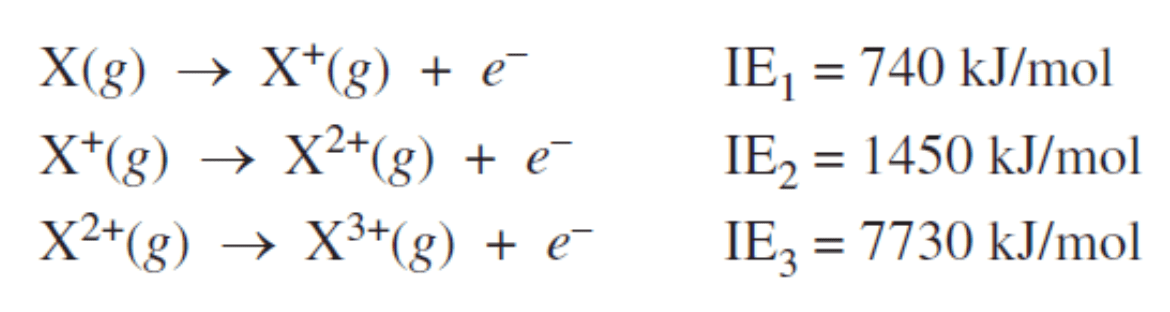
Based on the given data, element X has this many valence electrons...
What is "two valence electrons"?
200
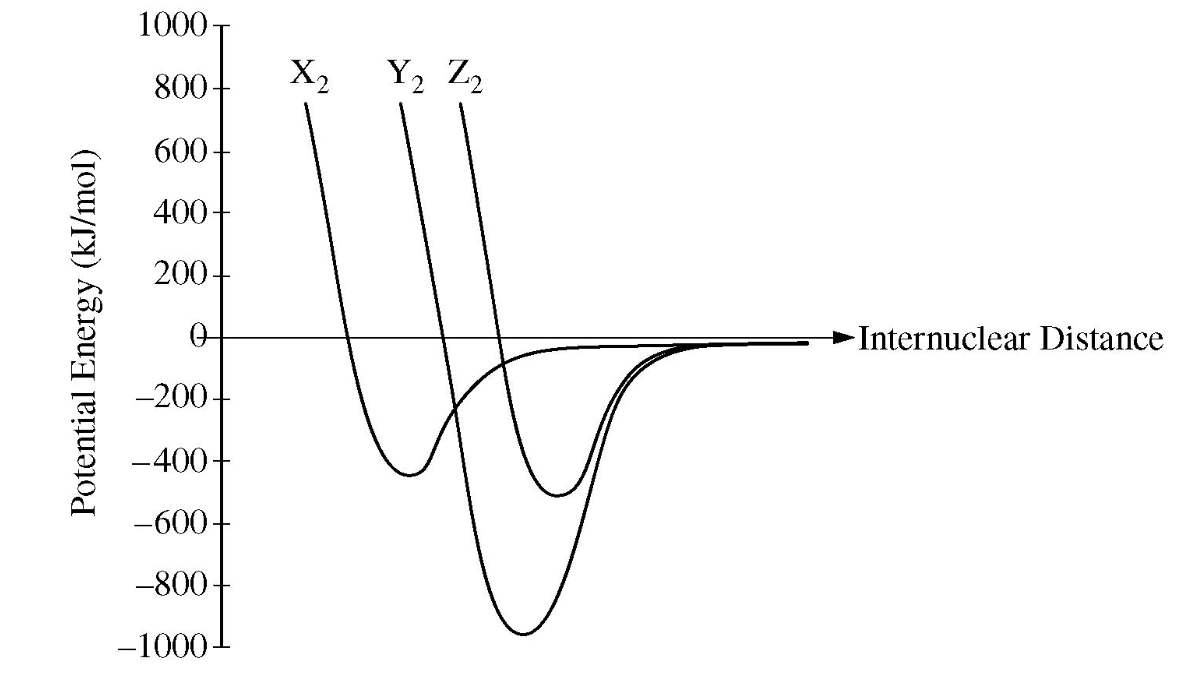
Based on the graph, Z2 likely has this type of bond...
What is a "double covalent bond"?
200
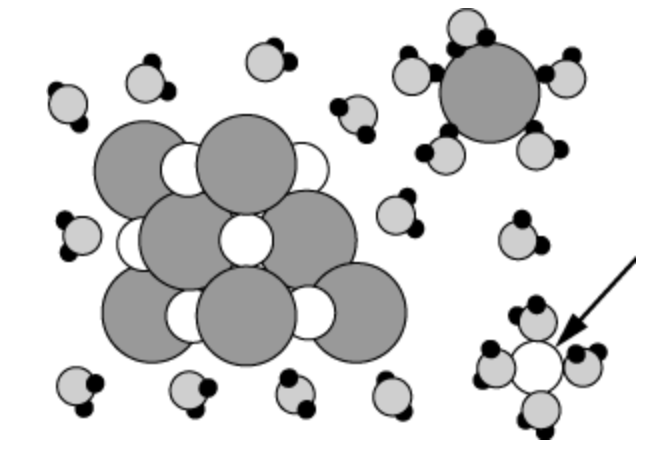
The arrow is pointing at this type of ion...
What is a "cation"?
200
 ________ is considered a conjugate base in the above reaction.
What is "SO42-"?
200
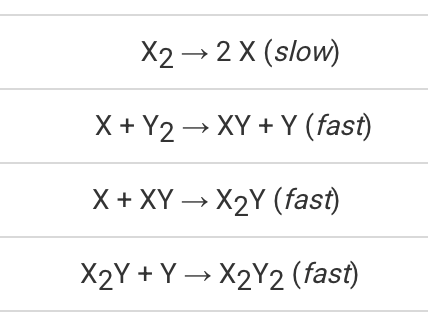
This is the rate law based on the given reaction mechanism...
What is "Rate=k[X2]"?
300
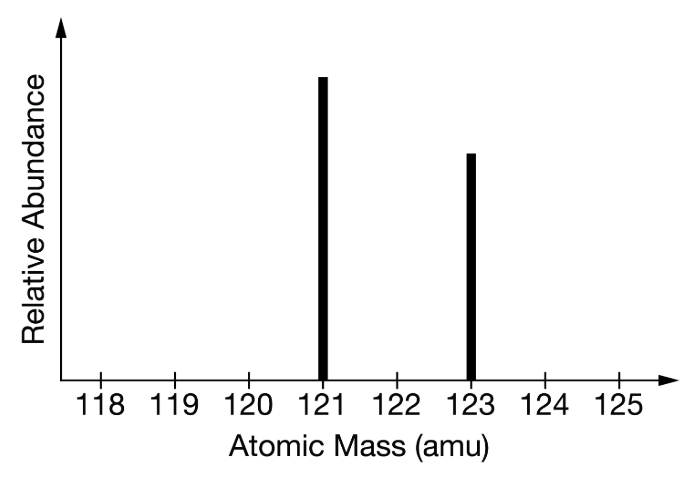
This mass spectrum graph represents this element from the Periodic Table...
What is "Antimony" or "Sb"?
300
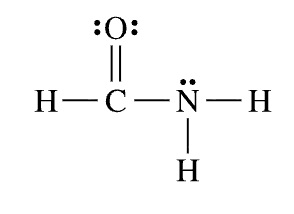
The above molecule has this many nonpolar bonds...
What is "one nonpolar bond"?
300
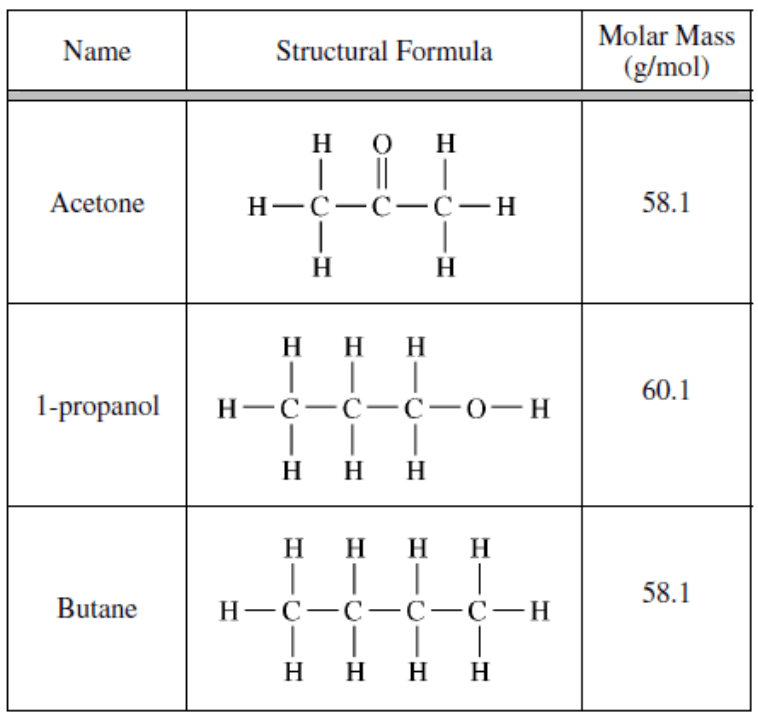
This molecule from the above list is most likely to evaporate first at room temperature...
What is "butane"?
300

This substance is being reduced in the above chemical reaction.
What is "hydrogen"?
300
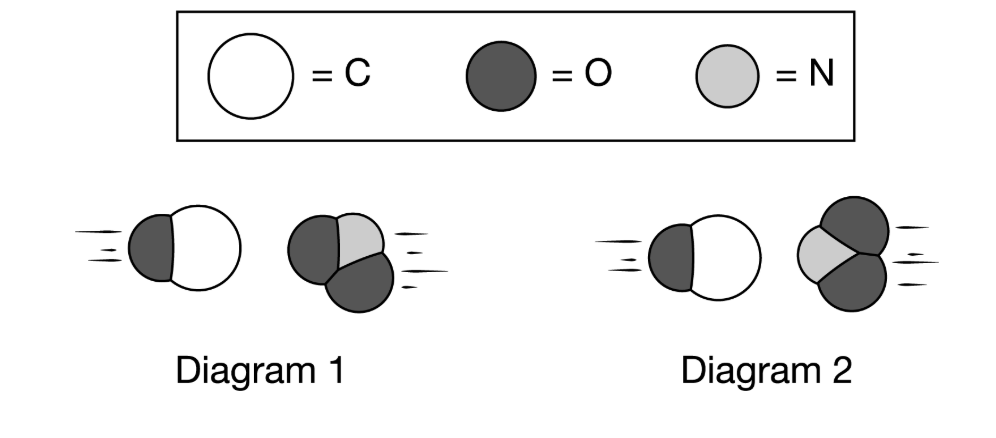
Diagram ___ accurately represents an effective collision that would result in the formation of CO2.
What is "1"?
400
The ground state electron configuration of Scandium, Sc is...
What is "1s22s22p63s23p64s23d1"?
400
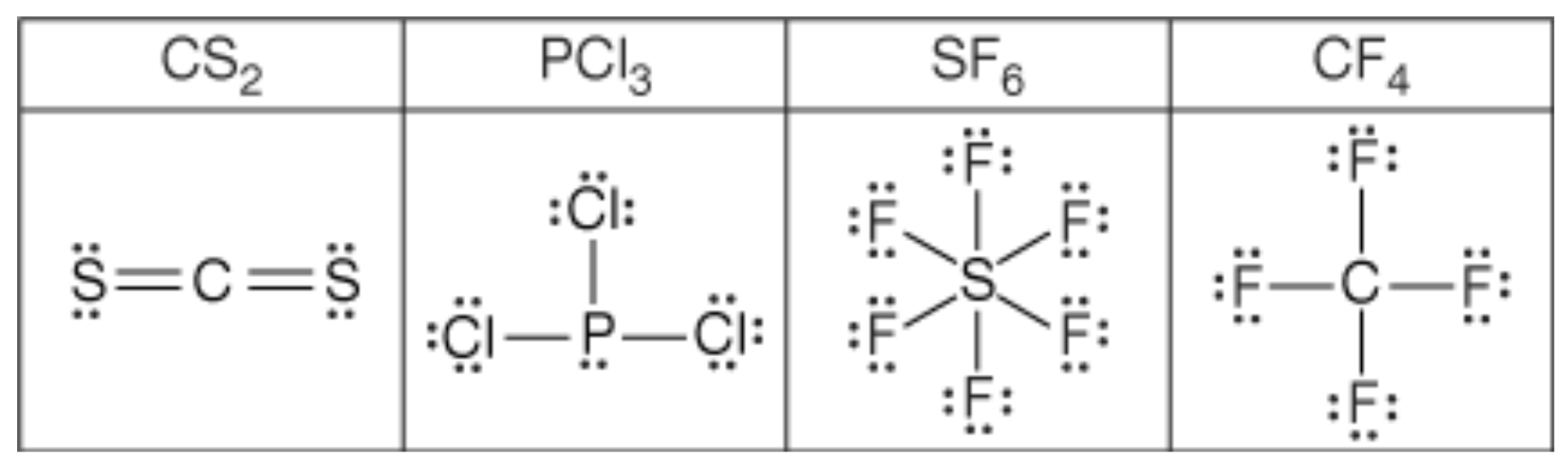 Out of the given options, _________ is the most polar molecule.
What is "PCl3"?
400
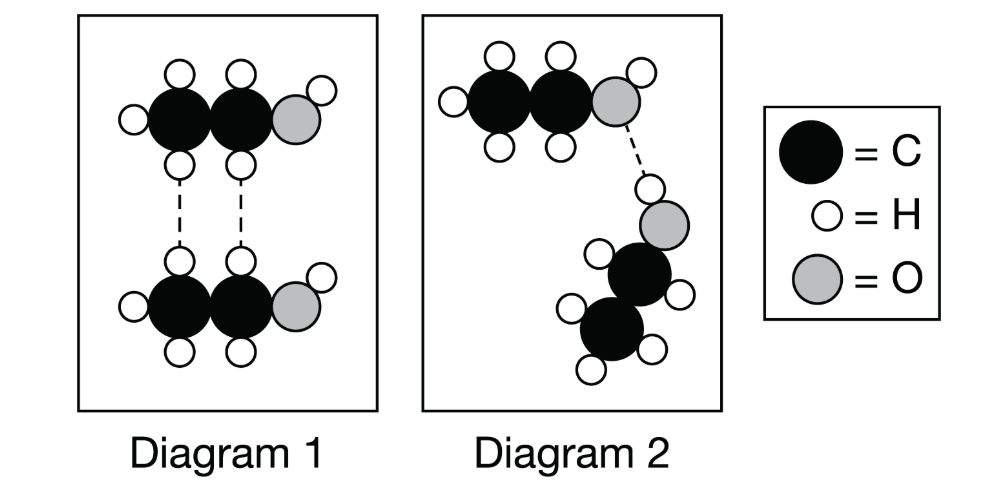
________ _________ is being represented with the dashed lines in Diagram 2.
What is "hydrogen bonding"?
400

____ and ____ would be considered spectator ions in the complete ionic equation for the above reaction.
What are "Na+ and Cl-"?
400
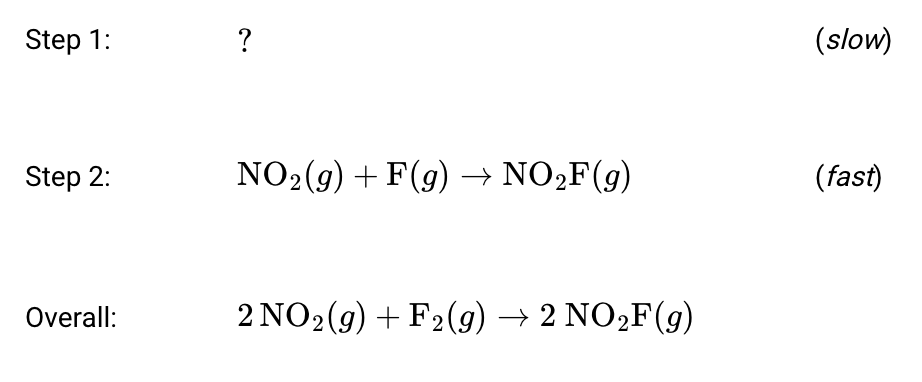
Based on the provide reaction mechanism, this substance is likely a product in Step: 1...
What is "F(g)"?
500
Sodium metal is more reactive in water than magnesium metal because...
What is "Sodium has a smaller first ionization energy than magnesium"?
500
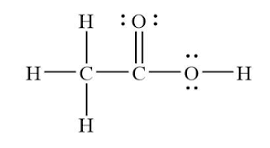
This is the bond angle for the oxygen-carbon-oxygen in CH3COOH...
What is "120o"?
500
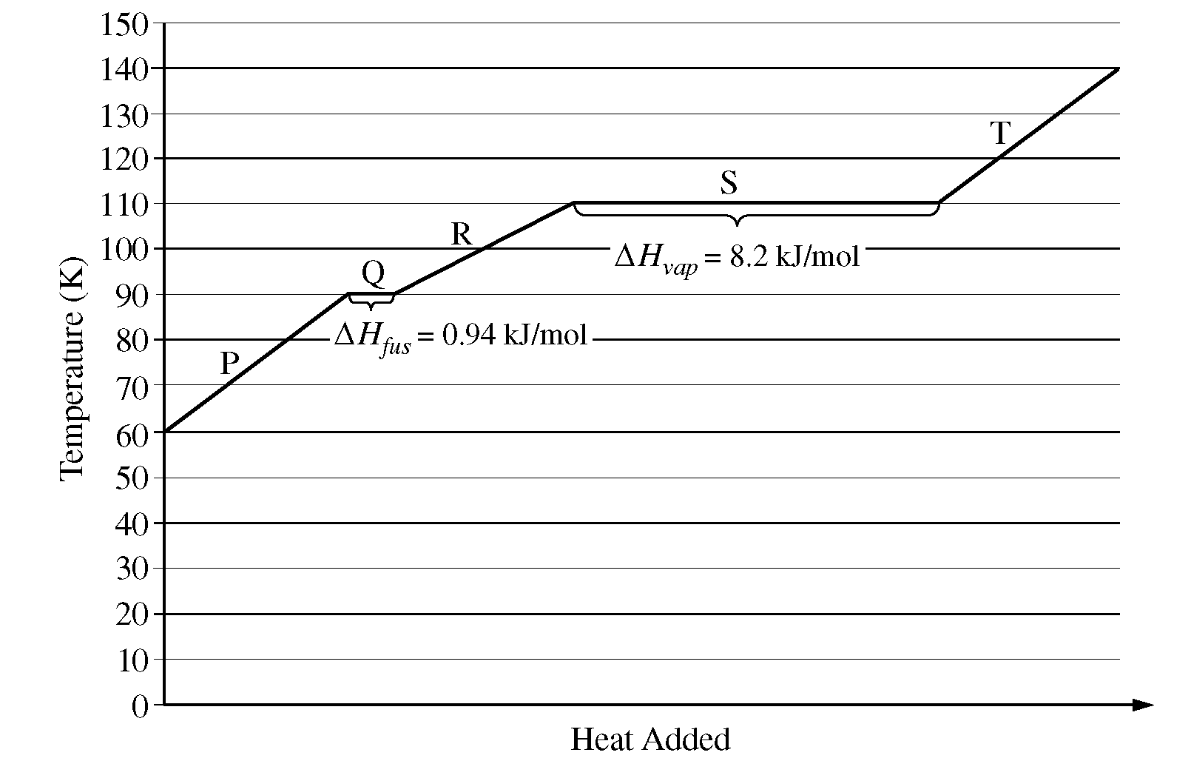
This is the reason why 'S' has a greater ΔH than 'Q' on the graph above...
What is "overcoming all or most intermolecular attractions"?
500

This many moles of MnO4- would be required to completely react with 10.0 moles of Fe2+...
What is "2.0 moles"?
500
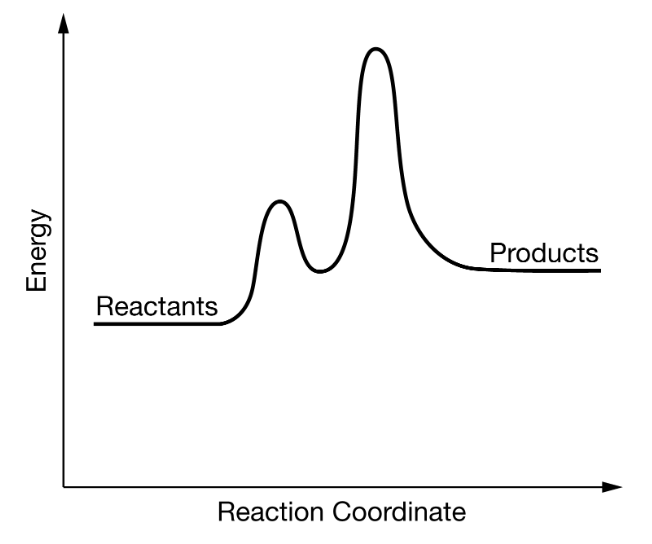
This step is considered the 'fast' step in the above reaction energy profile graph.
What is "Step 1"?