Ecology and Energy Flow
Terrestrial Biomes
Aquatic Biomes
Biodiversity
Unit 3 Random
100
This trophic level will only have 1% of the energy originally available for the producers.
What are secondary consumers?
100
This terrestrial biome consists of large coniferous trees and nutrient-poor soil due to cold temperatures and slow rate of decomposition.
What is the taiga (boreal forest)?
100
This type of aquatic biome is high in salinity.
What are marine biomes (ocean biomes)?
100
This theory explains how the size of an island and distance an island is from the mainland influences species diversity.
What the theory of island biogeography?
100
This is the energy captured by producers in an ecosystem minus the energy producers use for respiration.
What is net primary productivity?
200
This is the type of symbiotic relationship that occurs between fungi and plants, when both species are benefitting from the relationship.
What is mutualism?
200
This biome consists of high temperatures and high precipitation year-round.
What is the tropical rainforest?
200
This area in marine biomes is where photosynthesis primarily occurs.
What is the photic zone?
200
This is the theory that states that organisms with traits better adapted to their environment are more likely to survive, reproduce, and pass on the adaptations to the next generation.
What is natural selection?
200
This is what occurs when two species evolve to divide a common resource, leading to reduce competition.
What is resource partitioning?
300
This is the niche that is potentially occupied by a species including all conditions in which a species can survive and reproduce.
What is fundamental niche (ecological tolerance)?
300
This biome consists of little to no precipitation and drought-tolerant plants.
What is a desert?
300
This type of water is found in estuaries along the coast.
What is brackish water (mix of freshwater and saltwater)?
300
These are the first species (such as moss and lichen) that appear when an ecosystem is going through a primary succession.
What are pioneer species?
300
Recreation, tourism, and scenic overlooks is an example of this type of ecosystem service.
What are cultural ecosystem services?
400
This "event" occurs when the genetic diversity of a population is reduced because of an environmental stress.
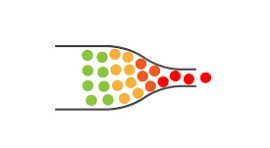
What is a bottleneck event?
400
This biome is fertile, has nutrient-rich soil, and has four distinct seasons year-round.
What is the temperate seasonal forest?
400
These are TWO supporting ecosystem services of riparian areas and freshwater wetlands.
What are...
1. Filtering pollutants from water
2. Flood regulation
3. Habitat for organisms
4. Soil erosion prevention
400
This is a type of organism that has a disproportionately large effect on the ecosystem regardless of the size and abundance. Examples: Yellowstone wolves, sea otters.
What are keystone species?
400
This type of evolution occurs when two species who come from different ancestry evolve physical features with similar functions.
What is convergent evolution?
500
This type of ecosystem service includes goods produced by ecosystems that humans can use directly. Examples include: lumber, food, crops, etc.
What are provisioning services?
500
This biome contains little to no vegetation and permafrost.
What is the tundra?
500
This zone in freshwater ecosystems contains emergent, rooted plants leading to the most amount of photosynthesis occurring here.
What is the littoral zone?
500
This occurs when a stream or river divides a population into two isolated populations that evolve into two different species.
What is allopatric speciation?
500
This marine biome is located near the coastline and consists of organisms that have adaptations to withstand pounding waves and rocky surfaces.
What is intertidal zone?