History
Middle Ages Structures
Types of Stress
Post-antiquity Styles
Trusses and Styles
100
This architecture is characterized by straight lines, glamor, and social progress
Art Deco
100
Early Gothic architecture lacked these structures
Arches
100
Force that squeezes material together
Compression
100
This architecture is characterized by pointed arches and taller towers
Gothic
100
This architecture is characterized by rounded arches and barrel vaults
Romanesque
200
This event ends the classical era
The Fall of Rome
200
These capitals broke from the traditional orders and grew more sophisticated
Romanesque
200
Force that pulls material apart
Tension
200
This architecture is characterized by a return to the classical principles of ancient Greece and Rome
Neoclassical
200
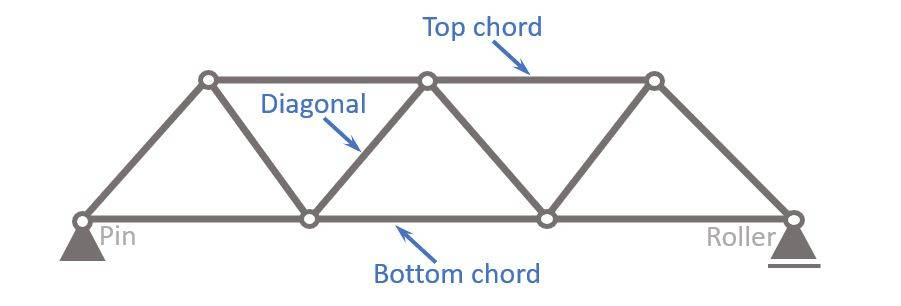
Warren Truss
300
This leader crowned himself Holy Roman Emperor to revive classicism
Charlemagne
300
This is an external, open support to distribute the weight of tall towers
Flying Buttress
300
When under three points of stress, one side is larger than the other
Bending
300
This architecture was the Romantic attempt to return to the principles of the late medieval era
Gothic Revival
300
This architecture is characterized by round arches, wide frames, and straight lines
Renaissance
400
This event sends scholars West to start the Renaissance
Fall of Constantinople
400
This is a rounded arch extended down a hall
Barrel Vault
400
Opposing forces in different areas of the object
Shear
400
This architecture took the basic elements of the Renaissance and elevated and decorated them
Baroque
400
This architecture is characterized by the use of glass, steel, and concrete and straight lines
Modern
500
Charlemagne was crowned Holy Roman Emperor on this date (month, day, year)
December 25, 800
500
This is a support beam placed diagonally, allowing for higher towers
Ribbed Vault
500
Force twisting an object
Torsion
500
This architecture is characterized by curves, variety, and lack of formality
Postmodern
500
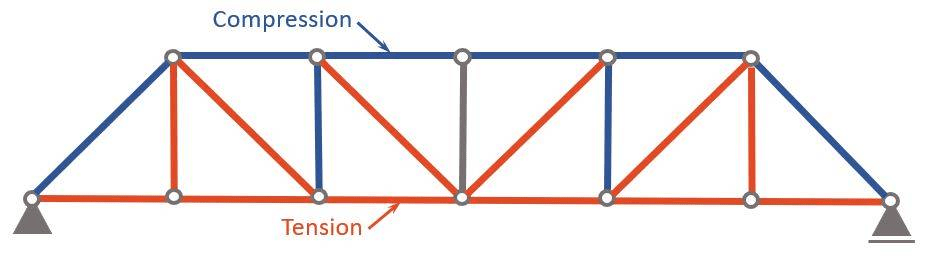
Pratt Truss