Explicit Equations
Recursive Equations
Explicit --> Recursive and vv
Is it a part of the sequence?
Graphs of Sequences
100
This is the explicit equation for the following sequence:
6, 10, 14, 18, . . .
What is t(n) = 4n + 2
100
This is the recursive equation for the following sequence:
5, 9, 13, 17, . . .
What is t(n + 1) = t(n) + 4
t(1) = 5?
100
Given the explicit equation, write the recursive equation.
t(n) = 5n - 32
What is t(n + 1) = t(n) + 5
t(1) = 27?
100
Is 72 a part of the sequence represented by the given equation?
t(n) = 5n + 12
Yes.
100
The type of sequence this graph shows.

What is arithmetic?
200
This is the explicit equation for the following sequence:
-3, -5, -7, -9, . . .
What is t(n) = -2n - 1?
200
This is the recursive equation for the following sequence:
19, 13, 7, 1, -5 . . .
What is t(n + 1) = t(n) - 6
t(1) = 19?
200
Given the explicit equation, write the recursive equation.
t(n) = -9n + 70
What is t(n + 1) = t(n) - 9
t(1) = 61?
200
Is 72 a part of the sequence represented by the given equation?
t(n) = 6n + 3
No.
200
Is the multiplier for this graph of a geometric sequence greater or less than one?
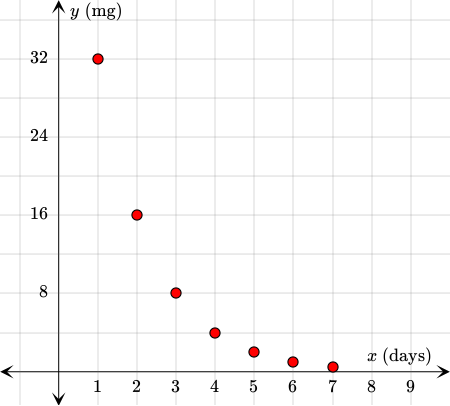
Less than one
300
This is the explicit equation for the following sequence:
4, 8, 16, 32, . . .
What is t(n) = 2 • 2n?
300
This is the recursive equation for the following sequence:
4, 20, 100, 500, . . .
What is t(n + 1) = t(n) • 5
t(1) = 4?
300
Given the explicit equation, write the recursive equation.
t(n) = 10 • 6n
What is t(n + 1) = t(n) • 6
t(1) = 60?
300
Is 352 a part of the sequence represented by the given equation? If so, which term is it?
t(n) = 9n + 19
Yes, it is the 37th term.
300
The type of sequence this graph shows.

What is arithmetic?
400
This is the explicit equation for the following sequence:
1215, 405, 135, 45, . . .
What is t(n) = 3,645 • (1/3)n?
400
This is the recursive equation for the following sequence:
400, 100, 25, . . .
What is t(n + 1) = t(n) • (1/4)
t(1) = 400?
400
Given the recursive equation, write the explicit equation.
t(n + 1) = t(n) - 12, t(1) = 42
What is t(n) = -12n + 54?
400
Is 99 a part of the sequence? If so, which term?
17, 20, 23, 26, . . .
No.
400
This is the type of sequence represented in the graph below.
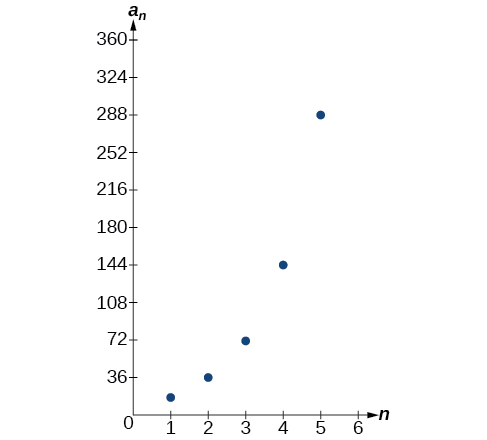
What is geometric?
500
This is the explicit equation for the following sequence:
25,600, 40,960, 65,536, . . .
What is t(n) = 16,000 • 1.6n?
500
This is the recursive equation for the following sequence:
4096, 3072, 2304, 1728, . . .
What is t(n + 1) = t(n) • 0.75
t(n) = 4096?
500
Given the recursive equation, write the explicit equation.
t(n + 1) = t(n) • 8, t(1) = 10
What is t(n) = 1.25 • 8n?
500
Is 182 a part of the sequence? If so, which term?
28, 39, 50, 61, . . .
Yes, it is the 15th term.
500
This is the type of sequence represented in the graph below.
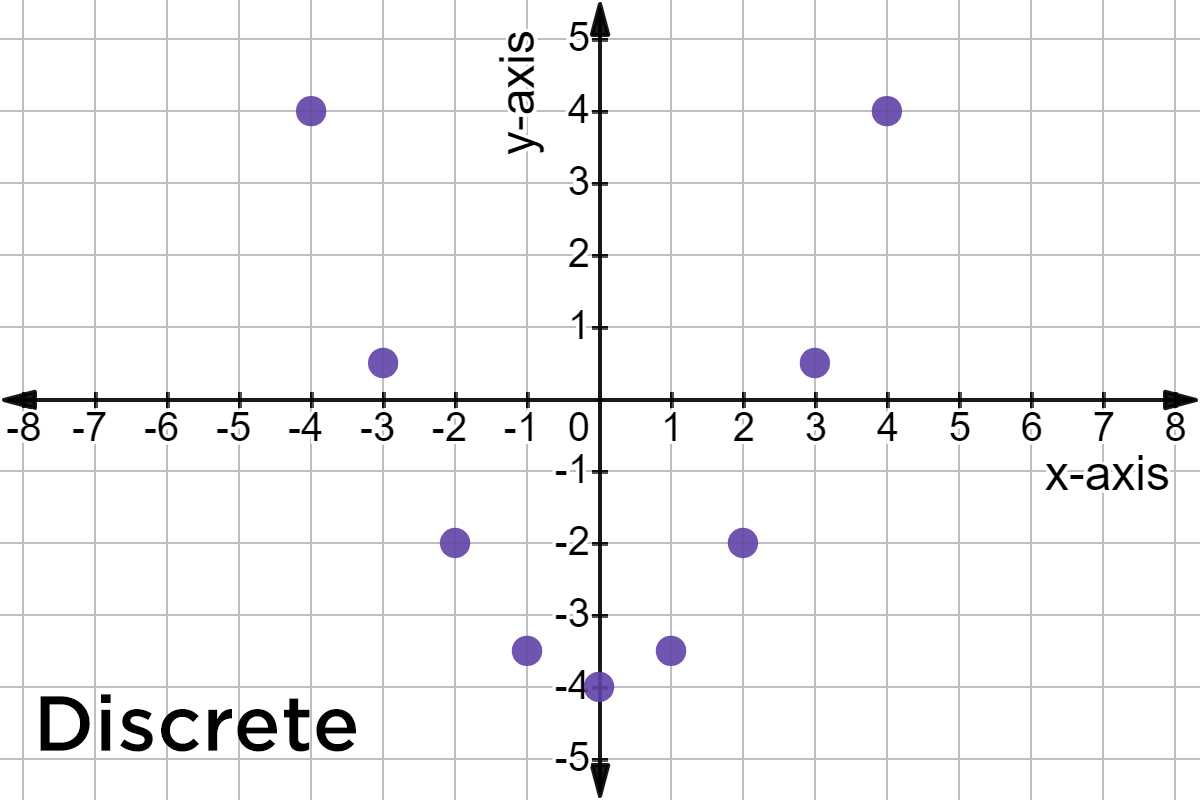
What is neither arithmetic nor geometric?