Syndromes
ID
Nephro
Cutting the cost
Getting on my nerves
100
Is a distinctive erythrodermic CTCL with leukemic involvement by malignant T cells that typically bear the same T cell receptor rearrangement as the clone in the skin.
Sézary syndrome.
Sézary syndrome (SS) and mycosis fungoides (MF) are the most common subtypes of cutaneous T cell lymphoma
100
 Name this finding
bubo in a patient with plague. Y. pestis causes plague and is transmitted by fleas.
In the genus Yersinia, three species are important human pathogens: Yersinia pestis, Yersinia enterocolitica, and Yersinia pseudotuberculosis.
100
eGFR threshold to begin loop diuretic for BP control
<20-30 mL/min/1.73 m2
100
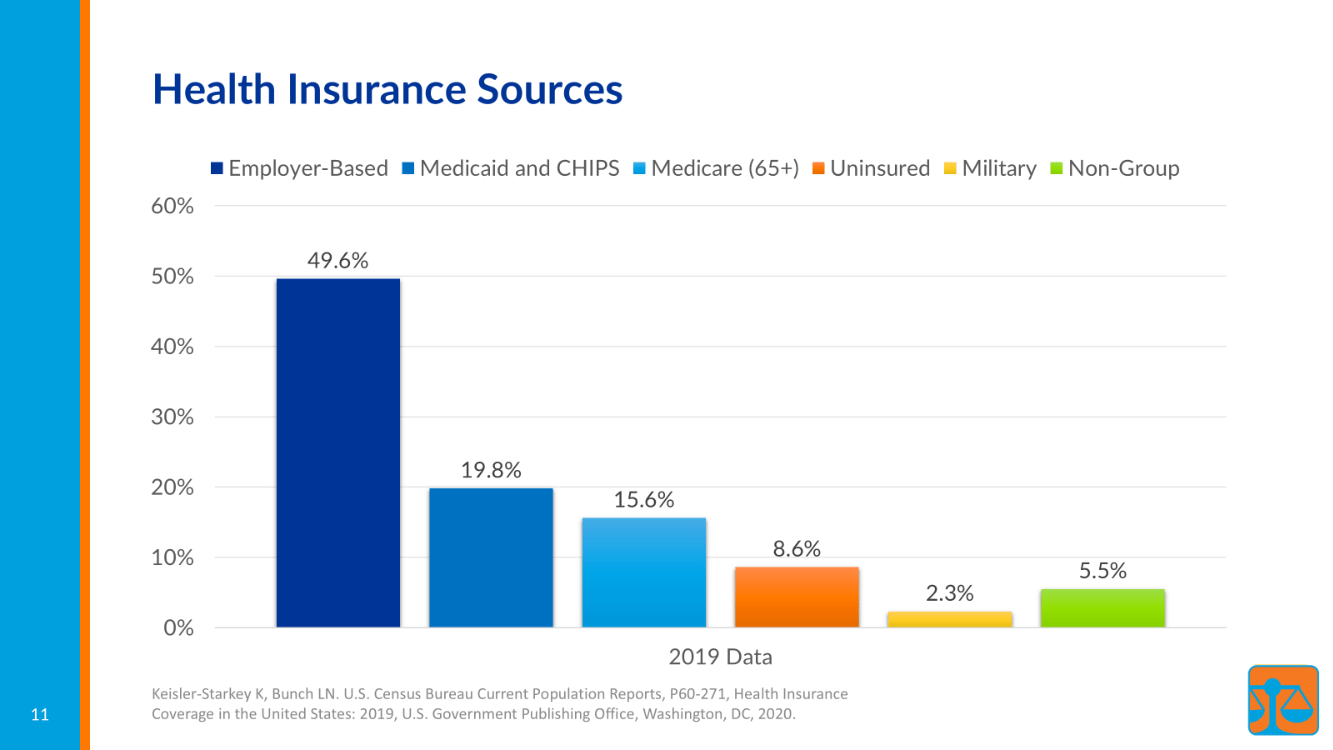
According to the US Government data, which is the most common source of Health Insurance in US population
Employer based
100
Prophylactic treatment for vasospasm after subarachnoid hemorrhage
Nimodipine
- In aneurysmal SAH, cerebral vasospasm with resultant delayed cerebral ischemia and neurologic worsening may develop beginning near day 5, and frequent monitoring with transcranial Doppler imaging (or CT angiography and perfusion studies) is recommended in all patients.
- All patients with aneurysmal SAH should be treated as soon as possible with prophylactic nimodipine to reduce the risk for cerebral vasospasm.
200
Allopurinol hypersensitivity syndrome (AHS) is associated with following HLA allele
HLA-B 58:01
Oxypurinol is quickly transformed from allopurinol and then eliminated by the kidneys. The mean half-life of oxypurinol in patients with normal kidney function is 23 hours, although 95% of patients have half-lives between 9 and 38 hours. The half-life of oxypurinol increases with decreasing kidney function, allowing it to build up over an extended period of time and reach higher steady-state concentrations
200
Elective surgeries requiring preop nasal screening for S. aureus. Name 2 types.
Cardiothoracic and orthopedic
200
Urinalysis finding in ethylene glycol toxicity
Calcium oxalate crystals
200
This part of Medicare covers the hospital services
Part A
200
Test for functional seizures
Video EEG monitoring
300
This rare congenital vascular disorder characterized by facial capillary malformation (port wine birthmark) and associated capillary-venous malformations affecting the brain and eye.
Sturge-Weber syndrome
300
CDC criteria for pulmonary TB that is no longer contagious
Guidelines for determining a patient with tuberculosis is no longer contagious include appropriate antimicrobial therapy for at least 2 weeks, clinical improvement, and three negative sputum smears collected at least 8 hours apart.
300
Other causes of Calcium oxalate crystals in urine with AKI
Orlistat, a gastrointestinal lipase inhibitor used to induce clinically significant weight loss by fat malabsorption, has also been associated with intratubular calcium oxalate deposition and AKI. High doses of vitamin C, which is metabolized to oxalate, can also lead to AKI from calcium oxalate precipitation in the tubules.
300
This part of Medicare covers the Physician services, outpatient, durable medical equipment
Part B
300
Dopamine transporter scan indication
Differentiate Parkinson disease from essential tremor or drug-induced parkinsonism
400
People with this syndrome may experience distortions in their visual perception of objects, such as appearing smaller (micropsia) or larger (macropsia), or appearing to be closer (pelopsia) or farther (teleopsia) than they are. Distortion may also occur for senses other than vision.
Alice in Wonderland syndrome (AIWS), also known as Todd's syndrome or dysmetropsia
400
"closed safety pin" appearance on Wayson stain is characterstic of this organism
Yersinia

400
MC cause of hypertonic hyponatremia
Hyperglycemia
400
This part of Medicare covers the Voluntary prescription coverage
Part D
400
This Mnemonic is used for migraine characteristics
POUND (Pulsatile quality, One-day duration, Unilateral location, Nausea/vomiting, Disabling intensity)
500
This syndrome is the most common form of hereditary stroke disorder and is thought to be caused by mutations of the NOTCH3 gene on chromosome 19.
CADASIL or CADASIL syndrome, involving cerebral autosomal dominant arteriopathy with subcortical infarcts and leukoencephalopathy.
CADASIL is now recognized as an important cause of stroke in the young.
Patients with CADASIL usually present with one or more of the following manifestations:
●Migraine with aura
●Acute reversible encephalopathy
●Ischemic episodes
●Cognitive impairment and dementia
●Psychiatric disturbances
500
Cotton fever is associated with this Bacteria in cotton plants.
Pantoea agglomerans.
It causes fever that follows intravenous drug use where cotton is used to filter the drugs. The condition derives from an endotoxin released by the bacterium Pantoea agglomerans which lives in cotton plants
500
Distinguishing arginine vasopressin deficiency from arginine vasopressin resistance
Response to desmopressin
500
What will a patient with Medicare Part A be asked to pay out-of-pocket for a hospital stay?
- Days 1–60: After you pay the Part A deductible ($1,736 in 2026), you pay $0 each day. (Note: If you’re in a Medicare Advantage Plan, you may be charged copayments during the first 60 days.)
- Days 61–90: You pay $434 each day.
- Days 91-150: You pay $868 each day while using your 60 lifetime reserve days (These are additional days that Medicare will pay for when you're in a hospital for more than 90 days. You have a total of 60 reserve days that can be used once during your lifetime).
- After day 150: You pay all costs.
500
This paraneoplastic ab is associated with SCLC
ANNA-1 (Hu) -type 1 antineuronal antibody
and ANNA-2 (Ri) -type 2 antineuronal antibody