What, When, Where
Form & Function
Context is Everything
Vocabulary
What's the Point?
100
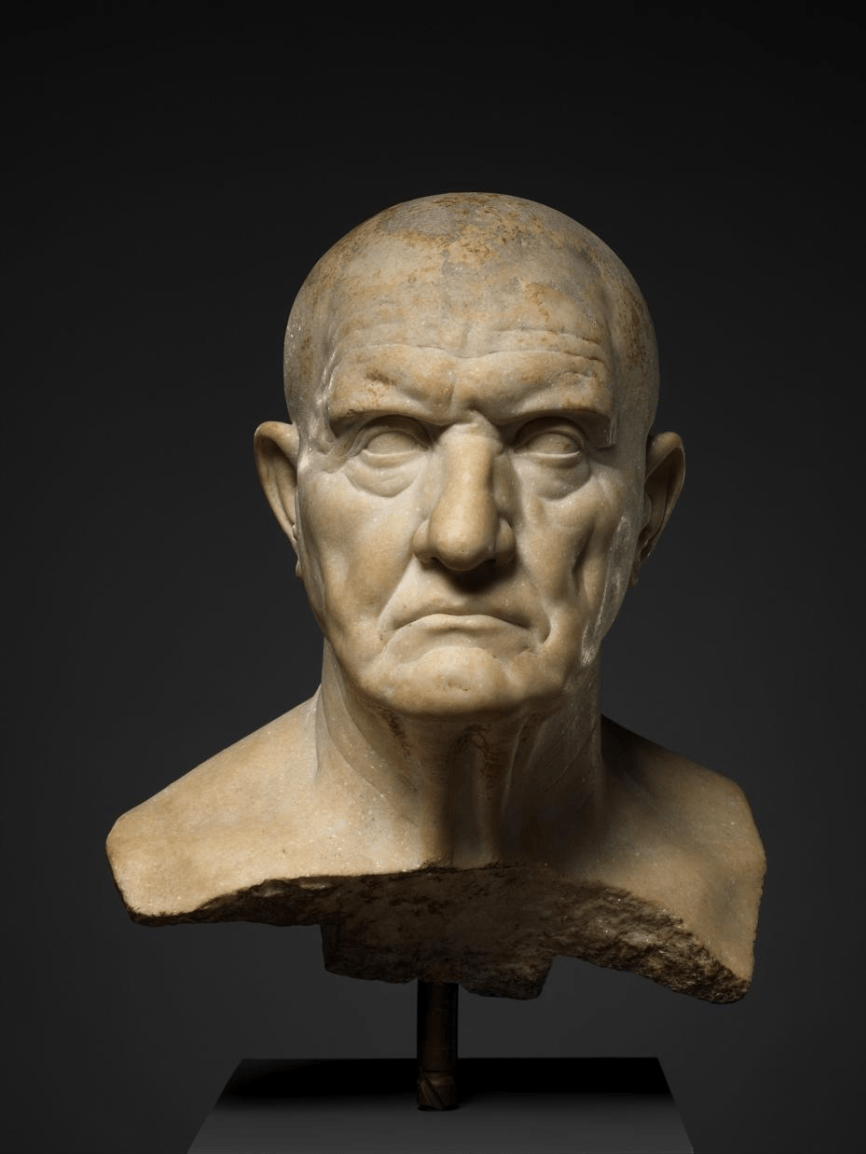
Identify the culture, approximate date, and material of this sculpture.
Roman; mid-first century CE; marble. (name: Roman portrait bust of a patrician)
100
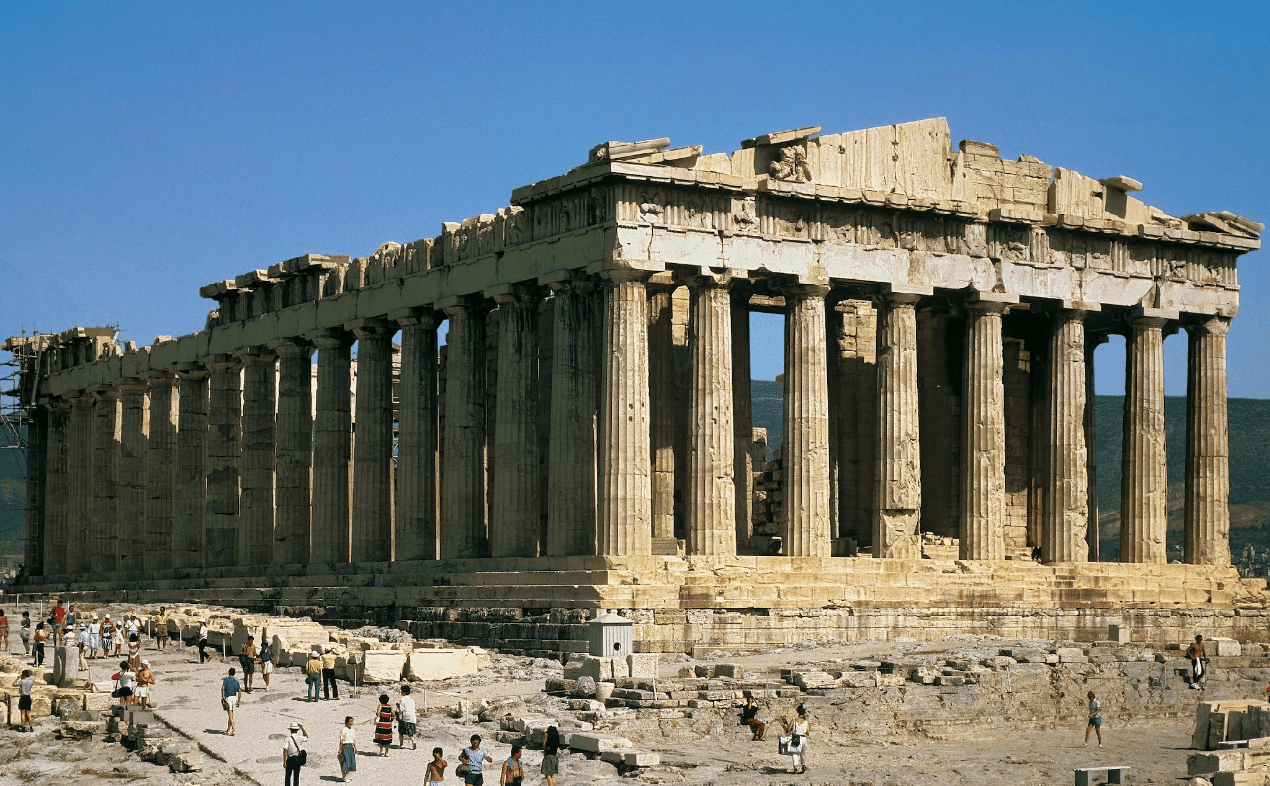
What was the primary religious purpose of this building?
(100 points for identifying name, culture, and approximate date)
It was a temple dedicated to Athena and housed her monumental cult statue.
100
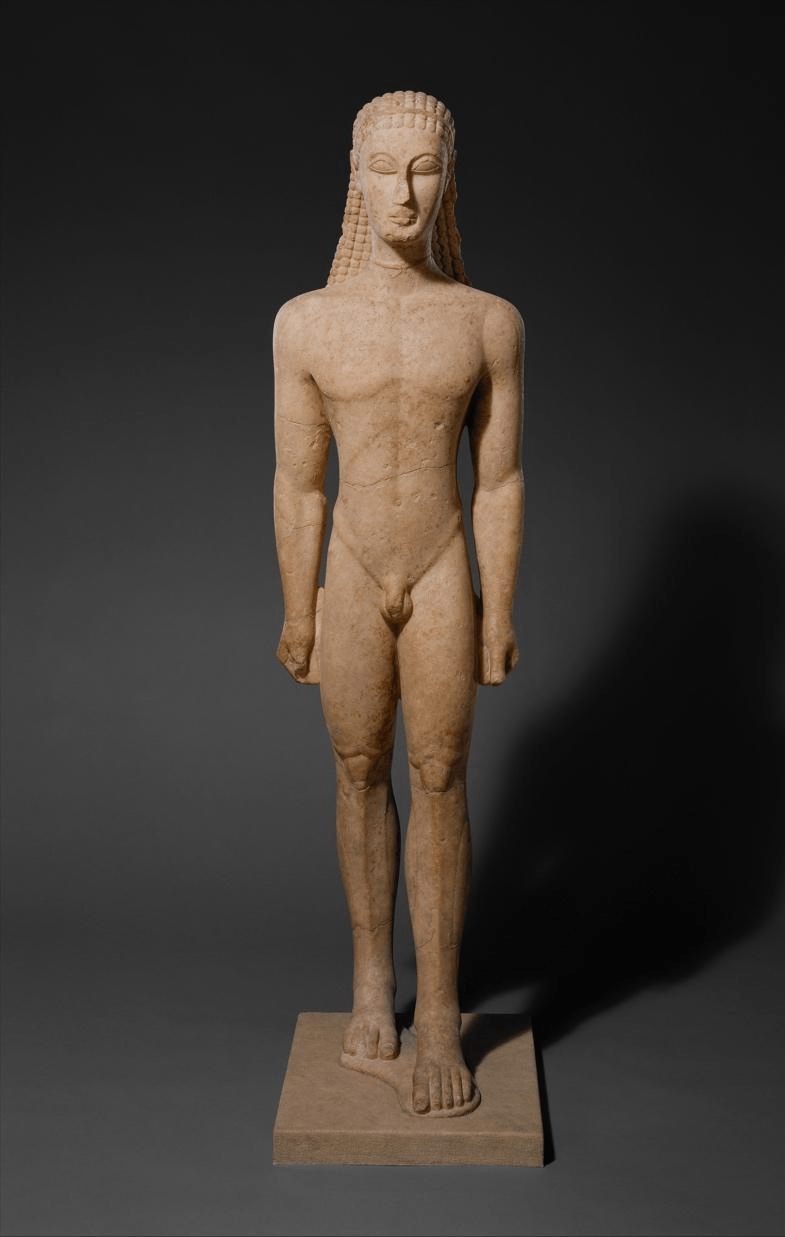
What earlier artistic tradition influenced the pose and proportions of this sculpture?
Egyptian sculpture, particularly its rigid frontality, symmetrical stance, and placement of one foot forward.
100
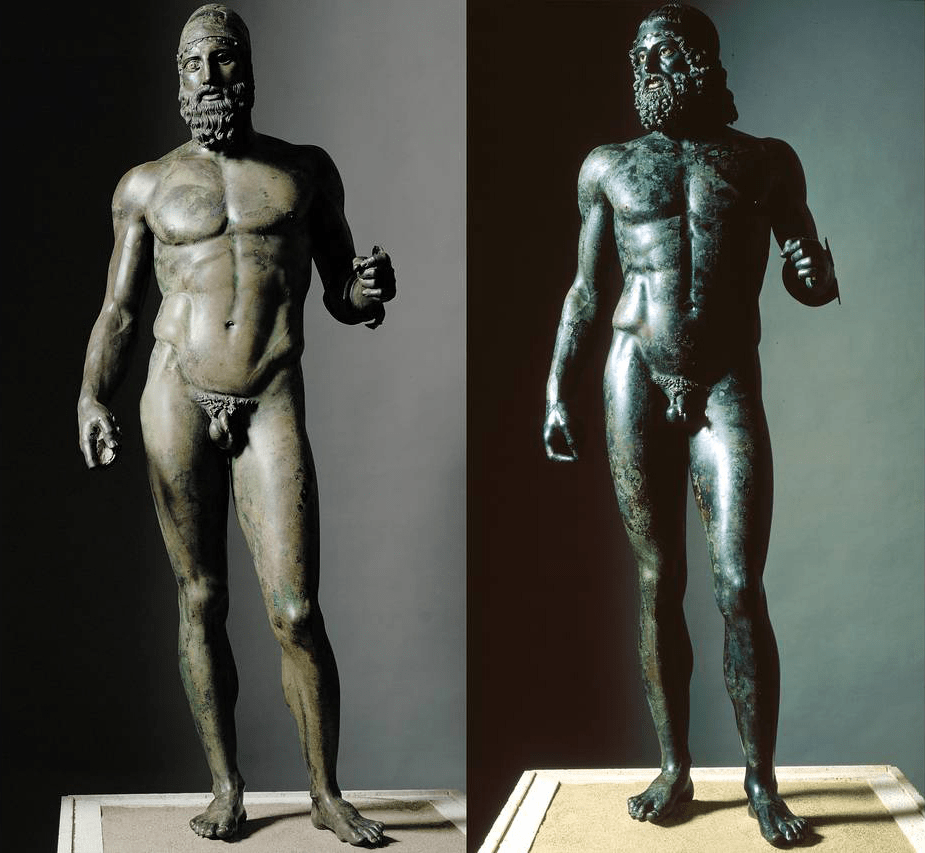
What term describes the weight-shifted pose of these figures?
(100 bonus points if you can give the name, date, and culture of origin)
Contrapposto
100
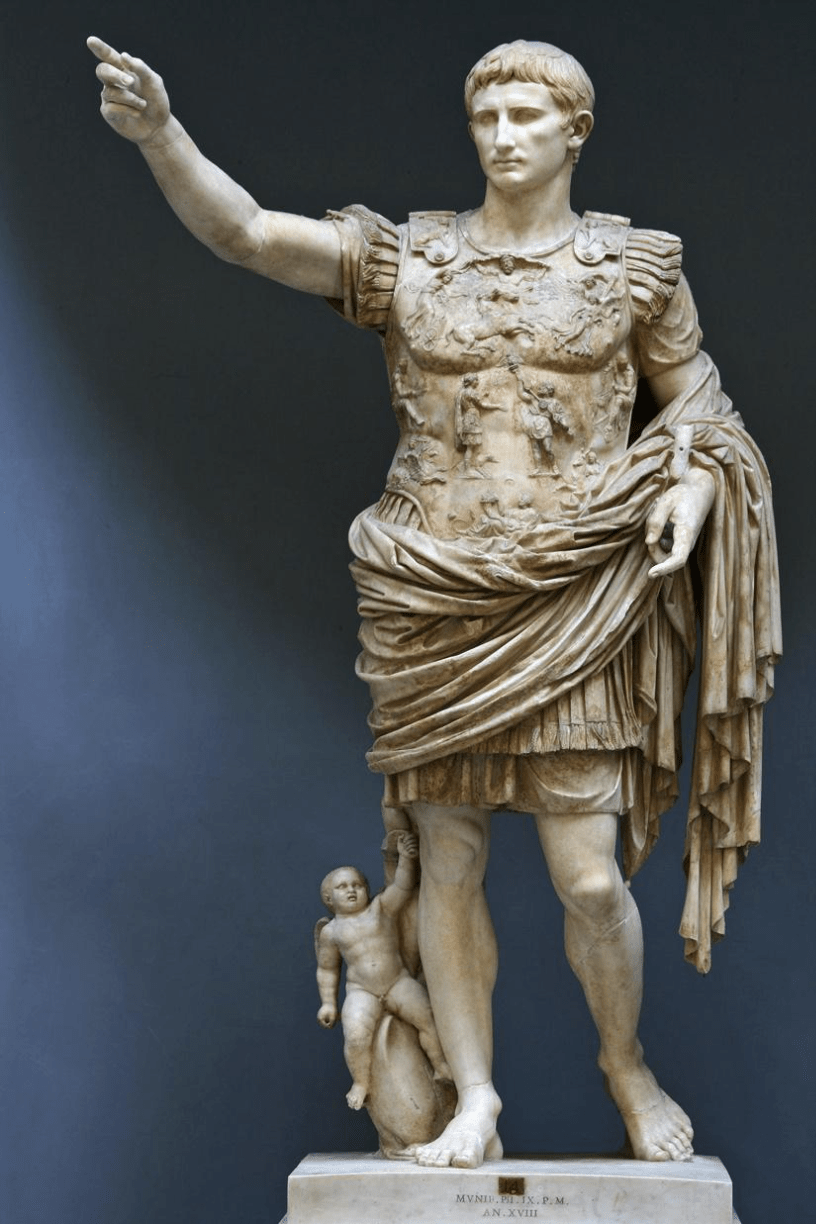 What message about Augustus is communicated by his clothing and gesture?
He is presented as a powerful military leader with legitimate authority.
200
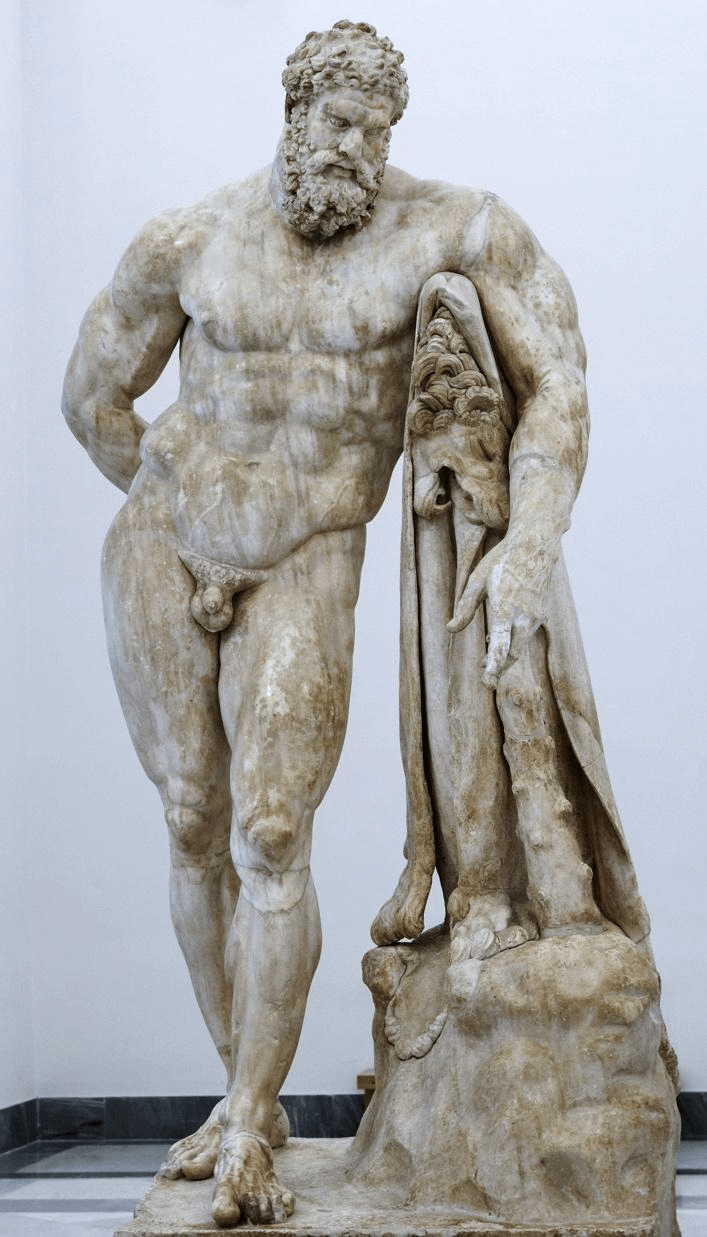 Identify the subject of this sculpture, the artist responsible for the Greek original, and the period of that original.
Hercules; Lysippos; fourth-century BCE Classical Greece.
200
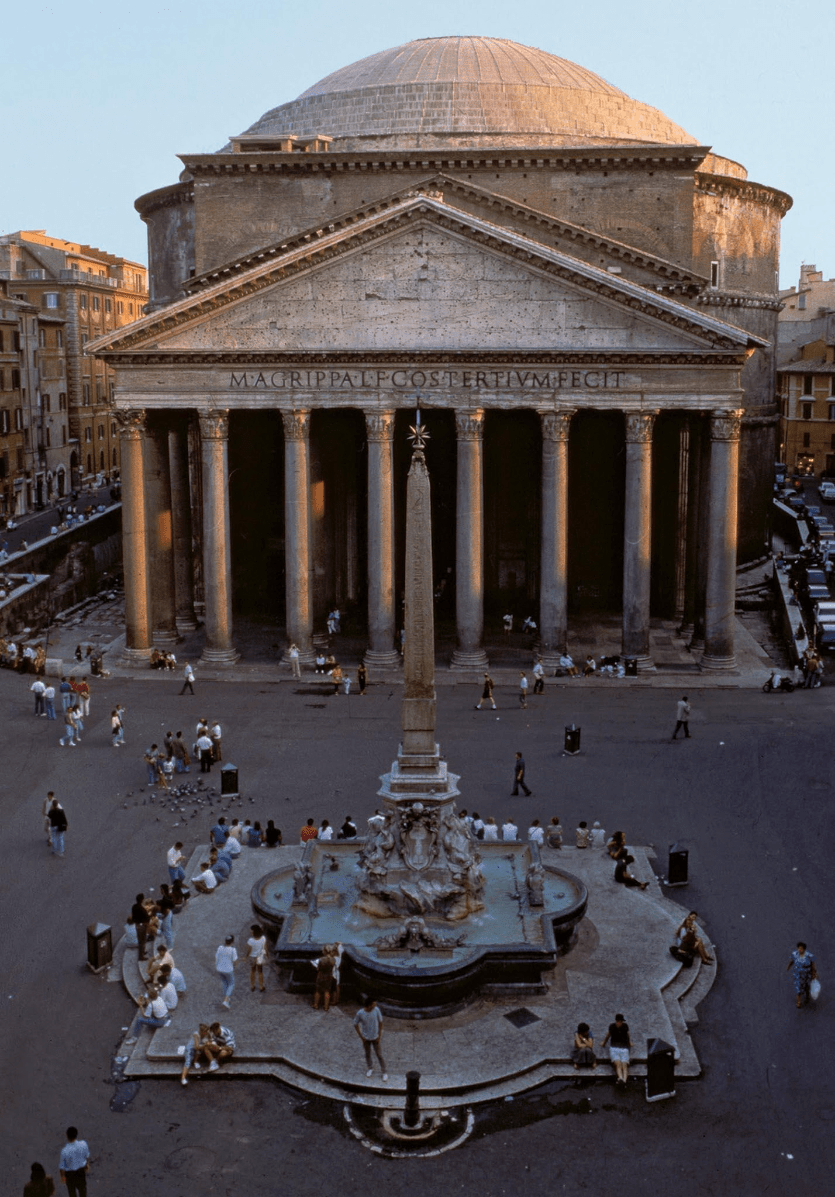
What two different architectural forms are combined in the design of this building?
(100 Bonus points for identifying name, location, and date of the building)
A traditional rectangular, columned temple portico and a circular rotunda covered by a massive dome.
200
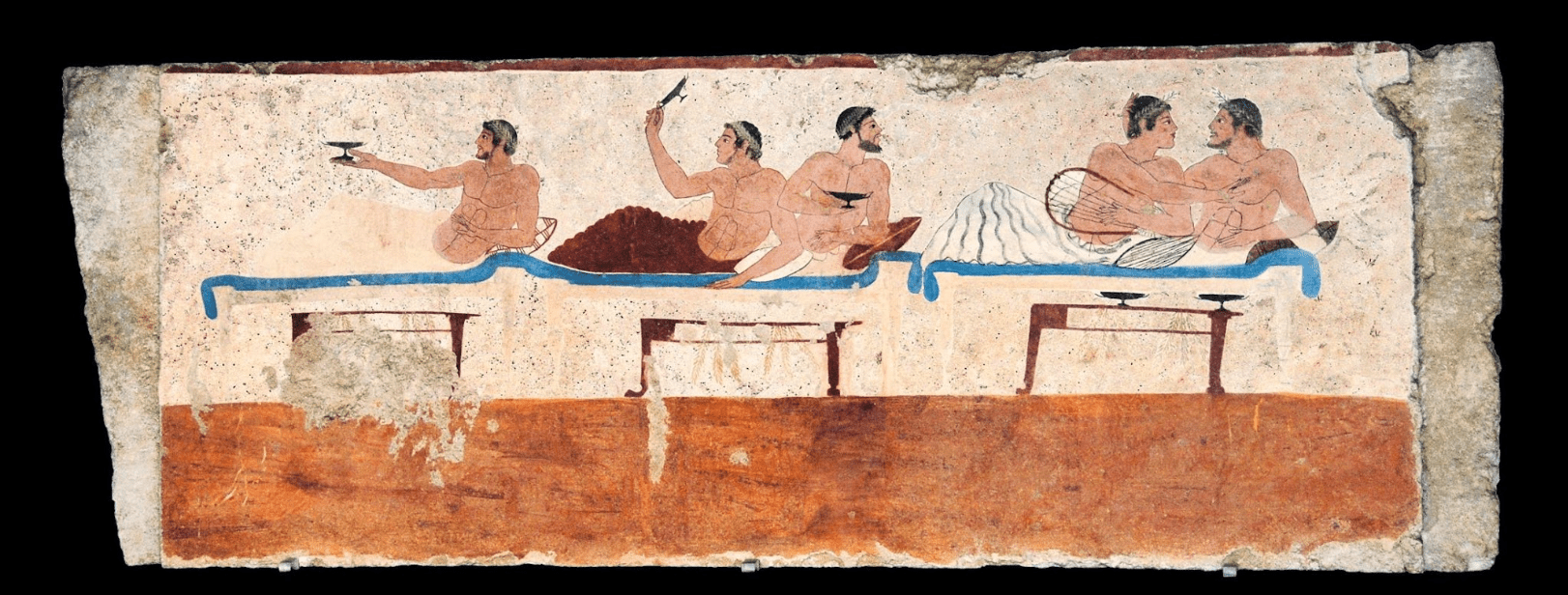 What aspect of ancient Greek social life is represented in this painting?
The symposium, an elite male drinking gathering associated with intellectual conversation, entertainment, and social relationships.
200
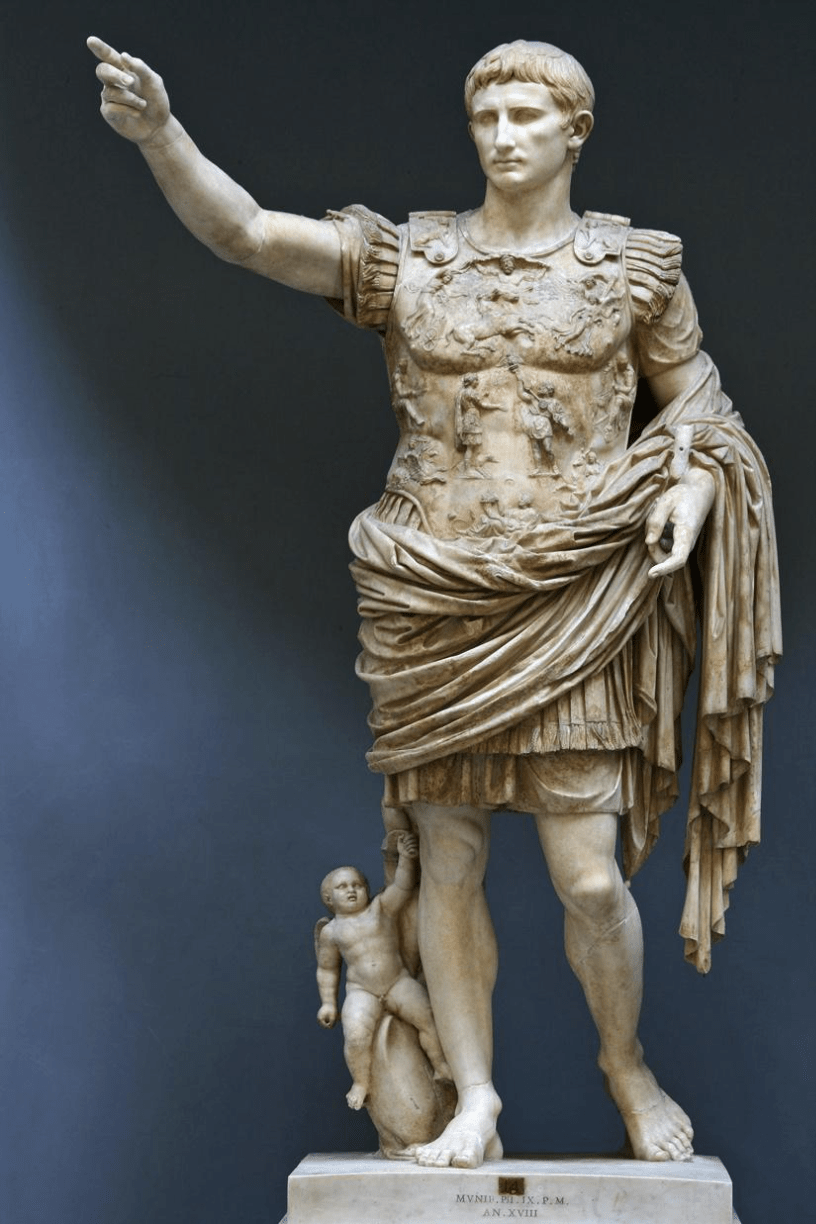
What term describes the representation of the human body according to an ideal of physical perfection rather than an individual's actual appearance? (100 Bonus points if you can identify the artwork)
Idealism
(Augustus of Prima Porta)
200
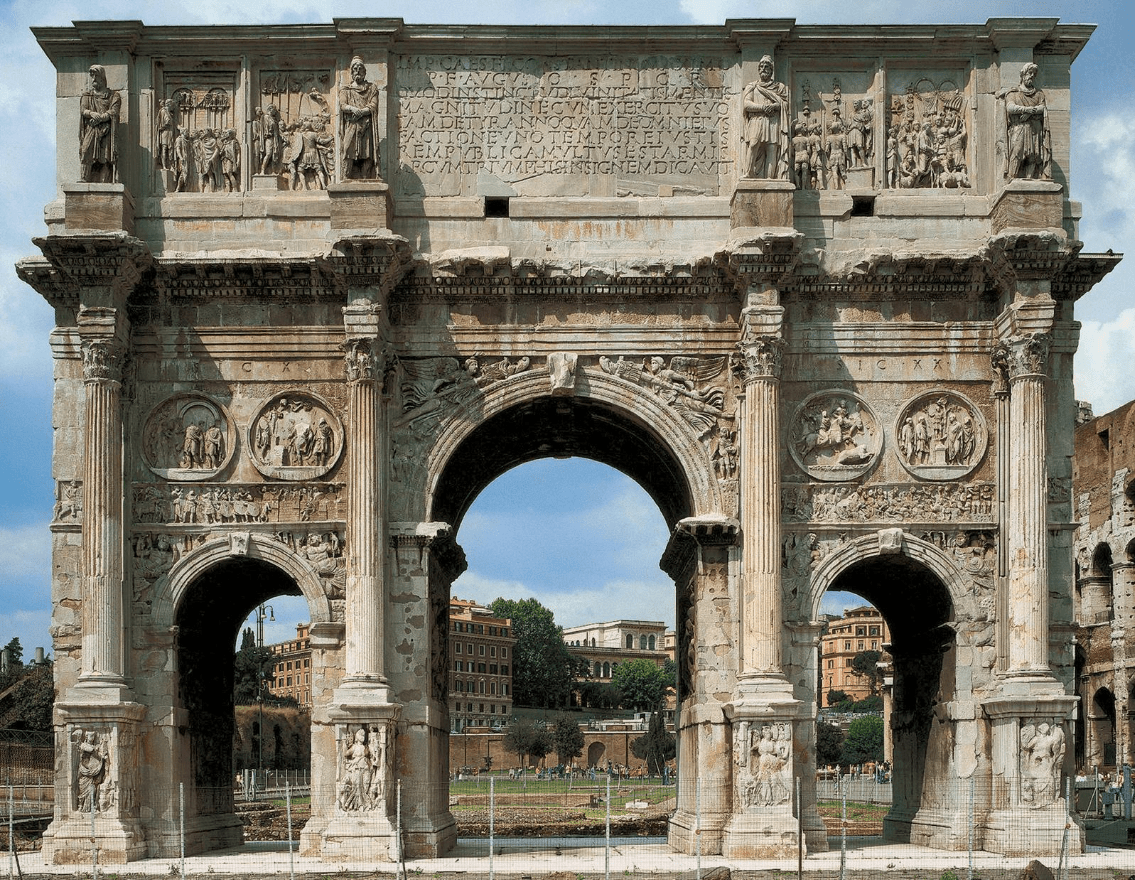
How does this monument use images of earlier emperors to communicate ideas about Constantine's authority?
(100 bonus points if you id the monument, location, and date)
By incorporating reliefs from earlier imperial monuments, it associates Constantine with their prestige and presents him as a legitimate successor to their authority.
300
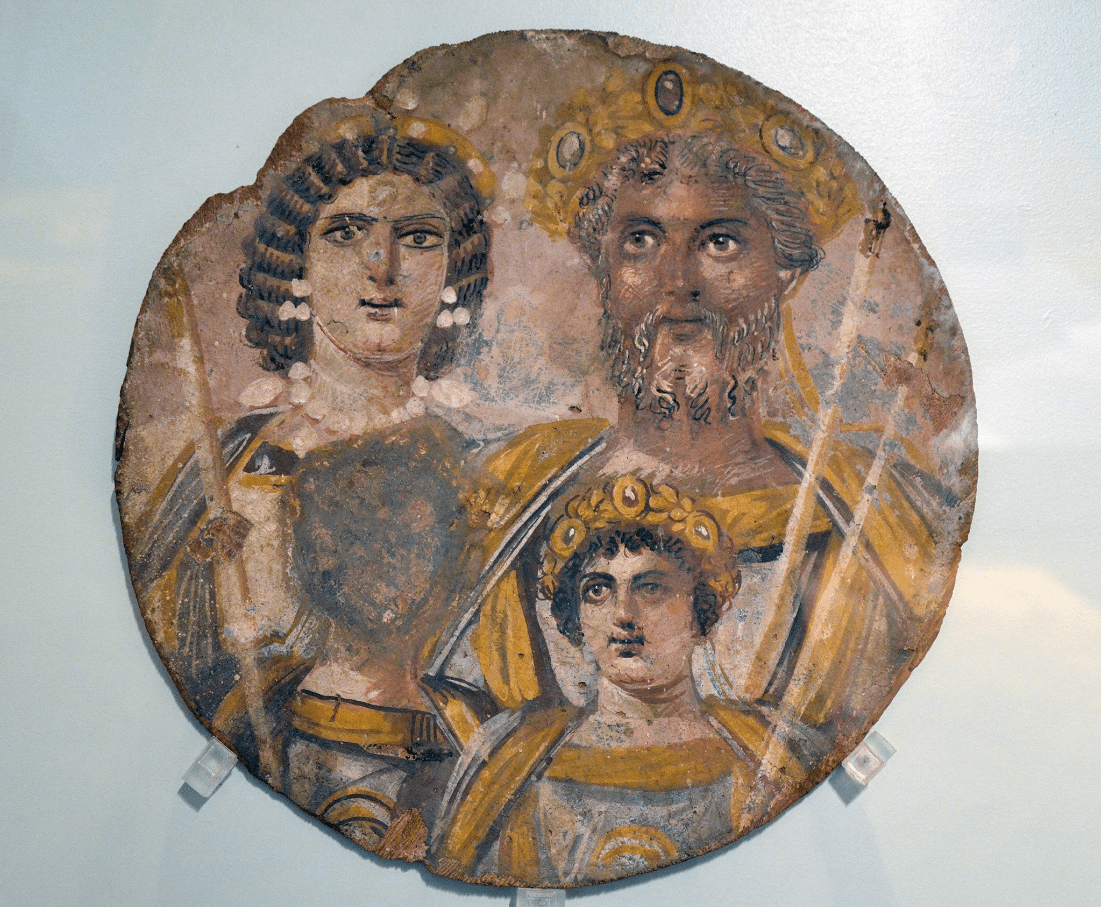 Identify this artwork by name, approximate date, cultural origin, and medium
Severan Tondo, c. 200 CE, Roman (likely produced in Egypt), tempera on wood.
300
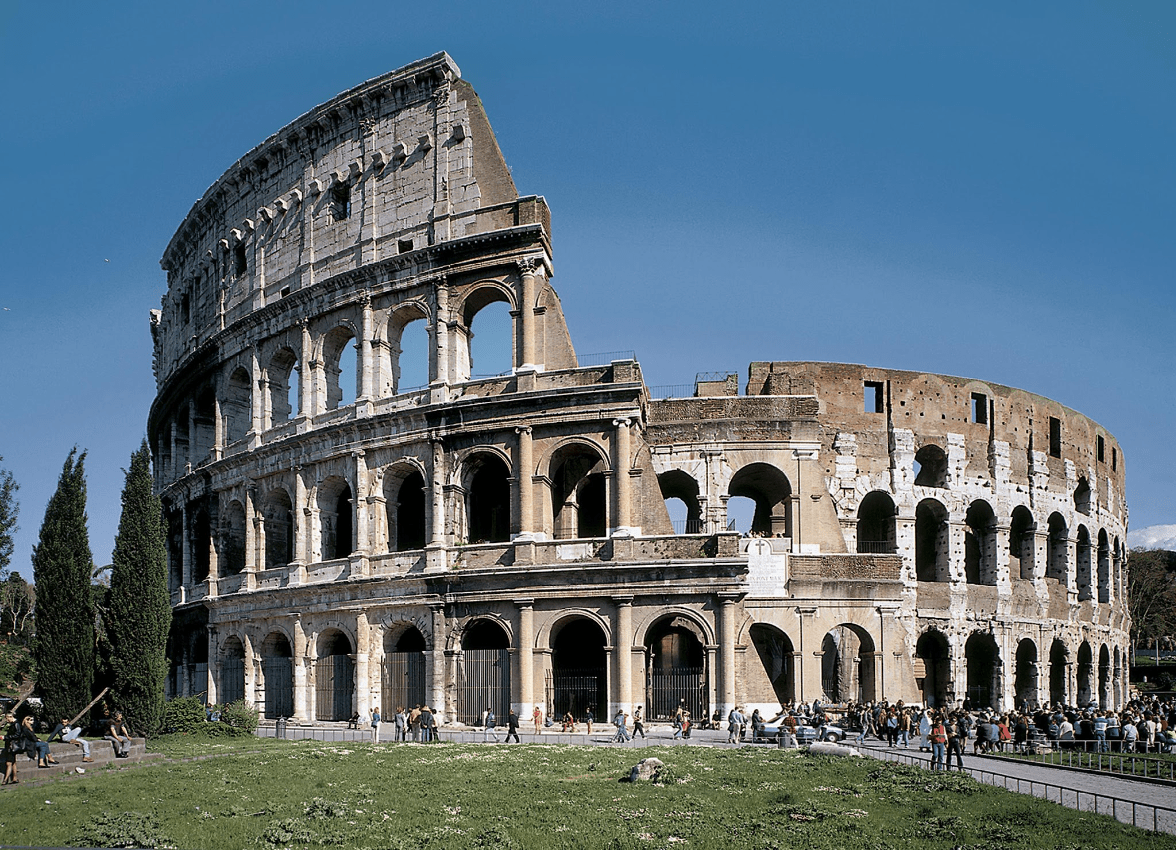
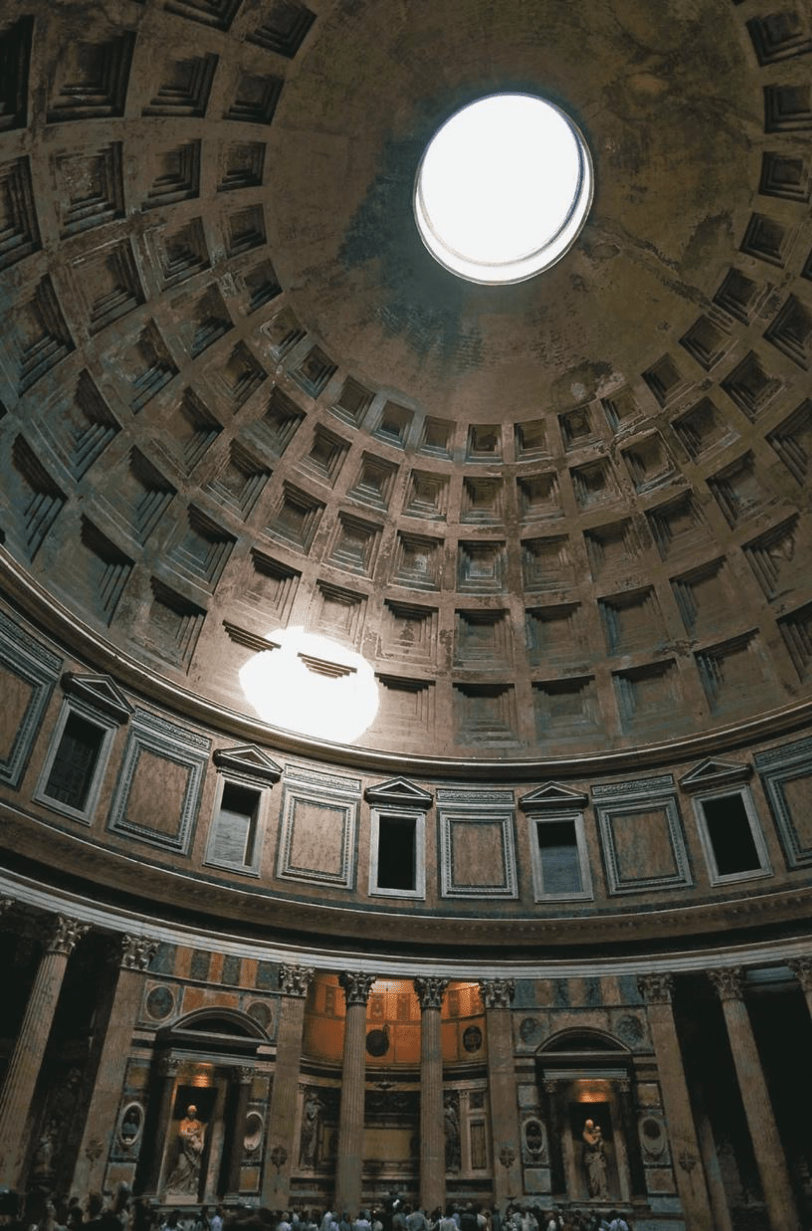
What Roman architectural innovations transformed architectural possibilities compared with earlier Greek building techniques?
Concrete and the extensive use of arches allowed Romans to construct larger, more complex buildings with expansive interior spaces. Concrete provided flexibility in construction, while arches helped distribute weight and support massive structures, enabling innovations such as vaults and domes.
300
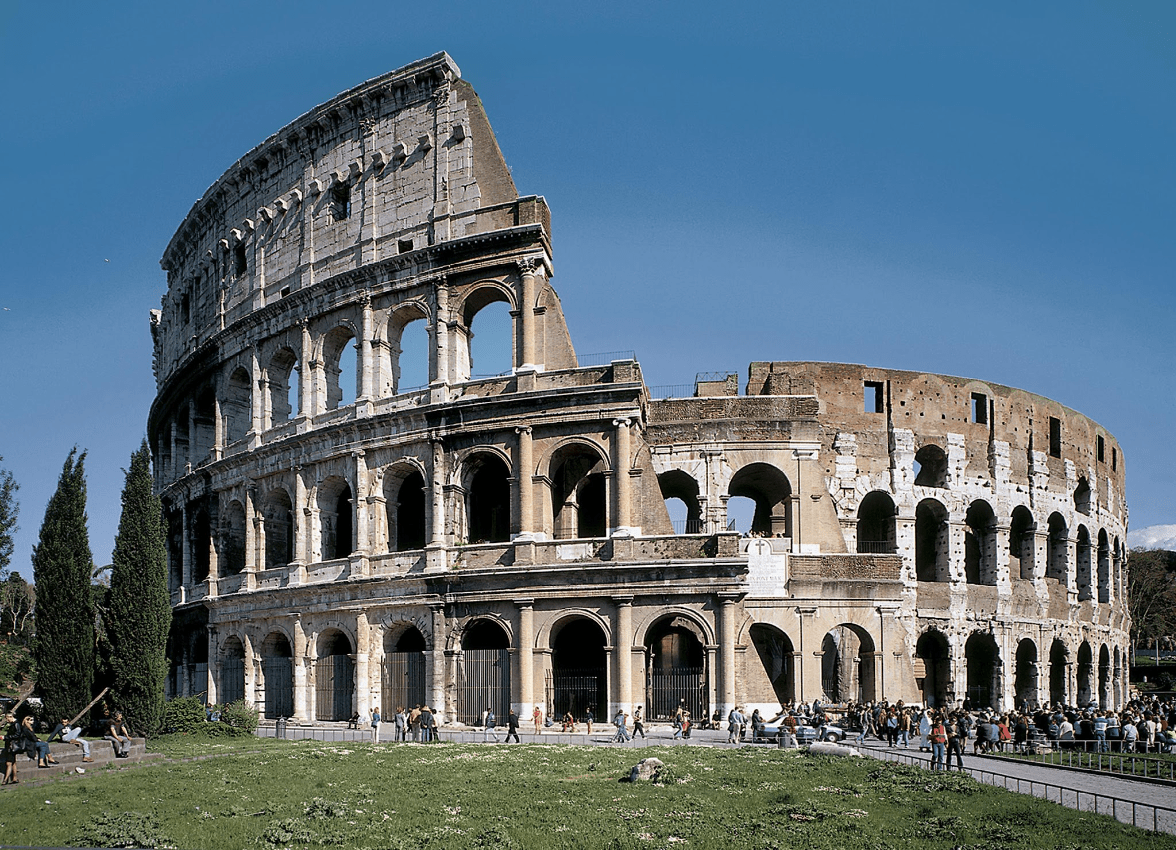
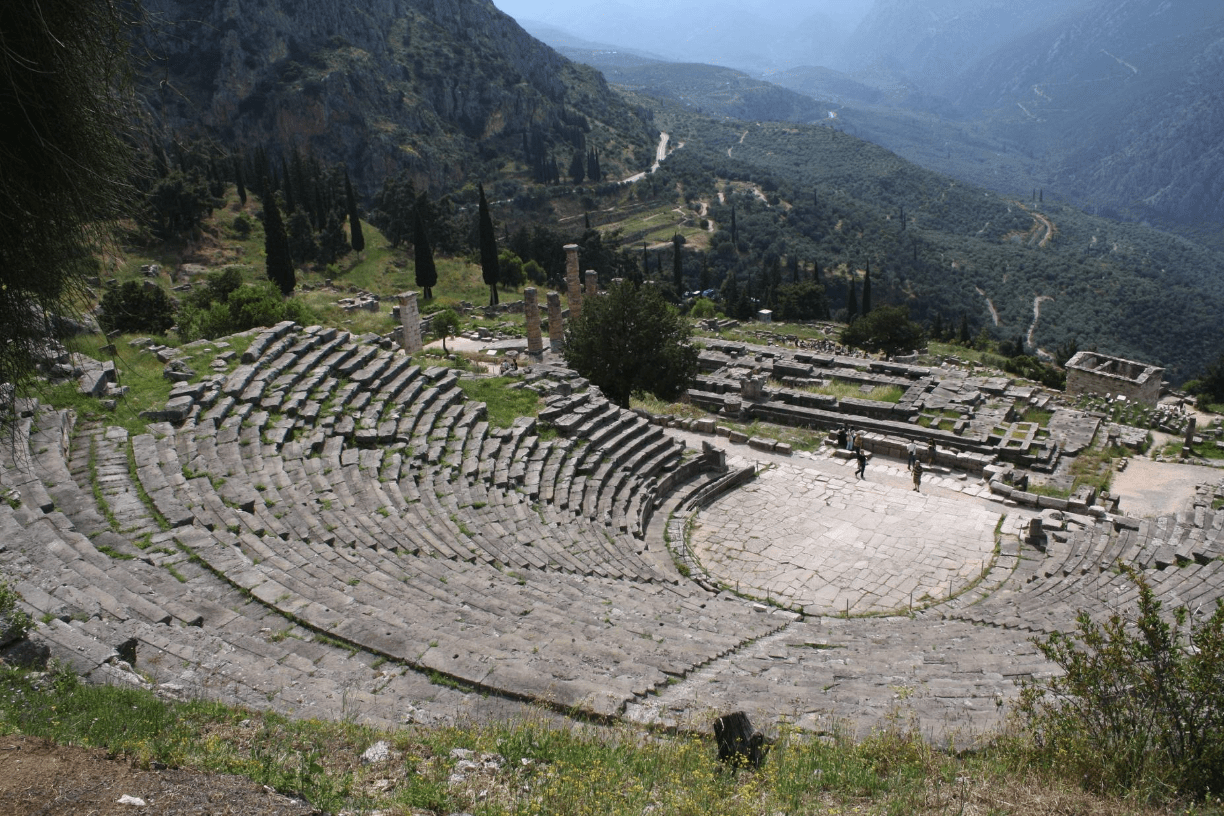
Both structures accommodated large audiences. What different kinds of performances or events were they designed to host?
Greek theater: dramatic performances and religious festivals. Colosseum: gladiatorial combat, animal hunts, and public spectacles.
300
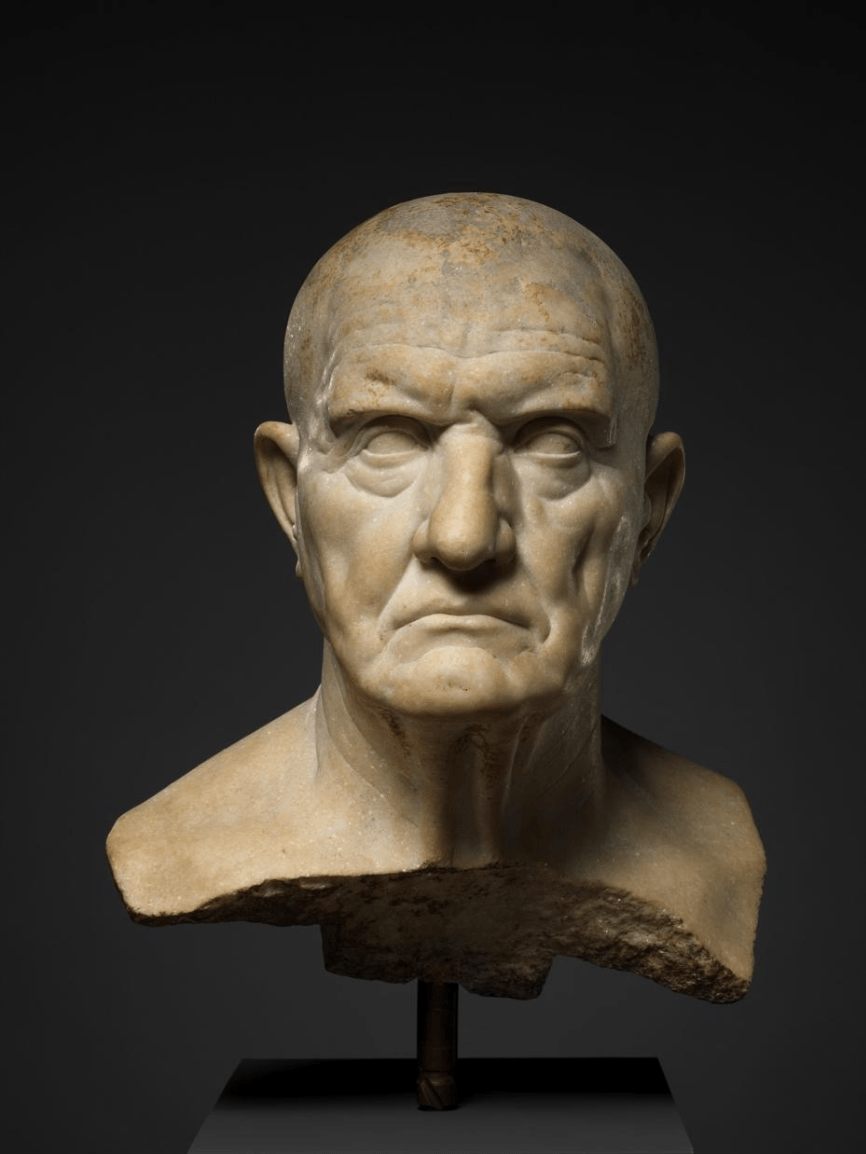
What term describes this approach to portraiture, which emphasizes realistic details such as wrinkles and signs of aging?
(100 bonus points if you can identify the artwork)
Verism
(Roman portrait bust of a patrician)
300
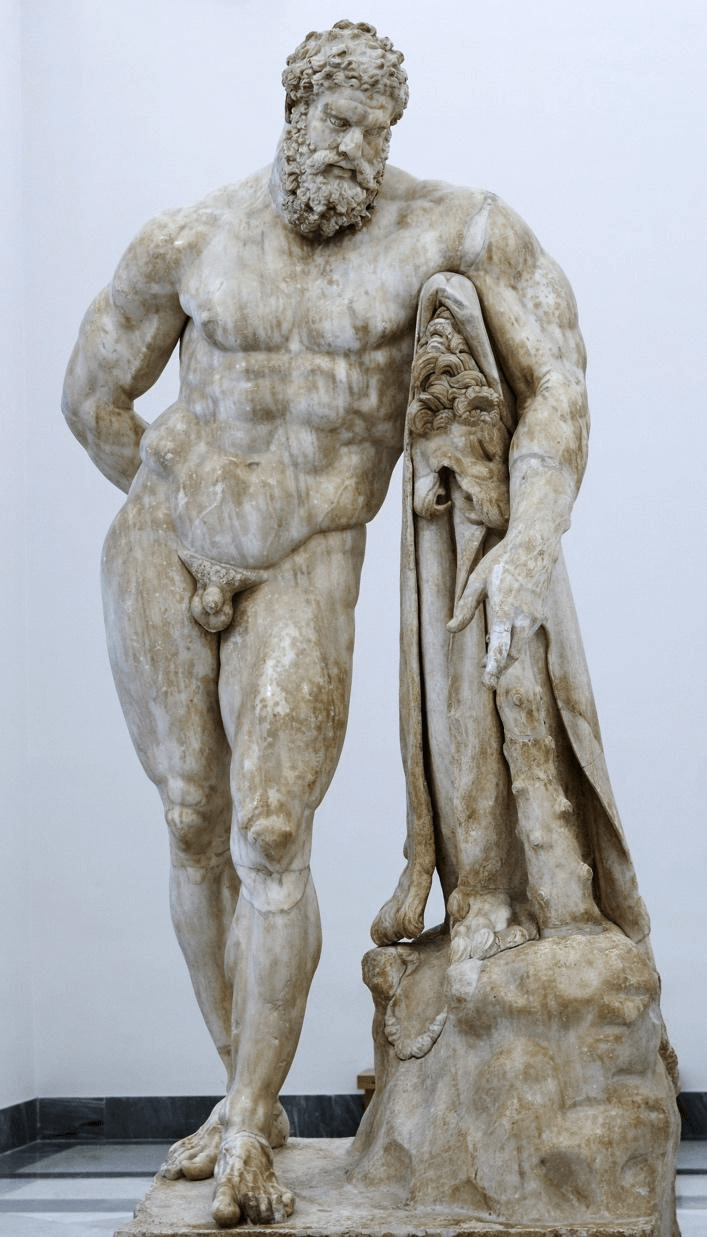
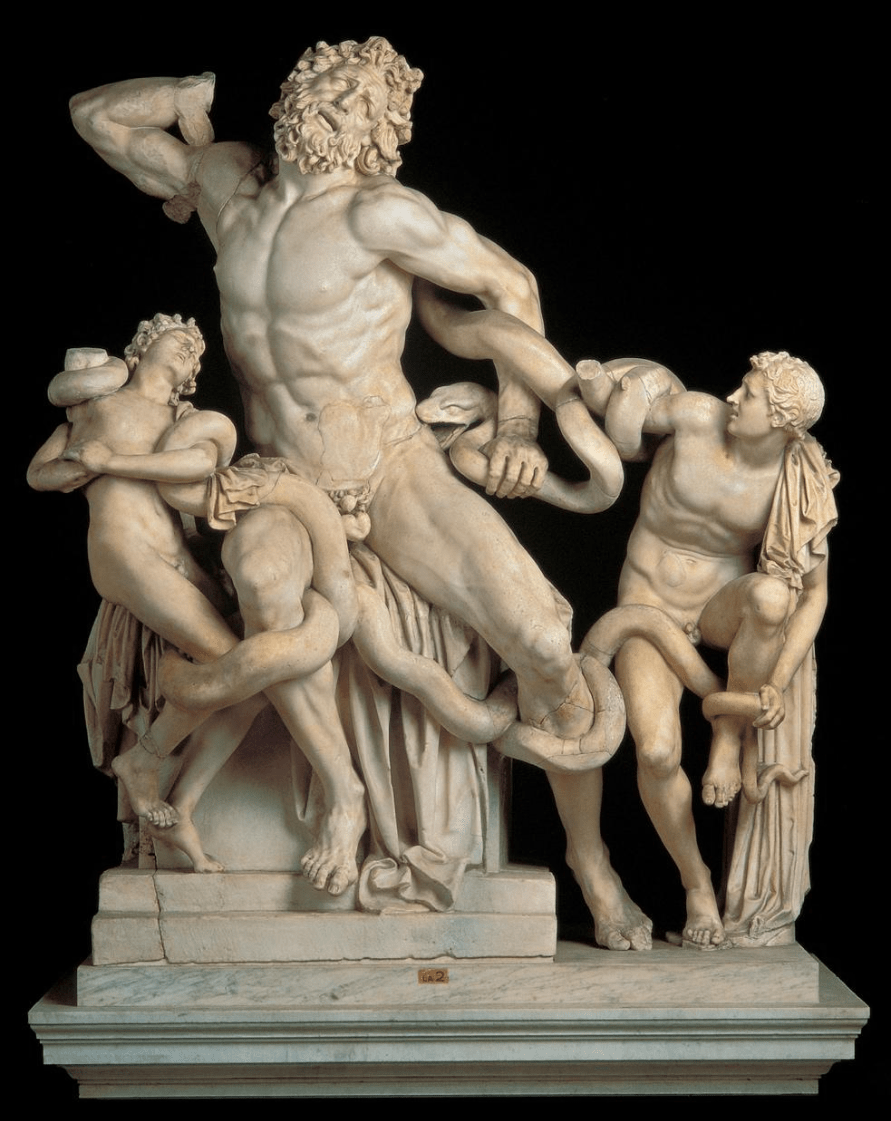 Both sculptures emphasize the strength of the human body. How do they differ in their representations of physical exertion?
Hercules is depicted resting after exertion, while Laocoön and his sons are actively struggling, with their bodies displaying tension and movement.
400
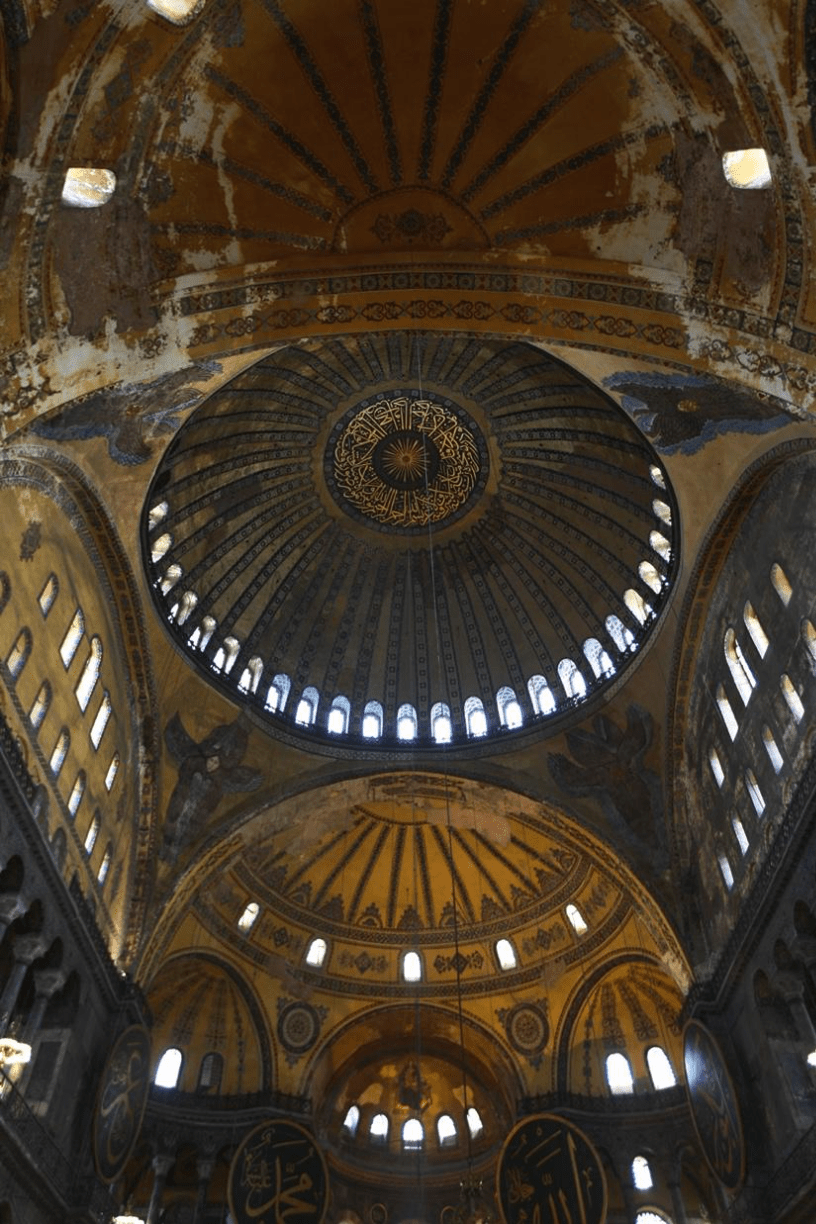
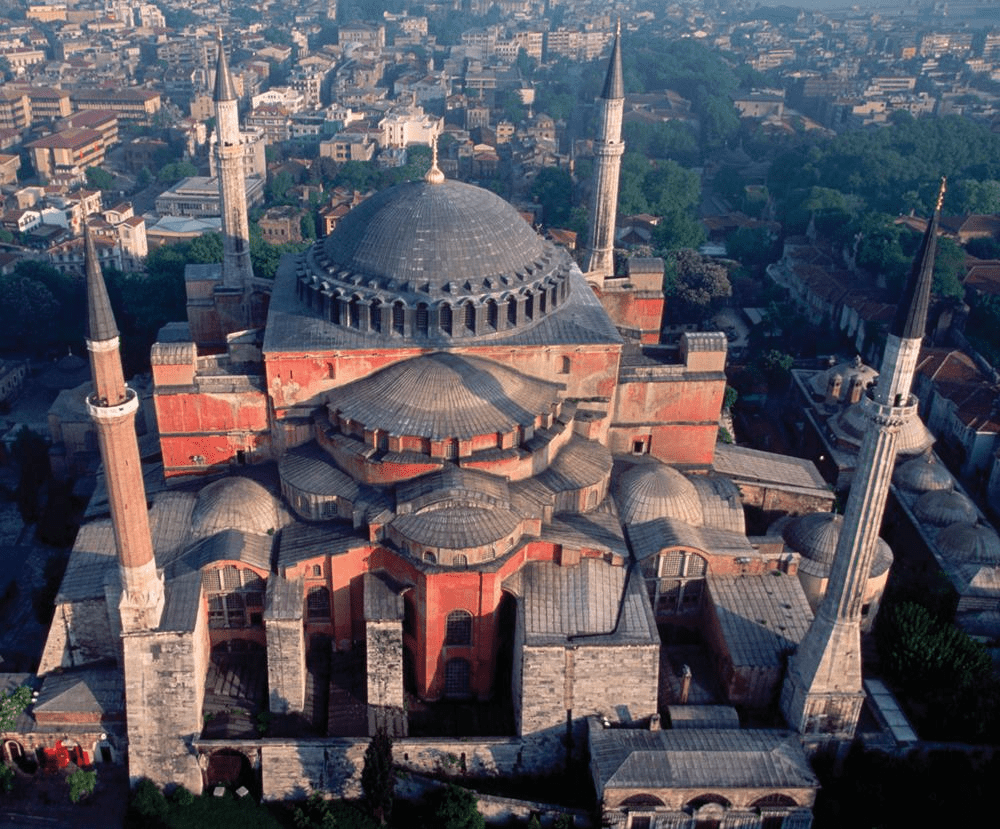
Hagia Sophia, Constantinople; 537 CE; Justinian I.
400
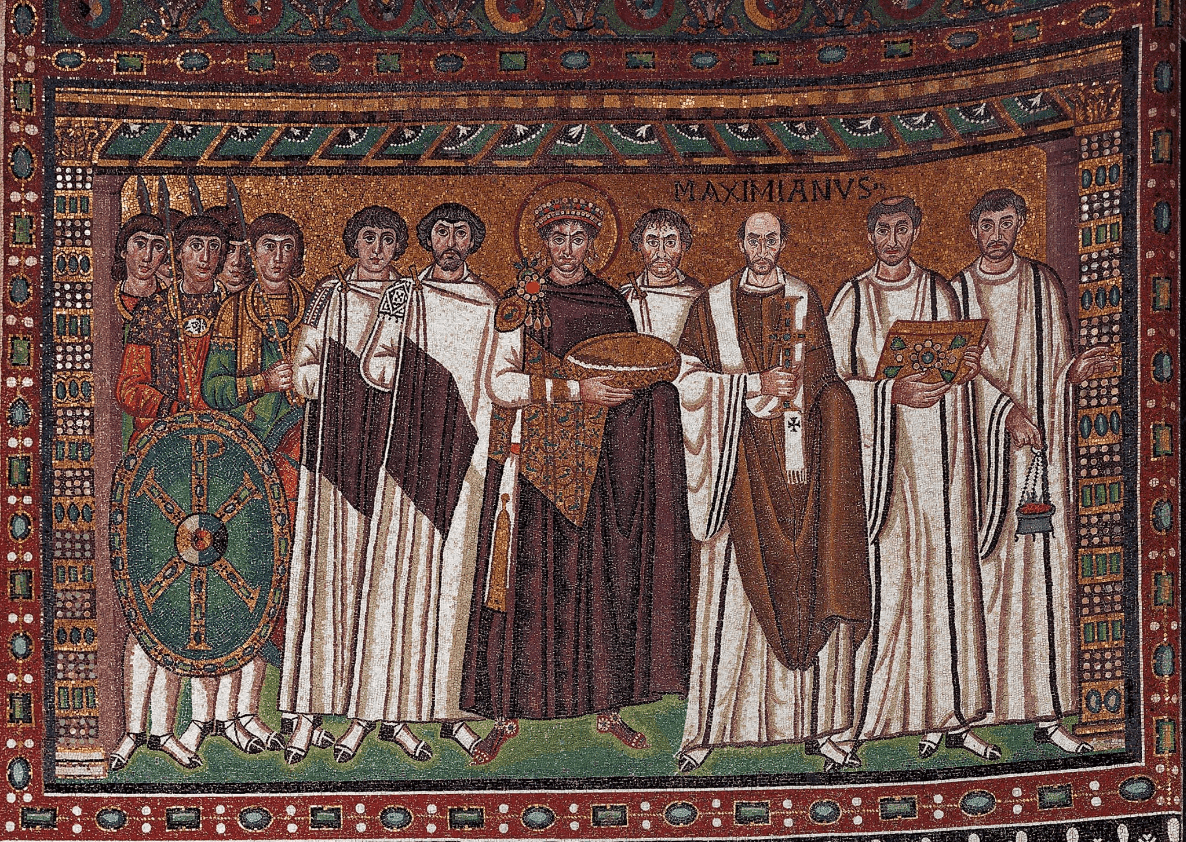
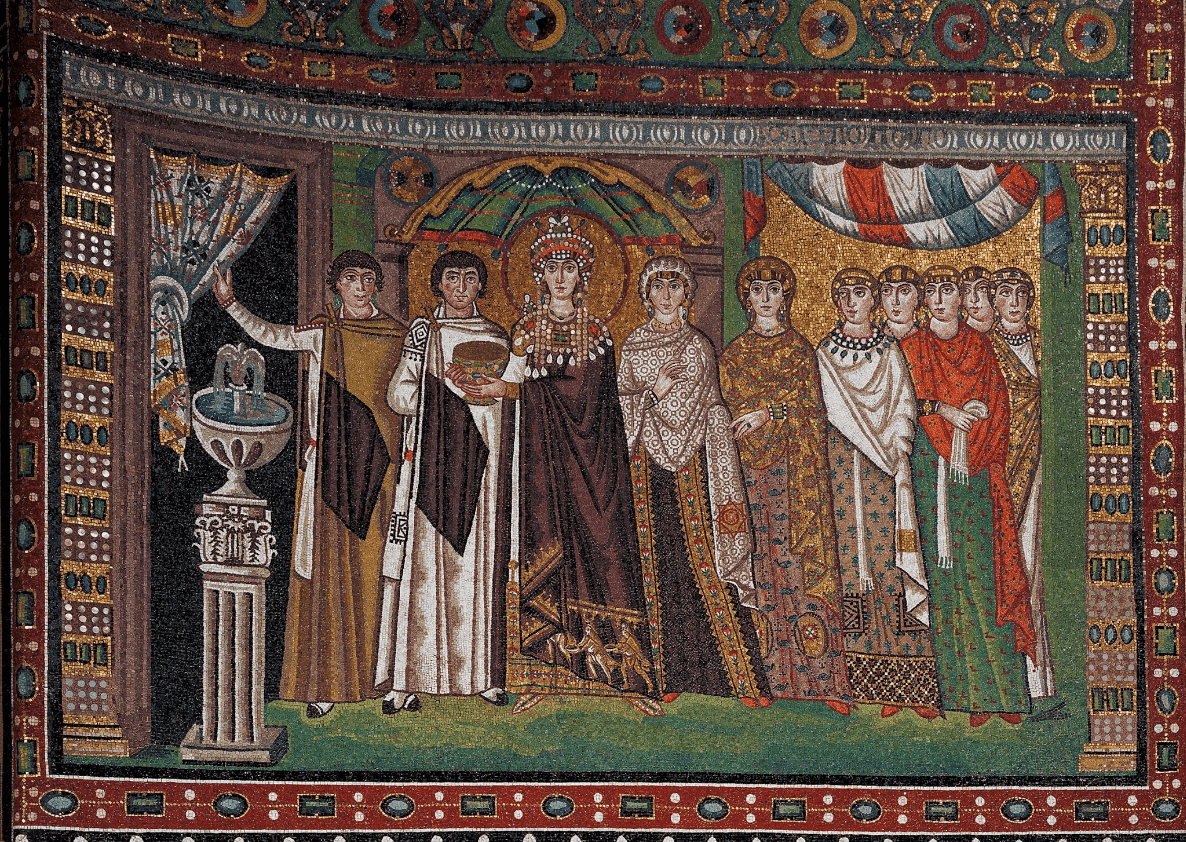
Who are the central figures in these images, and what is the significance of the objects they are holding?
(100 bonus points for identifying the building/location in which these images are found)
Emperor Justinian and Empress Theodora. They hold a paten and chalice used in the Eucharist, symbolizing their patronage of the Church and the connection between imperial authority and Christianity.
400
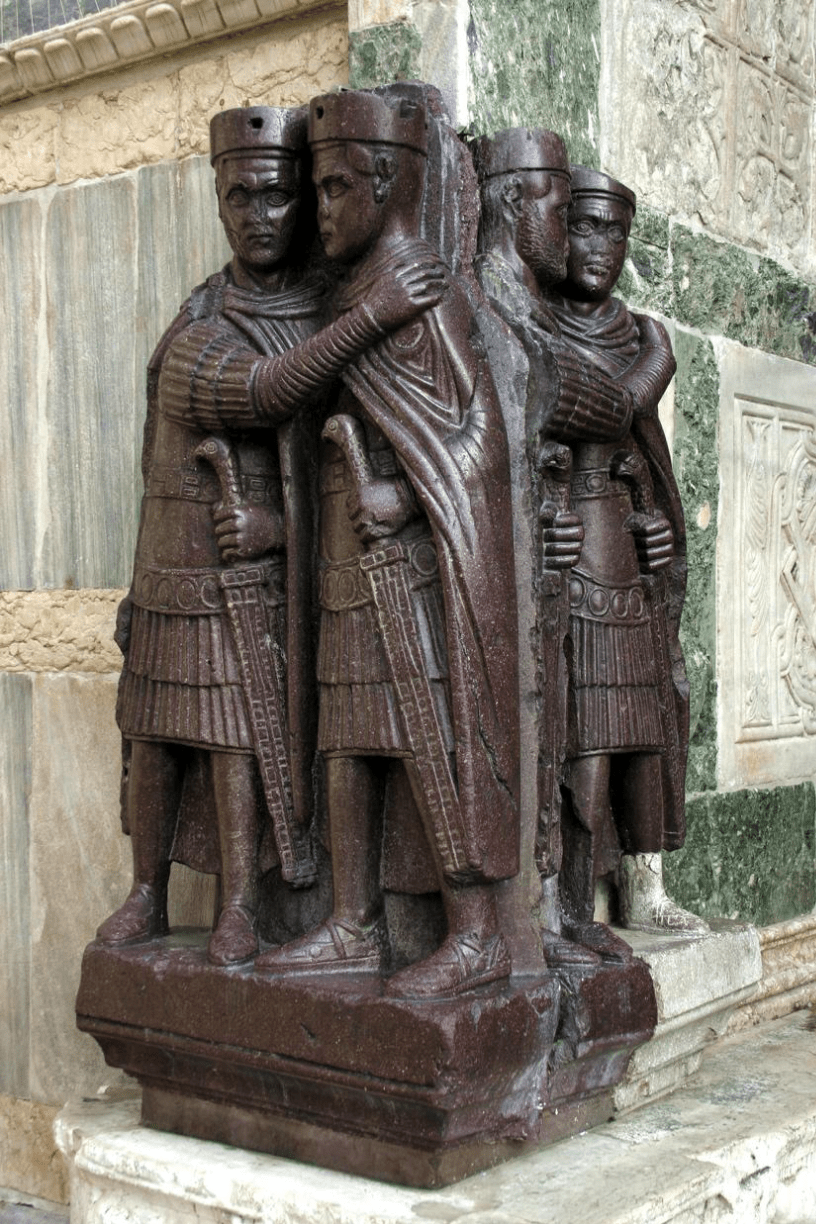
How does this sculpture of four rulers reflect the political organization of the Roman Empire at the time? (100 bonus points for naming the sculpture and date of creation)
The nearly identical figures and embracing gestures emphasize unity and shared imperial authority rather than individual distinction.
400
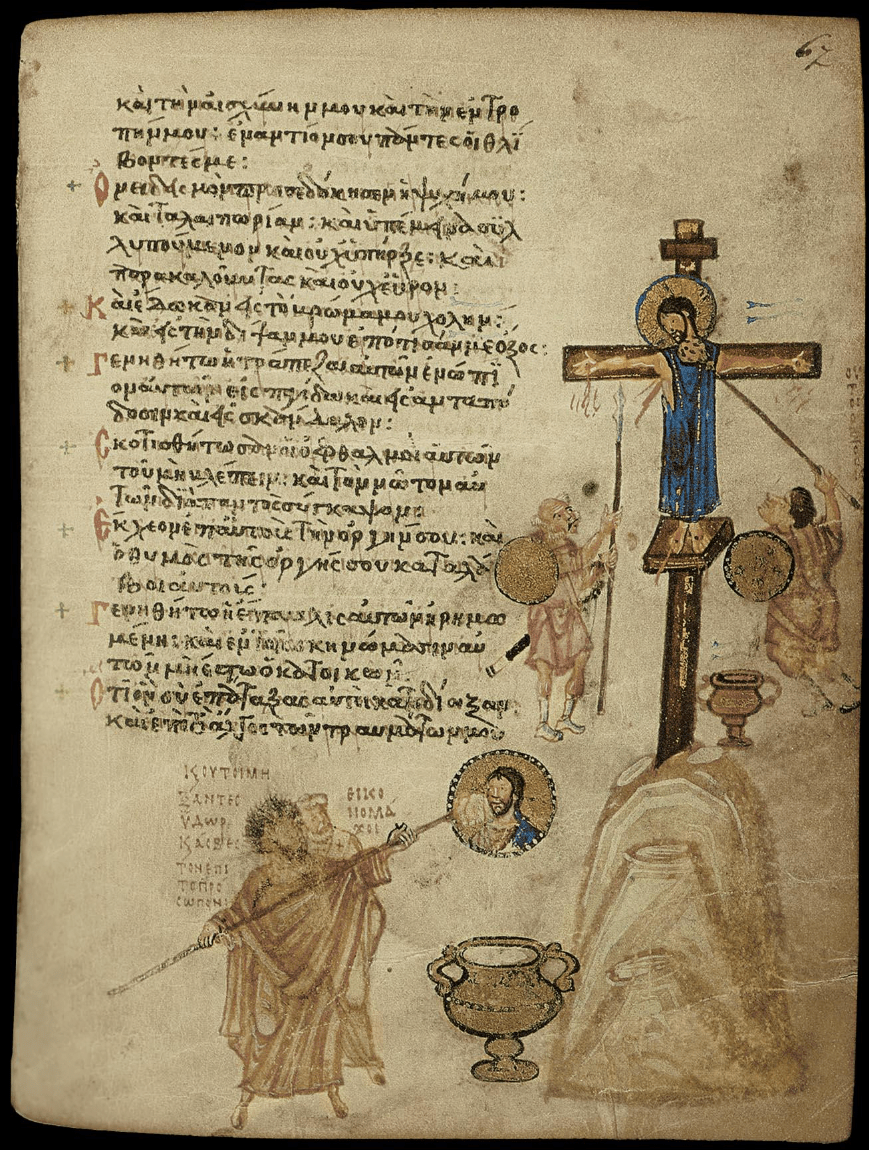
What term describes the deliberate destruction or removal of religious images, often motivated by objections to their use in worship?
Iconoclasm
400
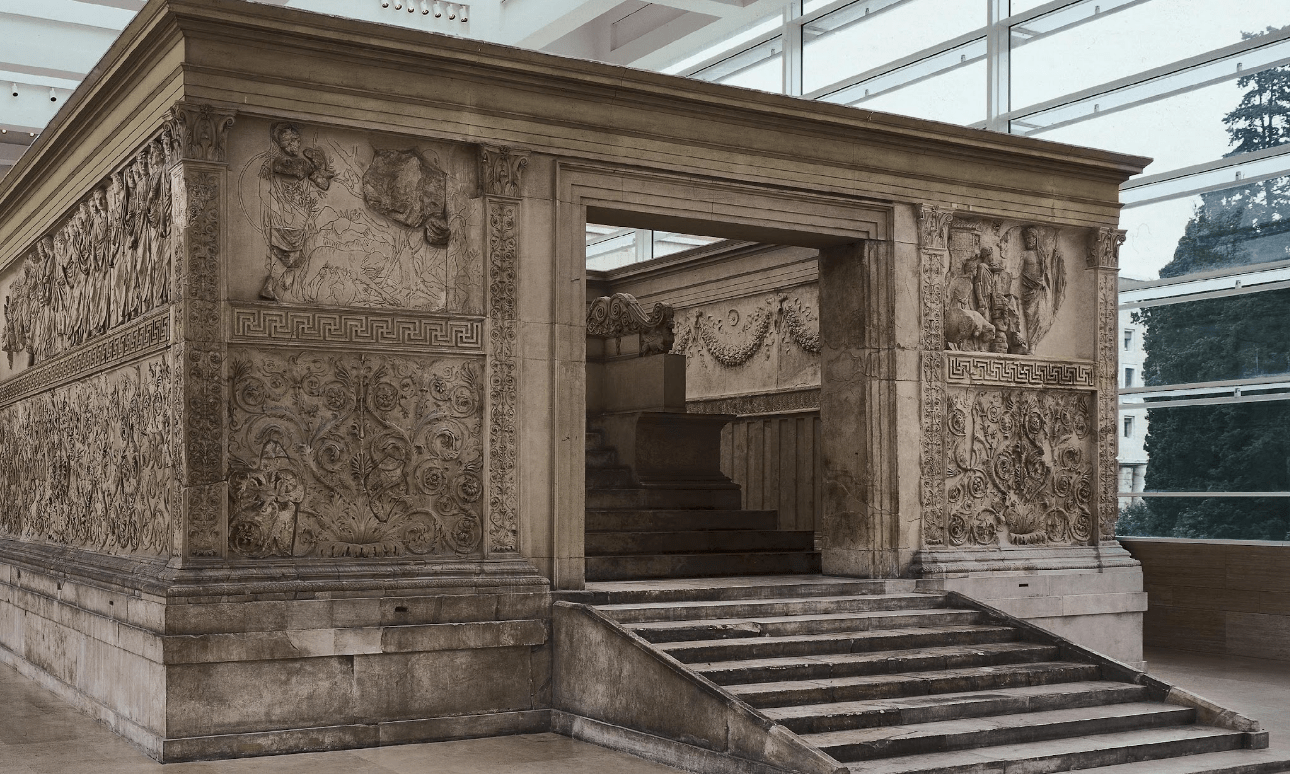
How does the imagery of this monument communicate the political ideals of Augustus's rule?
(100 bonus points for naming building and date)
The imagery of religious processions, fertility, and abundance promotes the ideals of Pax Romana, presenting Augustus as the bringer of peace and prosperity (achieved and maintained through Roman military conquest/ imperial expansion).
500
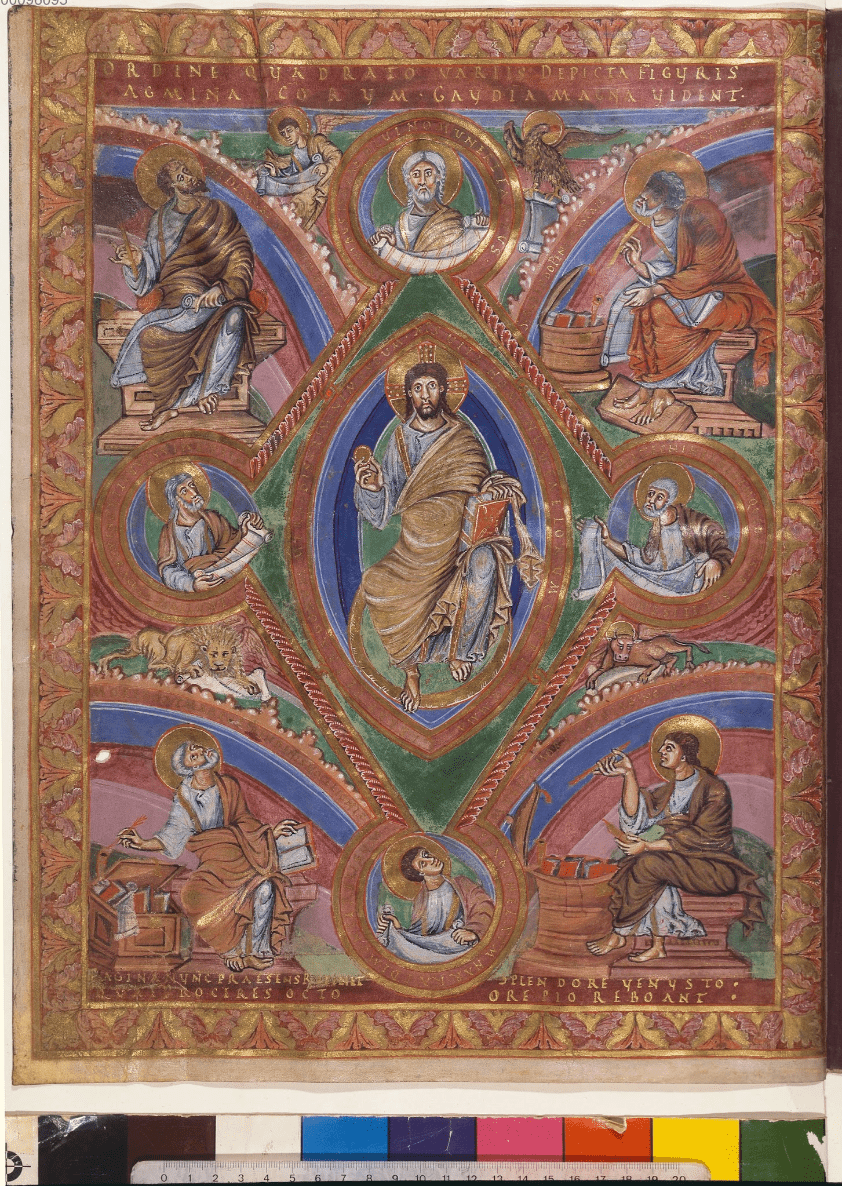 Identify the name of this manuscript, as well as the approximate date, culture, and court associated with its production
Codex Aureus of St. Emmeram
Carolingian; c. 870 CE; Charles the Bald.
500
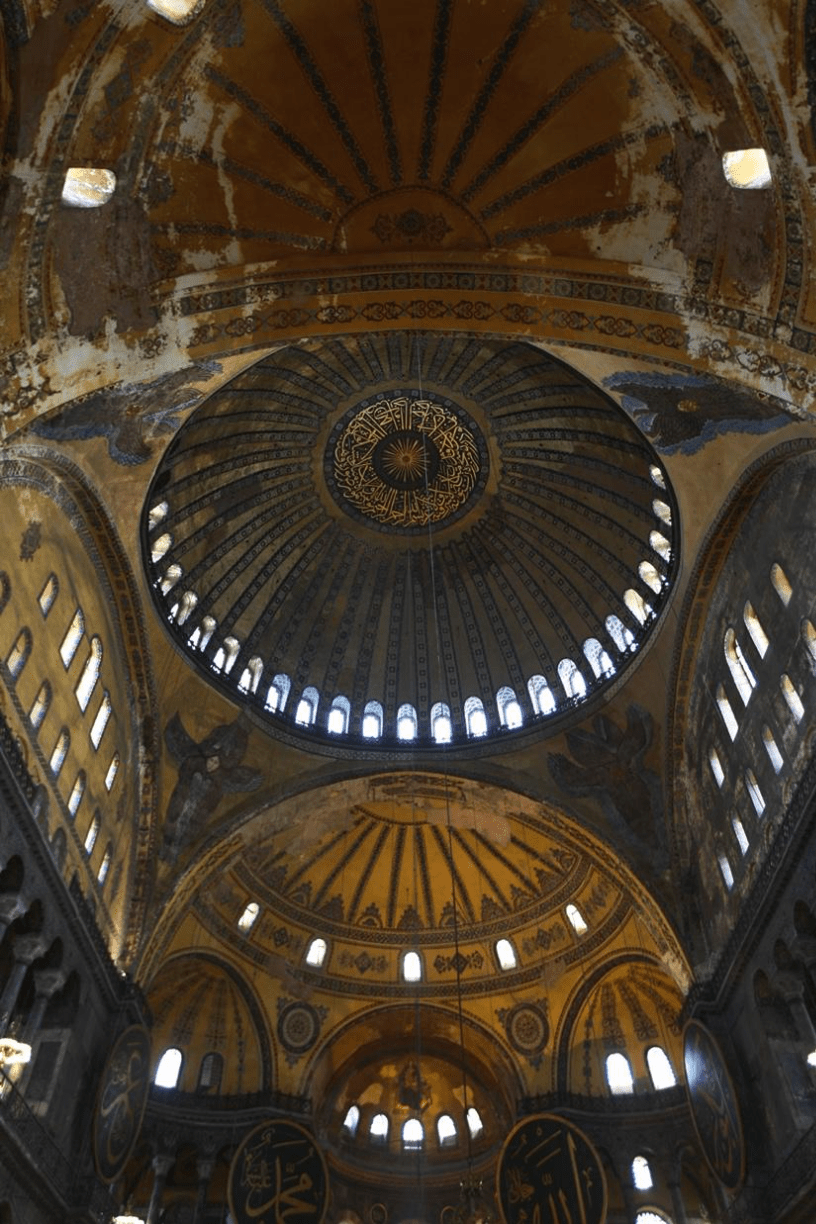
How does the building's architectural design create an impression of an enormous, open interior beneath its dome?
Pendentives support the central dome over a square space, half-domes extend the interior, and windows around the dome admit light that makes it appear to float.
500
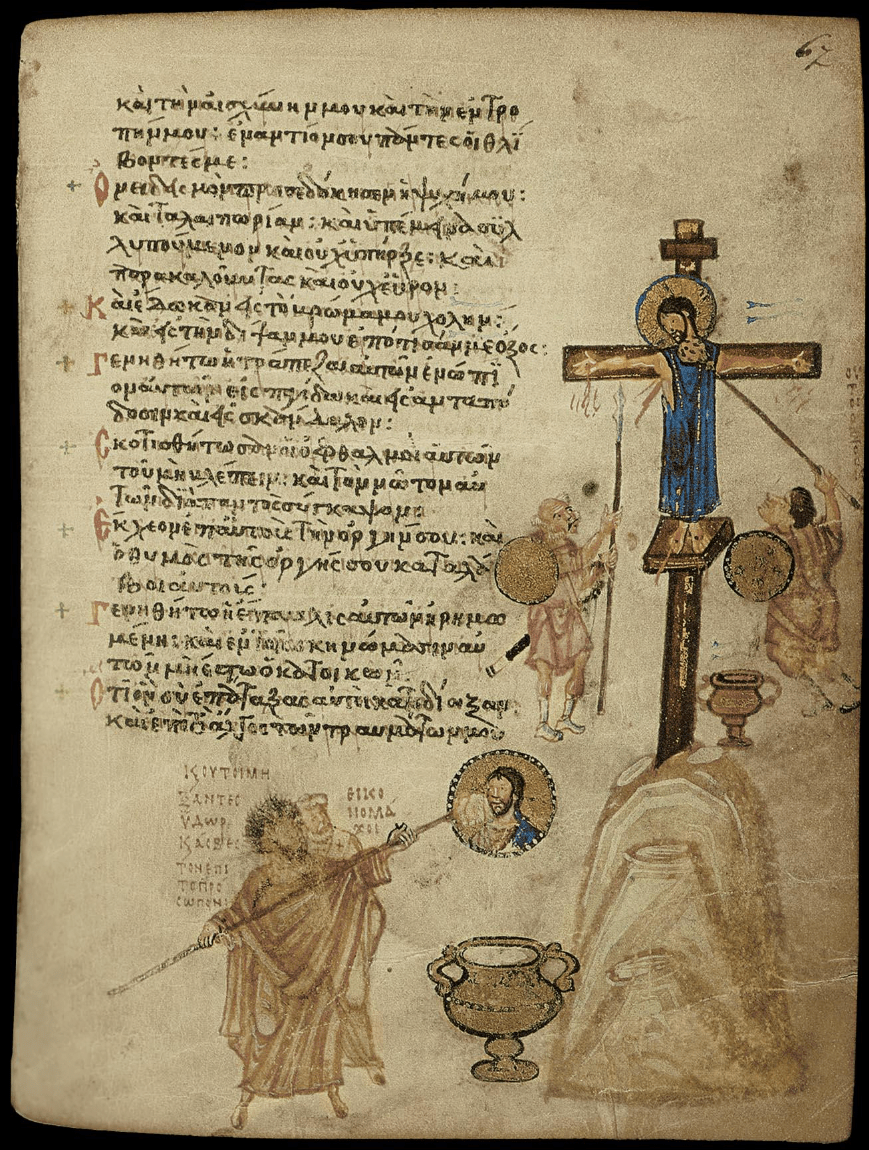
What religious controversy is addressed by this image, and what were the opposing positions?
(100 bonus points if you can id the artwork)
Byzantine iconoclasm; iconoclasts opposed religious images and their veneration, while iconophiles defended their use and veneration.
500
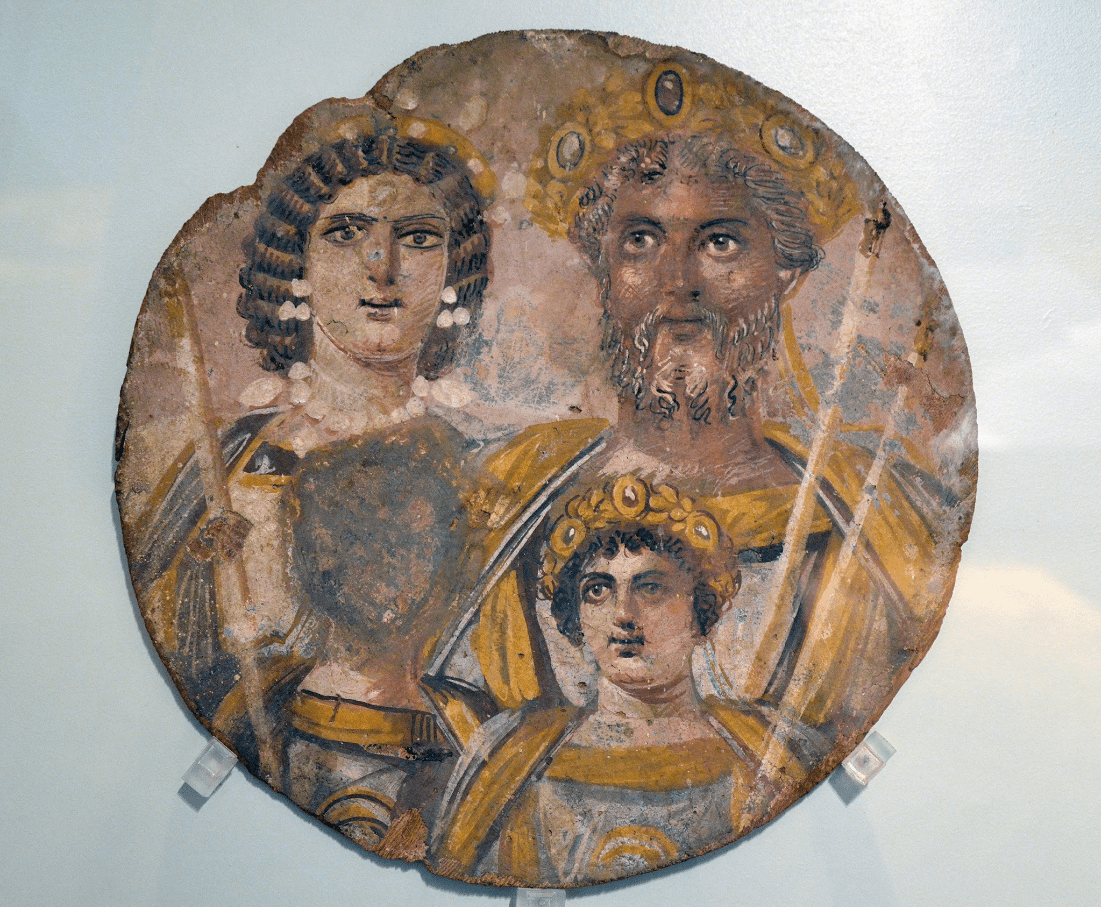
What phrase (not a word) describes the deliberate condemnation of an individual's public memory, as illustrated by the alteration of this painting?
Damnatio memoriae or "damnation of memory"
500
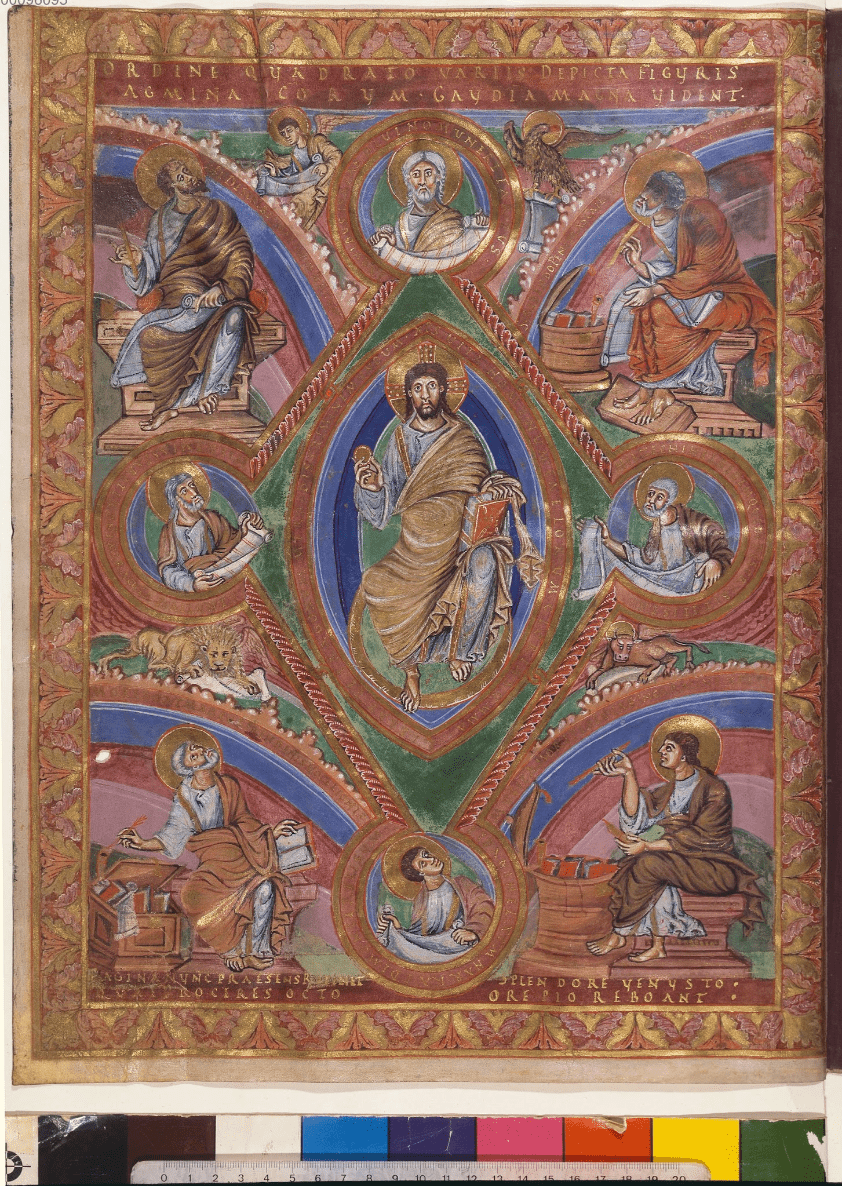
How does the imagery and decoration of this manuscript page serve both religious and political purposes?
It evokes divine splendor while simultaneously glorifying Christ and reinforcing the authority and prestige of the Carolingian ruler.