Shape, Mass and Space
Color Terms
Perspective
Design Terms
Evaluating Art
100
The area within the outline of an object or figure.
Shape
100
This famous British Scientist discovered that white light when passed through a prism separates into bands of color.
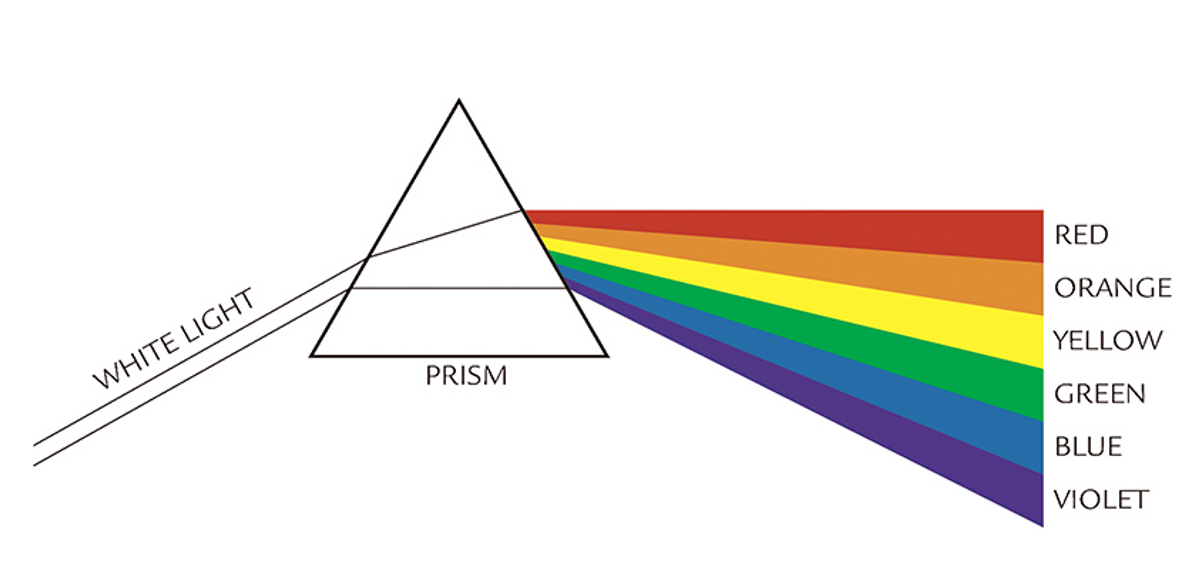
Sir Isaac Newton
100
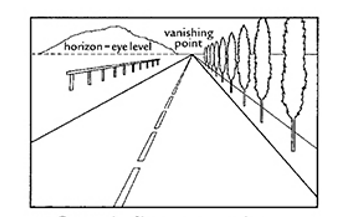
The perspective system that depicts otherwise parallel lines as converging at a point on the horizon line.
Linear Perspective
100
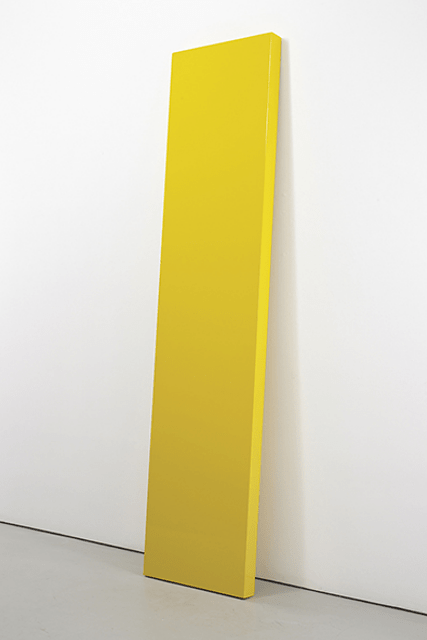
The concept that depicts the appearance of oneness, the opposite of variety.
Unity
100
Discriminating judgements both favorable and unfavorable of a work of art.
Art Criticism
200
These shapes are typically curving, rounded and irregular.
Organic
200
The term that refers to a particular wavelength of spectral color.
Hue
200
An imaginary plane that exists at the height of the artist's or viewer's eye.
Eye Level
200
In painting, photography and other arts this term is used to describe the organization of elements within the picture plane, synonymous with design.
Composition
200
The alteration or removal from public view of works of art.
Censorship
300
These background shapes are created by the dominant shapes of the "figures".
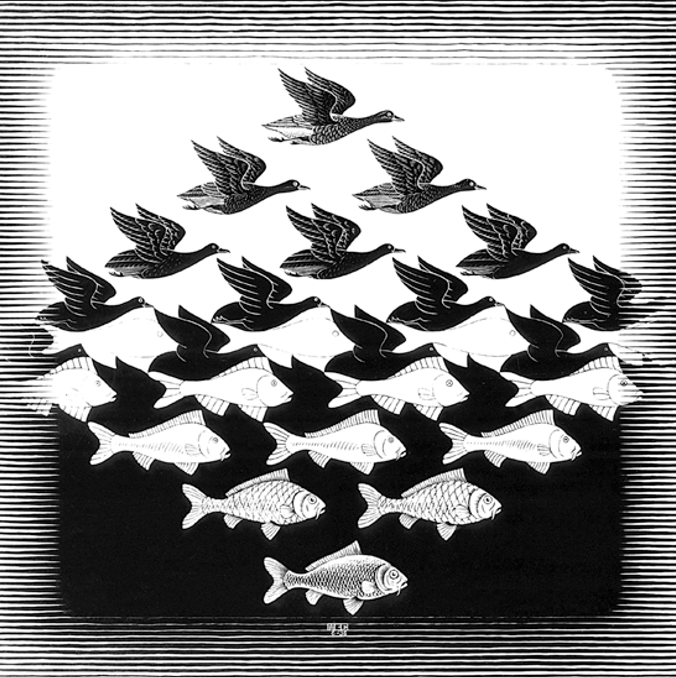
Negative Shapes
300
A color scheme based on colors that are adjacent on the color wheel.
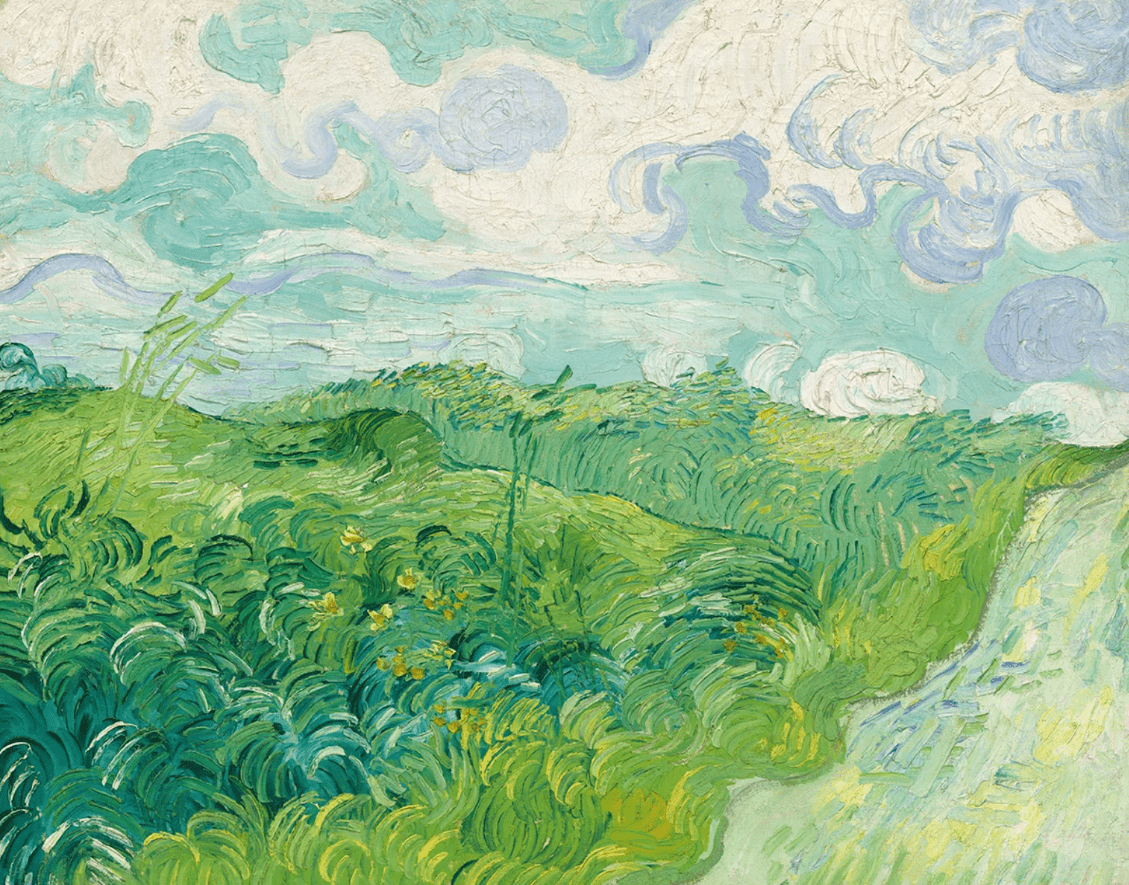
Analogous
300
A nonlinear means of depicting the illusion of space via changes in detail and color.
Atmospheric (Aerial) Perspective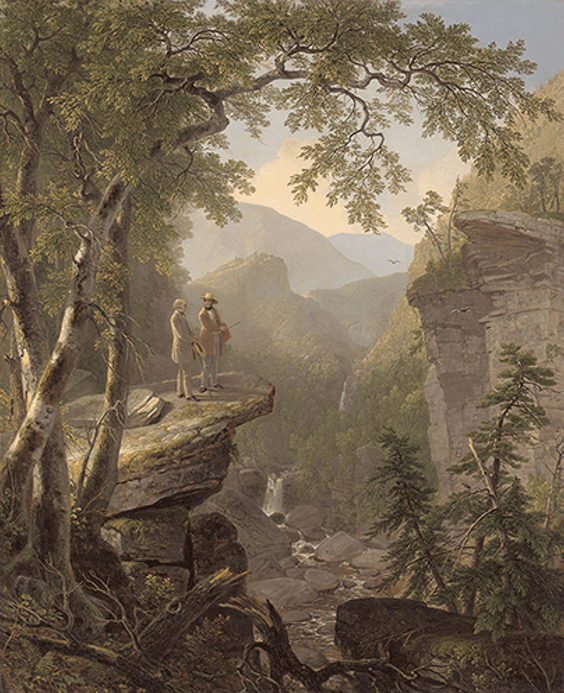
300
Artists create these to draw our attention to a spot or figure in their work.
A Focal Point
300
When we focus on how a work is made and the way that parts of the composition come together we are employing this sort of critique.
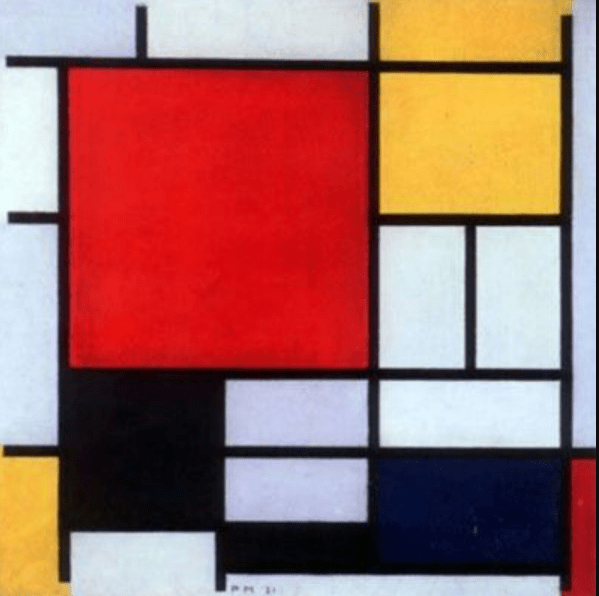
Formal Theory/Criticism (Formalism)
400
When mass in a sculpture (or other 3-D work) actually encloses space it creates this concept.
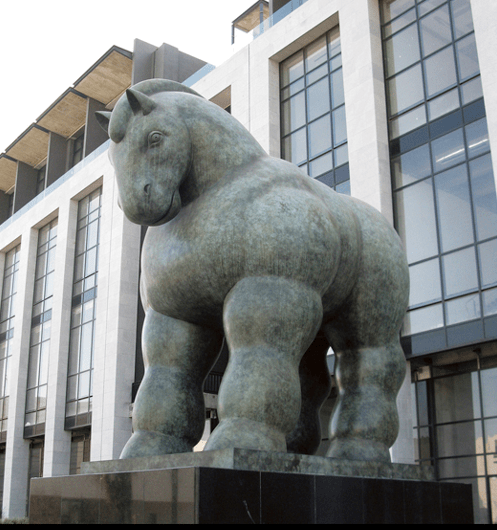
Volume
400
The mixture of two primary colors produces these colors.
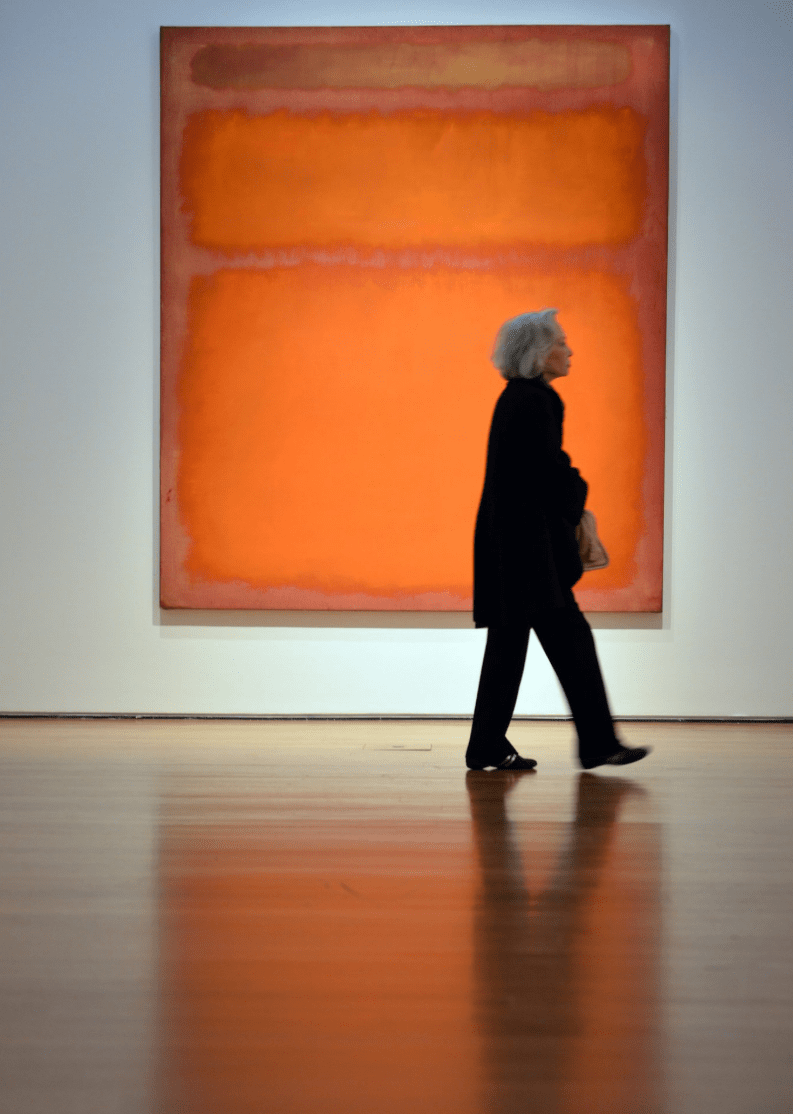
Secondary Hues
400
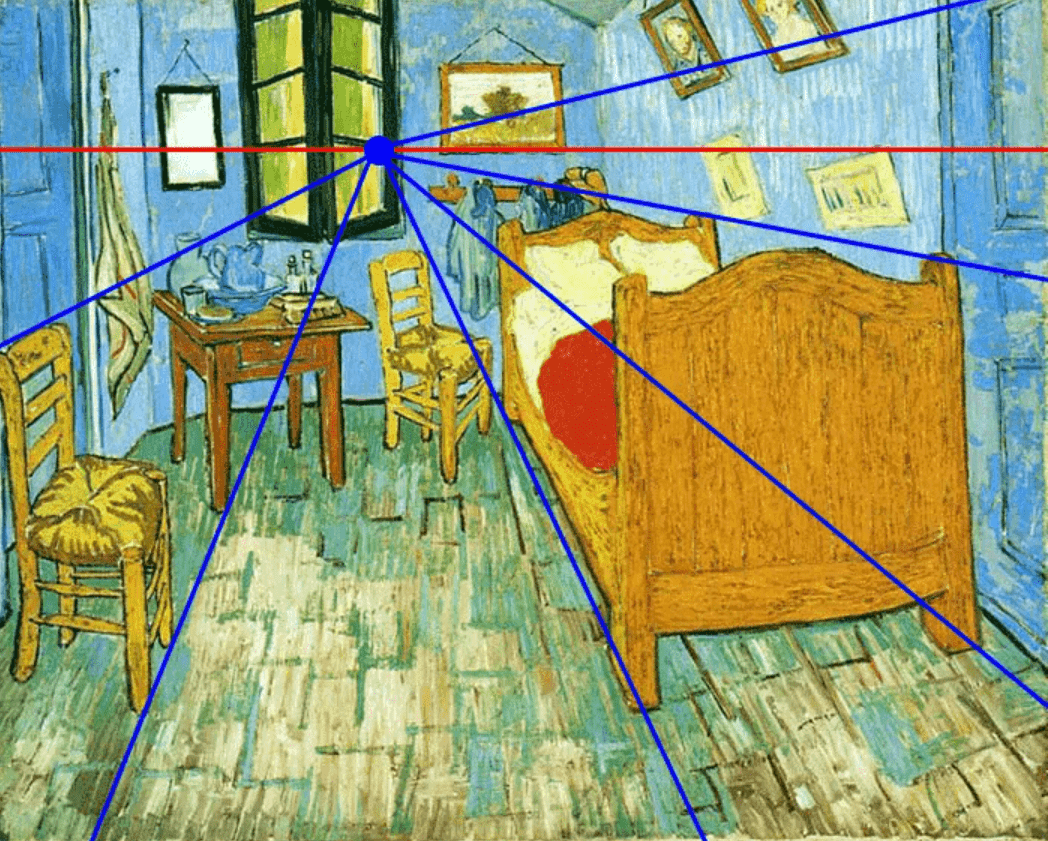
The spot on the horizon line where converging lines meet.
Vanishing Point
400
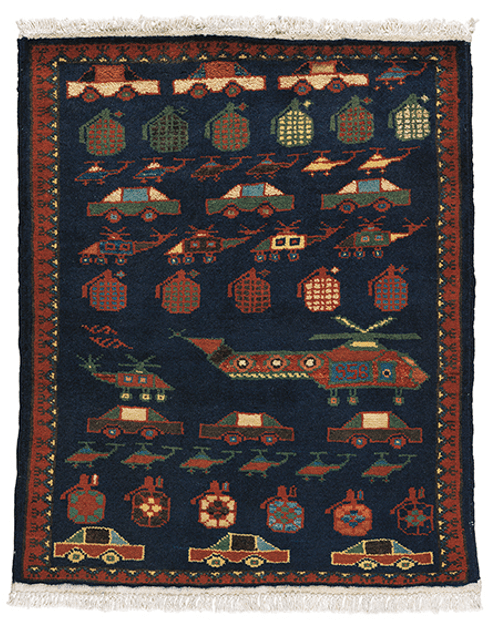
An all-over design created by repetitive ordering of elements and shapes.
Pattern
400
Artist-centered criticism that focuses on mindset, emotional state, gender and other social frameworks and consequently, how they inform the art.
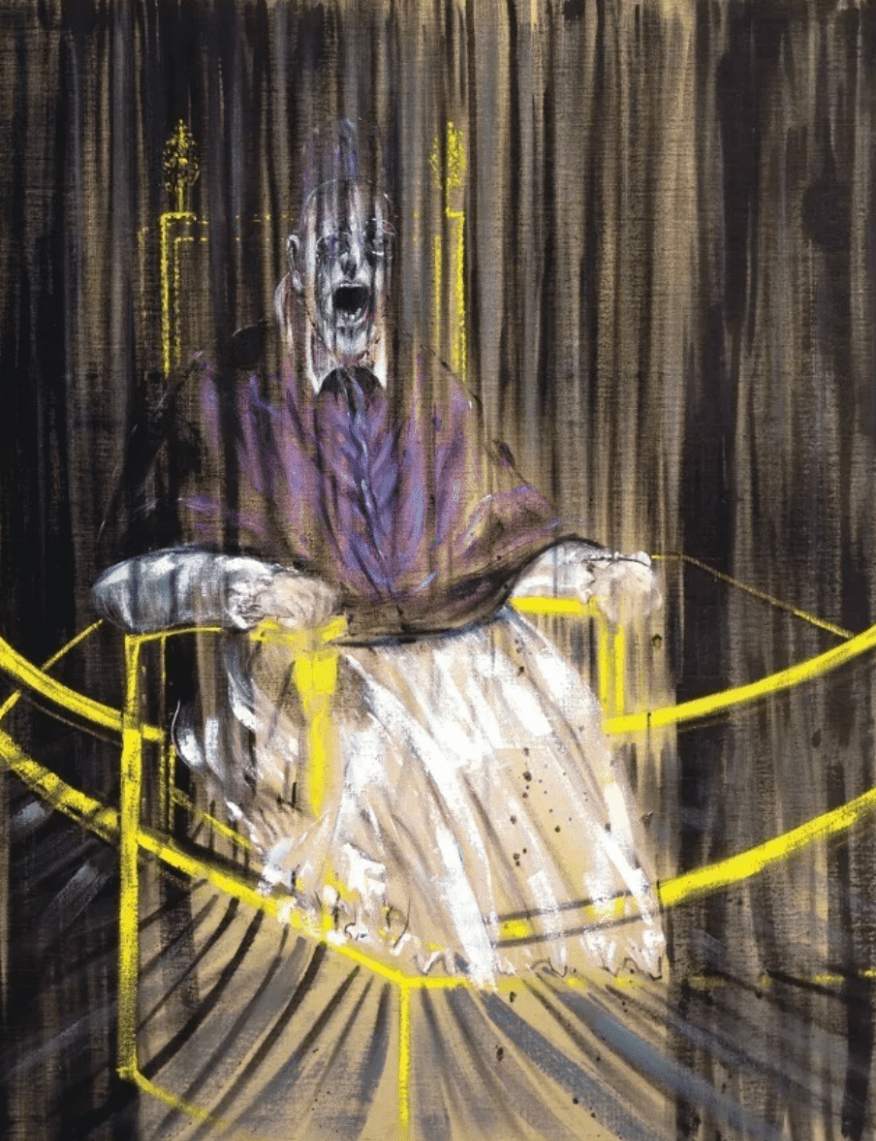
Expressive Theory
500
When objects are placed lower on the picture plane they appear closer and thus demonstrate this concept.
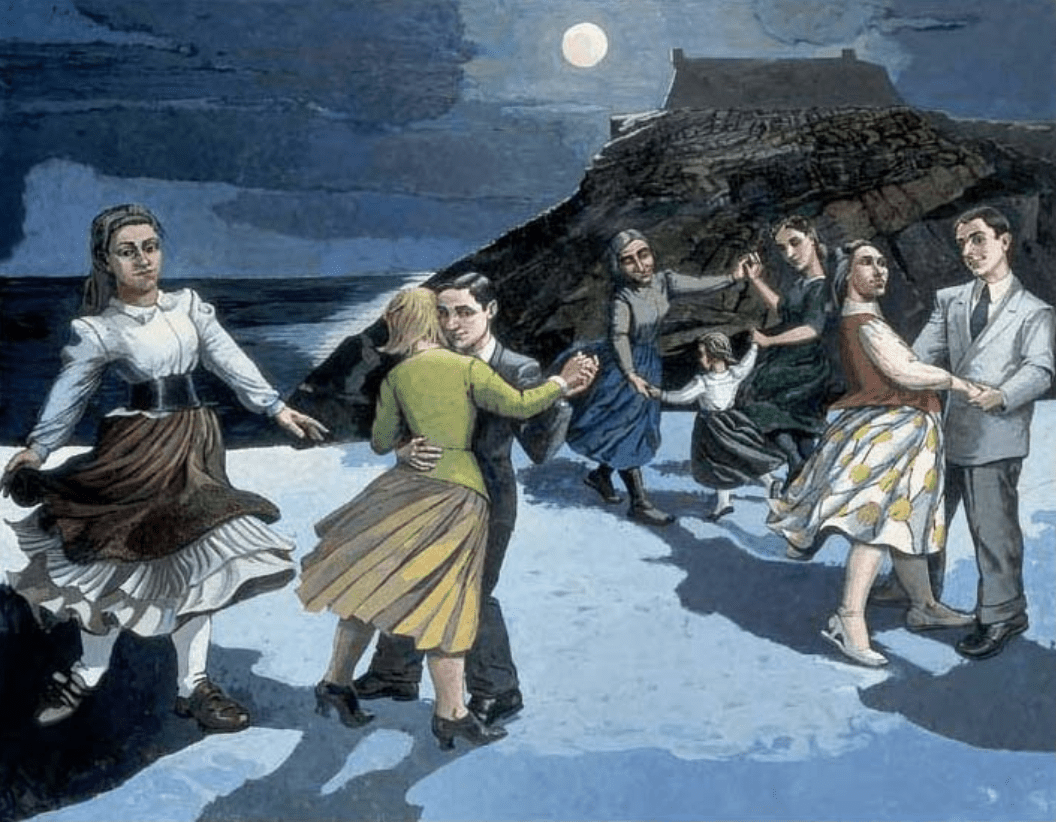
Vertical Placement
500
Black and White when mixed creates these grays that lack color.
Achromatic
500
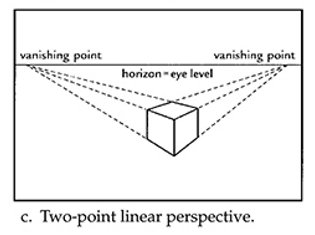
When a cube or other rectilinear form is positioned so that a corner is closest to us, the artists employs this sort of persepctive.
Two-Point Perspective
500
Intentional pathways created within a work for the viewer's eye to follow.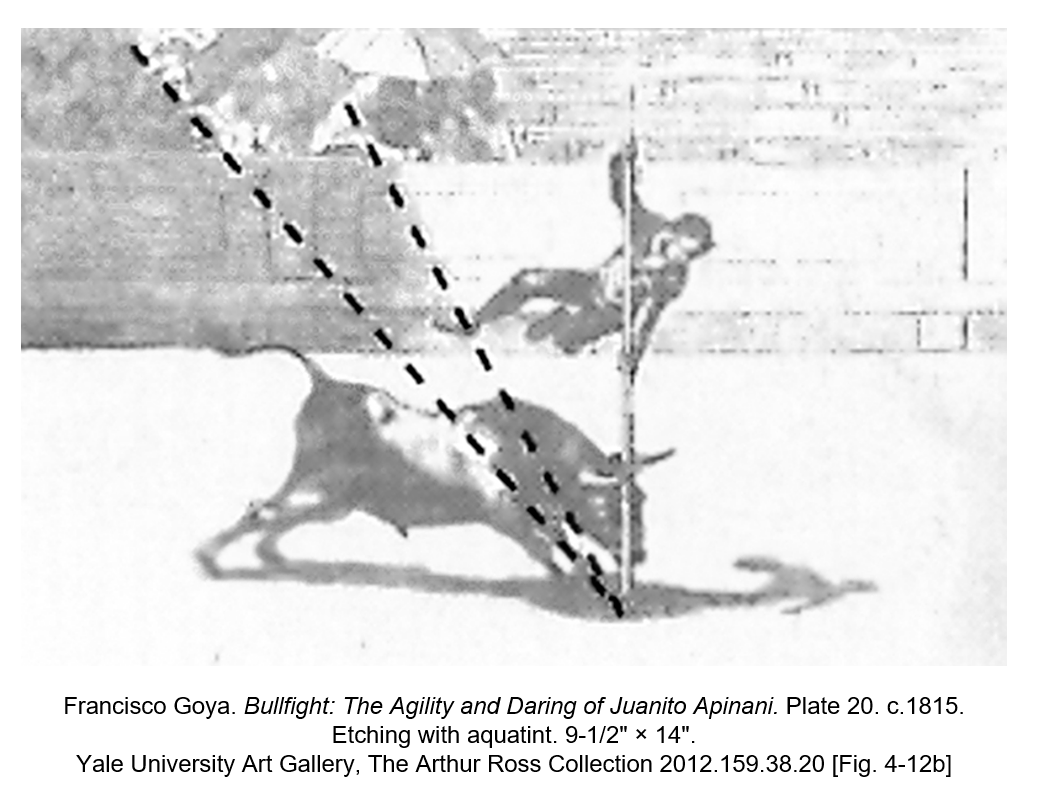
Directional Forces
500
Criticism that focuses first on the environmental influences that inform the art work.
Contextual Theory