Matter
Solid
Liquid
Gas
Shape-Shifting
100
Matter is all ______________ us.
Matter is all AROUND us.
100
Give 2 examples of solids in this classroom.
Answers will vary, but could include: floor, desk, chair, pencil, or paper.
100
Provide 2 examples of liquids you would find at home.
Answers will vary but could include: water, soda, milk, shampoo, or melted ice cream.
100
Give 2 examples of a gas.
Answers will vary, but could include: steam, water vapor, air, helium, car exhaust, oxygen, or carbon dioxide.

100
Give 2 examples of shape-shifting (how matter can change states/forms).
MELTING, FREEZING, or BOILING
200
True or False?
People are NOT made of matter.
False. We are made of matter, and we matter!

200
Describe solids.
Answers will vary, but may include:
They are hard.
They have a definite size and shape.
Their molecules are packed tightly together.
They are not easily broken.
200
Describe liquids.
Answers will vary, but could include:
They take the shape of their container.
They can move.
You can pour them.
200
Describe gases.
Answers will vary, but could include:
They can be visible or invisible.
They can have an odor or be odorless.
They do not have a fixed shape.
They expand to fill their container.
They rise.
200
When you HEAT a solid, it can ________ and turn into a ____________.
MELT and turn into a LIQUID
300
True or False?
Dead or non-living things, such as rocks, water, and dead bugs, are matter.
True
300
Why is it difficult to break a solid?
It is difficult to break a solid because the molecules are packed tightly together.
300
What is something you can do with a liquid?
Answers will vary, but could include: drink it, pour it, spray it, glue something, or swim or bathe in it.
300
What is something you can do with a gas?
Answers will vary, but may include: breathe, blow up a balloon, heat your home, cook food, or fuel vehicles.
300
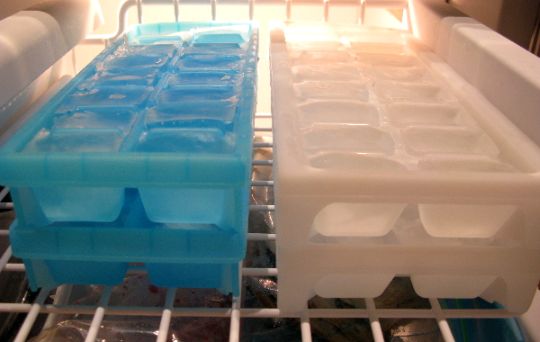
When you COOL a liquid, it can ___________ and turn into a _______________.
FREEZE and turn into a SOLID
400
Matter includes all living and _____________________ things.
Matter includes all living and NON-LIVING things.
400
Describe the molecules in a solid.
The molecules in a solid are packed tightly together.

400
Describe the molecules in a liquid.
They can move freely, but not as much as the molecule in a gas.
400
Describe the molecules in a gas.
The molecules in a gas are loosely packed, so they can move about freely.
400
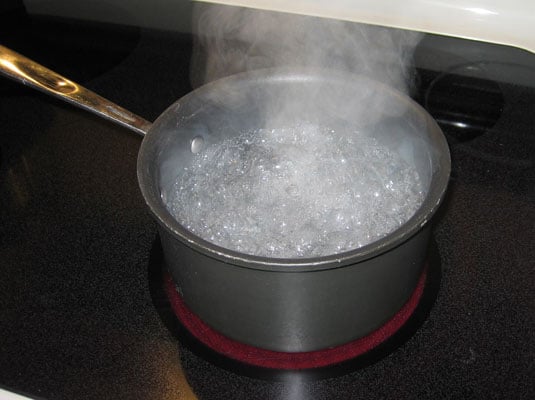
If you HEAT a liquid, it can ___________ and turn into a _______________.
BOIL and turn into a GAS
500
Matter includes anything that takes up ____________ and has _____________.
Matter includes anything that takes up SPACE (volume) and has WEIGHT (mass).
500
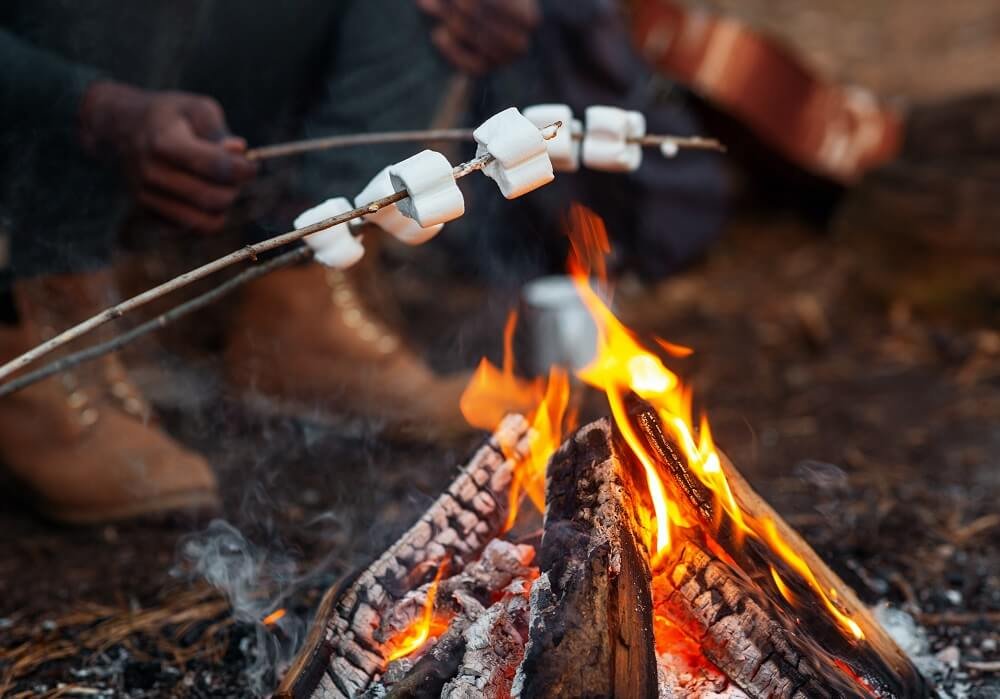
You can change a solid into a liquid by _______ing it.
HEATING it
500
You can change a liquid into a solid by ________ing it.
FREEZING it

500
Explain one way we know gas is present.
Answers will vary, but could include: bubbles, fizz, steam, clouds, smoke, a smell, or a hissing sound.
500
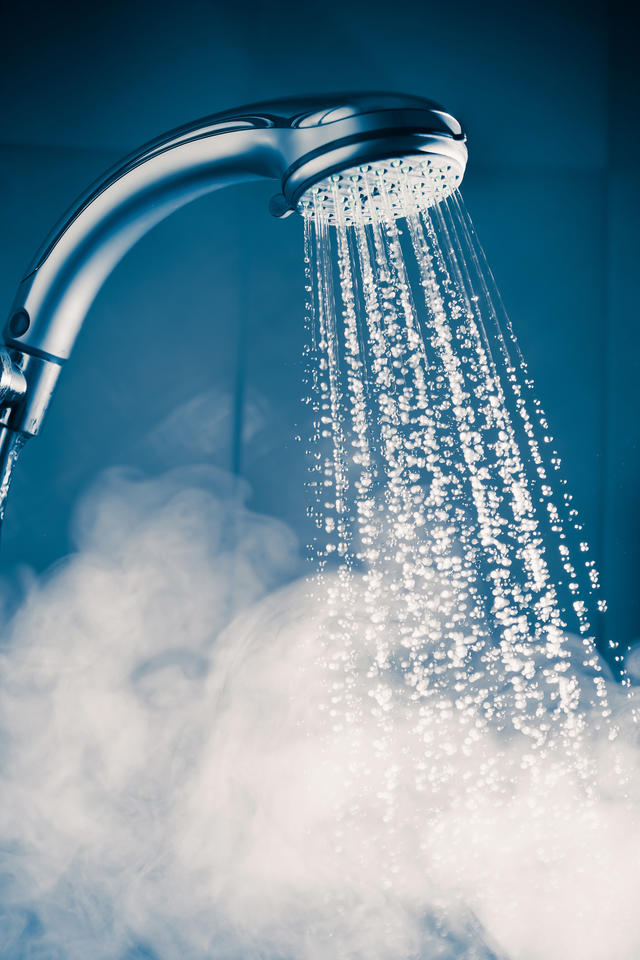
On a hot day, you notice your cold drink is wet on the outside. This is an example of ________________________________.
Condensation
