Star classification
Star composition
Star Life Cycle
100
This is our Sun's classification on the O-M scale indicating that it is relatively cool and yellow.
What is a G2 star?
100
This is the type of fusion occurring in the core of a main sequence star.
What is HYDROGEN FUSION?
From Unit 4 Lab: Hydrogen fuses into Helium-4 in our sun!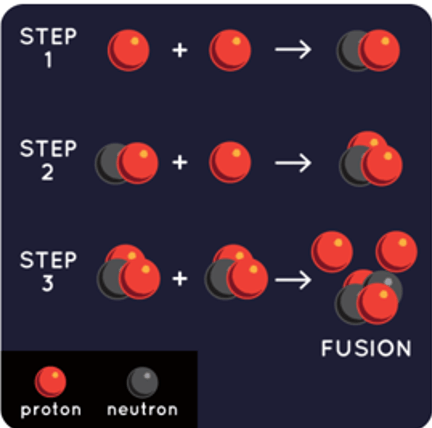
100
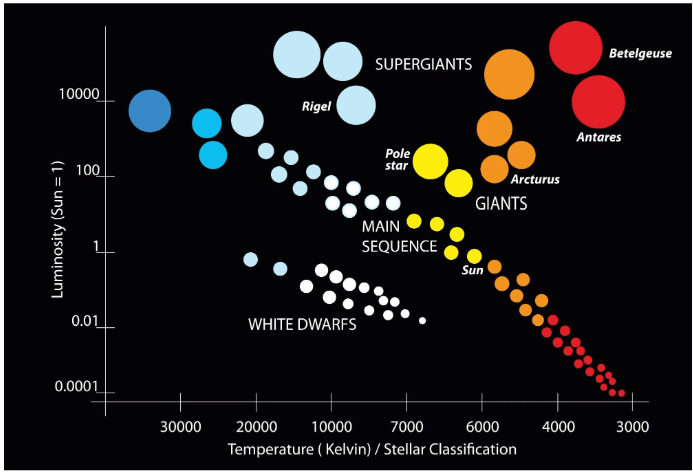
This diagram plots stars by their luminosity and spectral class (temperature).
What is the HERTZSPRUNG-RUSSELL (H-R) DIAGRAM?
200
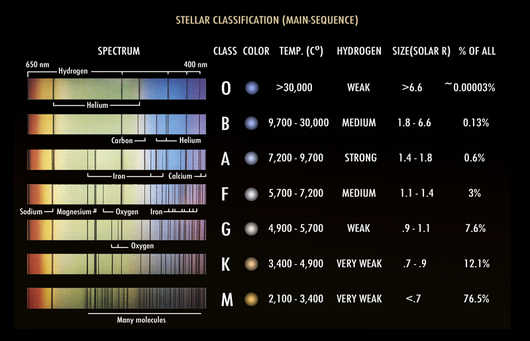
This class contains the hottest and largest stars in the O-M classification categories.
What is Class O?
200
Spectral lines provide this information about stars.
What are their
- SIZE
- DENSITY
- ATMOSPHERIC CONDITIONS
- Also HEAT & ENERGY! (Stars with the narrowest spectral lines are hotter and more energetic.)
https://www.youtube.com/watch?v=nSJqmMN6bC0
200
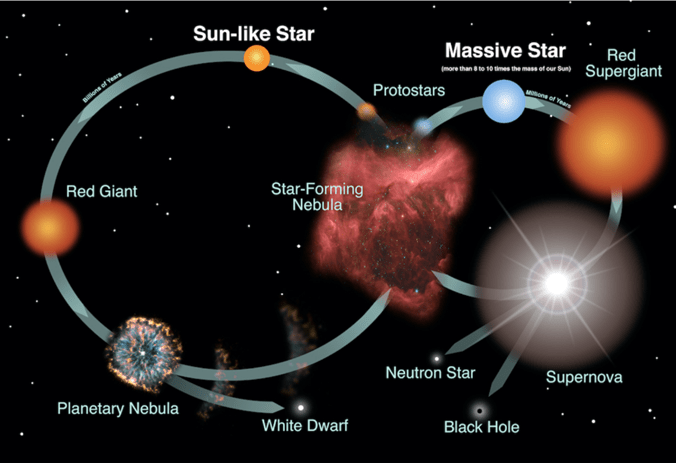
This phase follows the main sequence for a star like the sun.
What is a RED GIANT?
300
This is the total energy that a star emits per second.
What is LUMINOSITY?

300
This is how we know the composition of distant stars.
What is EMISSION AND ABSORPTION SPECTROSCOPY?
300
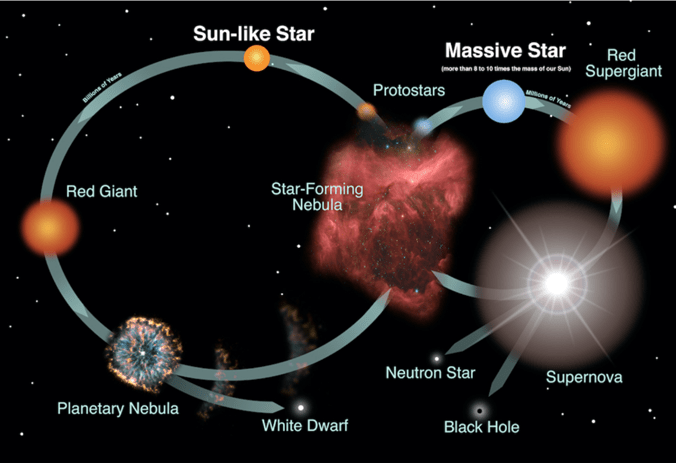
This is the fate of very massive stars at the end of their life cycle.
What is EXPLODE AS SUPERNOVAE?
400
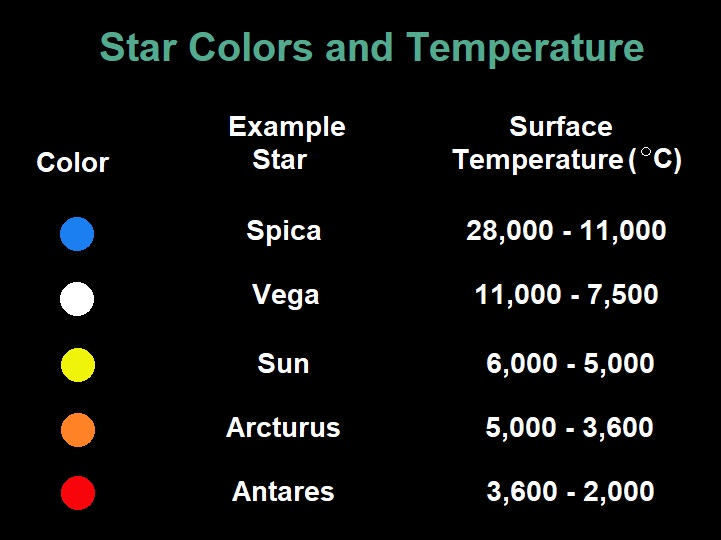
Astronomers use these 3 specific characteristics to classify stars.
What are:
MASS
TEMPERATURE
COLOR
400
This process creates elements heavier than iron in the cores of stars.
What is RAPID NEUTRON CAPTURE (r-process) DURING SUPERNOVA?
This is a hard question! Covered in 4.05 lesson reading: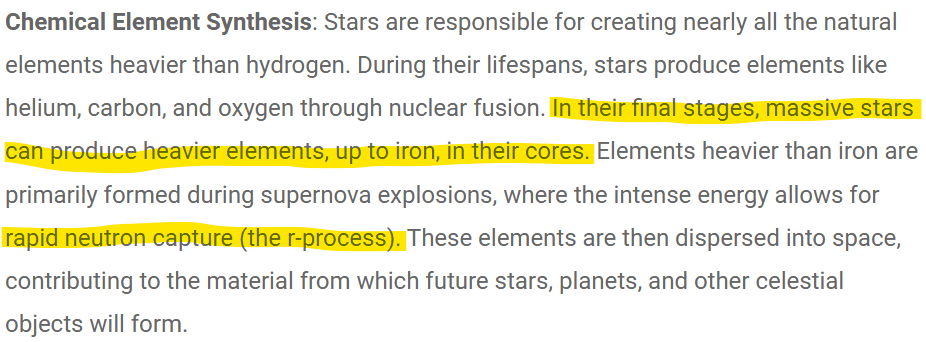
400
This is how neutron stars and black holes form.
What is after the death of massive stars?