Scenarios
Education/Training
Scenarios 2.0
Miscellaneous
Types of Fractures
100
A volleyball player in a game goes up to block, but lands on her ankle wrong, and seems to have rolled it. After icing, the athlete claims her ankle is feeling better, and she is ready to get back in the game. Should you allow the athlete to continue playing, or let her stay out for the rest of the game?
The safest decision is to keep the athlete out for the rest of the game. While icing can reduce immediate pain and make the athlete feel better, it does not heal the stretched or torn ligaments (micro-tears) of a sprained ankle. Allowing the athlete to return too quickly risks a more severe injury.
100
Do athletic trainers have to learn how to wrap all parts of the body for an injury?
Yes, athletic trainers must learn to apply various wrapping and taping techniques to nearly all parts of the body to support injury, minimize swelling, and prevent injury.
100
This is the universal sign for choking (Please demonstrate)
Arms crossed in front of throat or body, sometimes unable to speak, cough
100
The integumentary system is responsible for what?
protesting the body, includes the skin and layers below it, body temperature regulation (sweating)
100

Greenstick fracture
200
An athlete receives a ball to the head during a baseball game, and receives a concussion. How should an athletic trainer assess the athlete
Remove the athlete from play immediately, assess symptoms, and monitor the recovery following a step by step return to play concussion protocol
200
True or False: If a soon to be athletic trainer doesn't pass the BOC exam, they do not earn certified athletic trainer (ATC) credential.
True. To become a certified athletic trainer (ATC) in the United States, an individual must pass the Board of Certification (BOC) exam
200
You are working a soccer game when two players go up for a ball. They collide and one player is unconcious and the other is alert and complaining of a headache. Which would you treat first and why?
They player that is unresponsive, based on level of triage
200
Someone with sciatic pain would descirbe this
numbness or tingling in the back of the leg
200
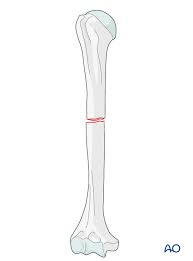
Transverse fracture
300
An athlete walks in the training room complaining about muscle tightness and weakness. How should an athletic trainer address this situation?
Walk the athlete through individualized stretches, and strengthening exercises to correct imbalance, and prevent future injuries
300
True or False: Athletic trainers have to do reeducation to maintain their certification
True: Athletic trainers require Continued education (CE) in order to maintain certification.
300
You have an individual that is fighting an infection. They have blood work done, what would you expect to be elevated when their results come back?
RBC, WBC, platelets, hemoglobin
WBC (White blood cells) they help to fight infection
300
True or False: Athletic trainers are one of the first people on campus everyday, and one of the last to leave.
True: Often, they are the first to arrive and last to leave, with 12-hour days common during training camps or competition days.
300
Comminuted
400
A basketball player receives an injury to the shoulder, in which the athletes shoulder seems to be out of place. (dislocated) As a trainer, should you relocate the shoulder on the spot, or wait for a professional medical evaluation
As a trainer, the general rule is to wait for professional medical evaluation rather than attempting to relocate (reduce) a dislocated shoulder on the spot, unless you are specifically trained and authorized to perform a field
400
What is the typical time length for soon to be athletic trainers in college?
Typically 5 to 6 years total: 4 years for a bachelor's degree + 1-2 years for a master's degree.
400
You have a patient that is suffering from a heart attack, they have blue lips and no pulse. What would you do?
Call 911, get AED, start CPR. Make sure to apply proper PPE
400
Where do athletic trainers work?
A mix of indoor athletic training rooms (offices/clinics) and outdoor athletic fields, often requiring work in varied, sometimes extreme, weather conditions.
400
This type of fracture that punctures the skin
compound fracture
500
An athlete comes out of a football game feeling faint, and dizzy. How should an athletic trainer address the situation?
immediately move a faint, dizzy football player to a shaded or cool area, remove excess equipment, and have them sit or lie down while monitoring fluid intake
500
What is the standard entree level requirement for an athletic trainer?
A masters degree in athletic training is now the standard entree level requirement
500
You come up to a victim that is bleeding profusely from a fall. You notice that the blood is squirting out of his arm. What kind of bleed is this and what would you do?
Arterial bleed, due to the squirting nature of the bleeding. Apply pressure on the wound, possible tourniquet above the joint to stop the bleeding, call EMS as it is a medical emergency.
500
What are the typical work hours for an Athletic trainer per week
50-60 hours per week, while some professional sports team trainers sometimes working 60–80 hours per week.
500
This fracture is a medical emergency
femur fracture