Atomic Structure
The Periodic Table
Bohr Models
Ions
Surprise Bag
100
Which element has the atomic number 16?
Sulfur (S)
100
What is the name given to the elements in Group 18?
The Noble Gases
100
What are the electrons found on the outermost orbitals called?
Valence electrons
100
What is a cation?
a positive ion
100
Name two of the elements within the Noble Gases group.
Helium
Neon
Argon
Krypton
Xenon
Radon
Ununoctium (now Oganesson --> Og)
*named in 2016
200
How many protons does Aluminum have?
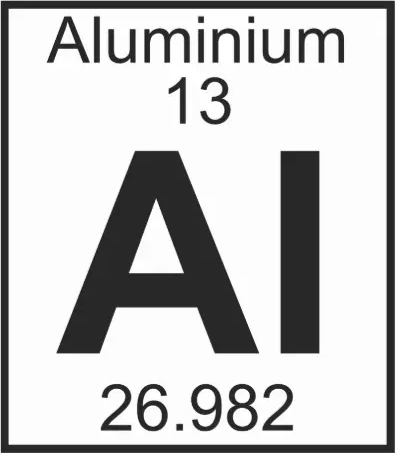
13 protons
200
Which element has an atomic mass of 112.411?
Cadmium
200
Which subatomic particles are found in the nucleus of an atom?
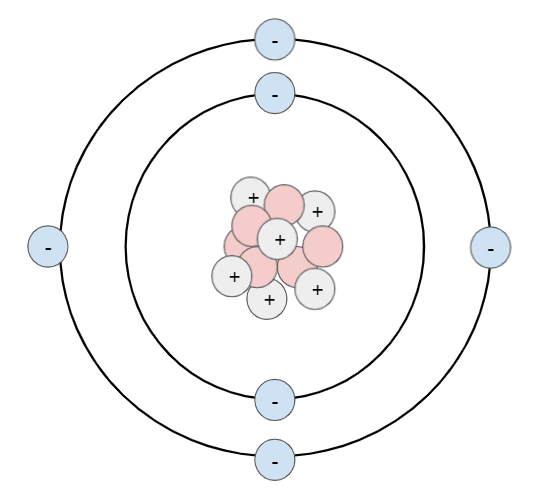
protons and neutrons
200
What charge would a sodium ion have?
Na+1
200
___________ and ___________ make up almost all of an atom's mass.
Neutrons
Protons
300
What is the atomic mass of Carbon?
12.01 amu
300
Where are (most) of the non-metals found on the periodic table?
On the right side of the "staircase". Hydrogen is an exception.
300
How many valence electrons and total electrons does Oxygen have?
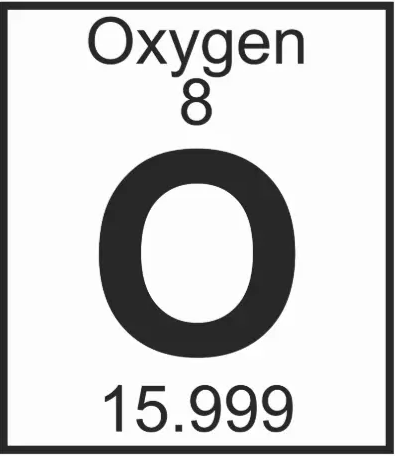
6 valence electrons
8 total electrons
300
Is chloride a cation or an anion? How can you tell?
Anion
It becomes negative when it becomes an ion (shown on the periodic table).
When an element becomes an anion, you must add "-ide" to the end of its name.
300
Name 3 elements that exist as diatomic elements in nature.
Hydrogen H2
Oxygen O2
Fluorine F2
Chlorine Cl2
Bromine Br2
Iodine I2
400
How many electrons does Bromine have?
35 electrons
400
Which group often has more than one charge?
Transition Metals
400
How many valence electrons does Iodine have?
7 valence electrons (group 17)
400
When the element Nitrogen forms an ion with a metal element, it will (gain / lose) __#__ electrons.
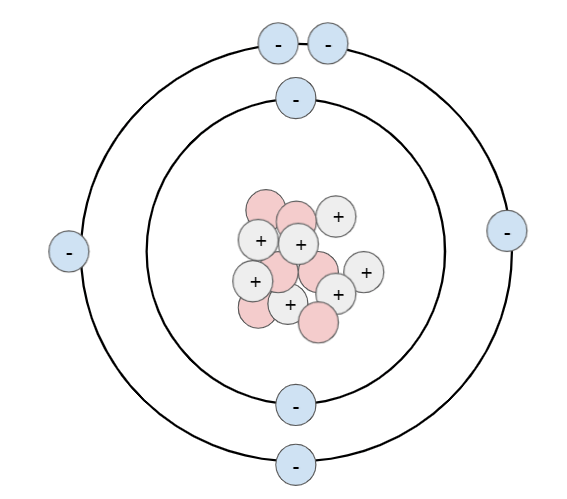
gain 3 electrons
400
What is the difference between atomic mass and mass number?
Atomic mass is the average mass of all isotopes of an element.
Mass number is the mass of one given atom of an element; it is always a whole number.
500
How many neutrons does Potassium have?
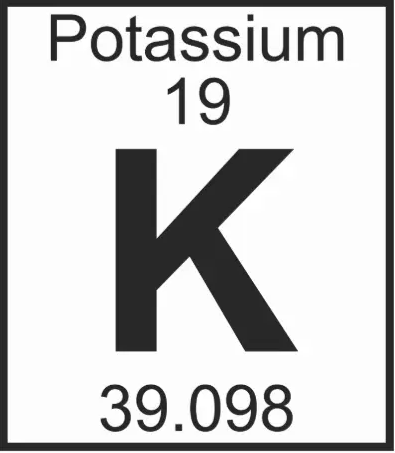
20 neutrons
500
Which groups are most reactive and why?
Group 1 - Alkali Metals
Group 17 - Halogen Gases
They are the most reactive because they only need to lose or gain one electron to become stable.
500
True or False.
The number of valence electrons always relates directly to the element's group number.
(e.g., Boron is in group 13 and has 3 valence electrons)
False.
SOMETIMES the group number tells us the number of valence electrons, but that is only true for groups 1, 2, 13, 14, 15, 16, 17, and 18.
*Helium is an exception.
500
What charge does the Oxygen ion have?
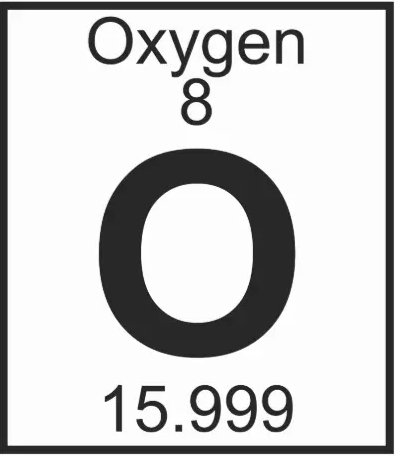
O-2
500
An unknown element is known to be highly reactive with water and air, have a low melting point, and conduct electricity and heat.
What group does this element belong to?
Alkali Metals