Atomic Structure
Elements
Electron Shells
Bohr Diagrams
Periodic Table
100
The positive particles found in the center of an atom are called: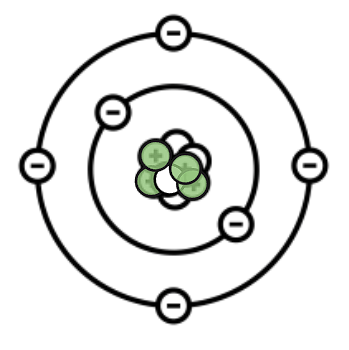
Protons
100
What is this element's symbol?
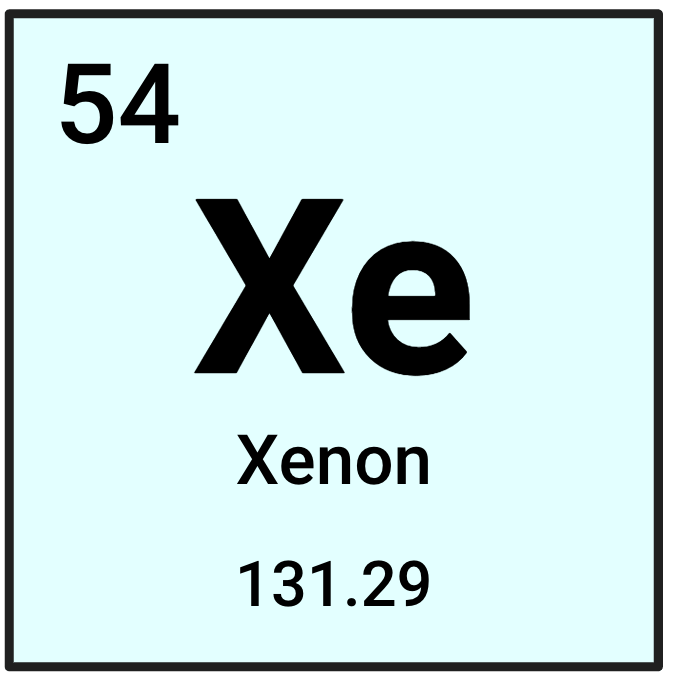
Xe
100
How many electrons can the 1st shell of an atom hold?
2
100
How do you calculate how many neutrons an atom has?
Round the atomic mass, then subtract the atomic number.
100
Which element family does Silicon (Si) belong to?
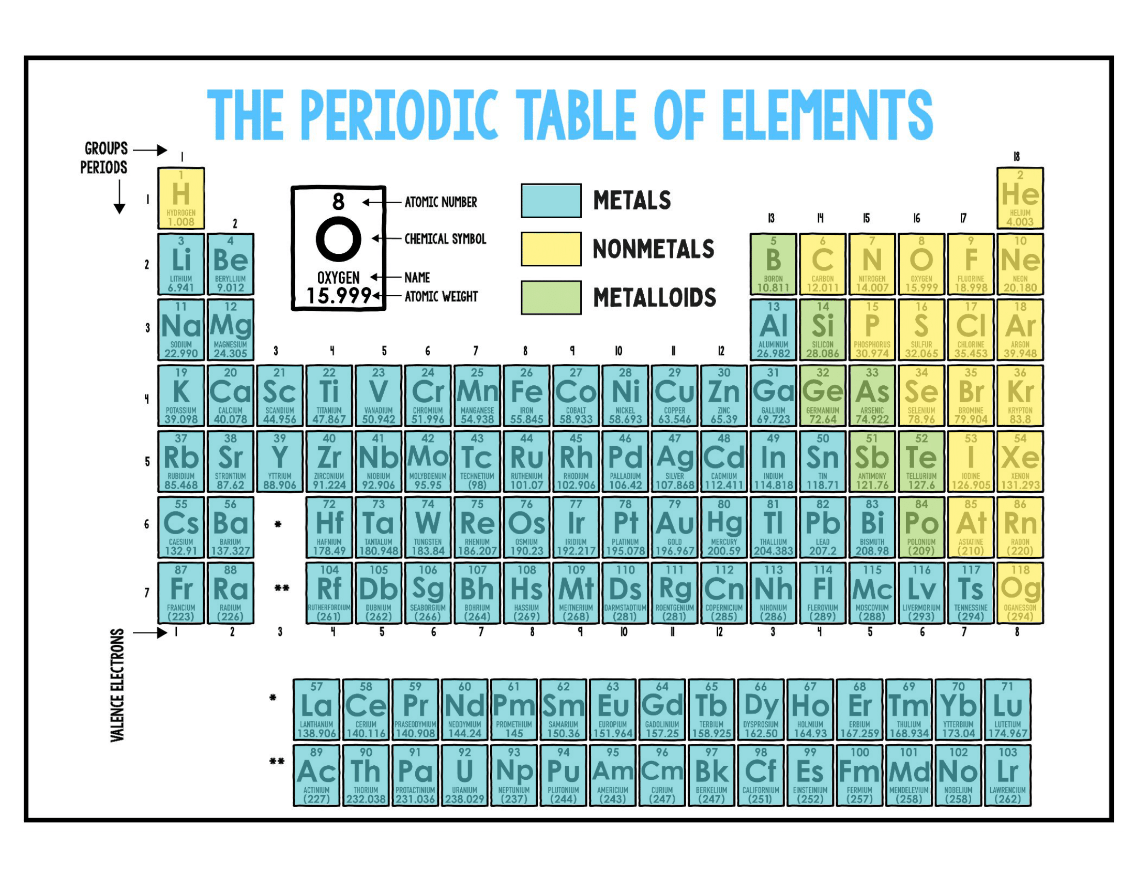
Metalloids
200
The negative particles found in the space surrounding the center of an atom are called:
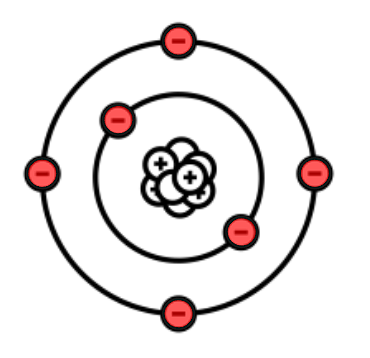
Electrons
200
What is this element's Atomic Number?
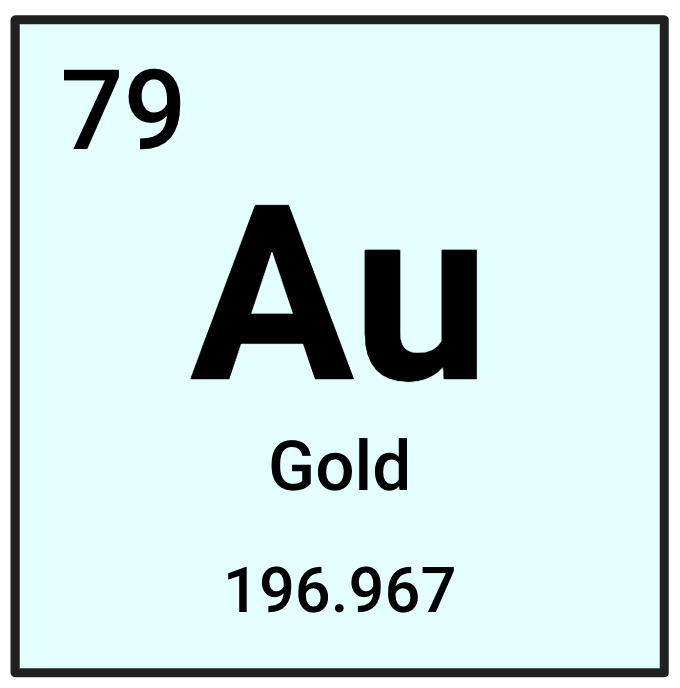
79
200
How many electrons can the 2nd shell of an atom hold?
8
200
Which element does this Bohr Diagram belong to?
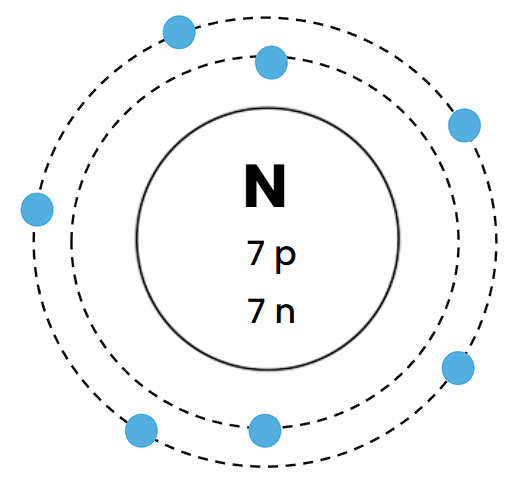
Nitrogen

200
Which element family does Chlorine (Cl) belong to?

Nonmetals
300
The neutral (no charge) particles found in the center of an atom are called:
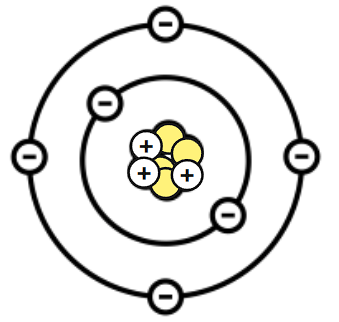
Neutrons
300
What is this element's Atomic Mass?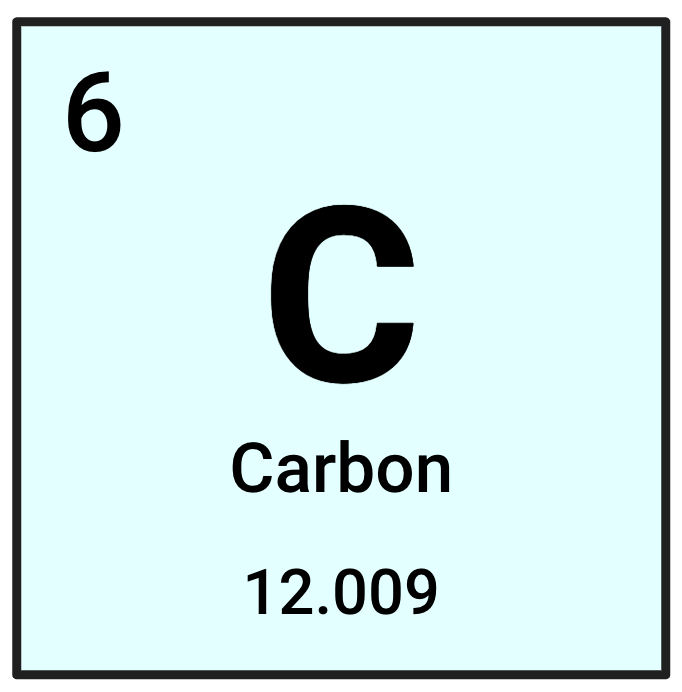
12.009
300
How many electrons can the 3rd shell of an atom hold?
8
300
Which element does this Bohr Diagram belong to? (The symbol has been hidden.)
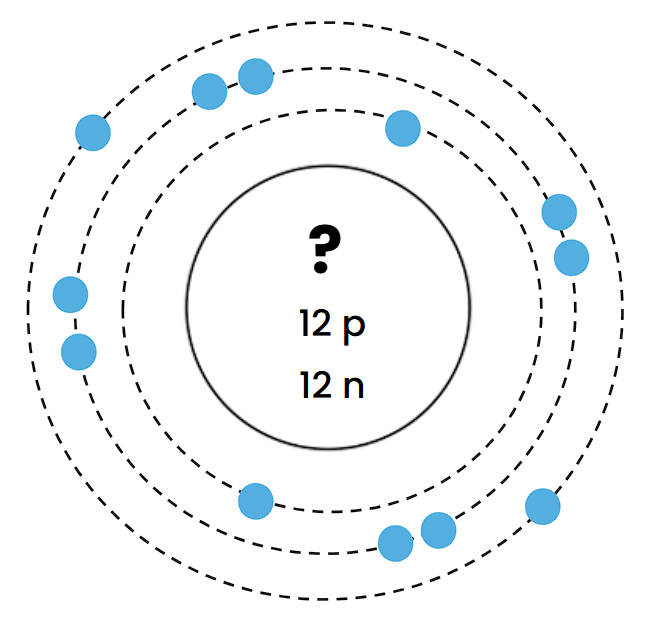
Magnesium (Mg)

300
Which element family does Radium (Ra) belong to?
Metals
400
The center region of an atom that holds protons and neutrons together is called the:
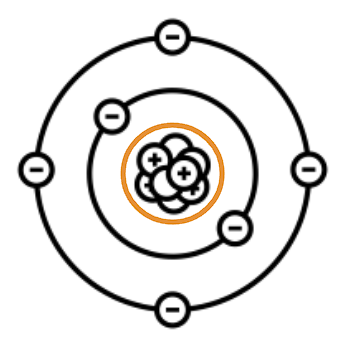
Nucleus
400
How many protons (+) and electrons (-) does a neutral Fluorine atom have?
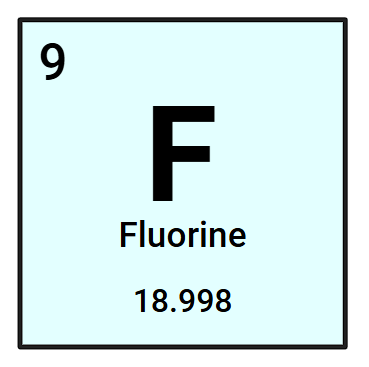
9 protons and electrons
400
How many electron shells does this atom have?
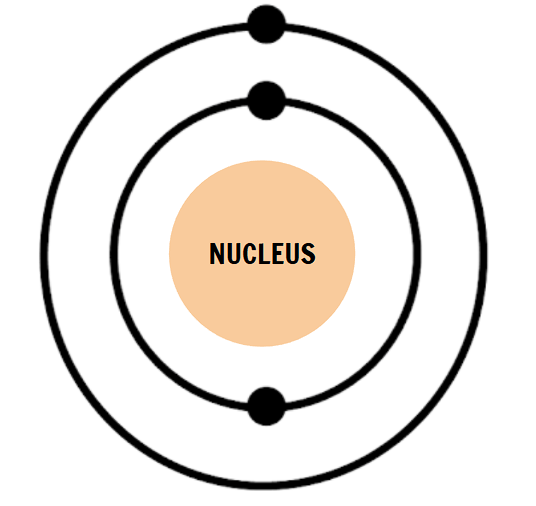
2

400
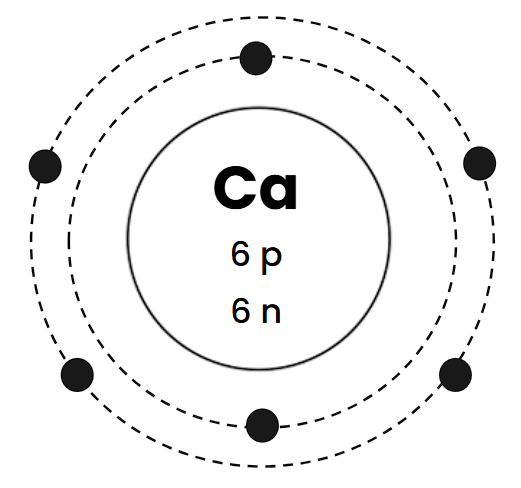
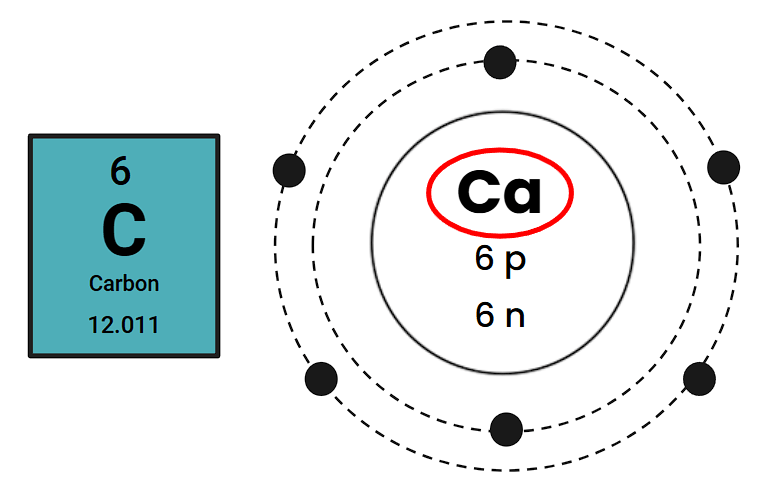
What is wrong with this Bohr Diagram?
400
Each period (rows) represents the number of:
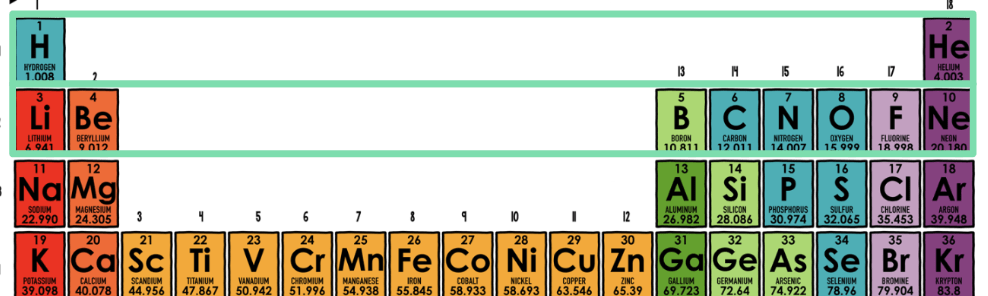
Electron Shells
500
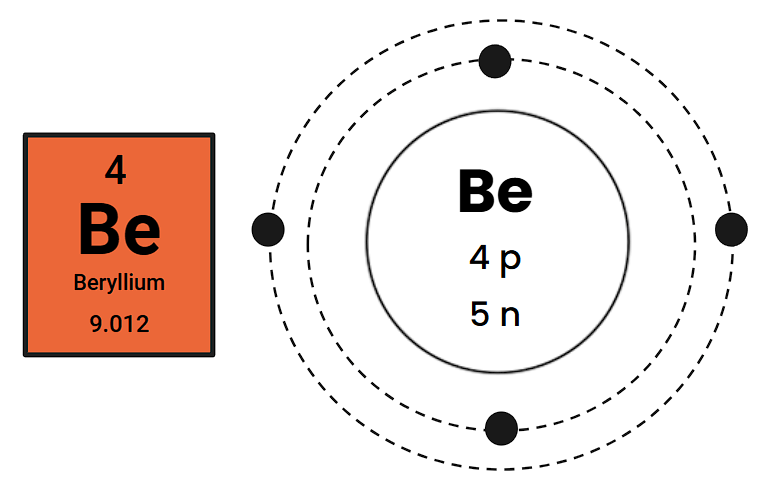
How many protons, electrons, and neutrons does this atom have?
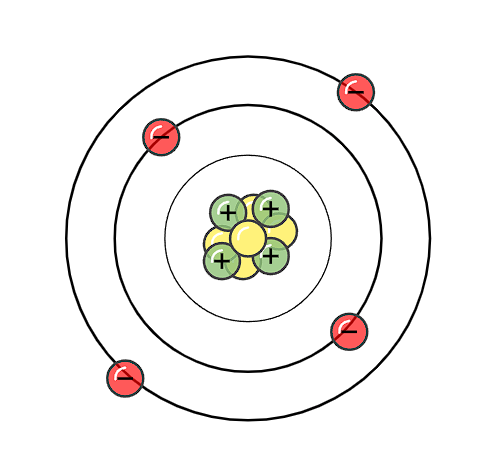
Protons: 4
Neutrons: 5
Electrons: 4
500
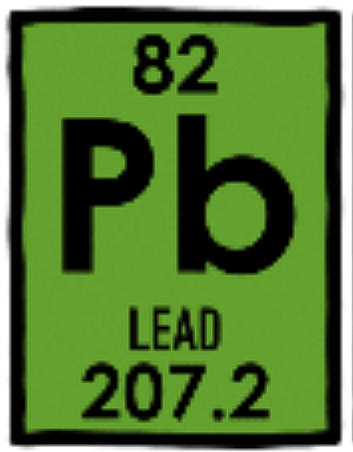
Locate the element Lead on your Periodic Table. Write it's:
Atomic Number, Symbol and Atomic Mass
Atomic Number: 82
Symbol: Pb
Atomic Mass: 207.2
500
How many electron shells does this atom have?
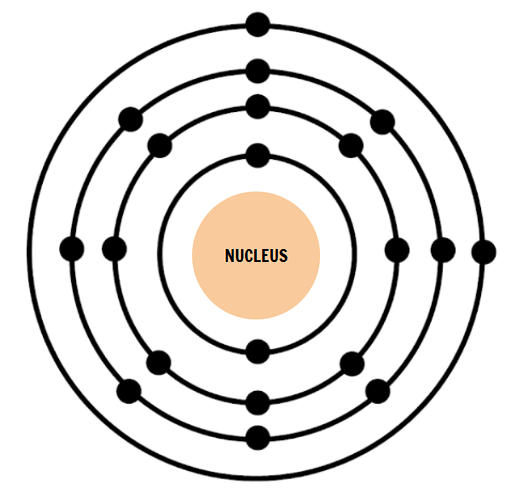
4

500
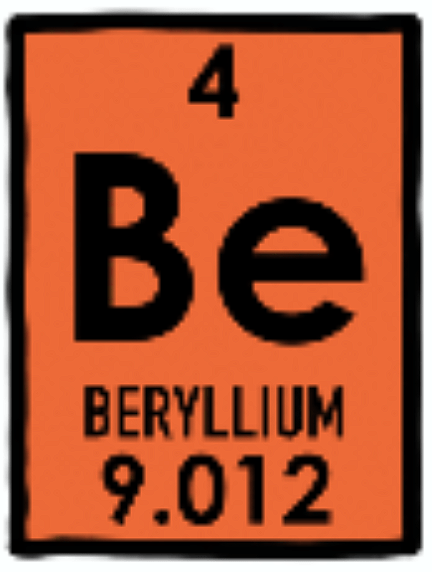
Draw a Bohr Diagram for the element Beryllium:
500
Each group (columns) represents the number of:
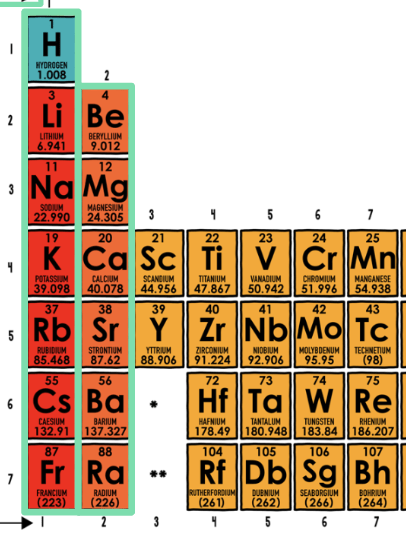
Valence Electrons