Urine for a Challenge
The Fast and the Fibrillating
The Thyroid Strikes Back
Game of Lungs
Keeping Up With the Coagulation
100
This type of acute kidney injury develops 1–3 days after IV contrast administration and typically resolves within 1–2 weeks, though prevention strategies remain largely unproven beyond ensuring euvolemia.
(What is contrast-induced nephropathy?)
100
This imaging modality is considered the most accurate test for diagnosing endocarditis, prosthetic valve dysfunction, and left atrial thrombus, offering high-resolution views of posterior cardiac structures at the cost of requiring esophageal intubation with sedation.
(What is transesophageal echocardiography?)
100
This condition, when discovered incidentally on routine labs in an asymptomatic older patient, warrants parathyroid surgery if the serum calcium exceeds the upper limit of normal by more than 1 mg/dL, kidney function declines, bone density drops to a T-score of ≤ −2.5, or a vertebral fracture is found.
What is (asymptomatic) primary hyperparathyroidism?
100
For this condition, triggered by physical exertion and marked by transient airway narrowing, first-line pharmacologic therapy is either an inhaled glucocorticoid plus a short-acting beta-2 agonist, or a low-dose inhaled glucocorticoid-formoterol combination used as needed before activity.
What is exercise-induced bronchoconstriction?
100
This heparin cofactor deficiency should be suspected when a patient's PTT or anti-Xa level fails to rise appropriately despite escalating heparin doses, since the drug's anticoagulant effect depends on this protein.
What is antithrombin deficiency?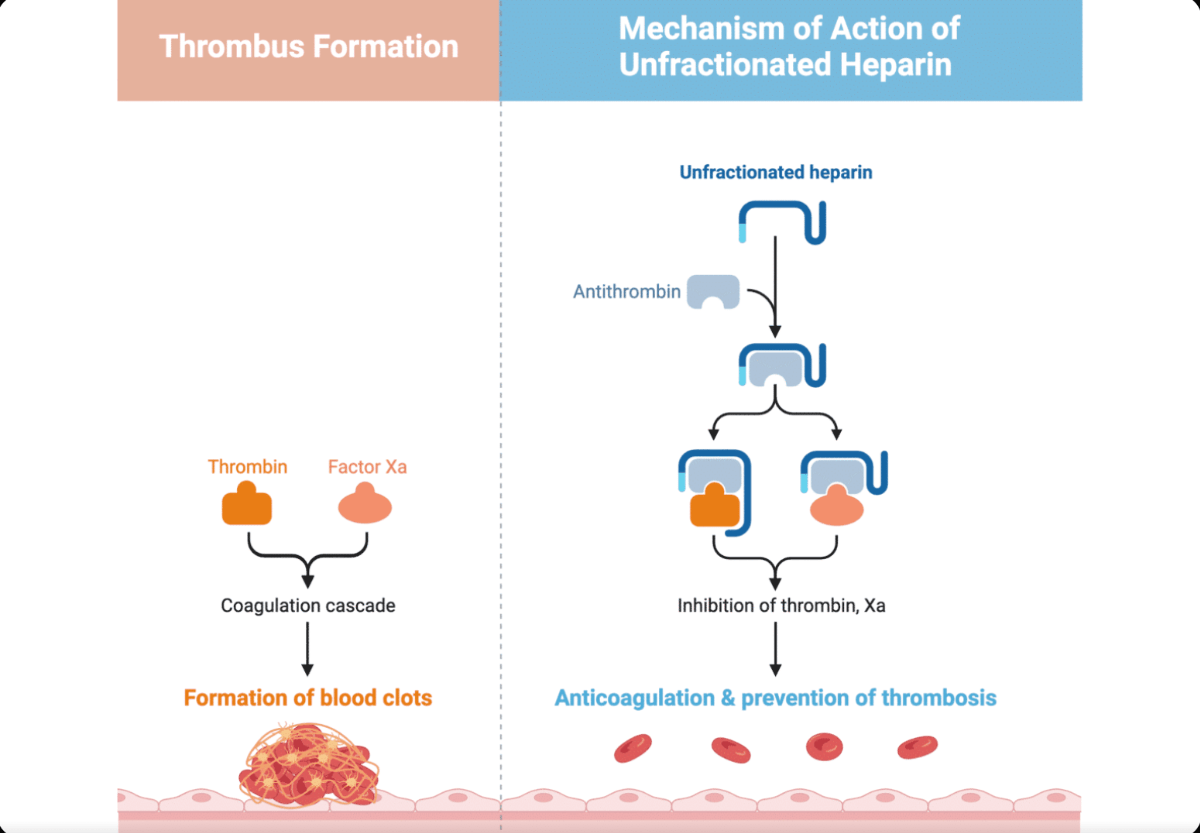
200
This drug-induced kidney injury classically presents with fever, rash, eosinophilia, pyuria with white cell casts, and "non-nephrotic" proteinuria, often triggered by PPIs, NSAIDs, or beta-lactam antibiotics.
(What is acute interstitial nephritis?)
200
Unlike the other three pillars of guideline-directed mortality-reducing therapy for HFrEF, this medication class does not reduce mortality on its own but does lower the risk of heart failure hospitalization, and is particularly useful for rate control when atrial fibrillation coexists.
What is digoxin?
In patients with HFrEF, digoxin reduces the risk for heart failure hospitalization but does not reduce mortality; it may be useful for rate control if concomitant atrial fibrillation is present, as well as for symptoms refractory to optimal therapy
200
Unlike bisphosphonates, stopping this monoclonal antibody used for osteoporosis causes a rebound loss of the drug's fracture-protective effect, so bisphosphonate therapy should be started about 6 months after the last dose to prevent this rebound.
What is denosumab?
200
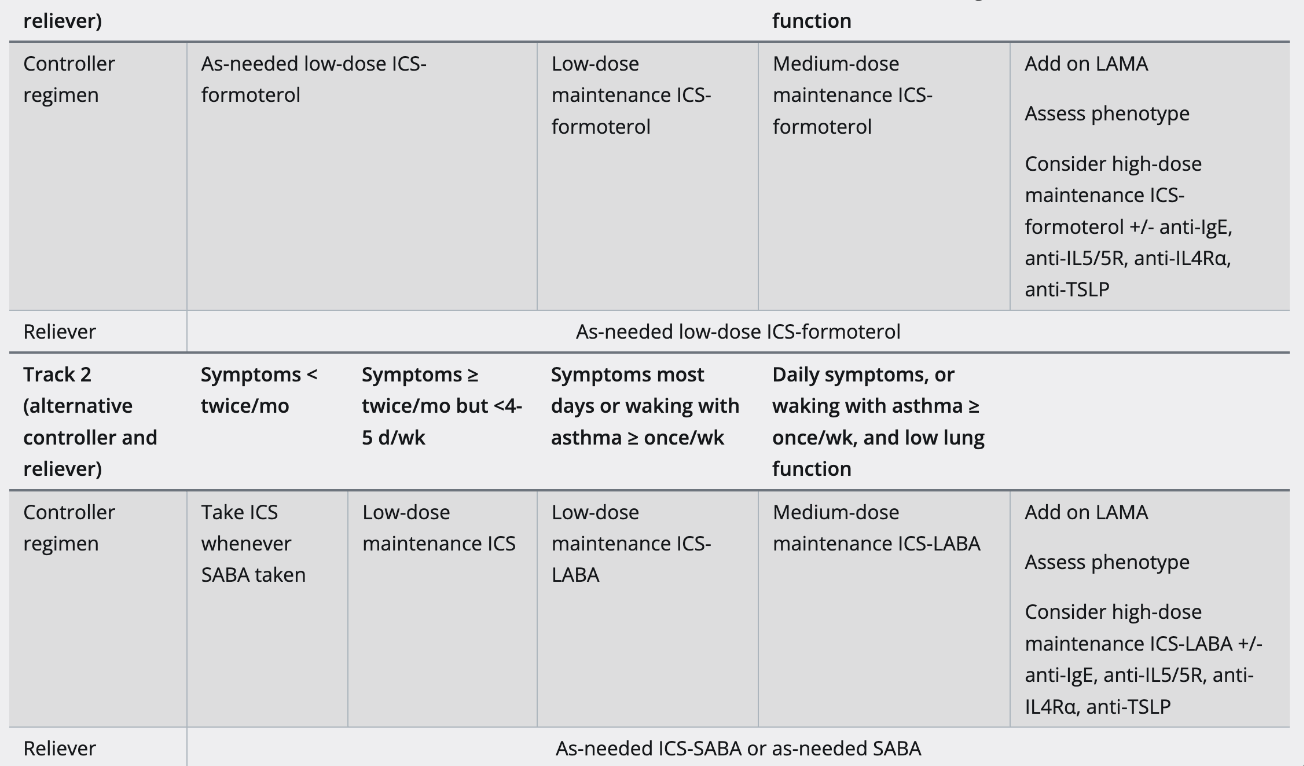
In the GINA 2025 guidelines' preferred track for asthma management, this single combination inhaler, used both as a scheduled controller and as an as-needed reliever, anchors treatment from Step 1 through Step 4.
Distinguishing it from the older SABA-based reliever strategy.
What is ICS-formoterol?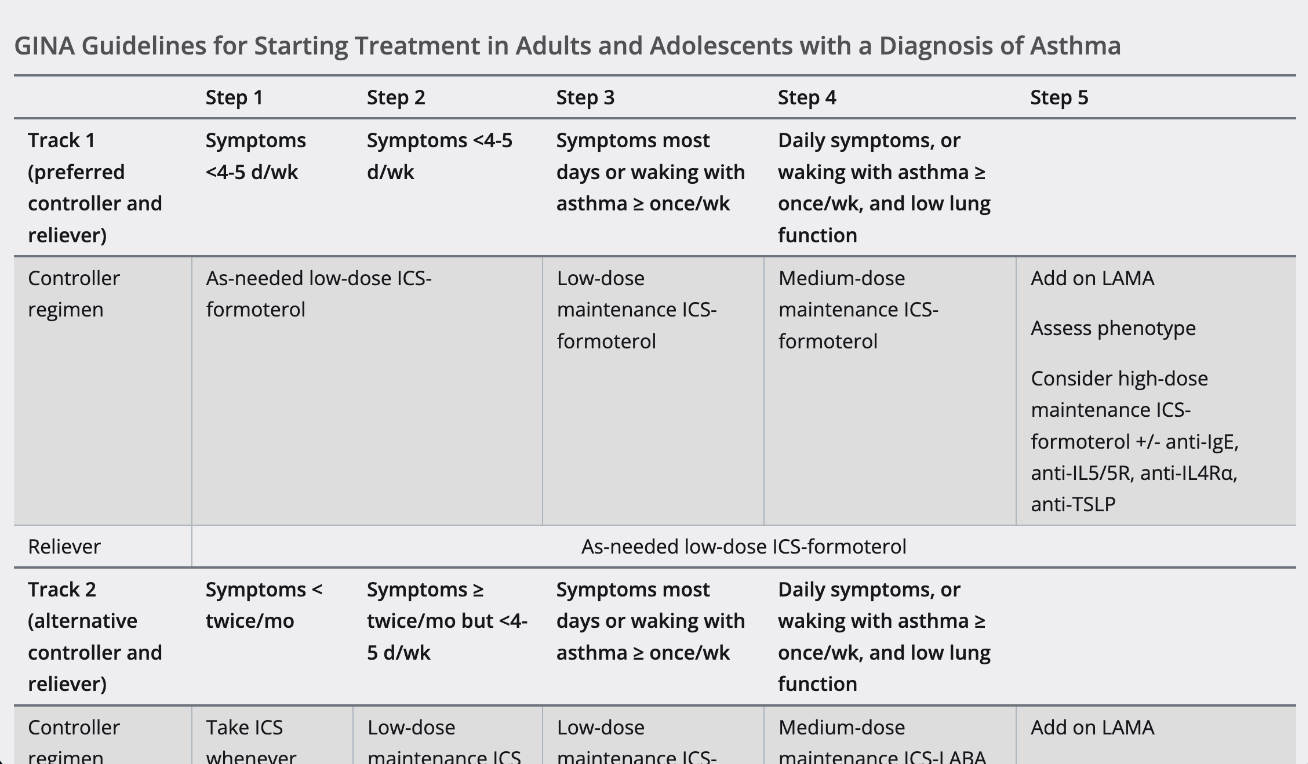
200
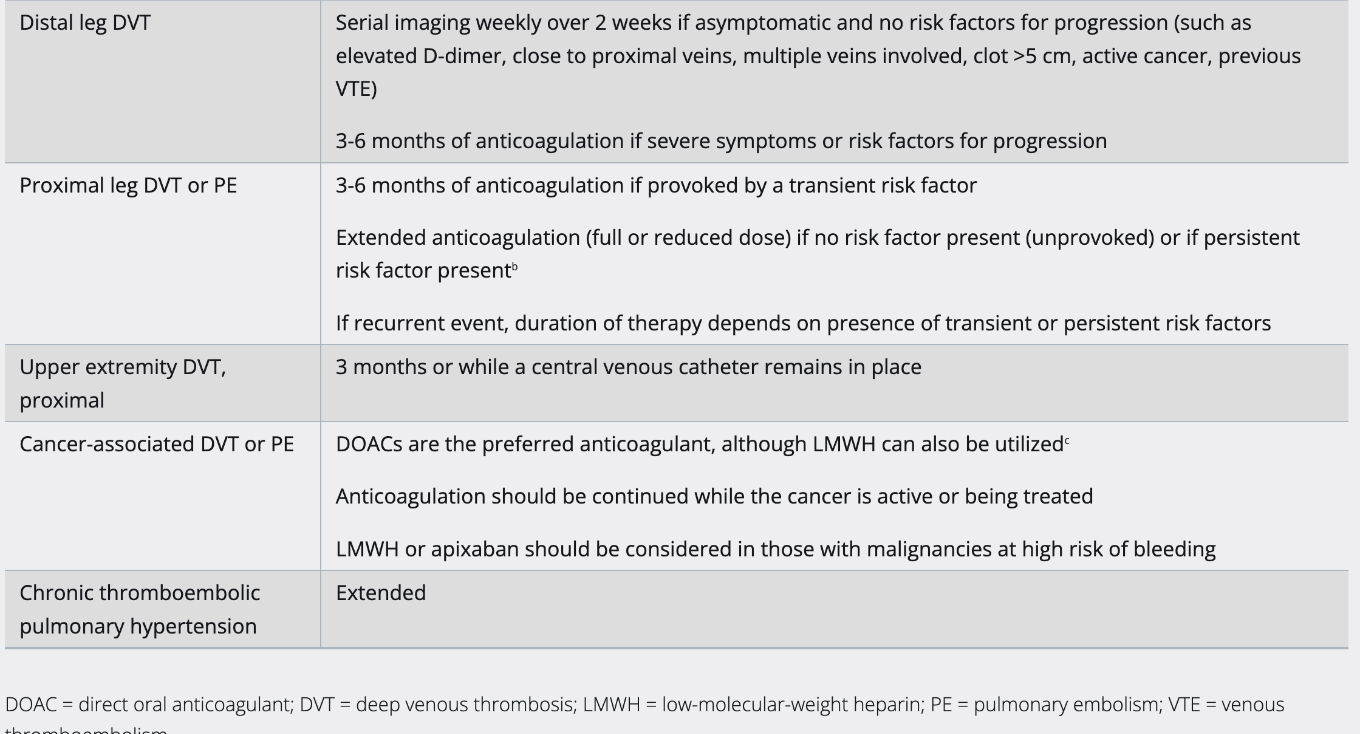
This category of DVT, confined to veins below the knee, can be managed with serial imaging over two weeks instead of anticoagulation if the patient is asymptomatic and lacks risk factors for extension, such as an elevated D-dimer or clot proximity to the deep venous system.
What is distal (leg) DVT?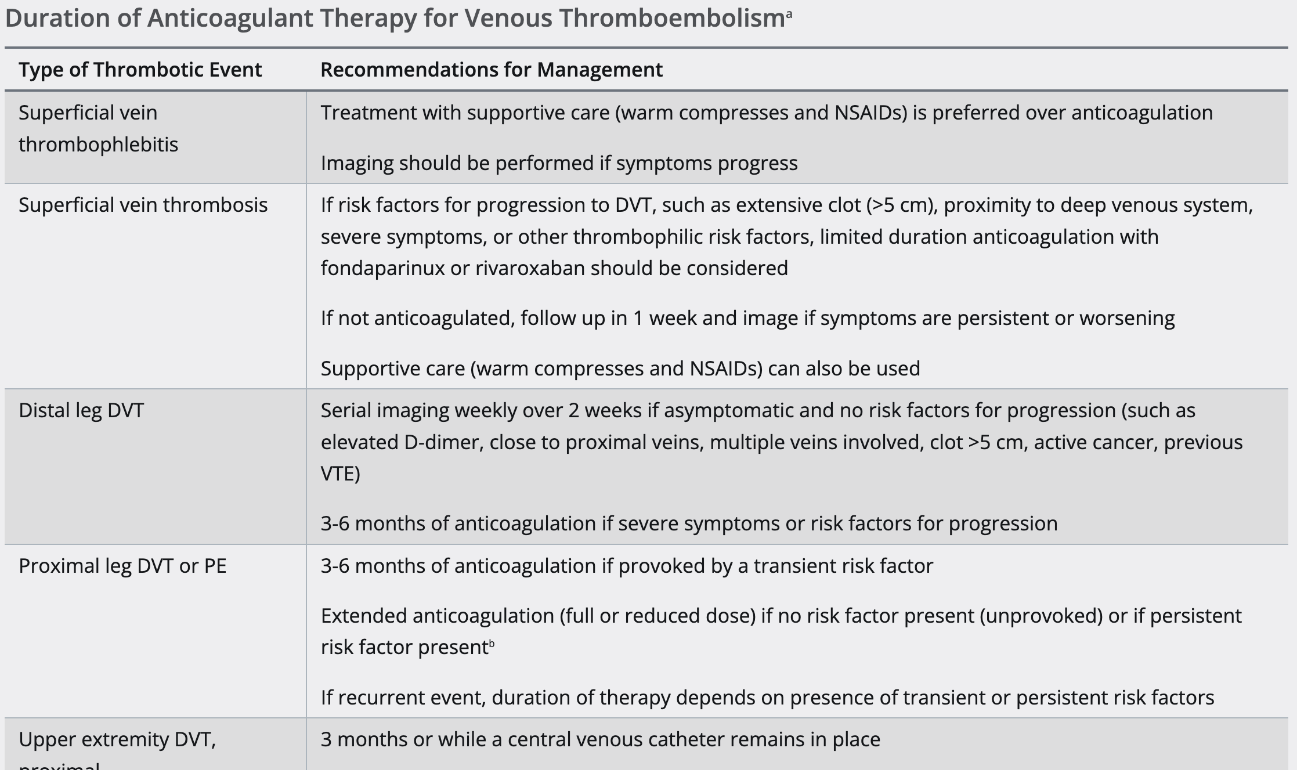
300
This drug used for lithium-induced nephrogenic diabetes insipidus works by blocking lithium entry into collecting duct principal cells through the epithelial sodium channel.
(What is amiloride?)
300
For a penicillin-allergic patient who cannot take oral medication before a dental procedure, this medication can be given intramuscularly or intravenously at 1 g — the same option available to non-allergic patients unable to tolerate oral dosing.
What is cefazolin or ceftriaxone?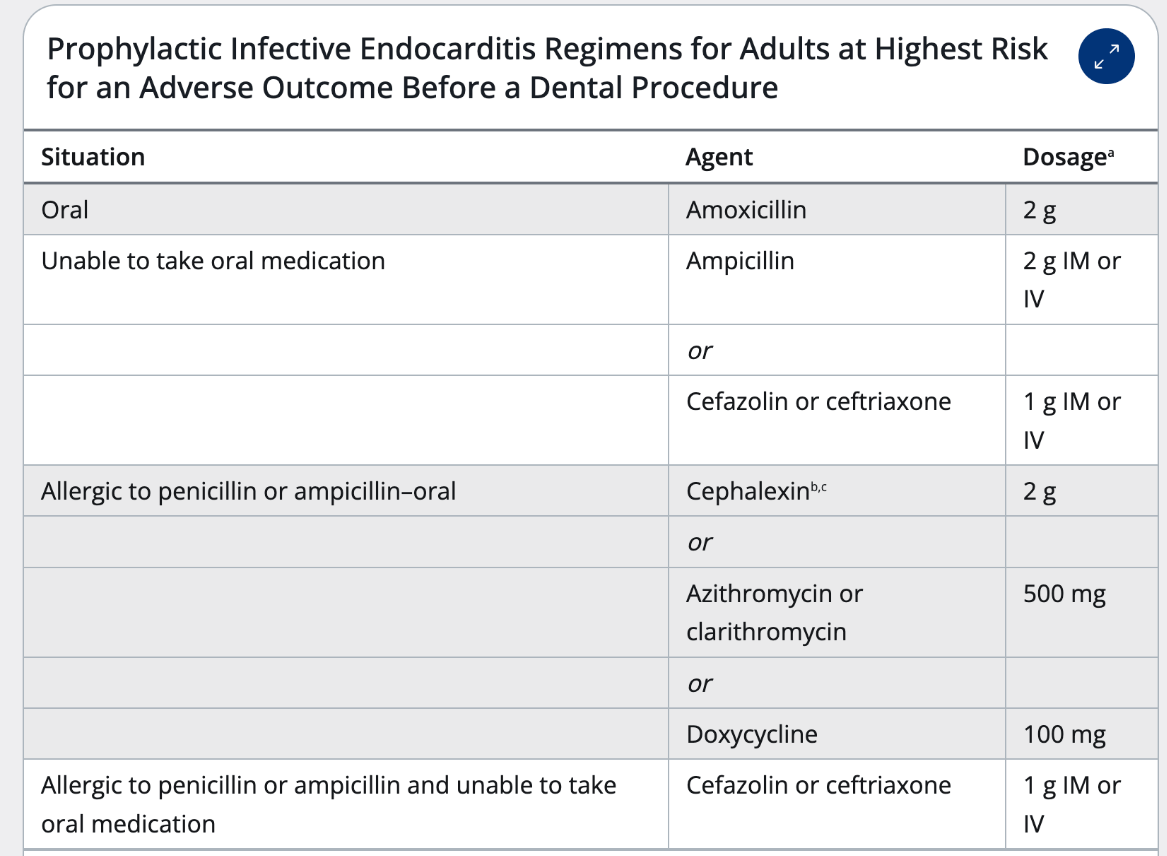
300
This hyperglycemic emergency is distinguished from DKA by a markedly higher glucose threshold (≥600 mg/dL), a near-normal pH and bicarbonate, minimal ketosis, and a markedly elevated serum osmolality above 320 mOsm/kg.
What is hyperglycemic hyperosmolar syndrome?
300
This oral phosphodiesterase-4 inhibitor is considered as add-on therapy for COPD patients with chronic bronchitis, an FEV1 under 50% predicted, and a history of frequent exacerbations or hospitalization in the past year.
What is roflumilast?
300
This transfusion complication, the most common serious reaction to blood products, presents with respiratory distress and radiographic pulmonary edema within 12 hours, distinguished from a similar-appearing lung injury reaction by its underlying mechanism of volume overload rather than donor antibody-mediated leukocyte activation.
What is transfusion-associated circulatory overload (TACO)?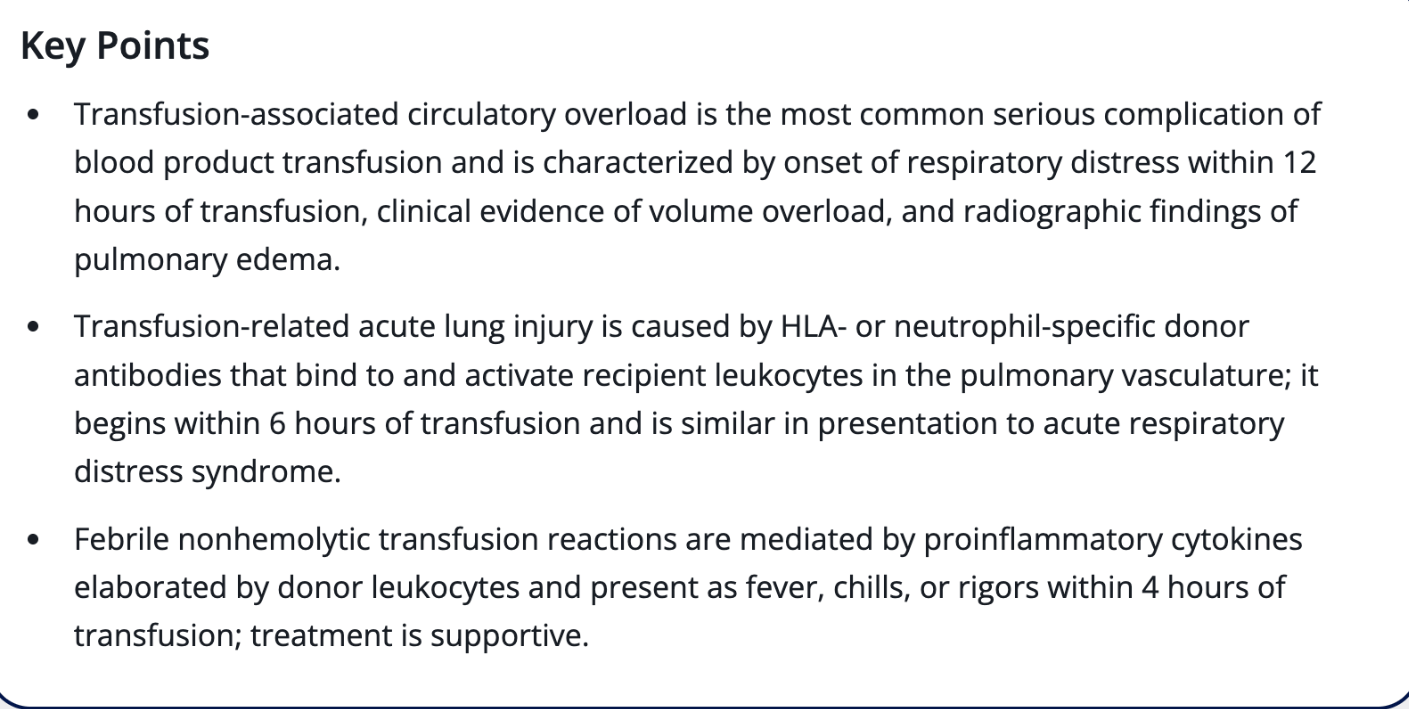
400
This classification system stratifies cystic renal lesions by malignancy risk based on wall thickness, septations, calcifications, and contrast enhancement — with category 3 lesions carrying roughly a 50% chance of malignancy.
(What is the Bosniak classification?)
400
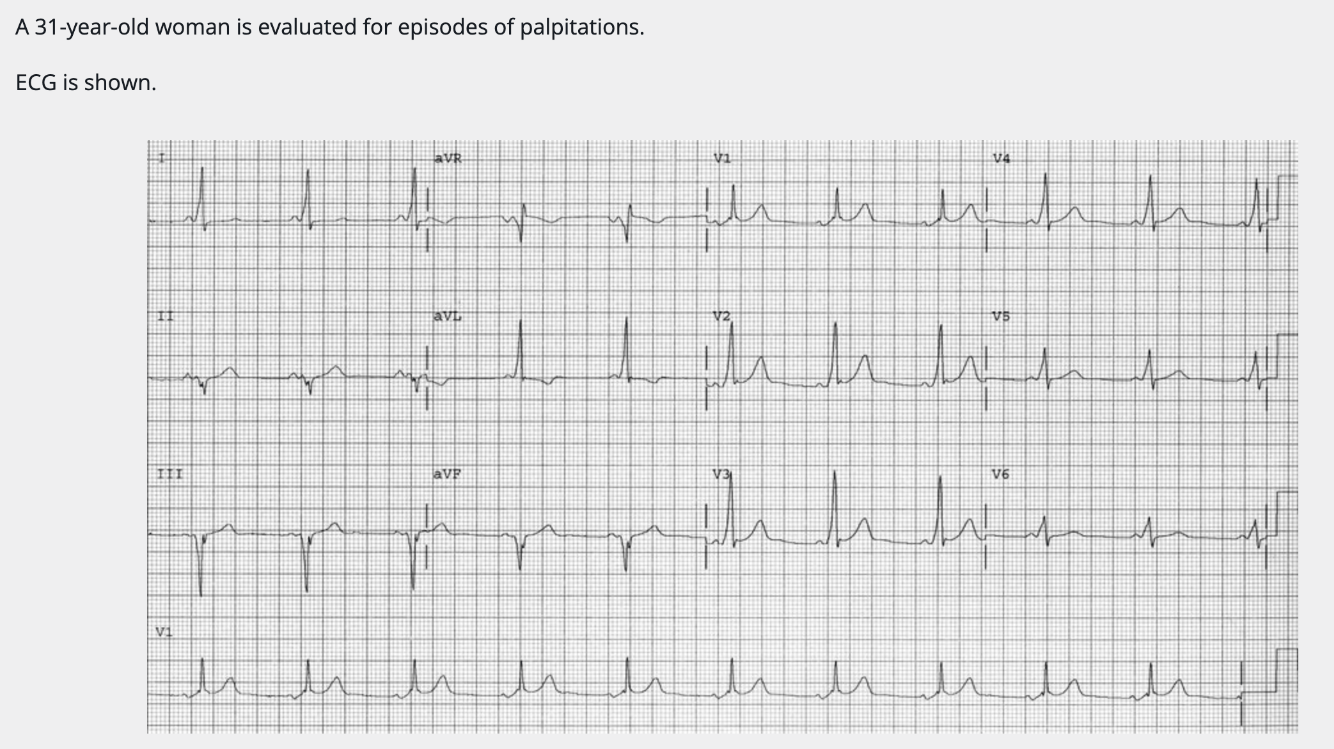 The first line treatment for this arrhythmia is what?
What is Catheter ablation? 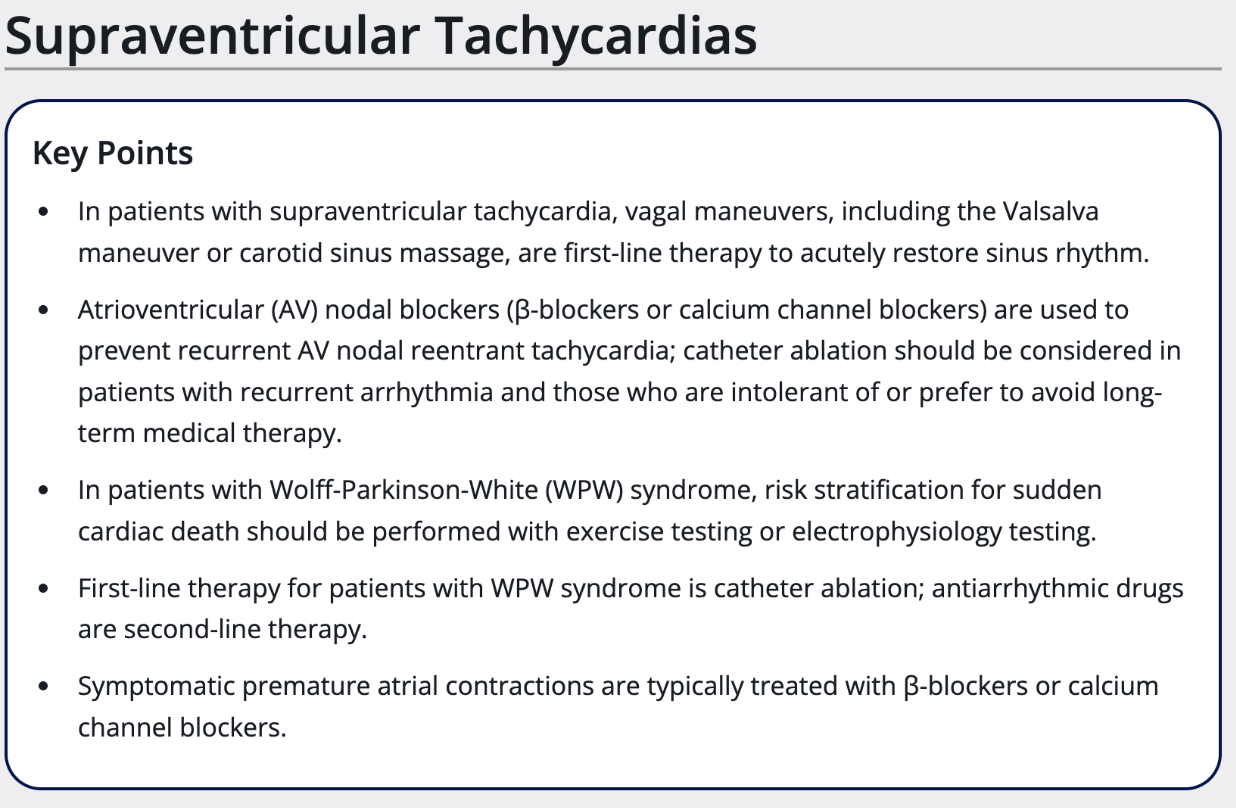
400
For a functioning pituitary adenoma secreting prolactin that measures at least 1 cm in size, this class of medication is the first-line treatment, with repeat MRI recommended at 3–6 months and then annually for three years.
What is a dopamine agonist? (for macroprolactinoma)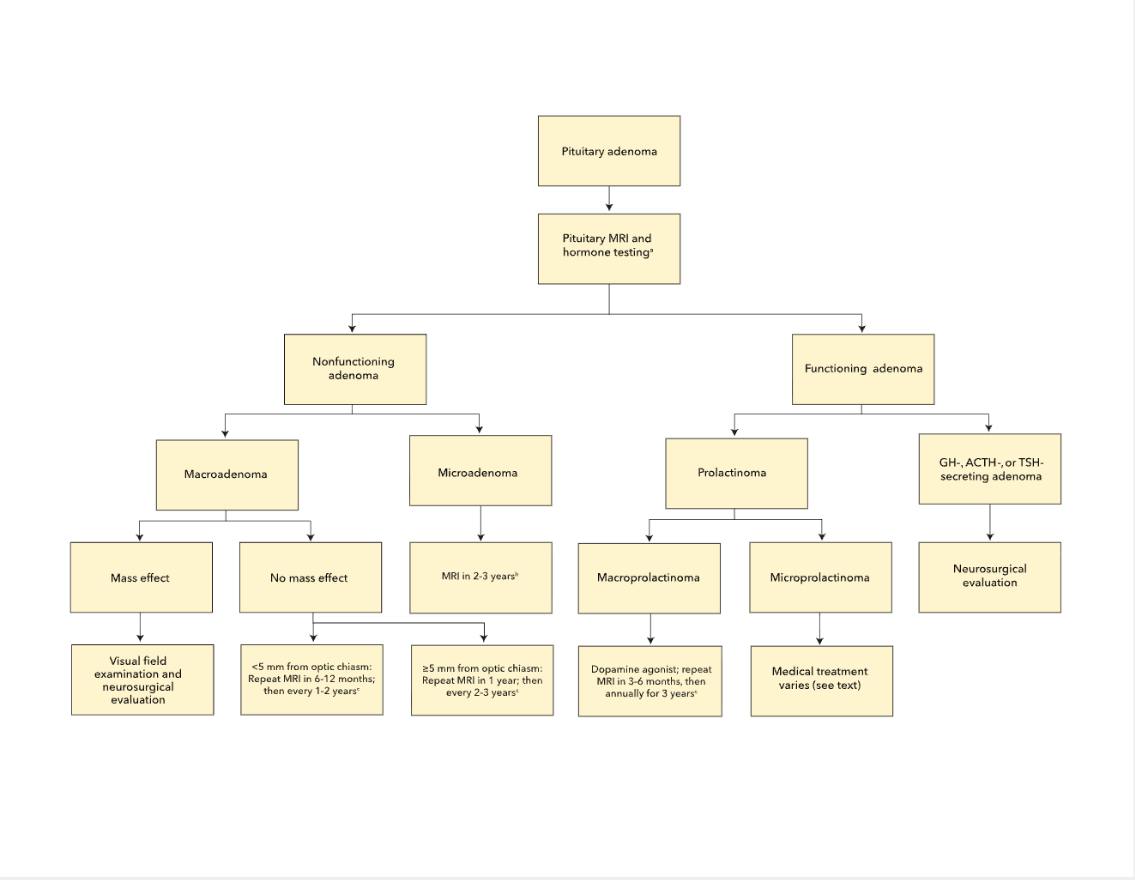
400
The following CT scan of the chest is most likely what disease?
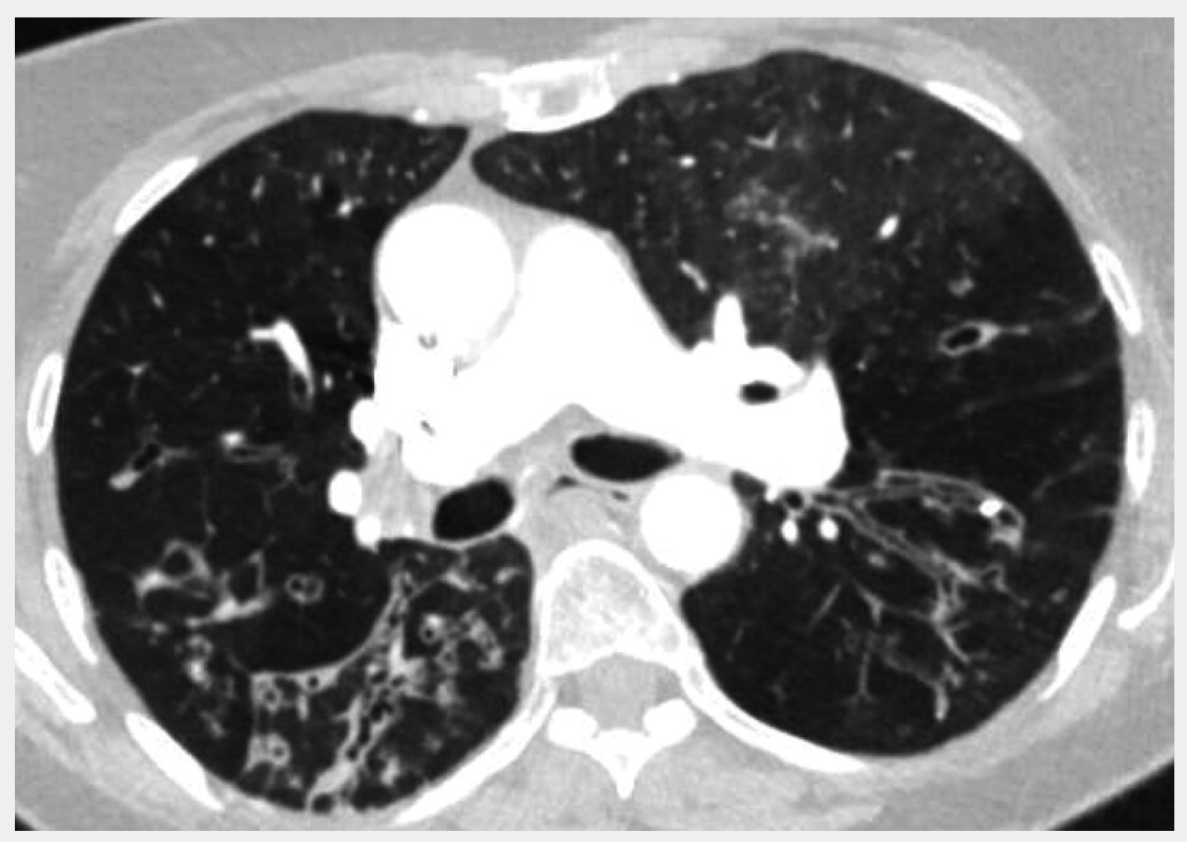
What is bronchiectasis?
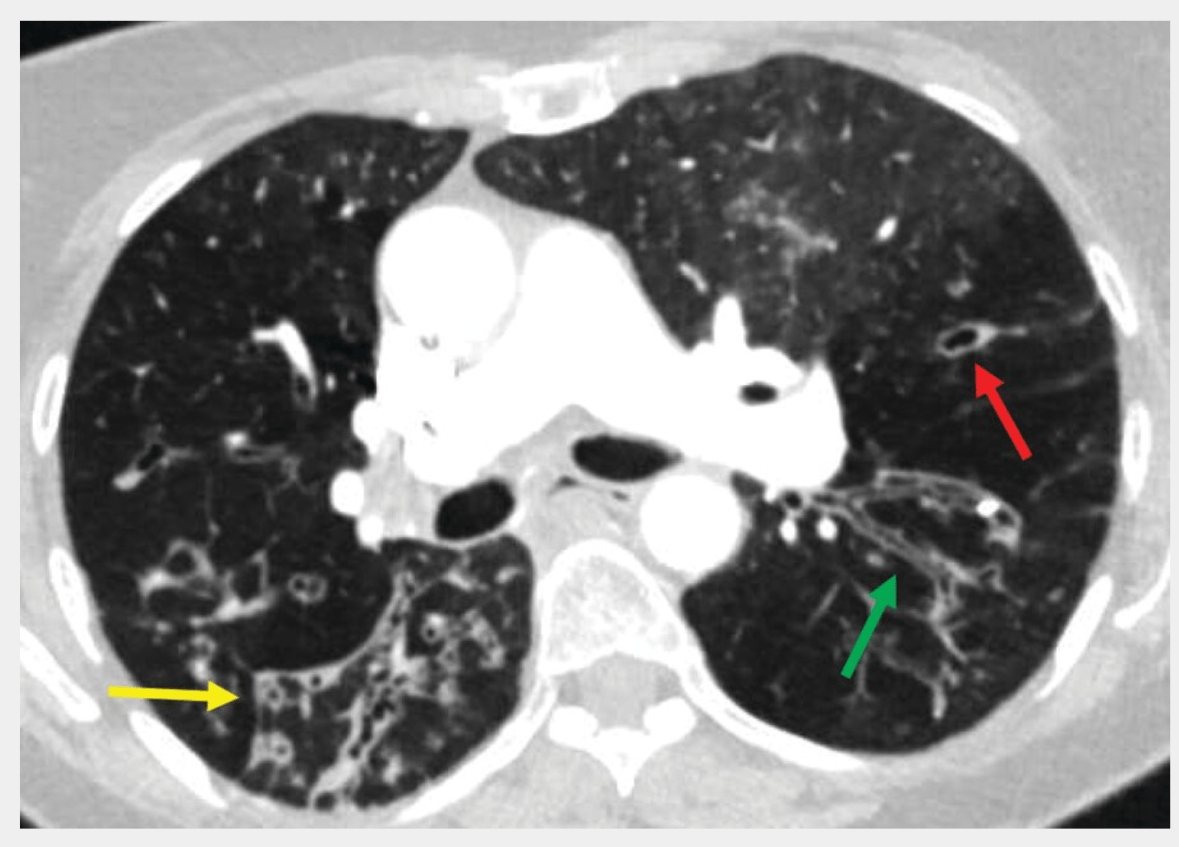
Typical findings (airway dilatation with lack of tapering [green arrow], bronchial wall thickening [yellow arrow], and cysts [red arrow]) may be seen on HRCT.
400
This plasma cell dyscrasia, distinguished from MGUS by a higher M protein level (≥3 g/dL) and 10–59% clonal plasma cells on bone marrow biopsy.
What is smoldering multiple myeloma?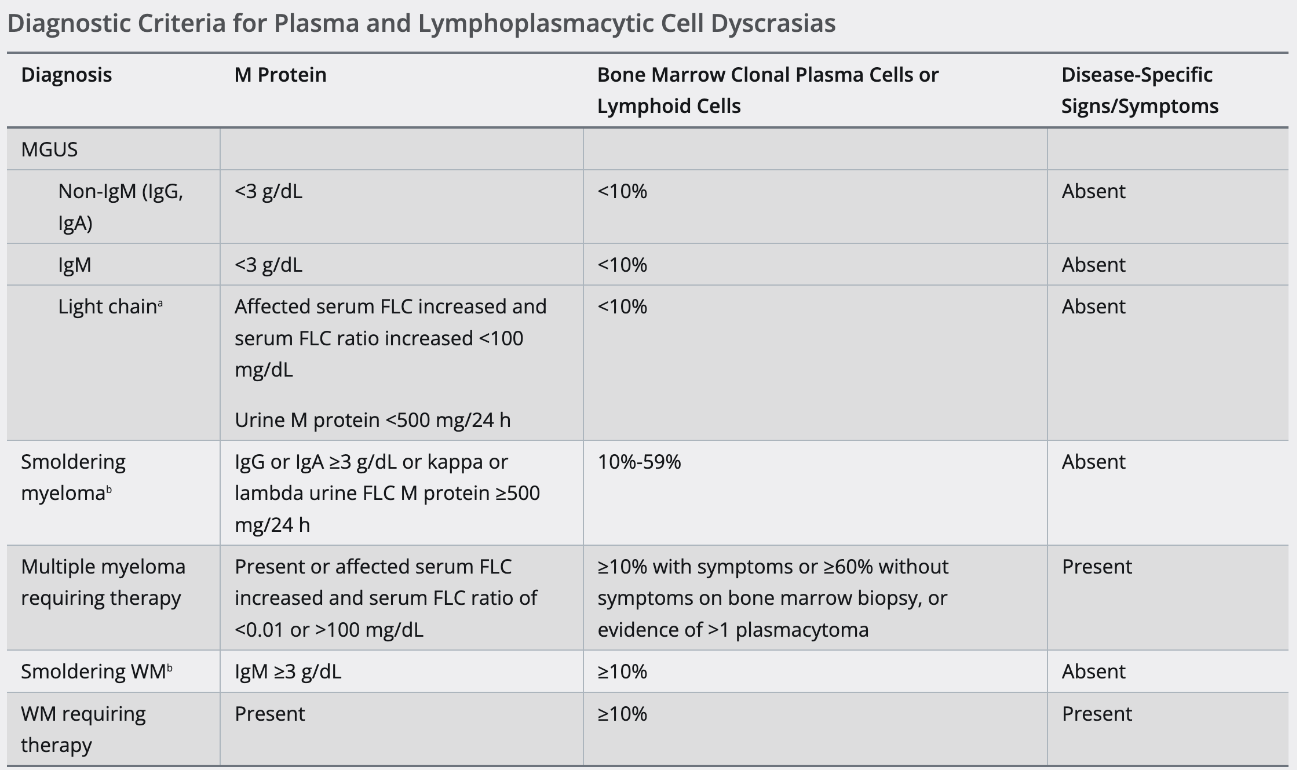
500
This type of renal tubular acidosis presents with hypokalemia, a serum bicarbonate around 15 mEq/L, an inappropriately acidic urine pH despite systemic acidosis, and is classically caused by conditions like multiple myeloma or carbonic anhydrase inhibitors such as acetazolamide.
(What is Type 2 (proximal) renal tubular acidosis?)
500
For a patient to qualify for this cardiac resynchronization device rather than a standard defibrillator, they need NYHA class II–III (or ambulatory IV) symptoms, an LVEF ≤35%, normal sinus rhythm, and a QRS duration ≥150 ms with this specific conduction abnormality.
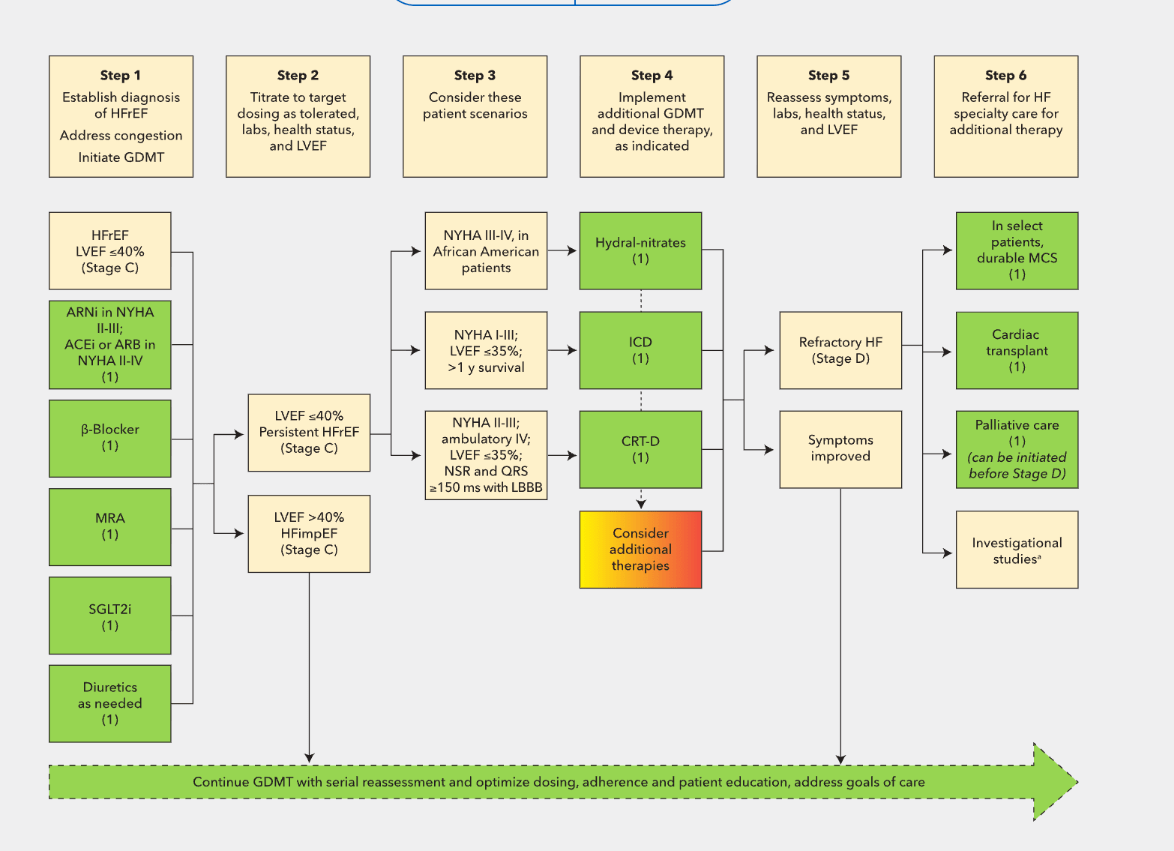 What is CRT-D with LBB
500
In the workup of a thyroid nodule with a suppressed TSH, this imaging study is performed next to determine whether the nodule is "hot" or "cold", a hyperfunctioning nodule needs no biopsy and is instead treated for hyperthyroidism, while a cold or warm nodule proceeds to ultrasound-guided fine-needle aspiration.
What is thyroid scintigraphy (radioiodine uptake scan)?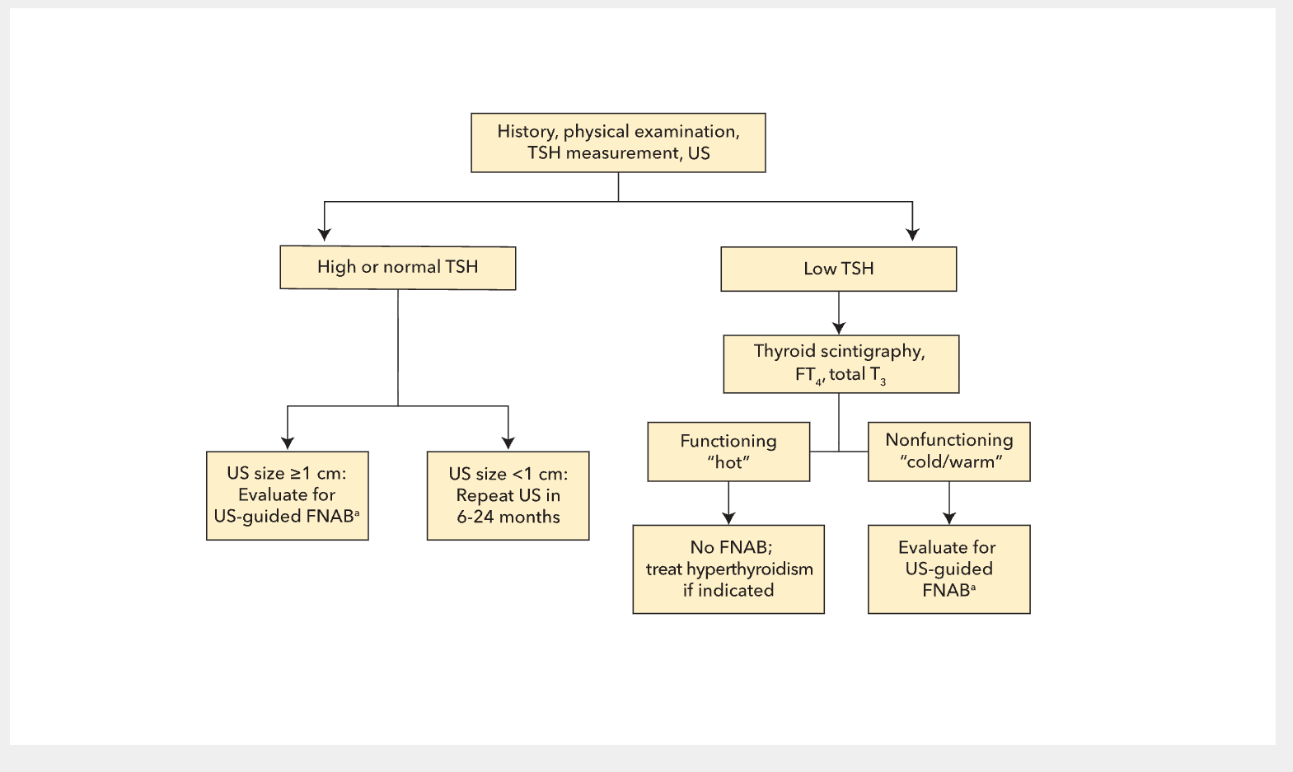
500
For a solitary pulmonary nodule larger than 8 mm found incidentally on imaging, the Fleischner Society recommends considering one of three options, an interval CT at 3 months.
This hybrid imaging study combining metabolic and anatomic data, or direct tissue sampling, regardless of the patient's underlying lung cancer risk.
What is PET/CT?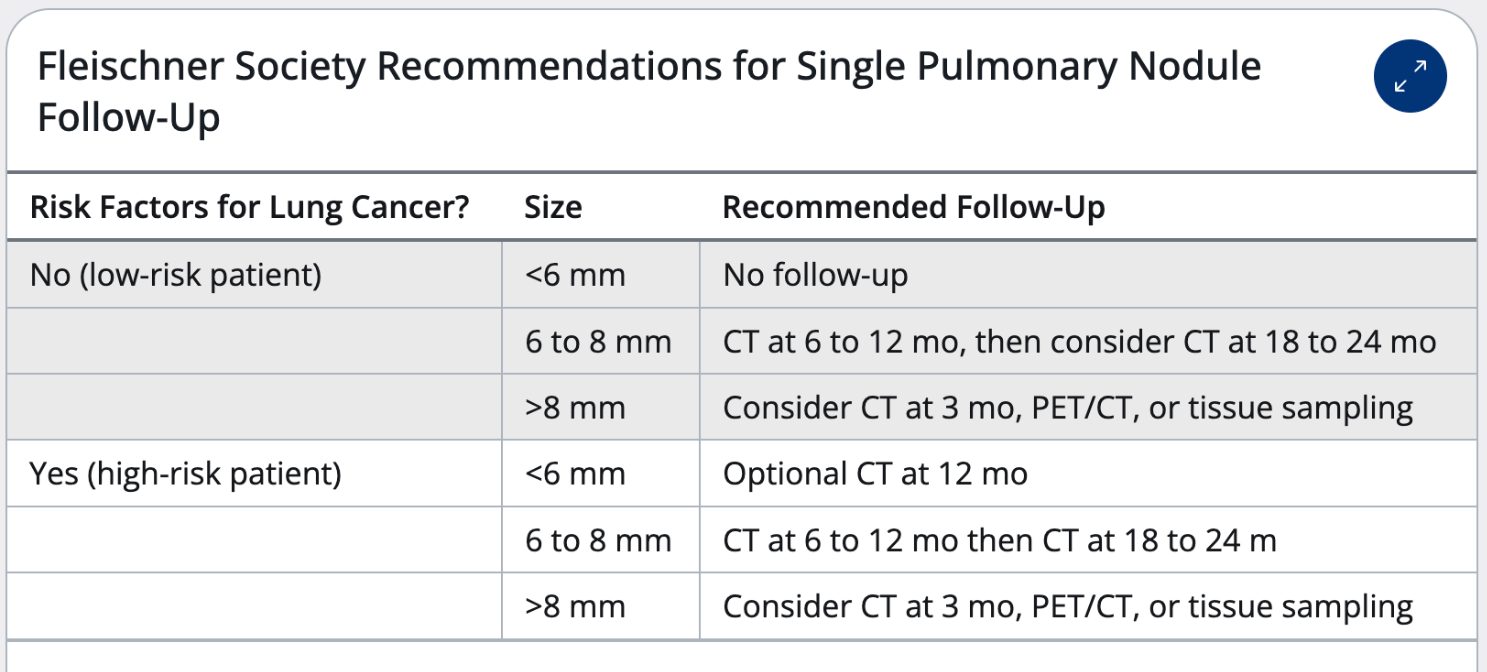
500
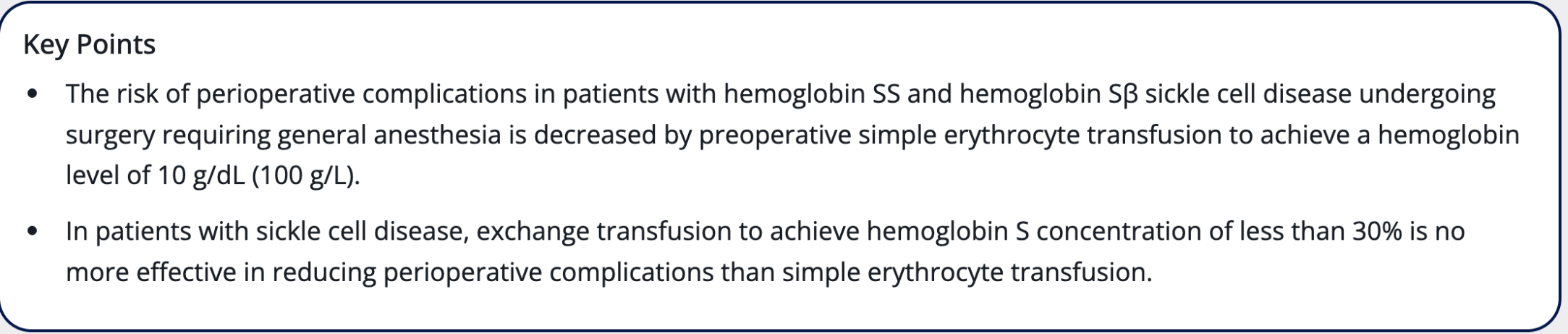
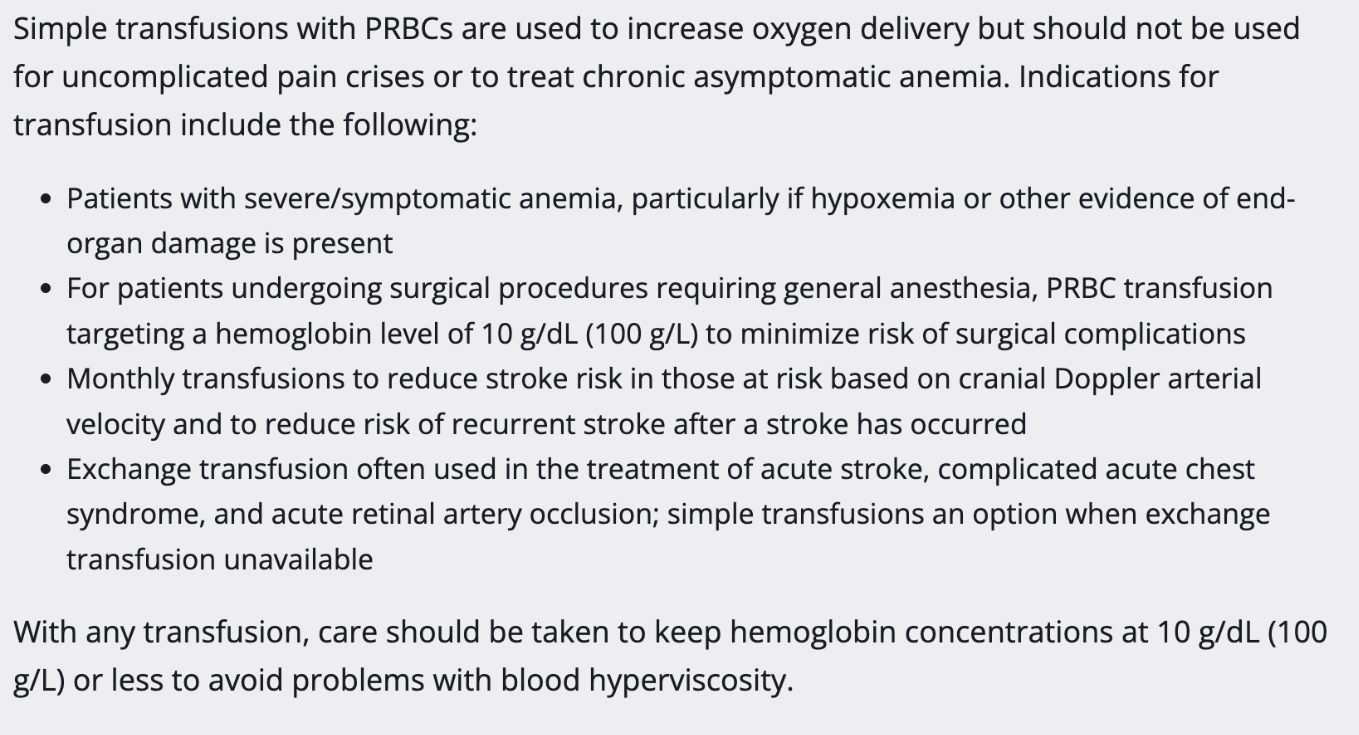
For patients with hemoglobin SS or hemoglobin Sβ sickle cell disease facing surgery under general anesthesia, this preoperative intervention — a single simple erythrocyte transfusion targeting hemoglobin of what range, has been shown to reduce perioperative complication risk?
Targeting hemoglobin 10 g/dL