🐜 Catch the ANT
🧩 Thinking Traps
😊 Feelings & Thoughts
🔄 Change the Thought
🕵️ Super Thought Detectives
100
This is the name for sneaky negative thoughts that pop into our brain without asking.
➡️ Answer: What are *ANTs (Automatic Negative Thoughts)?

100
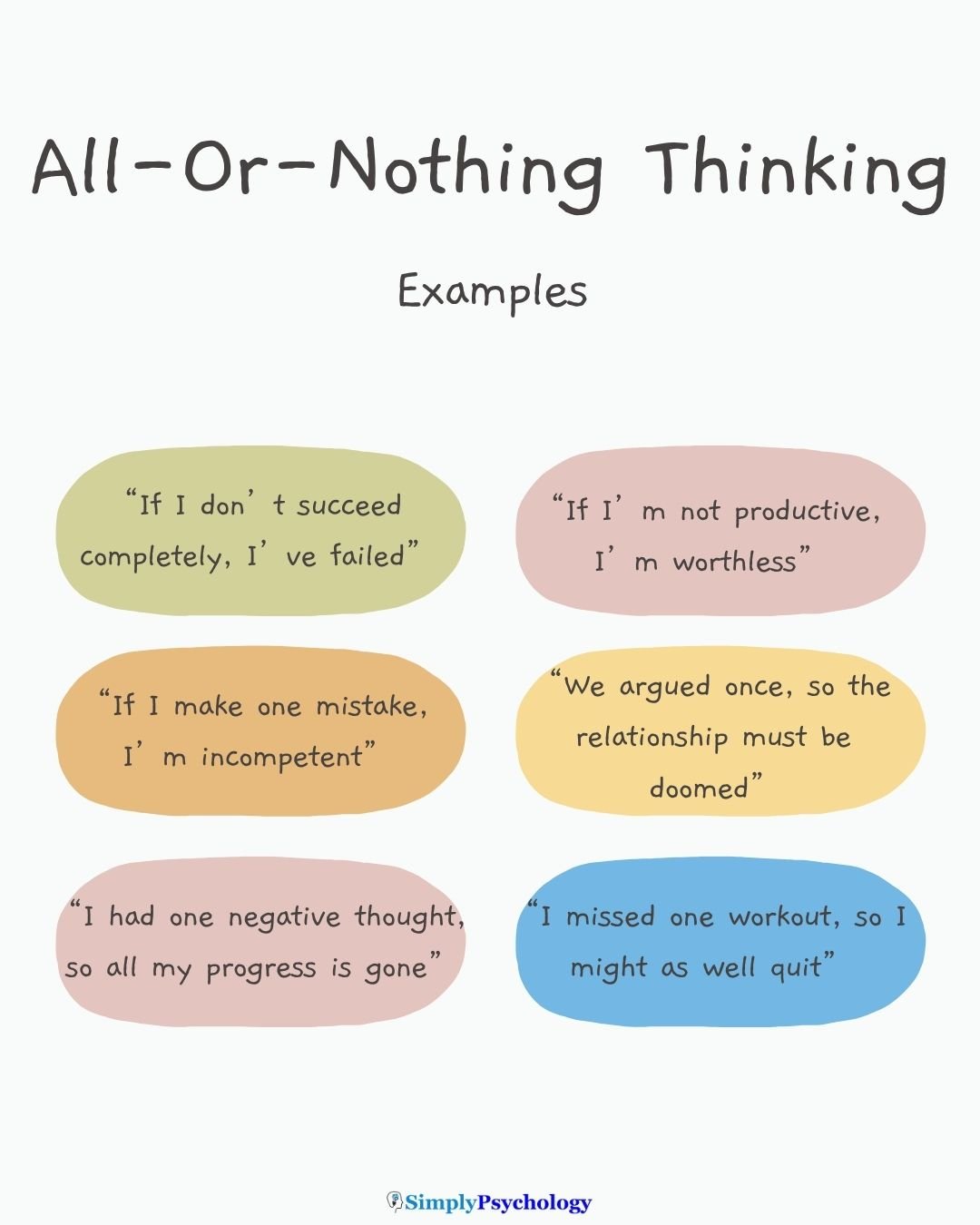
Thinking “I always mess up everything!” is an example of this thinking trap where things are all good or all bad.
➡️ Answer: What is All-or-Nothing Thinking?
100
In CBT, thoughts affect this thing we feel inside.
➡️ Answer: What are feelings?

100
ANT: “I’m terrible at math.”
Better thought: ______
➡️ Answer: “I can get better with practice.”
100
What kind of detective notices thinking traps?
➡️ Answer: A Thought Detective.

200
Automatic Negative Thoughts pop into your mind super fast, like a surprise guest you didn’t invite. What is an ANT that you had recently?
➡️ Answer:
200
Thinking you know what someone else is thinking without asking.
➡️ Answer: What is Mind Reading?

200
If you think “I can’t do this,” you might feel this emotion.
➡️ Answer: Anxious / sad / frustrated (any reasonable answer).

200
ANT: “Nobody likes me.”
Helpful thought: ______
➡️ Answer: “Some people do like me.”
200
Name one clue a thought might be a thinking trap.
➡️ Answer examples:
It sounds extreme
It says “always/never”
It makes you feel worse
300
If a thought makes you feel worse and tells you something like “I’m terrible at everything,” it might be one of these.
➡️ Answer: What is an ANT (automatic negative thought)?
300
Thinking the worst possible thing will happen.
➡️ Answer: What is Catastrophizing?
300
Changing a thought can help change this too.
➡️ Answer: What are feelings?

300
ANT: “If I make one mistake, everything is ruined.”
Helpful thought: ______
➡️ Answer: “Everyone makes mistakes.”
300
What question can you ask when checking a thought?
➡️ Answer: “Is this really true?”

400
Good thought detectives don’t believe every thought right away. They stop and do this first.
➡️ Answer: What is question the thought / think about it / check if it’s true?
400
When you decide something bad will happen without real proof.
➡️ Answer: What is Jumping to Conclusions?
400
Thoughts, feelings, and this third thing are connected in CBT.
➡️ Answer: What are actions/behaviors?
400
ANT: “This test will be a disaster.”
Helpful thought: ______
➡️ Answer: “I’ll try my best.”
400
Another good question: “What would I tell a friend?”
➡️ Answer: That helps make a kinder thought.
500
True or False: Everyone gets ANTs sometimes.
➡️ Answer: True! Everyone’s brain has them sometimes.

500
Bonus: Name ANY thinking trap we learned!
➡️ Answer: Any distortion is correct.
500
If a thought makes you feel worse, it might be what kind of thought?
➡️ Answer: A thinking trap or ANT.

500
Why is changing thoughts helpful?
➡️ Answer: It helps us feel better and make better choices.
500
What’s one ANT you caught today or recently?
➡️ Answer: "I can't do this!"