Aerodynamics
Engines
Airspace
History
Name the Plane
100
This aerodynamic force opposes thrust and slows the airplane down.
drag
100
Most training airplanes like a Cessna 172 use this type of engine.
piston engine
100
This class of airspace surrounds the busiest airports like LAX.
Class B
100
These two brothers made the first powered airplane flight in 1903.
Wright Brothers
100
This high-wing training aircraft is one of the most common flight school airplanes in the world. 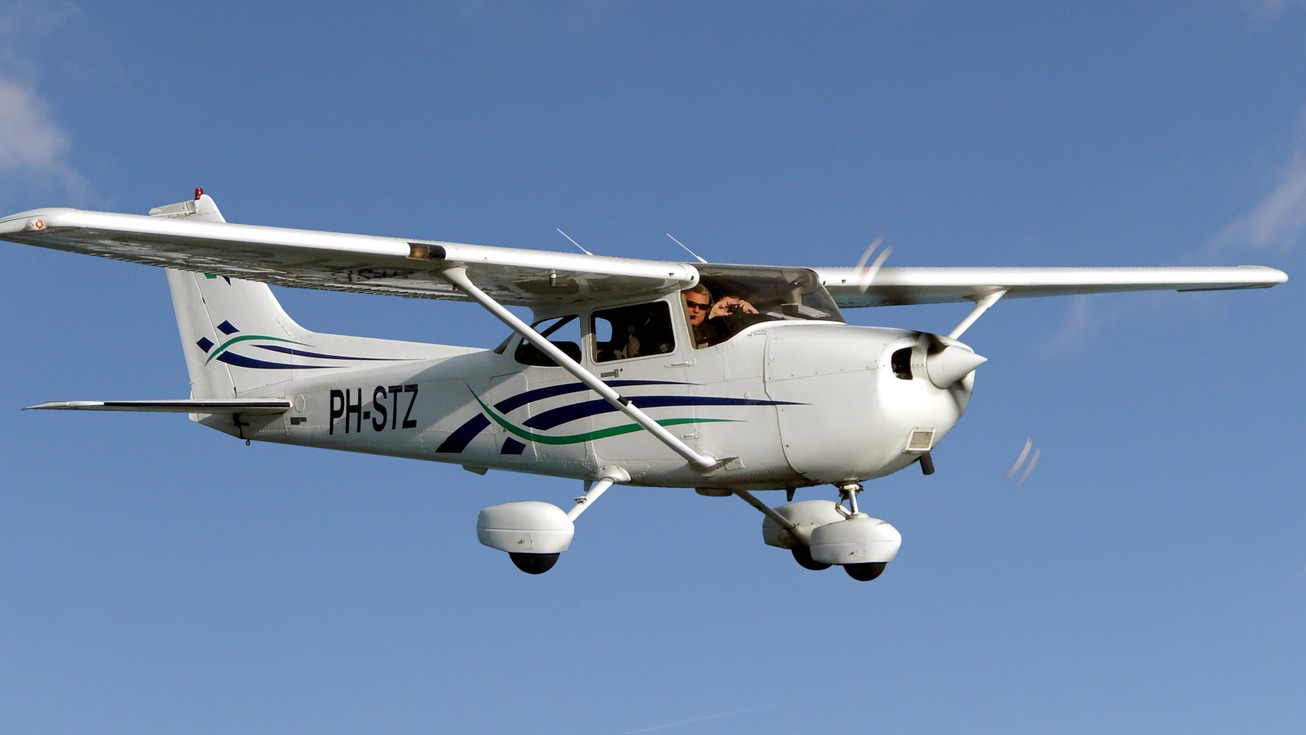
Cessna 172
200
This part of the wing has the greatest effect on producing lift due to its curved shape. (Another name for wing)
airfoil
200
This system mixes fuel with air before it enters the cylinders in many piston engines.
carburetor
200
Student pilots must contact this facility before entering controlled airspace.
Air Traffic Control
200
This pilot became the first woman to fly solo across the Atlantic Ocean.
Amelia Earhart
200
This low-wing training aircraft is commonly used for flight training.
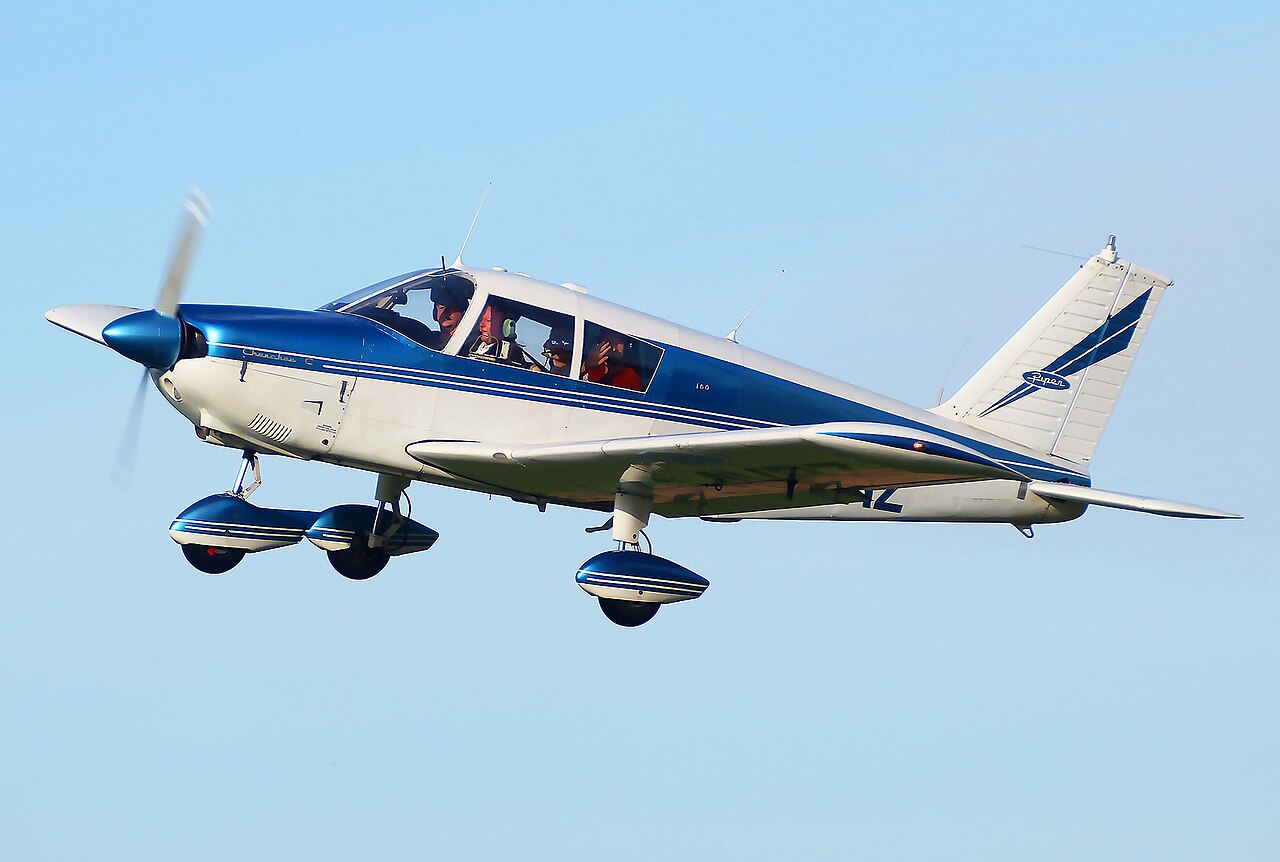
Piper Cherokee
300
The faster airflow over the top of a wing lowers pressure, helping create lift. This principle is known as this scientist’s principle.
Bernoulli’s Principle
300
This cockpit control adjusts the fuel-to-air mixture for efficient engine operation.
mixture
300
This class of airspace typically surrounds small to medium-sized airports with control towers.
Class D
300
Most famous WWI German Pilot.
Red Baron
300
This large four-engine jet airliner built by Boeing is nicknamed the “Queen of the Skies.
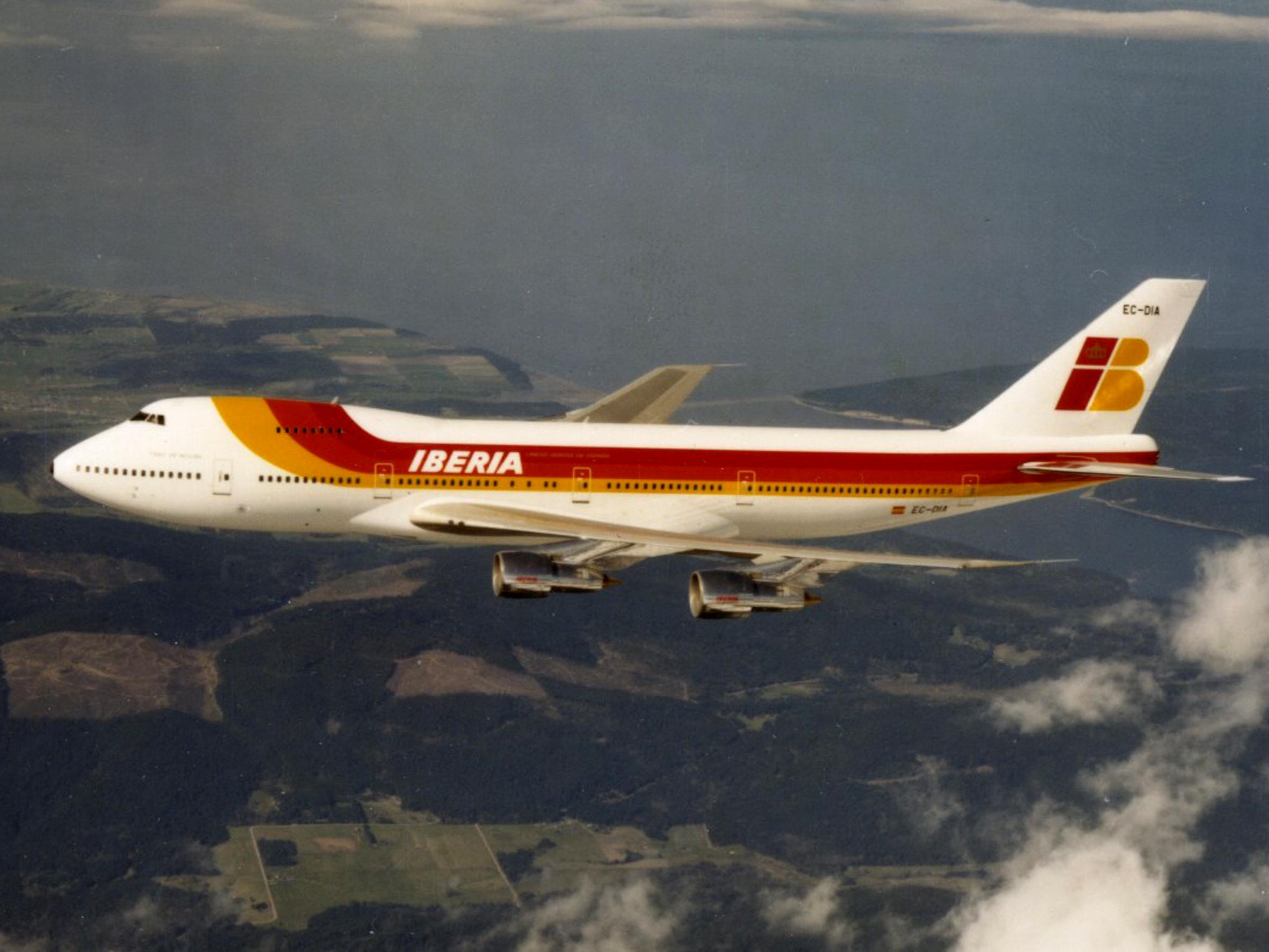
Boeing 747
400
This occurs when the wing exceeds its critical angle of attack and loses lift.
stall
400
Aircraft engines are commonly cooled by air flowing over the cylinders. What is this type of cooling?
air cooling
400
This airspace begins at 18,000 feet MSL in the United States.
Class A
400
This famous World War II fighter plane was known as the Mustang.
P-51
400
This military stealth fighter jet used by the U.S. Air Force is known as the Raptor.

F-22
500
The invisible spiraling air currents that trail behind a wingtip are called these.
wingtip vortices
500
This instrument measures engine speed in revolutions per minute.
tachometer
500
The airspace where ATC provides separation between IFR aircraft but VFR aircraft may enter without clearance is this class.
Class E
500
This aircraft was the first commercially successful jet airliner.
Boeing 707
500
This two-seat homebuilt aircraft designed by Van’s Aircraft is popular in flight training and was built by our aviation program.
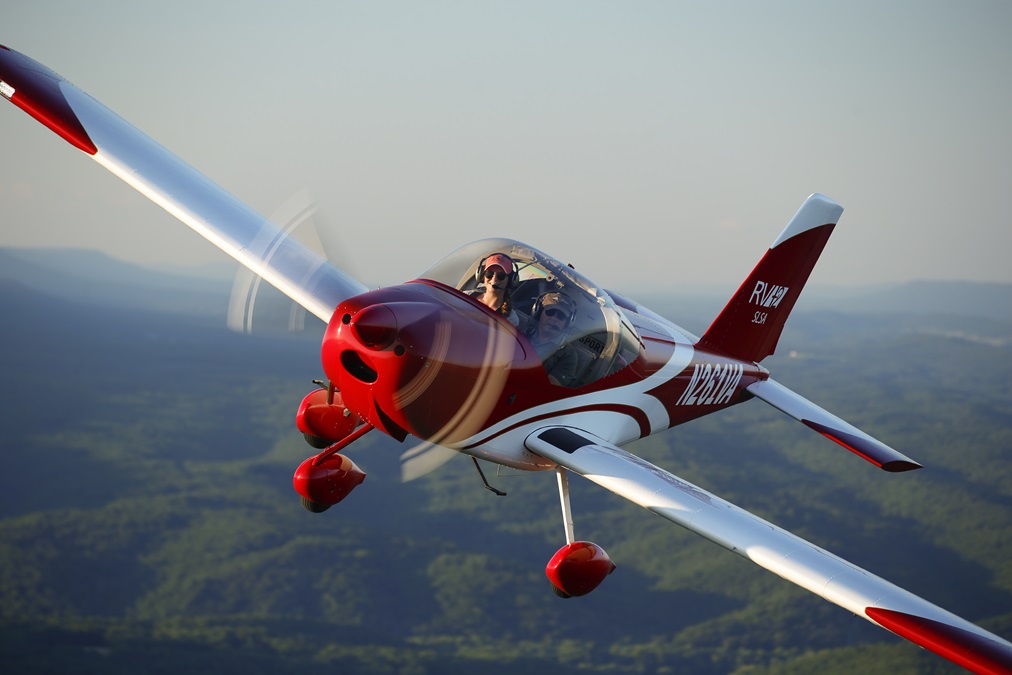
RV-12