Muscle ID
Actions/Movement
Innervation
Miscellaneous
Clinical Cases
100
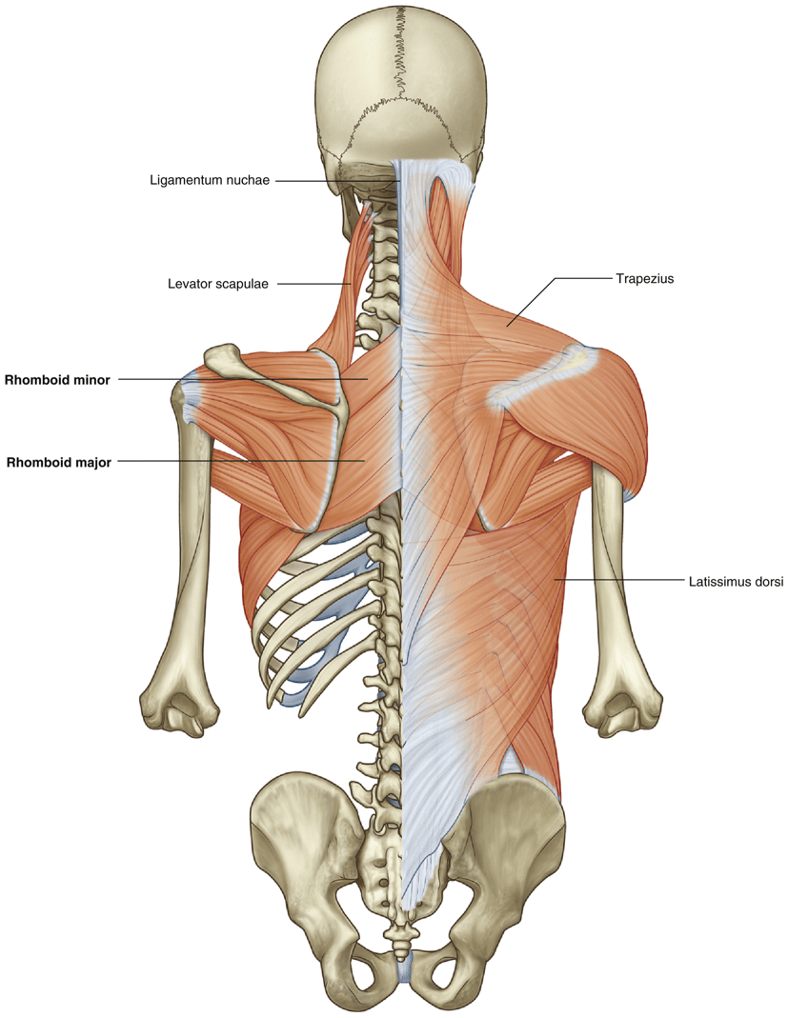
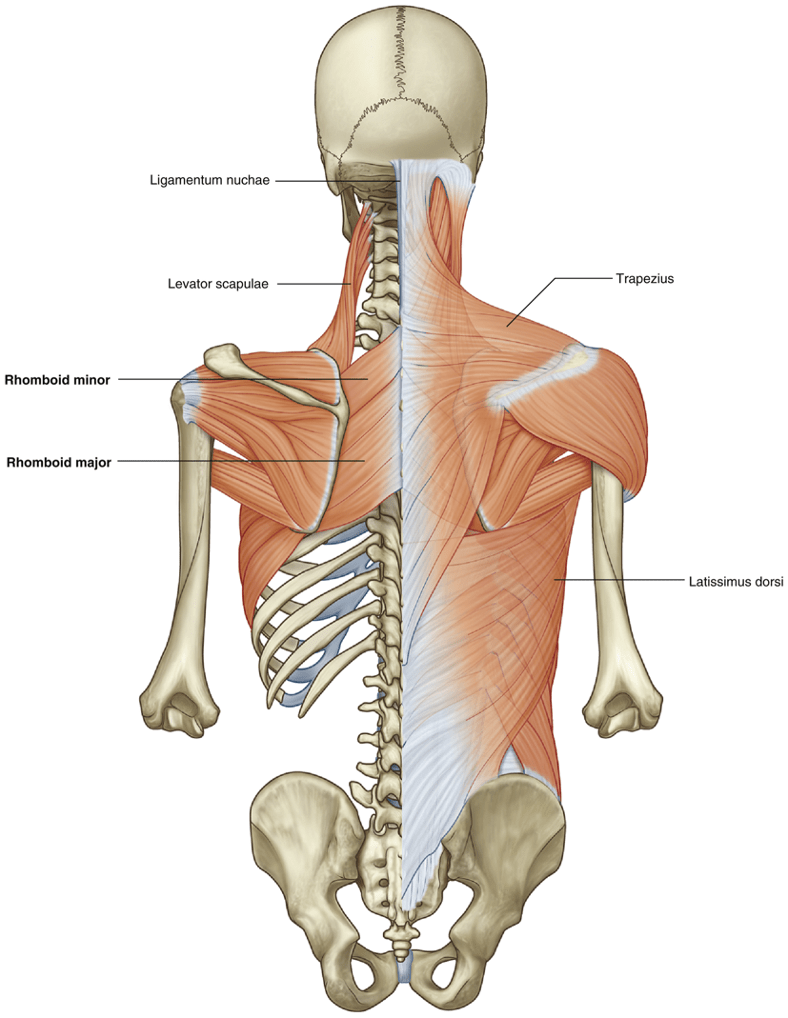
This broad superficial muscle elevates and retracts the scapula.
Trapezius
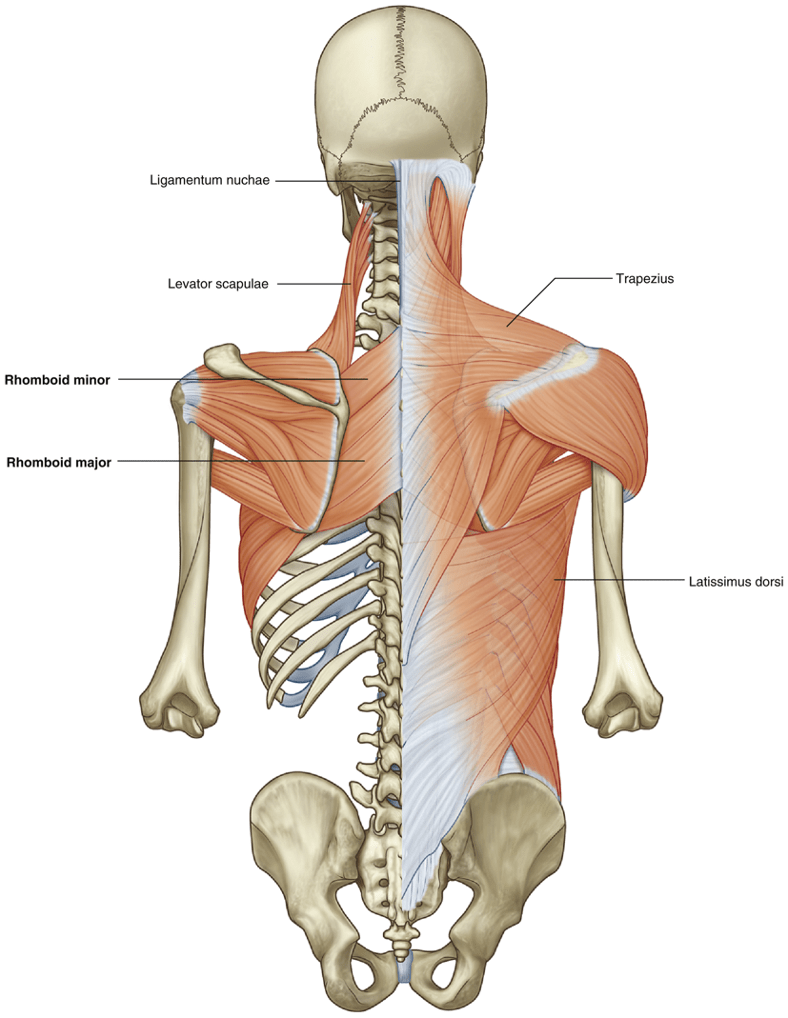
100
What movement is produced by bilateral contraction of erector spinae?
Extension of the vertebral column
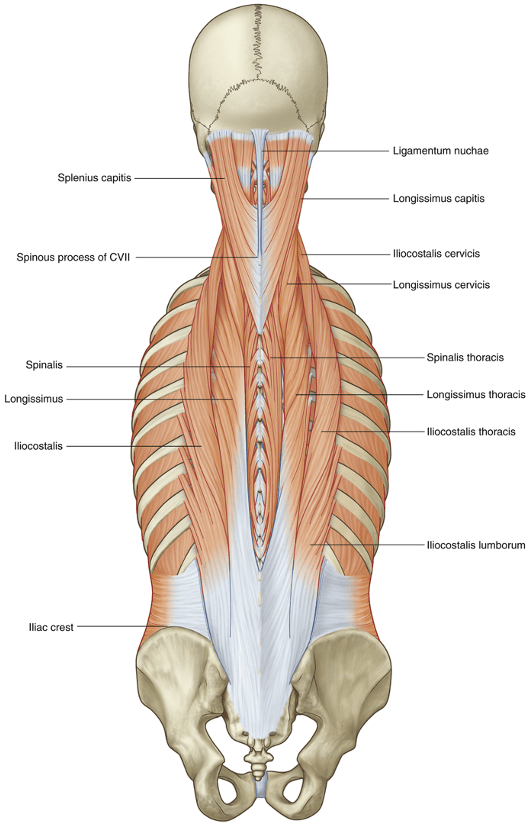
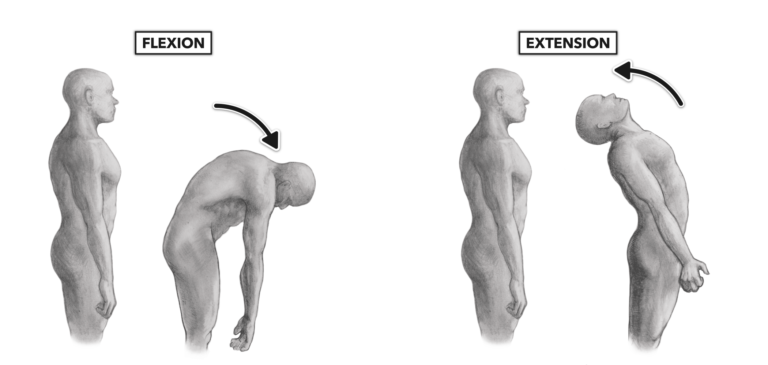
100
Deep back muscles are innervated by these nerves.
Posterior (dorsal) rami of spinal nerves
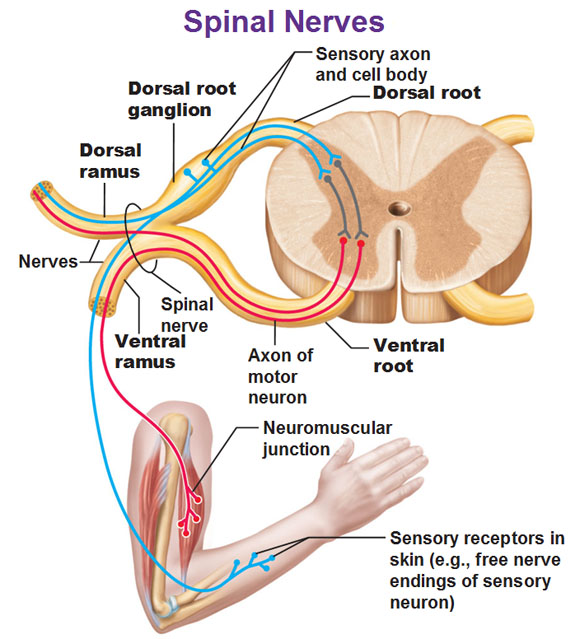
100
What fascia is important for lower back stability?
Thoracolumbar fascia
:background_color(FFFFFF):format(jpeg)/images/article/thoracolumbar-fascia/SFDjXUvynTtvBy5CgX7Ig_fascia_thoracolumbalis_large_1ZX8UoxZhEGT8JQyaA.png)
100
An elite weightlifter experiences localized lumbar spasms after a deadlift. Biomechanical testing reveals hypertonicity in the deep intrinsic muscle layer that spans L2-L6 vertebral segments and primarily functions as a local stabilizer of the vertebral column during rotation. What muscle group is involved?
Multifidus
200
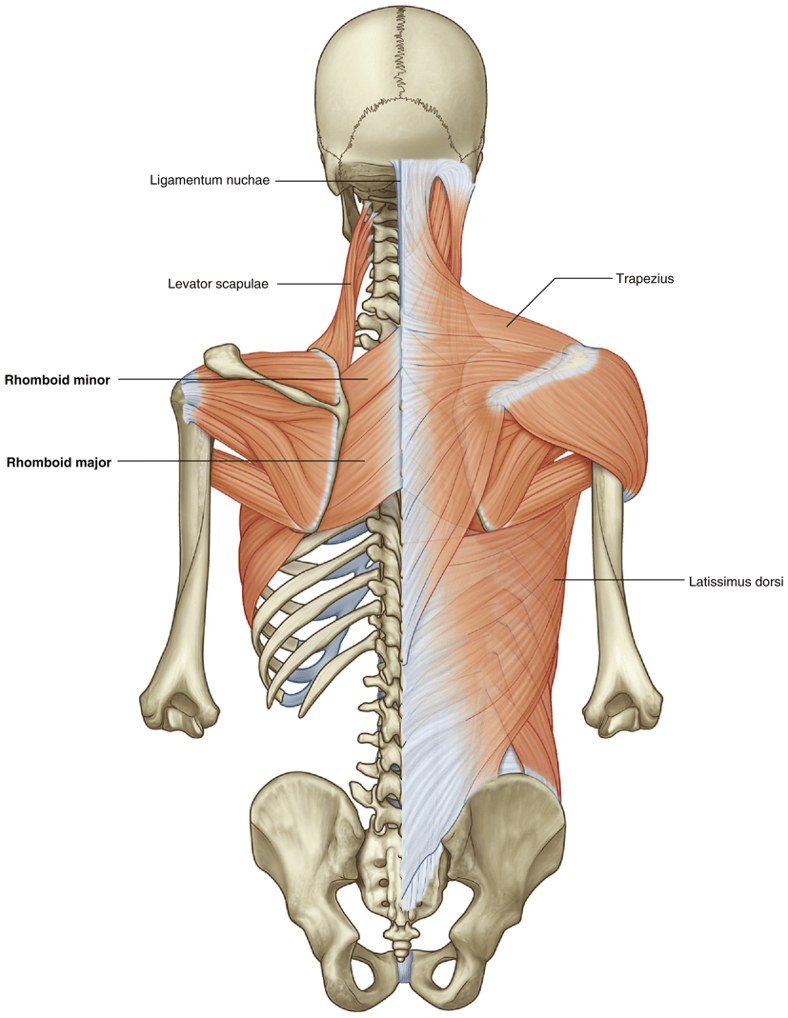
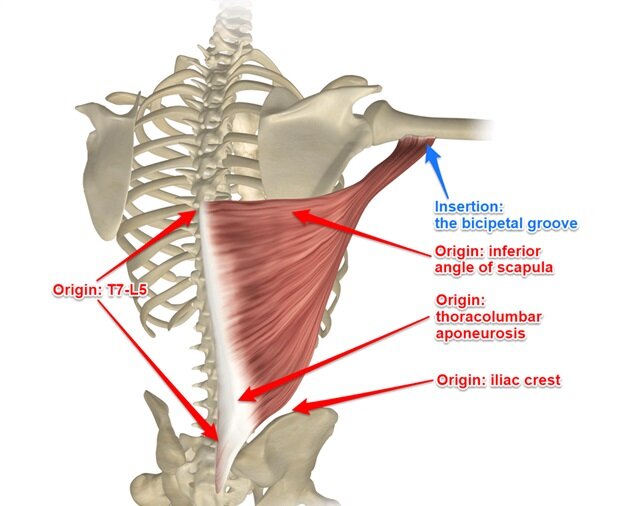
This muscle connects the vertebral column to the intertubercular groove of the humerus.
Latissimus dorsi
200
This muscle assists in pulling the upper limb downward and backward.
Latissimus dorsi

200
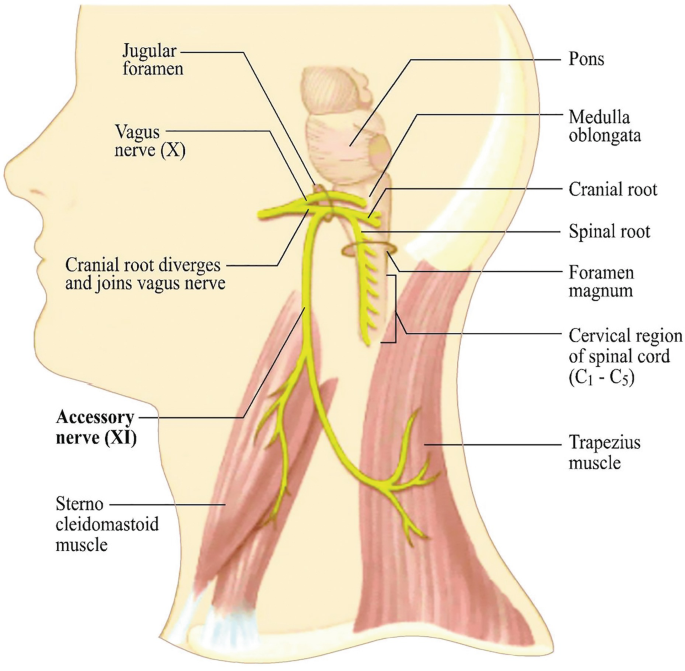
This cranial nerve innervates the trapezius muscle.
Accessory nerve (CN XI)
200
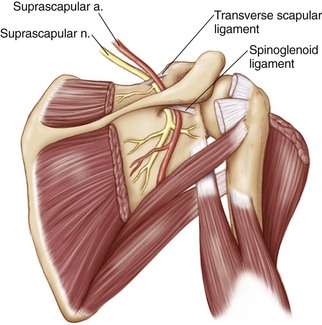
What is the anatomical structure that bridges the suprascapular notch, creating a dangerous site for nerve entrapment.
Superior transverse scapular ligament
200
Physical examination of a 45-year-old female, complaining of persistant pain between her shoulder blades, reveals a localized area of marked tenderness with a palpable, taut band of muscle tissue located between the vertebral column and the scapula. The taut band extends from the spinous processes of the T2–T5 vertebrae to the medial border of the scapula, inferior to the root of the scapular spine. Resisted scapular retraction and downward rotation replicate her primary pain.
Which muscle is most likely exhibiting dysfunction?
Rhomboid Major
300
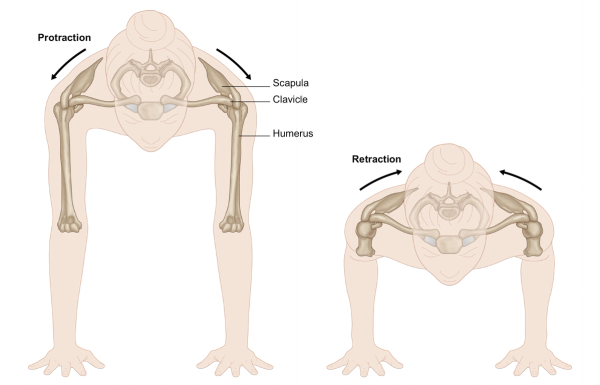
These muscles lie deep to trapezius and retract the scapula.
Rhomboid major and minor
300
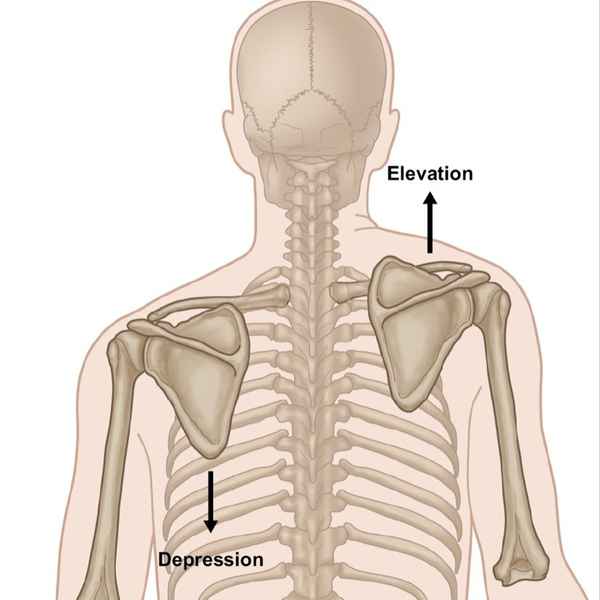
What movement occurs when the descending fibers of trapezius contract?
Elevation of the scapula
300
Following a fracture of the surgical neck of the humerus, a patient loses cutaneous sensation over the lateral shoulder ("regimental badge" area) and experiences weakness during arm abduction. What nerve was damaged in the injury?
Axillary nerve
300
Erector spinae belongs to this category.
Intrinsic deep back muscles
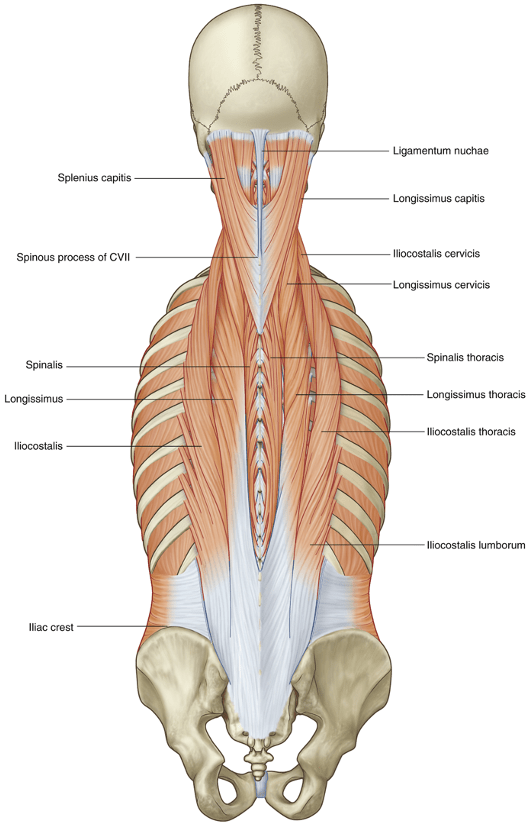
Muscles of the Back:
-Extrinsic Muscles = Superficial group and Intermediate group
-Intrinsic Muscles = Deep group and Suboccipital group
Deep groups of muscles (4) (superficial to deep):
1) Spinotransversales muscles, 2) Erector spinae muscles, 3) Transversospinalis muscles, 4) Segmental muscles
300
A patient presenting with chronic lower rib pain exhibits tender points along the spinous processes of T9–T12 and difficulty with forced expiration. Physical exam reveals dysfunction in a thin intermediate back muscle. What nerve innervates this affected muscle?
Intercostal Nerves
400
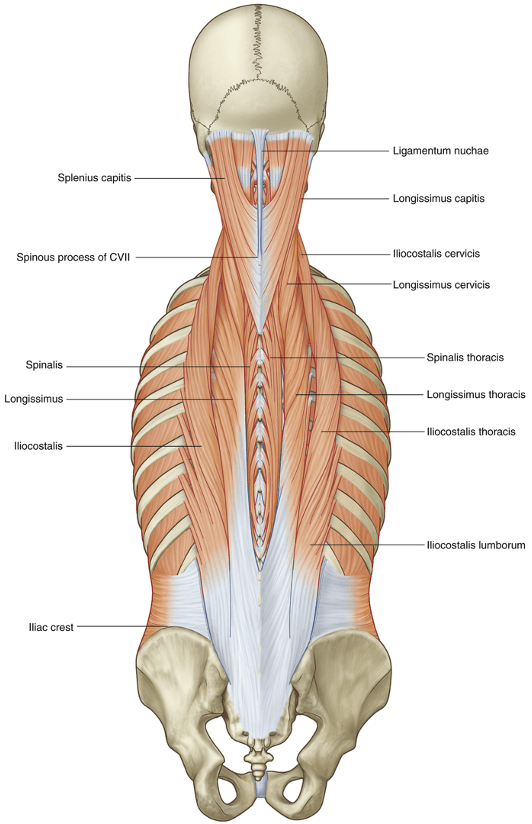
This deep intrinsic muscle group extends the vertebral column.
Erector spinae
400
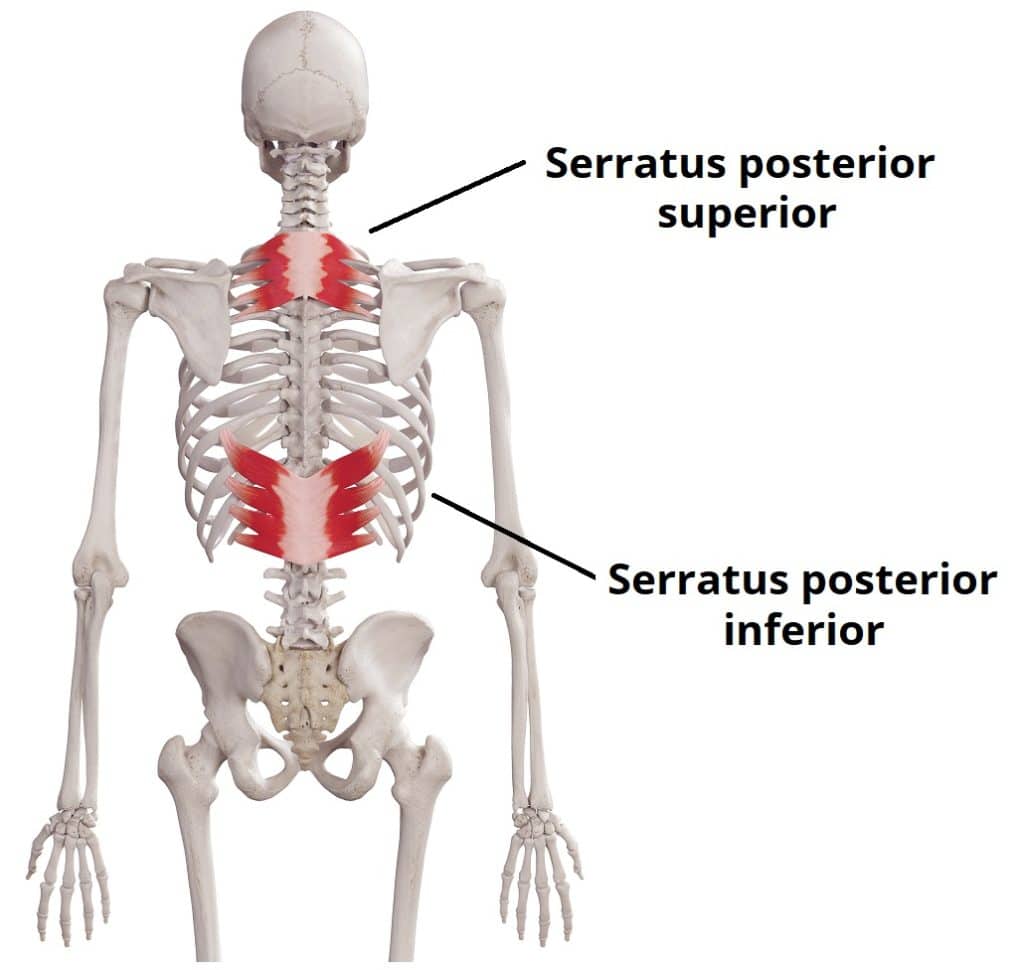
These muscles either elevate or depress the ribs during inhalation or exhalation.
400
A direct blow to the C5 root level leads to weakness in retracting the scapula and elevating its medial border, involving the levator scapulae and rhomboid muscles. This nerve provides their primary motor innervation.
Dorsal Scapular Nerve
400
Arising from the thyrocervical trunk, this vessel crosses the posterior triangle of the neck and divides into superficial and deep branches.
Transverse Cervical Artery
400
A patient with chronic suboccipital headaches experiences significant symptomatic relief following myofascial suboccipital decompression. Anatomically, this manual release relieves tension on a purely sensory nerve. What cutaneous nerve is the primary target relieved by this technique? What muscles does it pierce?
Greater Occipital Nerve (C2 Dorsal Ramus); Splenius Capitis and trapezius.