Vocabulary 1
Vocabulary 2
Vocabulary 3
Vocabulary 4
Bacterial Disease by Picture
100
single-celled or non-cellular microorganisms which lack chlorophyll and reproduce by fission
bacteria
100
plant pathogens which cause harm to plants
disease
100
agents which are not alive, such as weather conditions, air pollution and toxic chemicals
Non-Living Agents
100
Are nearly impossible to eliminate if not treated immediately, especially soil-borne disease.
Fungal Diseases
100
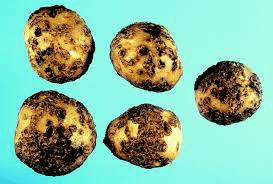
Potato Scab
200
diseases in plants caused by bacteria
bacterial diseases
200
any agent which destroys or prevents the growth of fungi
Fungicides
200
disease-producing agents which cause harm to other organisms
Pathogens
200
Are easier to prevent rather than cure
bacterial diseases
200
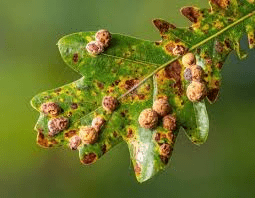
galls
300
cause discoloration, wilting and death in plants
blights
300
process of a seed sprouting and beginning to grow
germination
300
small openings on the surface of leaves which allow for gases and water to pass in and out
Stomata
300
Are microscopic, infectious agents consisting of a protein coat surrounding nucleic acid
Viruses
300
Crown Gall
400
practice of growing different crops on the same land over a period of several growing seasons; aids in insect control and preservation of soil quality; example: growing corn for two years, then switching to soybeans on the same land
crop rotation
400
organisms such as fungi, bacteria and viruses
living agents
400
type of root which grows straight down into the soil to reach water
Taproots
400
Are specific pesticides for fungal diseases in plants
Fungicides
400
bacterial spot
500
where the stem of the plant meets the roots
crown
500
single-celled organisms including viruses, fungi and bacteria
Microorganisms
500
tissue which conducts water and nutrients through the plant
Vascular Tissue
500
infects cucumbers, melons and squash
usually appears on fruit in the middle stage of development
causes small, saturated areas to develop on stems and fruit
Angular Leaf Spot
500
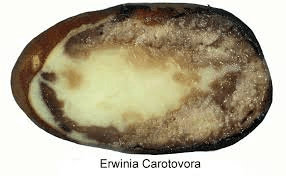
bacterial soft rot