Elements of a Plot
Literary Elements
Literary Devices
Figurative Language
Character Types
Rhetorical Appeals
100
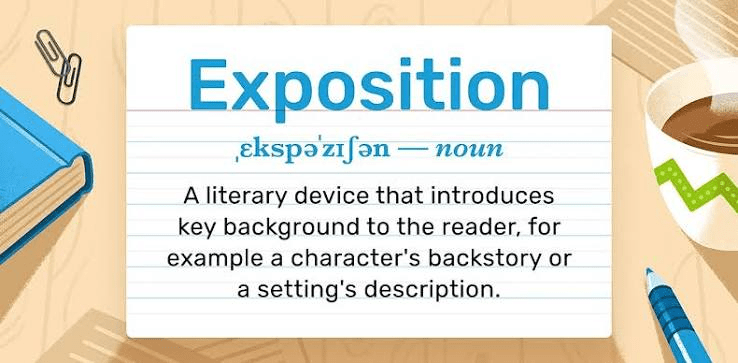
This part of the plot usually introduces the where, when, who, main character(s), and the central conflict.
What is the Exposition?
100
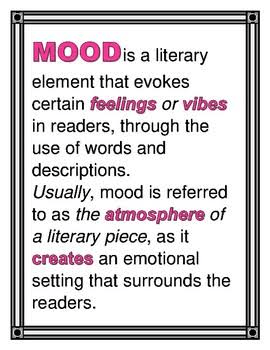
This element describes the emotional atmosphere a reader experiences while engaging with a text.
What is mood?
100
This device uses descriptive language that appeals to the senses to help readers visualize a scene.
What is Imagery?
100
This device gives human qualities to animals, objects, or ideas, making descriptions more vivid or emotional.
What is Personification?
100
This character type is the central figure of the story whose goals and struggles drive the plot forward.
What is a Protagonist?
100
This rhetorical appeal relies on the speaker’s credibility or trustworthiness.
What is Ethos?
200
This plot element introduces obstacles that make the protagonist’s journey more difficult and advance the story.
What is the complication?
200
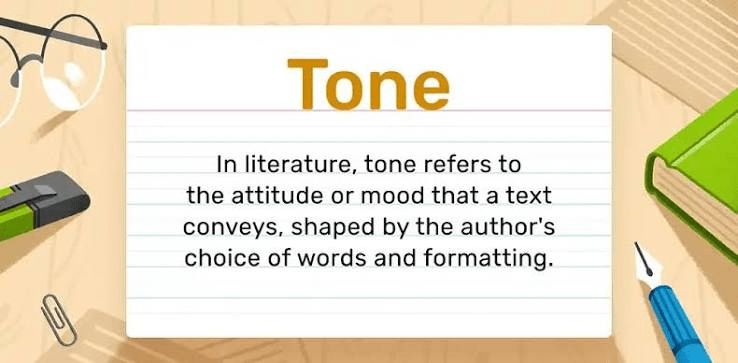
This element reveals the author’s attitude toward the subject, shown through word choice and style.
What is Tone?
200
This device occurs when the outcome is the opposite of what is expected, or when a speaker says one thing but means another.
What is Irony?
200
This device uses deliberate exaggeration for emphasis, humor, or dramatic effect—often to reveal a character’s feelings.
What is a Hyperbole?
200
This character type creates obstacles for the main character, often serving as the opposing force in the conflict.
What is an Antagonist?
200
Which appeal focuses on emotional influence to persuade an audience?
What is Pathos?
300
This is the turning point of the story—the moment of highest tension—when the main conflict reaches its peak.
What is the climax?
300
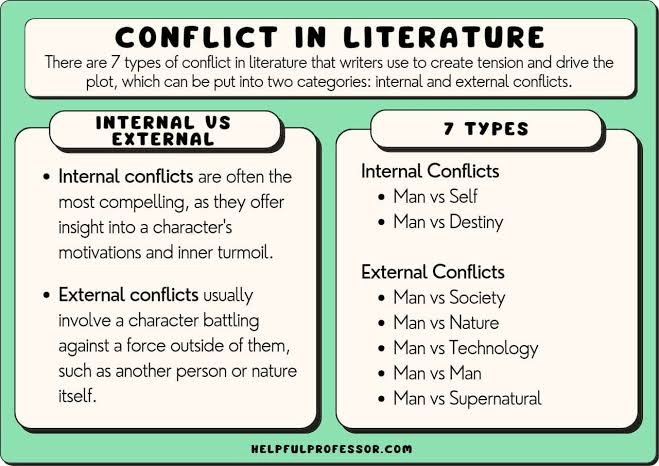
This element drives the plot by presenting the struggle between opposing forces, such as character vs. character or character vs. self.
What is Conflict?
300
This device uses objects, colors, or actions to represent deeper meanings beyond their literal definition.
What is Symbolism?
300
This device expresses meaning through a phrase that cannot be understood literally, such as “break the ice” or “spill the beans.”
What is an Idiom?
300
This character type undergoes significant internal change—such as a shift in beliefs, personality, or understanding—by the end of the story.
What is a Dynamic character?
300
When a speaker uses statistics and logical reasoning, which rhetorical appeal is being used?
What is Logos?
400
This part of the plot untangles the conflict and reveals how the events begin to fall into place after the climax.
What is the denouement or resolution?
400
This element expresses the story’s central message or insight about life, often revealed through characters’ choices and consequences.
What is Theme?
400
This device provides subtle hints about events that will occur later in the story.
What is Foreshadowing?
400
This device pairs two contradictory words—like “deafening silence” or “bittersweet”—to highlight complexity or tension.
What is an Oxymoron?
400
This character type contrasts sharply with another character (often the protagonist) to highlight specific traits or qualities.
What is a Foil?
400
This appeal depends on choosing the most opportune moment to deliver a message.
What is Kairos?
500
This final element shows how the story ultimately concludes, revealing the new normal for the characters after the conflict is resolved.
What is the resolution?
500
This literary device occurs when an author intentionally repeats a specific word, phrase, or structure throughout a text to emphasize an idea, create rhythm, or highlight a theme—often signaling its importance to the reader.
What is Repetition?
500
This advanced device references a well‑known person, event, text, or idea to deepen meaning without lengthy explanation.
What is an Allusion?
500
This sound device repeats initial consonant sounds to create rhythm, mood, or emphasis within a line or passage.
What is Alliteration?
500
This character type represents a universal pattern—such as the hero, mentor, or trickster—appearing across cultures and literature to symbolize familiar roles.
What is an Archetype?
500
What term refers broadly to the art of effective or persuasive communication?
What is Rhetoric?