Lock and Key
Simple vs. Complex
Homeostasis
Labs
Dynamic Equilibrium
100
Enzymes have to be the same _______ as their substrate.
Las enzimas tienen que ser iguales _______ como su sustrato.
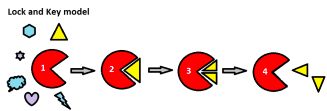
Shape!
100
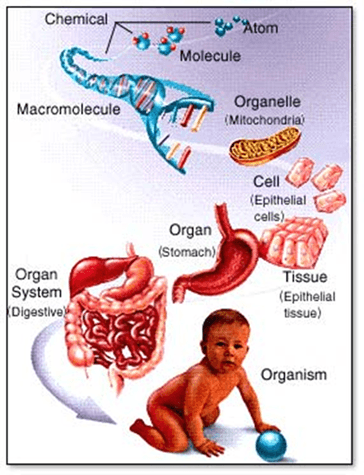
Which of the following is the simplest structure of a human organism?
¿Cuál de las siguientes es la estructura más simple de un organismo humano?
1) cell
2) tissue
3) organ
4) organelle
Organelle
100
Define homeostasis
Maintaining balance!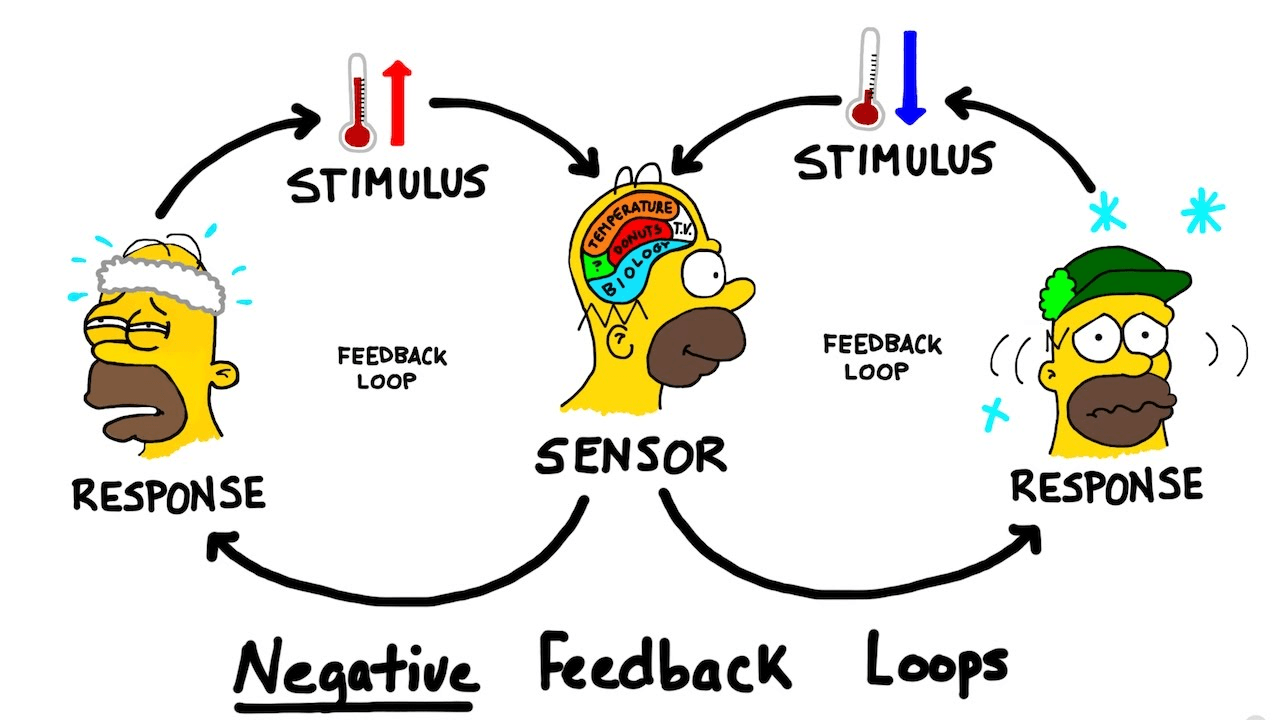
100
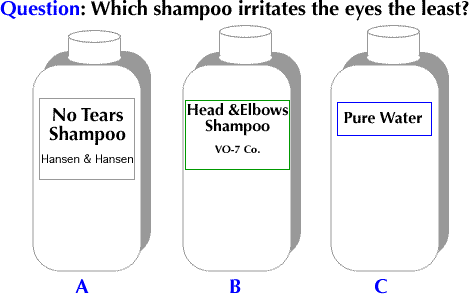
What is a control set up?
¿Qué es un control configurado?
The set up that does not get treatment aka is normal.
100
Describe what process the picture below represents.
Describe qué proceso representa la imagen debajo de las representaciones.
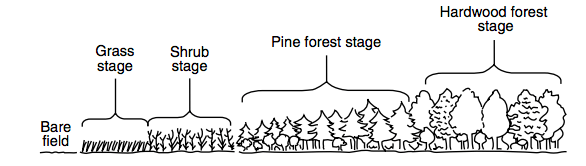
Ecological Succession
200
What do the antibodies attach to?
¿A qué se unen los anticuerpos?
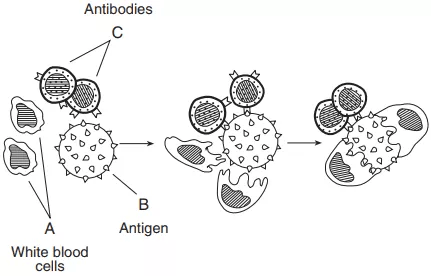
The antigen of the pathogen.
200
Place these items in order from most complex to simplest:
Coloque estos elementos en orden de los más complejos a los simples:
nucleus, brain tissue, brain, brain cell
Nucleus, Brain cell, Brain Tissue, Brain.
200
An individual eats a hamburger. Which two systems must interact to transfer the nutrients in the hamburger to human muscle tissue?
Una persona come una hamburguesa. ¿Qué dos sistemas deben interactuar para transferir los nutrientes en la hamburguesa al tejido muscular humano?
Digestive- to break the food down
Circulatory- to move glucose throughout the blood
200
Why would glucose molecules and Starch indicator molecules pass through the cell after 20 minutes?
¿Por qué las moléculas de glucosa y las moléculas indicadoras de almidón pasan a través de la célula después de 20 minutos?
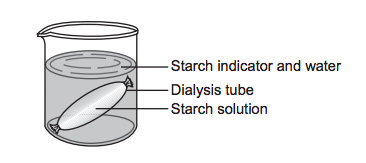
Because only small molecules can pass through the cell membrane.
200
Describe what happens after the shrub stage.
Describe lo que sucede después de la etapa de arbusto.
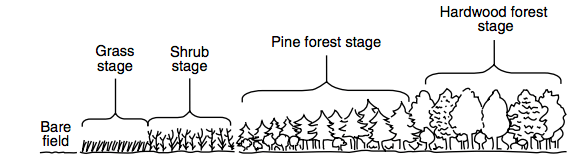
Larger trees grow. Shrubs DO NOT turn into trees.
300
The shape of a protein molecule directly determines its
(1) movements through the cytoplasm
(2) functions inside and outside of cells
(3) roles in building water molecules
(4) circulation throughout the body
La forma de una molécula de proteína determina directamente su
(1) se mueve a través del citoplasma
(2) funciones dentro y fuera de las celdas
(3) roles en la construcción de moléculas de agua
(4) circulación a través del cuerpo
(2) Function.
The shape of all molecules determine their job or their function.
300
An ameba, a one-celled organism, can move, ingest, and transport materials within the cell, because it has
Una ameba, un organismo unicelular, puede mover, ingerir y transportar materiales dentro de la célula, porque tiene
(1) organs (3) tissues
(2) organelles (4) systems
(2) Organelles
Single(one) celled organisms only have organelles inside of them.
300
What is the purpose of the placenta?
Exchange nutrients, oxygen and hormones between mom and fetus.

300
What can make an experiment more valid?
¿Qué puede hacer que un experimento sea más válido?
1. Do it multiple times 
2. Increase the sample size 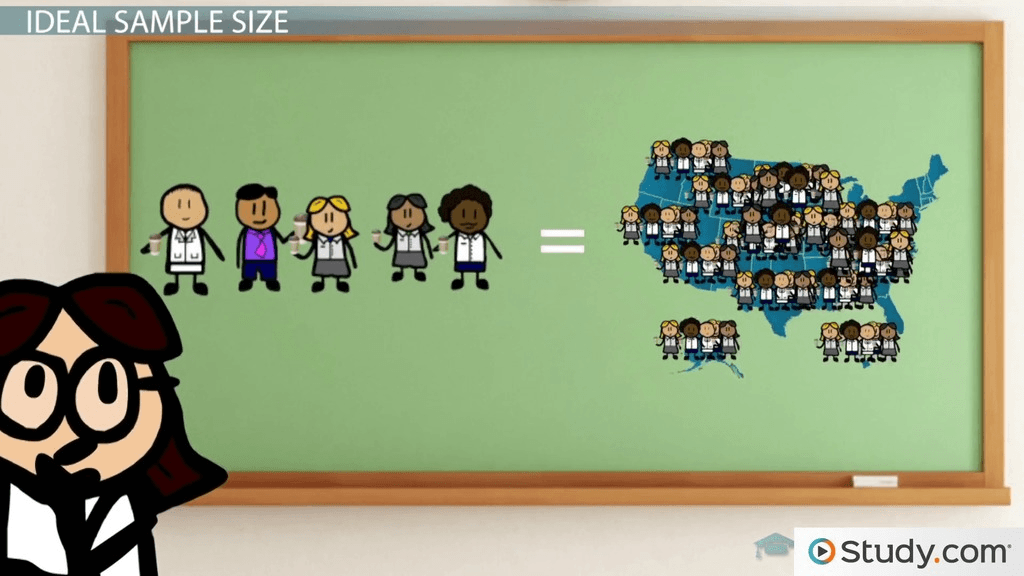
300
A characteristic common to both diffusion and active transport is that
(1) enzymes are required (2) oxygen is moved across a membrane (3) ATP is needed (4) the movement of molecules occurs
Una característica común tanto a la difusión como al transporte activo es que
(1) se requieren enzimas (2) el oxígeno se mueve a través de una membrana (3) se necesita ATP (4) se produce el movimiento de las moléculas
Movement of molecules occur
Remember: Active transport requires ATP and it's going from low to high concentration
Diffusion does not require ATP and it goes from high to equal
400
What happens to the enzyme if the temperature is too high?
¿Qué le sucede a la enzima si la temperatura es demasiado alta?
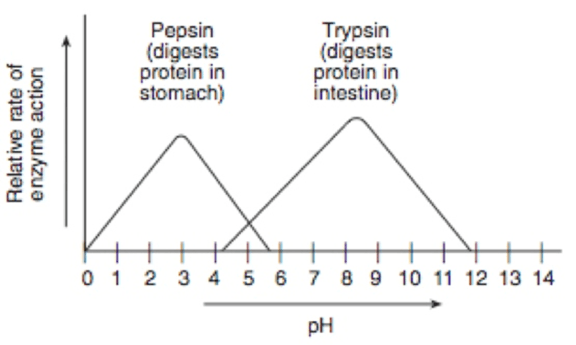
It loses its shape and can no longer function.
400
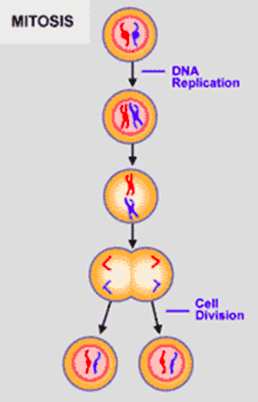
The paramecium is a single-celled organism that reproduces asexually. The offspring of a paramecium usually contain
(1) only half of the genes of the parent cells
(2) more DNA than the parent cell
(3) genetic material identical to that of the parent cell
(4) fewer mutations than the parent cell
El paramecio es un organismo unicelular que se reproduce asexualmente. La descendencia de un paramecio suele contener
(1) solo la mitad de los genes de las células progenitoras
(2) más ADN que la célula padre
(3) material genético idéntico al de la célula padre
(4) menos mutaciones que la célula padre
(3) Identical
400
Why does our pulse rate increase when we exercise?
¿Por qué su pulso aumenta cuando hacemos ejercicio?
-We increase our breathing, it increases the oxygen in our blood which makes our pulse rate increase.
400
What kind of food does the Warbler finch eat?
¿Qué tipo de comida come el pinzón Reinita?
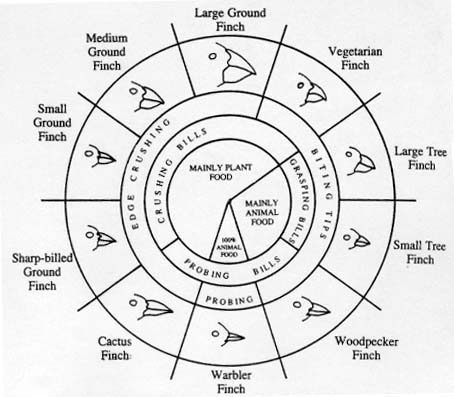
100% Animal food
400
When the human body is responding to stress, the hormone adrenaline is released. A short time later, the body returns to normal. This is an example of how a human
(1) reacts to an antibody
(2) develops genetic variation in body cells
(3) maintains cellular organization
(4) maintains dynamic equilibrium
Cuando el cuerpo humano responde al estrés, se libera la hormona adrenalina. Poco tiempo después, el cuerpo vuelve a la normalidad. Este es un ejemplo de cómo un humano
(1) reacciona a un anticuerpo
(2) evolución de la variación genética en las células del cuerpo
(3) mantiene la organización celular
(4) mantiene el equilibrio dinámico
(4) maintains dynamic equilibrium
A.K.A. BALANCE!
500
Neurotransmitters must be the same __________ as the receptor.
Los neurotransmisores deben ser el mismo __________ que el receptor.
Shape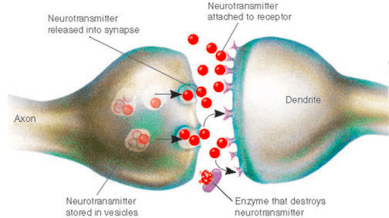
500
What is the name of structure B? What does it do?
¿Cuál es el nombre de la estructura B? ¿Qué hace?
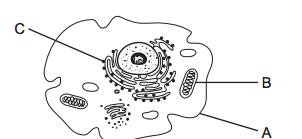
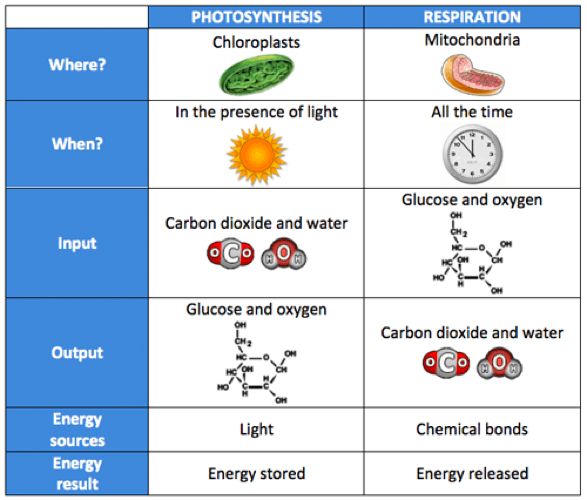
Mitochondria and it is where cellular respiration occurs in all living things.
500
Where does the male hormone get produced?
¿Dónde se produce la hormona masculina?
Testes/Testicles
500
Name all of the food Krill eat.
Comida de krill?
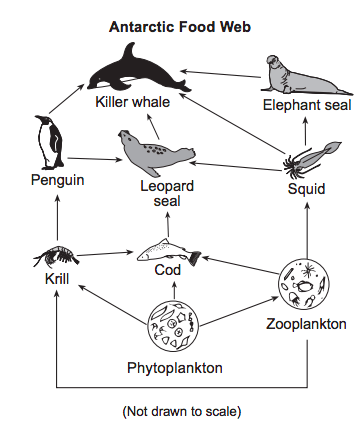
Zooplankton and Phytoplankton
Arrows show whose mouth the food is going into.
500
Define Dynamic Equilibrium in your own words.
Defina Equilibrio Dinámico en sus propias palabras.
Dynamic= always moving
Equilibrium= balance
Dynamic equilibrium: when things get out of balance but eventually come back