Biomolecules & Enzymes
Cells & Cell Cycle
Cell Division
Energy
Ecosystems
Heredity
Evolution
100
Which organelle is correctly paired with the function it performs in the process of producing energy for organisms?
A. chloroplast – converts food energy into chemical energy
B. chloroplast – breaks down chemical compounds into carbon dioxide and water
C. mitochondrion – breaks down carbon dioxide to release glucose and oxygen
D. mitochondrion – converts energy found in glucose into energy used by the cell
D. mitochondrion – converts energy found in glucose into energy used by the cell
100
A cell model is shown. Students were instructed to review the types and number of structures that are present in this cell model. 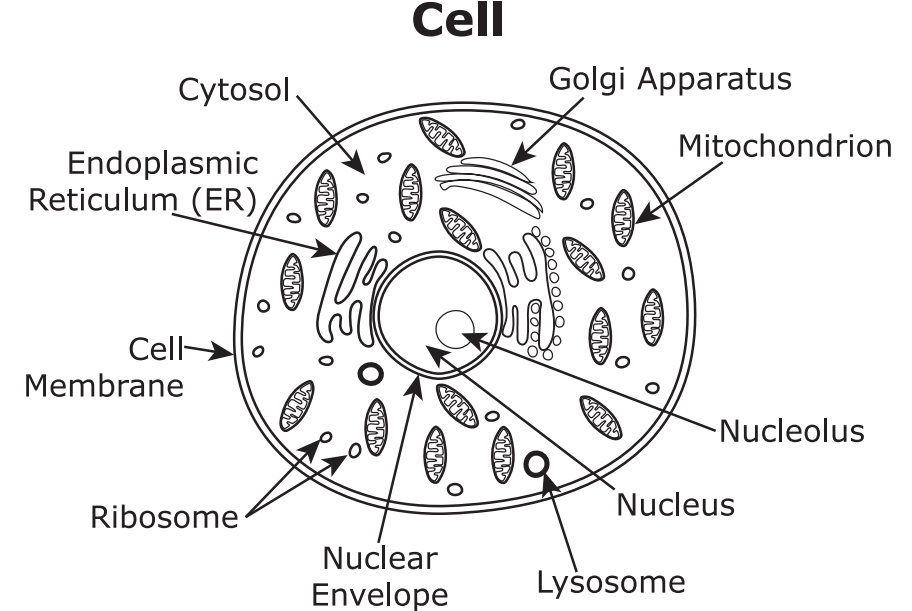 Which cell type is represented by the model?
A. animal cell
B. plant cell
C. bacterial cell
A. animal cell
100
During which phase of meiosis I does crossing over occur?
A. prophase I
B. anaphase I
C. metaphase I
D. telophase I
A. prophase I
100
Which is a product of both aerobic and anaerobic respiration?
A. O2
B. CO2
C. NAD+
D. C6H12O6
B. CO2
100
The graph shows the change in the size of a bird population over time.
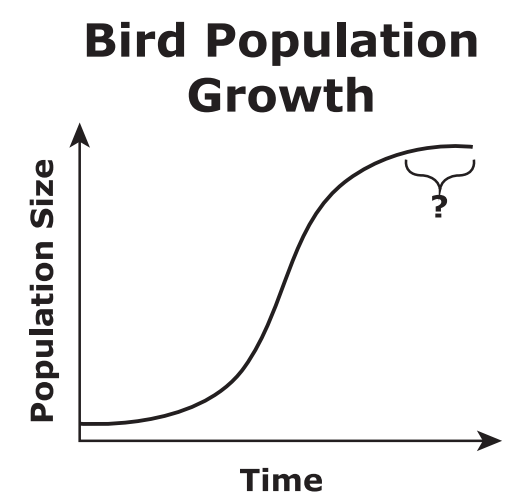
Which two factors can best explain the shape of the area labeled by a question mark on the population-growth curve?
A. The population immigrated to a different geographical location.
B. A treatment for a communicable disease was given to the birds.
C. There was competition among the birds for available resources.
D. Some birds were unable to find shelter from predators.
E. A new food source was introduced to the birds.
C. There was competition among the birds for available resources.
D. Some birds were unable to find shelter from predators.
100
A segment of DNA is shown.
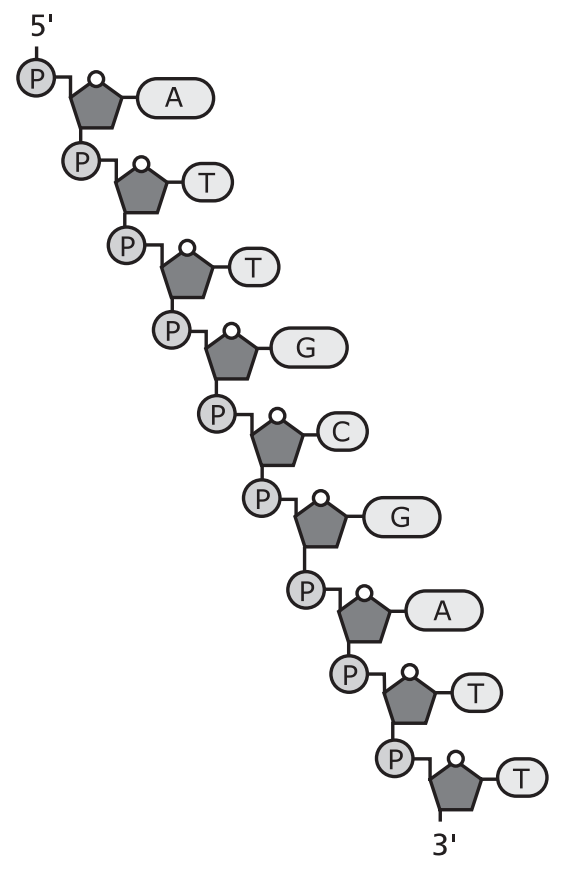
Which strand is the complementary strand of DNA?
A. 3’- AUU CGC AUU -5’
B. 3’- TAA CGC TAA -5’
C. 3’- ATT GCG ATT -5’
D. 3’- AUU GCG AUU -5’
B. 3’- TAA CGC TAA -5’
100
Individual organisms have traits that help them survive in their habitat and reproduce, resulting in increased numbers of individuals with similar traits.
Which process is responsible for the increased presence of these traits over several generations?
A. mutation
B. variation
C. cell division
D. natural selection
D. natural selection
200
The table lists several amino acids and their elemental compositions.

Which organic molecules serve as raw materials for the synthesis of these amino acids?
A. carbohydrates
B. fatty acids
C. nucleic acids
D. vitamins
A. carbohydrates
200
Which two viral characteristics provide evidence to support the argument that viruses are more similar to living components than to nonliving components of an ecosystem?
A. Viruses contain genetic material.
B. Viruses are made of cells.
C. Viruses use and store energy to grow.
D. Viruses reproduce independently.
E. Viruses evolve through mutation and natural selection.
A. Viruses contain genetic material.
E. Viruses evolve through mutation and natural selection.
200
Which three processes occur during meiosis?
A. crossing over
B. asexual reproduction
C. formation of gametes
D. independent assortment
E. production of diploid cells
A. crossing over
C. formation of gametes
D. independent assortment
200
The reactants for a biochemical reaction are CHO + 6O. What will be the products for this reaction, and where does the reaction take place?
A. 6CO + 6HO + energy; mitochondria
B. 6CO + 6HO + energy; chloroplast
C. 6O + 6HO + energy; mitochondria
D. 6O + 6HO + energy; chloroplast
A. 6CO + 6HO + energy; mitochondria
200
This diagram illustrates the carbon cycle.
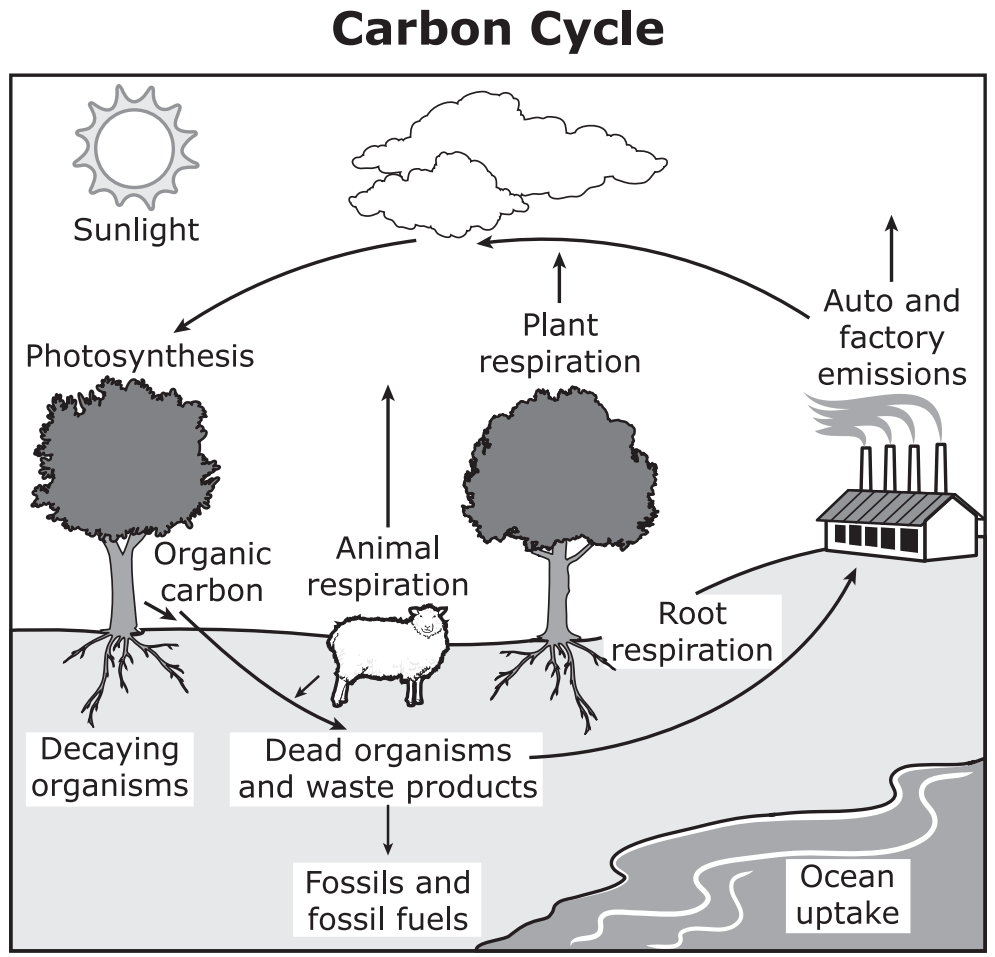
Which change would lead to higher carbon dioxide levels in the atmosphere?
A. an increase in photosynthesis
B. a decrease in animal respiration
C. an increase in the burning of fossil fuels
D. a decrease in the destruction of forests
C. an increase in the burning of fossil fuels
200
The diagram shows a segment of DNA that codes for a genetic disease.

Which factor most likely affected the DNA as shown in the diagram? (Bonus: Identify the issue in the DNA.)
A. base pairing
B. bacterial infection
C. mutation
D. parasite
C. mutation
Bonus: The third base pair is C-C instead of C-G, indicating a point mutation.
200

Over a period of time, the average annual temperature of a particular region significantly decreases, resulting in longer winters with increased snowfall. As a result, the majority coat color of a rabbit population has changed from brown to white. Which best explains this change in coat color among the rabbit population?
A. White coat color provides more warmth than brown coat color.
B. Rabbits with white coat color are less visible to predators.
C. Geographic isolation separated the two populations and resulted in a species with different coat colors.
D. Genetic mutation caused a change in the dominant allele, resulting in white as the dominant coat color.
B. Rabbits with white coat color are less visible to predators.
300
Label the biomolecules in the table with their correct function.
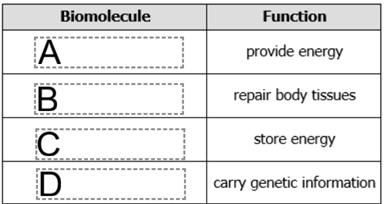
A. carbohydrates
B. proteins
C. lipids
4. nucleic acids
300
The diagram shows the relative length of each phase of the cell cycle in sequence beginning with the letter W.

During which phase of the cell cycle would DNA replication occur?
A. W
B. X
C. Y
D. Z
C. Y
300
In order to ensure an exact copy of DNA is passed on, replication must occur before
A. electron transfer.
B. mitosis.
C. protein synthesis.
D. glycolysis.
B. mitosis.
300
The graph shows the results of an investigation into the effect of distance from a light source on the rate of photosynthesis.
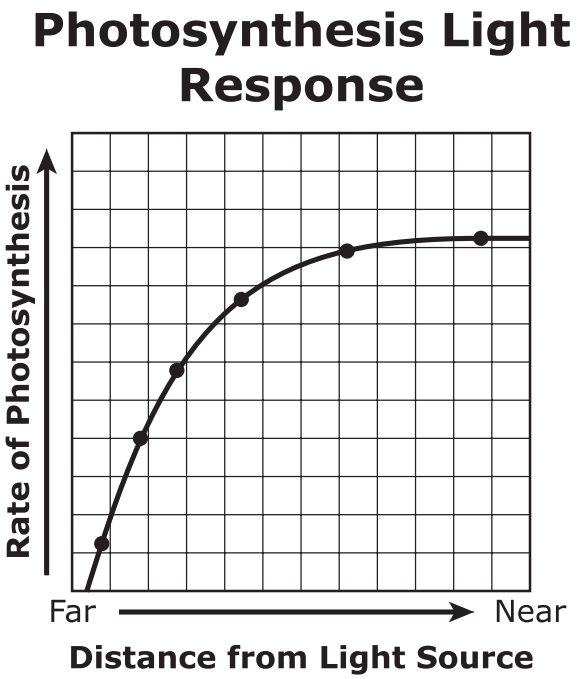
Based on the graph, which of the following conclusions is supported? Select ALL that apply.
A. The rate of photosynthesis has no limit if the light source is very near.
B. The rate of photosynthesis is low if the light source is very far.
C. The rate of photosynthesis increases as the distance from the light source decreases, up to a point.
D. The rate of photosynthesis is not affected by the distance from the light source.
B. The rate of photosynthesis is low if the light source is very far.
C. The rate of photosynthesis increases as the distance from the light source decreases, up to a point.
300
Legume plants such as beans have a symbiotic relationship with bacteria and form nodules in the roots of the plant that convert atmospheric nitrogen gas into nitrogen compounds the plant can use. The image shows root nodules on a legume plant.
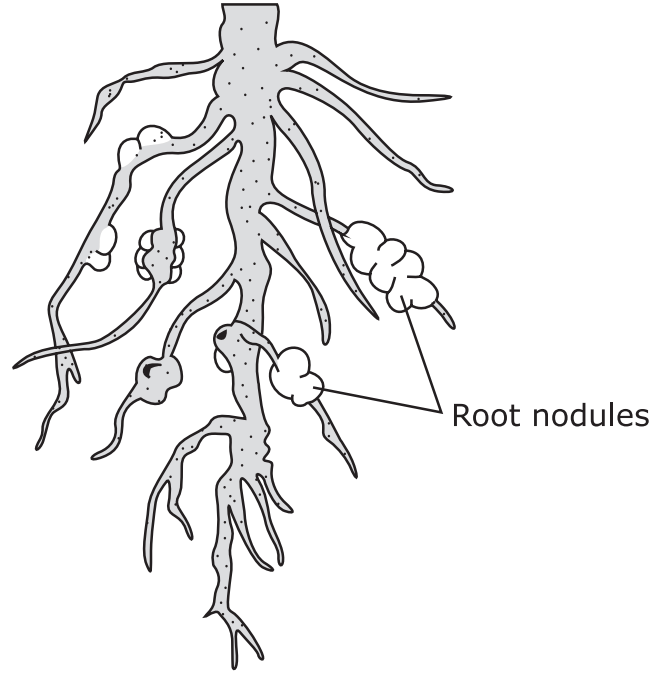
If root nodules were prevented from forming, which of these would be the most likely impact on the local community?
A. The plants would no longer be able to perform photosynthesis.
B. The plants would increase water consumption to compensate for the loss of nitrogen.
C. The soil would become depleted of usable nitrogen compounds.
D. The concentration of atmospheric nitrogen gas would decrease.
C. The soil would become depleted of usable nitrogen compounds.
300
Which change in DNA will cause a heritable germline mutation?
A. The sugar phosphate backbone of DNA in bone cells breaks due to exposure to X-rays.
B. Thymine dimers form in the DNA of a skin cell due to exposure to UV light.
C. A DNA replication error occurs in a sperm-producing cell.
D. An error occurs during transcription of the DNA in a liver cell.
C. A DNA replication error occurs in a sperm-producing cell.
300

The Tasmanian devil is a marsupial that is vulnerable to environmental change. Its numbers have declined greatly due to cancerous facial tumors that can be fatal. The most likely reason many Tasmanian devils have the same type of cancerous tumors is because
A. they are separate species.
B. they are in the same habitat.
C. populations have low genetic diversity.
D. populations occupy a large territory.
C. populations have low genetic diversity.
400
Researchers developed a chemical that they hypothesize will disrupt enzyme function in chloroplasts, making the chloroplasts effectively nonfunctional. The researchers plan to apply the chemical to a group of plant cells in a special cell culture.
What would serve as the best and most immediate evidence that the researchers’ hypothesis about this chemical is correct?
A. Amino acid levels in the cells would drop to near zero.
B. Carbon dioxide levels in the cells would drop to near zero.
C. Glucose levels in the cells would drop to near zero.
D. Phospholipid levels in the cells would drop to near zero.
C. Glucose levels in the cells would drop to near zero.
400
Which three statements correctly describe the roles of RNA molecules in the process of transcription and translation in animal cells?
A. Small RNA molecules in the RNA polymerase catalyze the formation of phosphodiester bonds between nucleotides in the growing messenger RNA.
B. Messenger RNA molecules carry genetic information from the gene in the nucleus to the ribosome in the cytoplasm.
C. Transfer RNA molecules carry the appropriate amino acid to the growing polypeptide.
D. Genomic RNA molecules store genetic information and transmit it to an individual’s offspring.
E. Ribosomal RNA molecules function in the assembly of the ribosome-mRNA complex and in the formation of peptide bonds between amino acids in the growing polypeptide.
B. Messenger RNA molecules carry genetic information from the gene in the nucleus to the ribosome in the cytoplasm.
C. Transfer RNA molecules carry the appropriate amino acid to the growing polypeptide.
E. Ribosomal RNA molecules function in the assembly of the ribosome-mRNA complex and in the formation of peptide bonds between amino acids in the growing polypeptide.
400
Mitosis occurs in several stages, each with its own unique characteristics that are readily visible through a microscope.

Which cell shows a nucleus that is in the latest stage of mitosis?
A. cell W
B. cell X
C. cell Y
D. cell Z
C. cell Y
400
Which is a characteristic of aerobic respiration?
A. Only two ATP molecules are produced.
B. ATP, CO2, and alcohol are the end products.
C. Glucose is broken down in the absence of oxygen to release energy.
D. Glucose is converted to CO2, ATP, and H2O in the presence of oxygen.
D. Glucose is converted to CO2, ATP, and H2O in the presence of oxygen.
400
A model of ecological succession is shown.
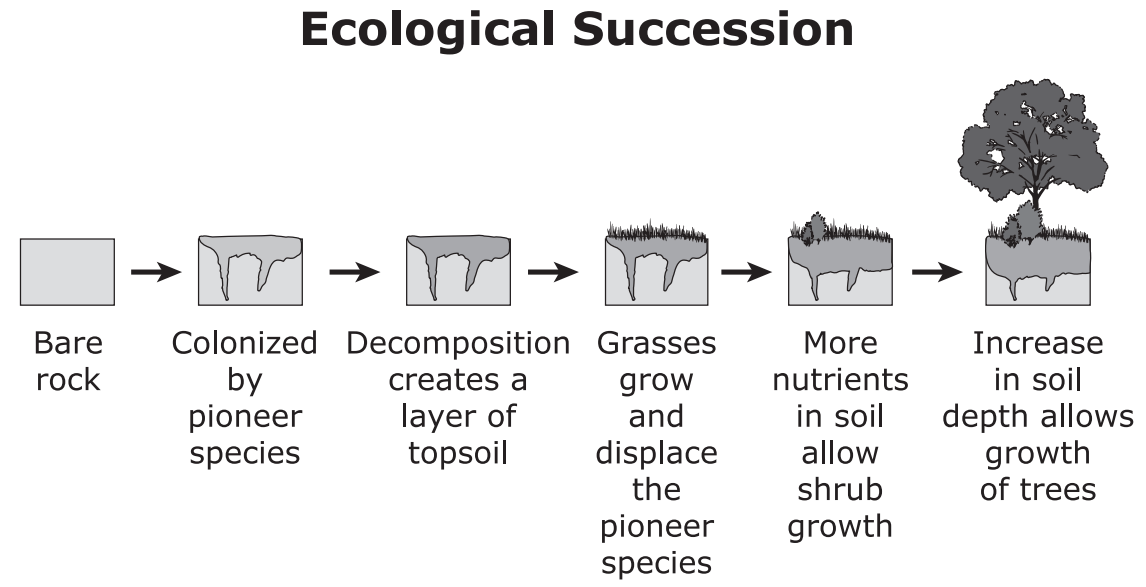
Which two natural events would lead to this type of succession?
A. clear-cutting of a forest
B. wind damage from a tornado
C. lava flow from a volcano
D. flooding with soil erosion
E. retreat of a glacier
C. lava flow from a volcano
E. retreat of a glacier
400
The Punnett square shown represents a cross between a Holstein bull and a Holstein cow.
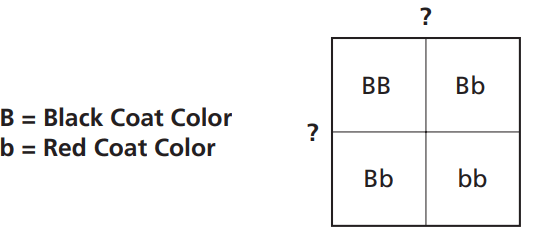
According to the Punnett square, what must be the genotypes of the parents?
A. heterozygous × homozygous
B. heterozygous × heterozygous
C. homozygous dominant × homozygous recessive
D. homozygous dominant × homozygous dominant
B. heterozygous × heterozygous
400
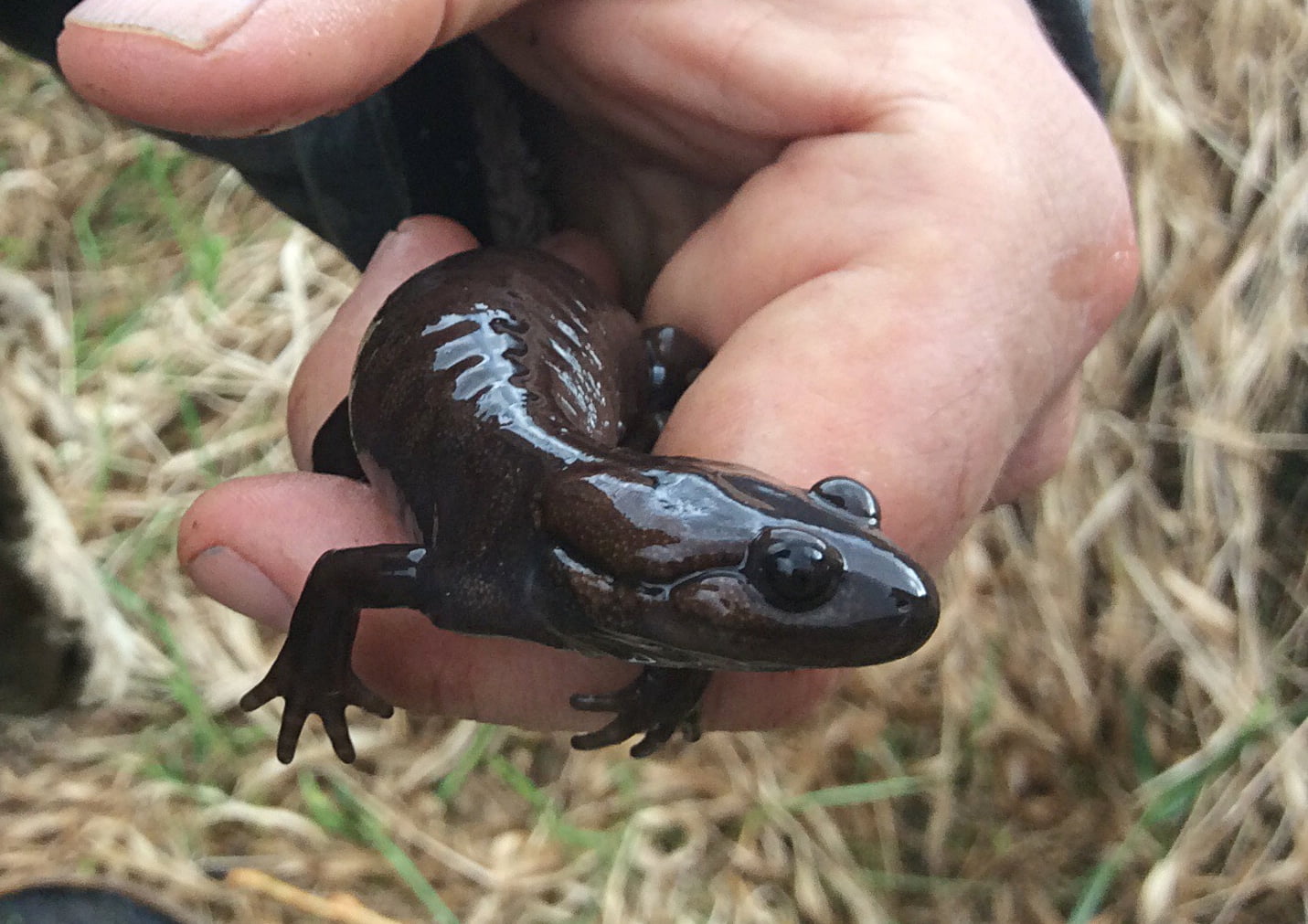
A researcher was studying the DNA of four different salamander species. A segment of a DNA strand taken from one of the salamander species is shown below.
ACC GGT CCA AGG ACC
Based on the segment shown, which species of salamander is most closely related?
A. salamander species 1: ACC GGT TCC AAG GAC
B. salamander species 2: ACC CGC TTC CAA AGG
C. salamander species 3: ACC GGT TCC AAA GGA
D. salamander species 4: ACC CGG TTC CAA AGG
A. salamander species 1: ACC GGT TCC AAG GAC
500
The graph shows the effect of temperature on the rate of an enzyme-catalyzed reaction in the presence of excess substrate.
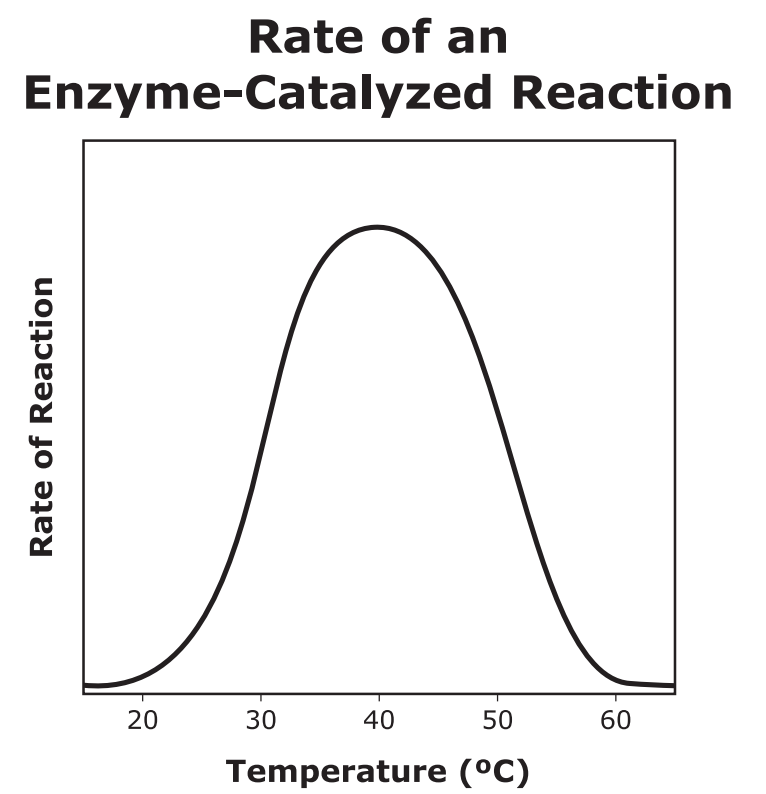
If the reaction temperature were to increase from 40°C to 63°C, the reaction rate would likely
A. decrease, because the enzyme would be used up.
B. increase, because the kinetic energy would increase.
C. decrease, because the enzyme would become denatured.
D. stay the same, because the rate of enzyme-catalyzed reactions is constant.
C. decrease, because the enzyme would become denatured.
500
Choose the correct statement.
A. Interphase includes G1, S, and G2. Mitosis includes prophase, metaphase, anaphase, and telophase. Cytokinesis is the longest stage.
B. Mitosis includes G1, S, and G2. Interphase includes prophase, metaphase, anaphase, and cytokinesis. Telophase is the longest stage.
C. Interphase includes G1, S, G2, and cytokinesis. Mitosis includes prophase, metaphase, anaphase, and telophase. Prophase is the longest stage.
D. Interphase includes G1, S, and G2. Mitosis includes prophase, metaphase, anaphase, and telophase. Interphase is the longest stage.
D. Interphase includes G1, S, and G2. Mitosis includes prophase, metaphase, anaphase, and telophase. Interphase is the longest stage.
500
A student listed some characteristics of mitotic cell division.

Which features are listed incorrectly ?
A. 1 and 5
B. 1 and 4
C. 3, 4, and 5
D. 2, 3, and 4
A. 1 and 5
500
Many animals are classified as either ectotherms (cold-blooded) or endotherms (warm-blooded). Ectotherms must get their heat from an exterior source, whereas endotherms regulate their body temperatures from within. Since metabolic processes are affected by body temperature, which statement best compares the cellular respiration rate of ectotherms to endotherms?
A. Ectotherms have a metabolic rate that is more variable than endotherms.
B. Ectotherms have a metabolic rate that is more constant than endotherms.
C. Ectotherms have a metabolic rate that is always slower than endotherms.
D. Ectotherms have a metabolic rate that is always faster than endotherms.
A. Ectotherms have a metabolic rate that is more variable than endotherms.
500
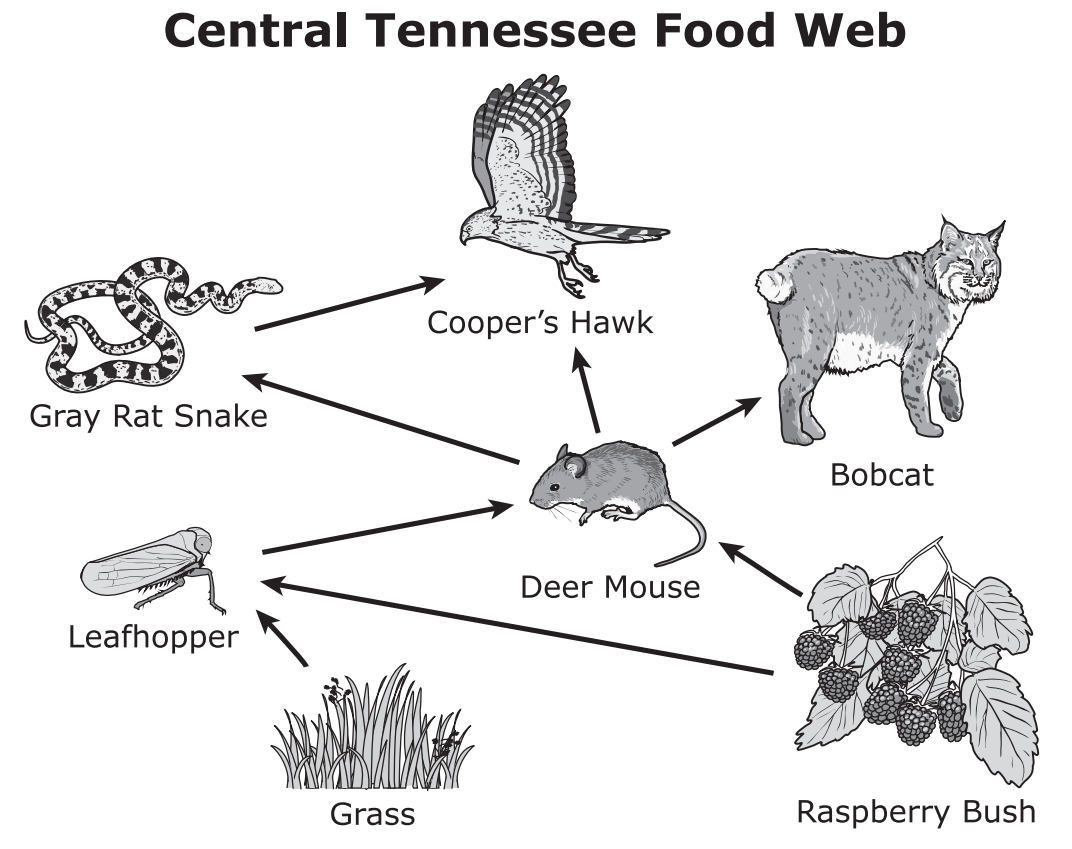
If the leafhopper receives 463,000 kJ of energy, which value best represents the approximate energy lost between the trophic levels occupied by the gray rat snake and the Cooper’s hawk?
A. 46.3 kJ
B. 4,170 kJ
C. 463 kJ
D. 41,700 kJ
B. 4,170 kJ
500
ABO blood type is controlled by three alleles of a single gene. Blood type O is associated with the recessive i allele. Blood types A, B, and AB are associated with the codominant IA and IB alleles. The pedigree shows the inheritance of ABO blood types in a family.
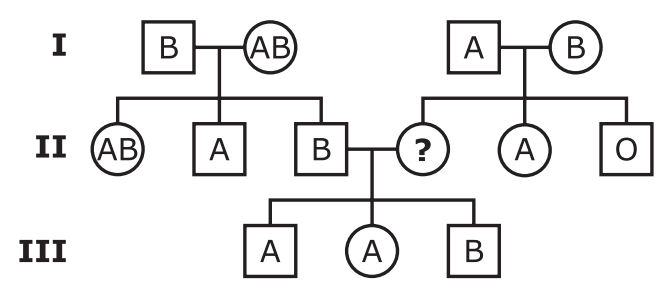
Which two genotypes are possible for the individual indicated with the question mark?
A. ii
B. iIA
C. IAIB
D. iIB
E. IBIB
B. iIA
C. IAIB
500
Photosynthetic organisms have many adaptive mechanisms that cause them to remain near the surface, such as buoyancy bubbles, droplets of oil, and increased surface area. Which statement explains the function of these mechanisms?
A. They stabilize pressure as the organisms move vertically through the different zones.
B. They help to keep the organisms in the layer with the greatest amount of light.
C. They are beneficial in camouflaging the phytoplankton from consumers.
D. They help absorb more wavelengths of light to maximize photosynthesis.
B. They help to keep the organisms in the layer with the greatest amount of light.