Exam 1
Exam 2
Exam 3
Exam 4
100
What macromolecule is RNA an example of?
Nucleic acid
100
Which part of neuron receives incoming information?
Dendrite
100
What is the respiratory medium of sharks?
Water
100
Where does the Calvin Cycle take place?
The stroma
200
Where does a feedback inhibitor bind on an enzyme?
Allosteric site
200
Which step(s) is the sodium potassium pump active 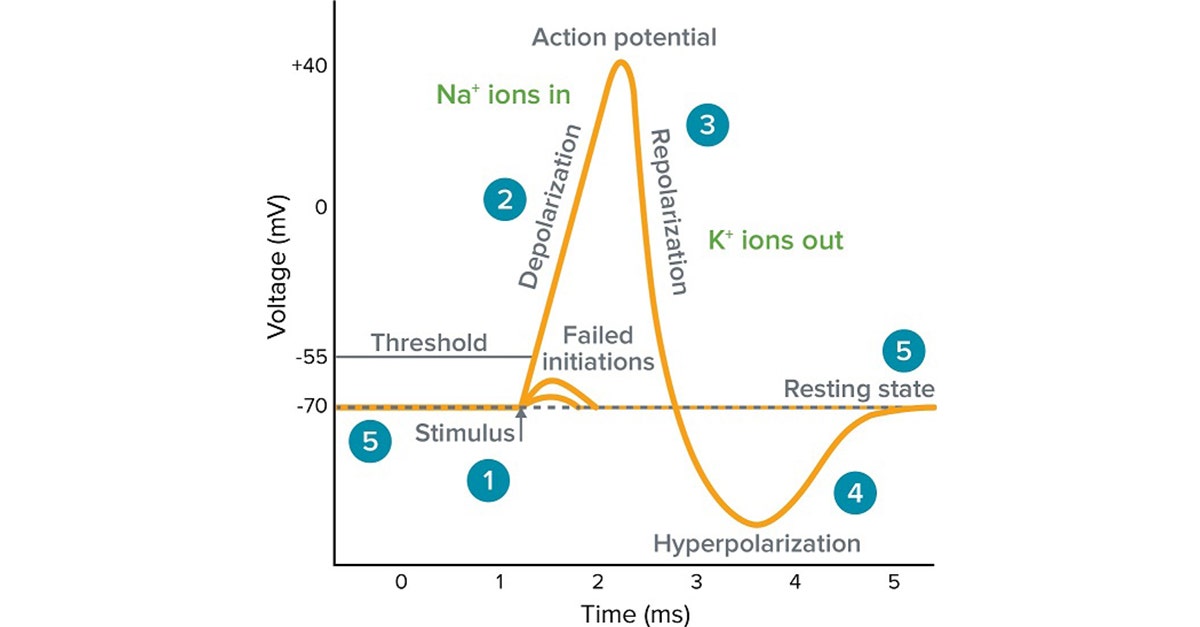
All of them
200
How does the majority of CO2 travel in blood?
As bicarbonate
200
You are investigating the vascular tissue of a plant, and notice a vessel element. What type of plant are you most likely looking at?
Angiosperm
300
What are all the types of facilitated transport molecules?
Channel and carrier
300
Which receptor has hormones as its ligand?
Intracellular receptor
300
Which part of cellular respiration can only be done during aerobic conditions?
Electron transport chain
300
What part of the chlorophyll in photosystems loses an electron when hit by light?
Reaction center
400
A fish in a freshwater lake is what to the water?
hypertonic
400
Why is ATP used in muscle contraction?
To reposition the head of the myosin
400
Which blood vessel has the largest diameter?
Veins
400
Name the two theories to explain how water moves through the xylem and the one hypothesis to explain how sugars move through the phloem.
Cohesion, surface tension, and pressure-flow hypothesis.
500
Endocytosis uses the plasma membrane to bring molecules in the extracellular matrix into the cell. What part of the cytoskeleton is doing this?
Actin filaments
500
Which glia helps with the regulation of synapses by reuptaking excessive neurotransmitters?
Astrocytes
500
Squamous epithelial cells are noted for being extremely thin compared to other epithelial cells. Where in mammals would squamous cells be found? (hint: think ventilation)
Alveoli
500
How would the long term blocking of sunlight impact mycorrhizae?
They would die off because the plant is unable to supply food.