Growth and disease
Normal cells vs cancer cells
Gel electrophoresis
Vocabulary
ETC
100
What is the main purpose of mitosis?
Mitosis makes TWO IDENTICAL body cells for growth and repair.
100
What is a mutation?
A change in the DNA sequence. (sometimes extra chromosomes)
100
What is gel electrophoresis used for?
To separate DNA fragments by size.
100
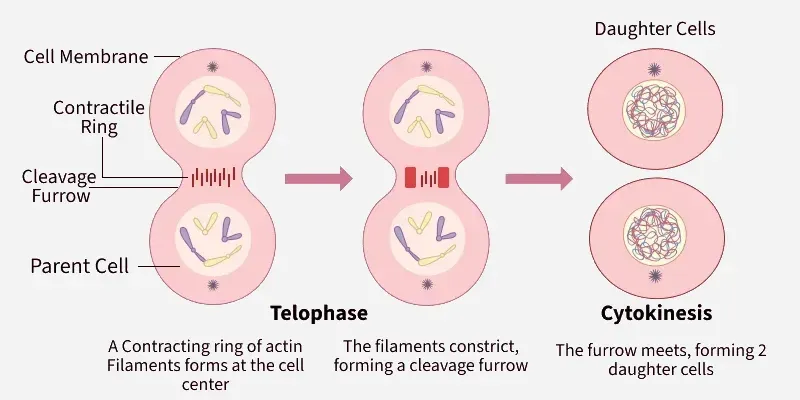
What is cytokinesis?
The division of the cytoplasm into two cells.
100
Which cells in the body regularly go through mitosis?
Body (somatic) cells like skin cells.
200
What happens during interphase?
The cell grows, copies its DNA, and is prepared for division
200
What type of mutation is this? AAC-->AGC Substitution? Frameshift? Duplication? Deletion?
Substitution:
Types of substitution mutations:
- Silent mutation — changes the DNA, but the amino acid stays the same.
- Missense mutation — changes the amino acid.
- Nonsense mutation — creates a stop codon, ending the protein early.
200
Which DNA fragments move farther in the gel: large or small fragments?
Small fragments.
The smaller they are, the quicker they can go through
200
What are sister chromatids?
Two identical copies of a chromosome connected at the centromere.
200
Are daughter cells produced by mitosis genetically identical to the parent cell?
Yes
Explaination: During mitosis, the cell carefully copies its DNA and distributes an exact, equal set of chromosomes to both new cells.
300
Difference between chromatin and chromosomes?
Chromatin is loose/uncoiled DNA, while chromosomes are tightly coiled DNA visible during cell division.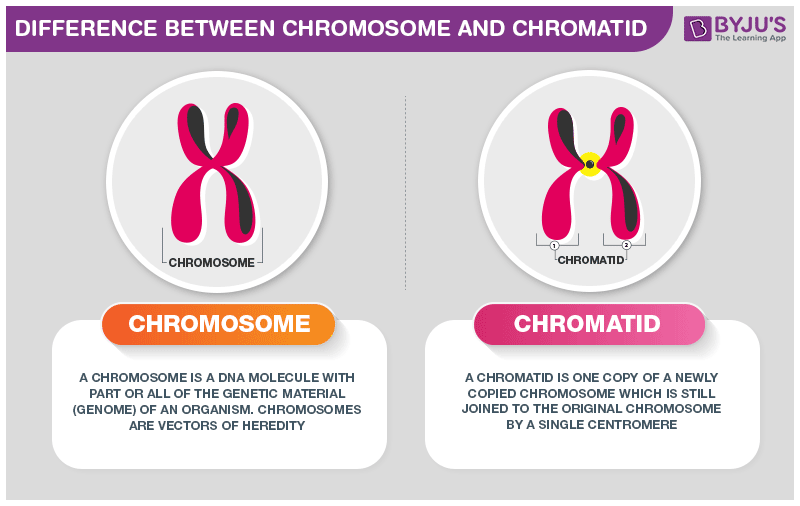
300
What is the difference between a proto-oncogene and an oncogene?
A proto-oncogene is a normal gene that controls cell growth, while an oncogene is a mutated version that can cause uncontrolled growth.
300
Why do DNA fragments move during gel electrophoresis?
DNA is negatively charged and moves toward the positive end of the gel.
300
What is a centromere?
The region where sister chromatids are attached.
300
What are the three main stages of interphase, and what happens in each stage?
- G1 phase: The cell grows and performs normal functions.
- S phase: DNA is replicated.
- G2 phase: The cell prepares for mitosis by making proteins and organelles needed for division.
400
What does semi-conservative DNA replication mean?
Each new DNA molecule contains one original strand and one new strand. (one new one old)
400
How do cancer cells behave differently from normal cells? Give two examples.
Cancer cells divide uncontrollably and ignore signals to stop dividing. They can also spread to other tissues.
400
If one DNA band traveled farther than another, what can you conclude?
The fragment that traveled farther is smaller.
400
What is a frameshift mutation?
A mutation caused by insertion or deletion that shifts the reading frame of codons.
400
Why are insertion and deletion mutations often more harmful than substitution mutations?
They can cause a frameshift, changing many amino acids in the protein.
500
A body cell has 46 chromosomes before DNA replication. After replication, how many chromatids are present? (remember, 46 replicated chromosomes x 2 sister chromatids each)
92 chromatids (46 replicated chromosomes × 2 sister chromatids each).
500
A DNA mutation changes the codon from UAU to UAA. What type of mutation is this and why?
Substitution? Nonsense? Frameshift?
Nonsense mutation because UAA is a stop codon, causing protein production to end early.
500
A suspect’s DNA sample has bands matching the crime scene sample at every location on the gel. What does this suggest?
The suspect is likely a match to the crime scene DNA.
500
What is the role of the tumor suppressor gene?
It helps stop damaged cells from dividing or triggers cell death if damage is severe.
500
Explain how mutations in tumor suppressor proteins and oncogenes together can lead to cancer.
Mutated oncogenes can cause cells to divide uncontrollably, while damaged p53 fails to stop or destroy abnormal cells, allowing cancer to develop.