CH. 10
CH. 11
CH.12
Labeling
100
The "universal donor" is blood type ________.
O
100
The pointed, inferior portion of the heart, known as the ________, rests on the diaphragm and is oriented toward the left hip.
Apex
100
The release of histamines to an area will induce:
inflammation
100
FINAL JEOPARDY: 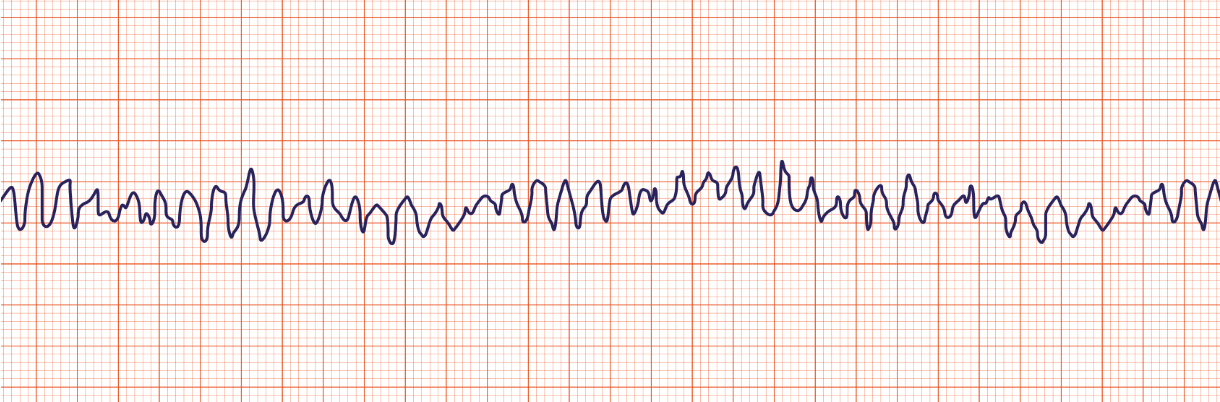 A: Identify the rhythm
B: Why is it dangerous
C: What medical device is used to treat this arrhythmia?
Ventricular Fibrillation
No perfusion, no pump/refill time
Defibrillation
200
Normal blood pH falls in a range between ________ and ________.
7.35-7.45
200
What are the chordae tendineae? What are their purpose?
The tiny white cords that anchor the cusps of the heart valves to the walls of the ventricles?
200
Excess accumulation of fluid, which impairs the exchange of materials within the tissues is known as _______.
Edema
200
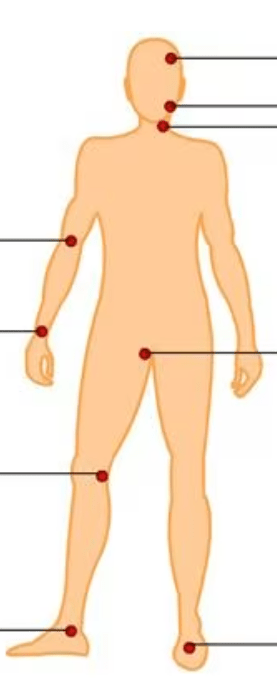
Identify 3 pulse sites
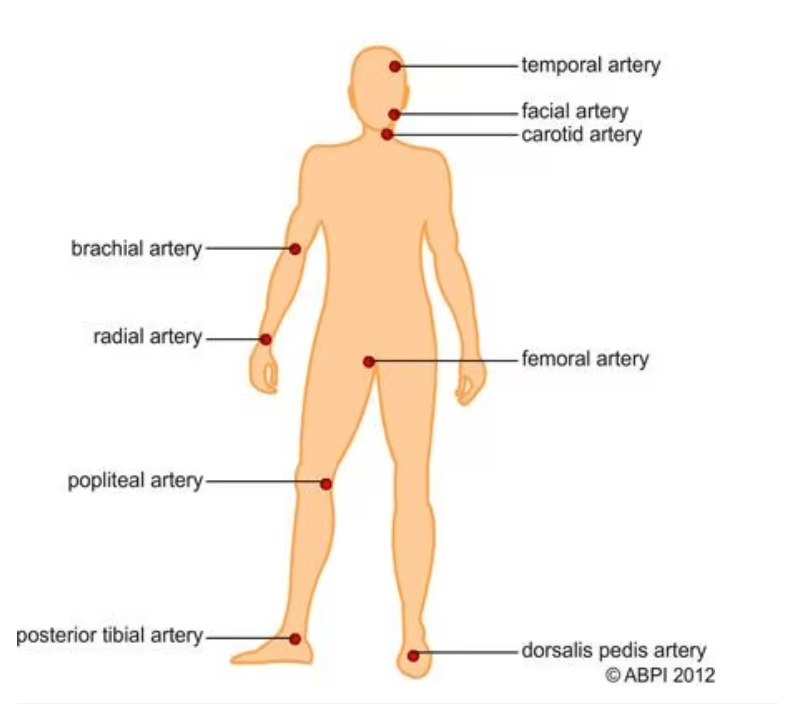
300
If you carry the Rh antigen, you are referred to as Rh ________.
positive (+)
300
What is the purpose of the hepatic portal vein?
Drains blood from the digestive tract organs to the liver
300
Describe the function of:
Helper T cells
Cytotoxic T cells
Memory T cells
Helper - send signals, recruit for help!
Cytotoxic - destroy pathogens and cancer cells
Memory - long lived, provide rapid protection against previously encountered antigens
300
Label the thymus, tonsils, spleen, peyers patches, and appendix. 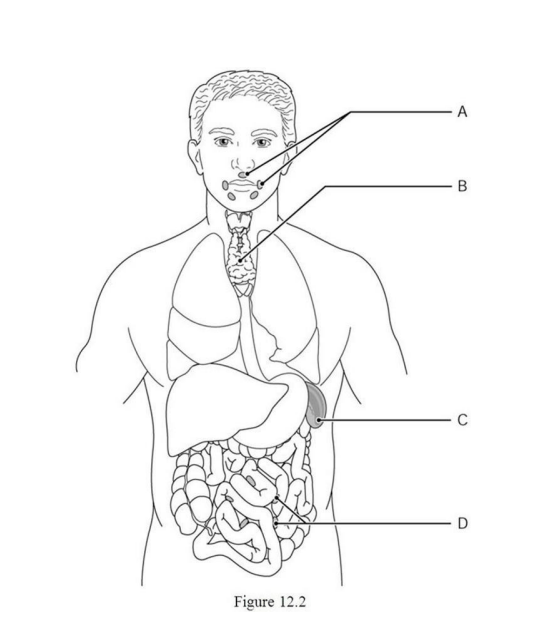
You probably got it.
400
The percentage of erythrocytes in blood is known as the ________.
hematocrit
400
What valves close during S1 (lub)?
What valves close during S2 (dub)?
S1 - atrioventricular (mitral and tricuspid) valves
S2- semilunar (aortic and pulmonary) valves
400
What chemical do white blood cells and macrophages secrete to raise body temperature and induce fever?
Pyrogens
Think pyrexia - fever
400
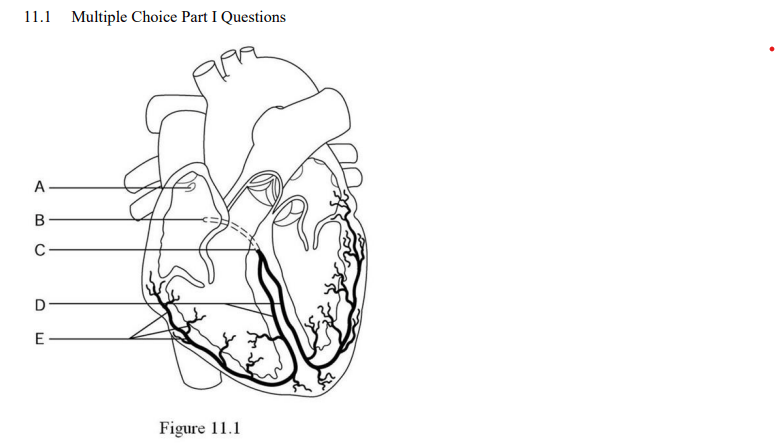
Label the AV node, SA node, Bundle of His, Purkinje Fibers, Bundle Branches
I'll just tell ya if you're correct lol.
500
When antibodies bind to antigens on foreign blood types, clumping or ________ occurs.
Agglutination
500
State 3 symptoms associated with congestive heart failure (CHF) and why these symptoms occur.
Fatigue, SOB, tachypnea, edema, weakness, loss of appetite
Cardiac output and stroke volume are decreased
500
Name at least 2 of the 4 most common symptoms/indicators of the inflammatory response
Redness, Heat, Swelling, Pain
500
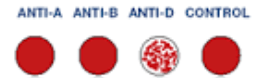 What blood type is this?
O+
600
What is not contained in the plasma of blood?
A) Nutrients B) Gases C) Hormones D) Hemoglobin
D) Hemoglobin
600
Why is the left ventricle the largest chamber of the heart?
that chamber acts as the more powerful systemic pump of the heart.
600
Explain the origin and pathway of lymph.
Lymph fluid arises from blood plasma that has been forced out of the capillary beds by osmotic and hydrostatic pressures. The fluid left behind is called interstitial fluid. The interstitial fluid is then picked up by lymph capillaries, after which it is called lymph. Lymph is routed up the lymphatic vessels until it is finally returned to the venous system through either the right lymphatic duct or the thoracic duct.
600
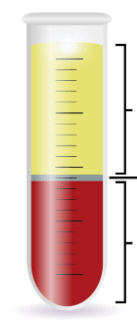 Identify the 3 layers of whole blood and what the percentages of each layer are
Plasma - 55%
Buffy - <1%
RBC's - 45%
700
What component of a red blood cell binds and transports oxygen?
Hemoglobin
700
What is the ring of vessels connecting the anterior and posterior circulations of the brain.
Circle of Willis!
700
Name 2 functions of the spleen.
Blood storage, platelet storage, lymphocytes, it fights invading germs in the blood
700
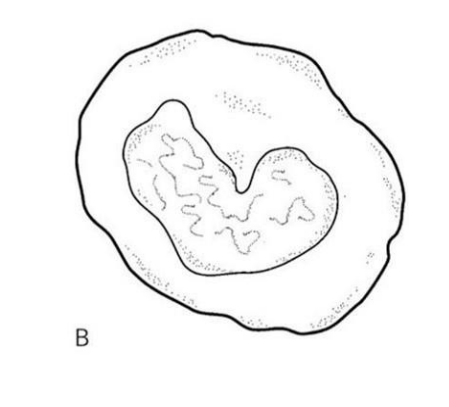 This white blood cell is MASSIVE! They become macrophages and perform phagocytosis (engulf cell debris and pathogens). What type of white blood cell is it?
Monocytes
800
Substances that the body recognizes as foreign are called ________.
Antigen
800
What layer of the heart wall is stimulated by the Purkinje Fibers.
Myocardium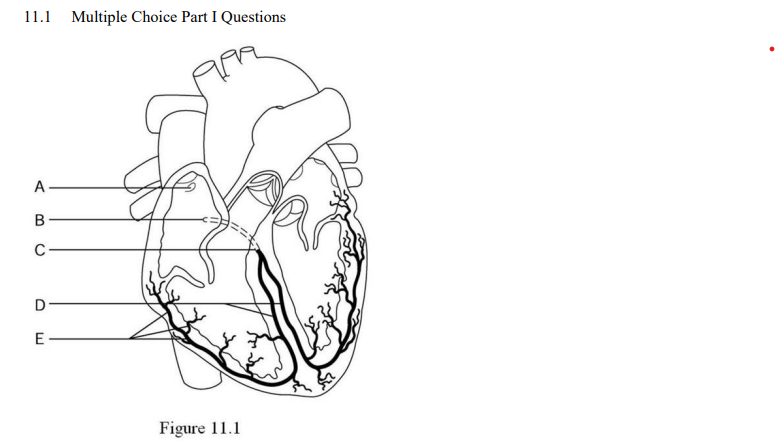
800
Lymph is largely composed of water that has escaped from ________.
blood
800
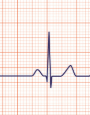 Label the 5 letters associated with the rhythm waves above, and what each represents.
P- atrial depolarization (atrial contraction)
QRS - ventricular depolarization (ventricular contraction) (atrial repolarization is hidden within the QRS bc it's small)
T- ventricular repolarization (rest/reset)
900
The most numerous of the white blood cells are the ________.
Neutrophils
900
What chambers of the heart receive blood?
What chambers of the heart are responsible for discharging blood?
Atria receive blood.
Ventricles discharge blood.
900
Your patient smokes cigarettes that can damage and eventually destroy the cilia in the passageways of the lungs.
Convince her that stopping smoking will benefit her cilia and respiratory mucous membranes, and therefore their immune response.
Intact mucous membranes are part of the immune system's first line of defense. The cilia benefit us by sweeping dust- and bacteria-laden mucus (think "sticky trap") superiorly toward the mouth, preventing it from entering the lungs, where the warm, moist environment provides ideal conditions for bacterial growth. Damaged or destroyed cilia place your patient at a higher risk of infection. Without an adequate mechanism for the removal of mucus in the lungs, our bodies must rely on the second and third lines of defense.
900
Label the lymph node, lymphatic capillary, and blood capillary
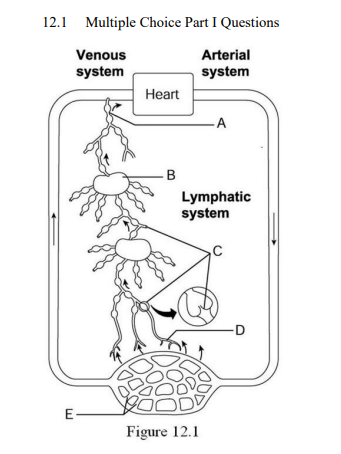
You probably are right
1000
Why do you think Mrs. Gonzalez was prescribed heparin, an anticoagulant?
To inhibit the formation of clots.
1000
Which of the following provides the functional blood supply to oxygenate and nourish the myocardium of the heart?
A) Sinoatrial (SA) node B) Coronary veins C) Right and left coronary arteries D) Superior and inferior venae cavae
C) Right and left coronary arteries
1000
Humoral immunity vs. Cell-mediated immunity
B cells (antibodies) - humoral
Cytotoxic T cells - cell-mediated
1000
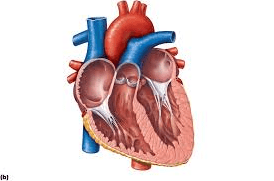 Blood flow pathway
S/I vena cava - R Atrium - Tricuspid - R ventricle - Pulmonary SL valve - Pulmonary Arteries - Lungs - Pulmonary Veins - L Atrium - Bicuspid valve - L ventricle - Aortic SL valve - Aorta - body - S/I vena cava........repeat for 100 years :P