Atomic Structure
Water, Solutions, and pH
macromolecules
Chemical Reactions and enzymes
pictures and models
100
what are the subatomic particles and their charges
proton - positive
electron - negative
neutron -neutral
100
is water a polar or non-polar molecule
polar molecule
100
carbon can form how many bonds?
4 covalent bonds
100
what are the materials that start a reaction called?
reactants
100
 where are the neutrons found?
nucleus
200
How are elements identified?
by their proton number
200
explain the difference between a solute and solvent. using sugar and water as an example
solute (sugar) is what is added to the solvent (water)
200
what is the difference between a monomer and polymer
monomer is one subunit and polymer is many subunits
200
what is activation energy?
energy that must be absorbed for a chemical reaction to start
200
Identify which side in neutral, basic, and acidic
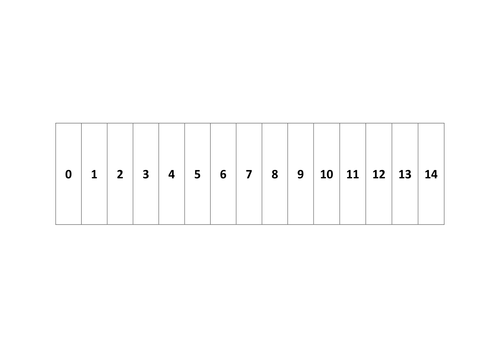
neutral-7
acidic 1-6
basic 8-14
300
what is the difference between covalent and ionic bonds
ionic- oppositely charged ions attract forming a bond
covalent- electrons are shared
300
water rising along side a test tube is an example of what?
adhesion
300
what is the difference between animal fats and plant fats
animal fats are saturated fats
plant fats are unsaturated fats
300
A reaction releases more energy than is absorbed is said to be what?
exothermic reaction
300
Identify which polysaccharide this is

Glycogen, highly branched
400
what happens when an atoms loses an electron
it forms a positive ion
400
what does a buffer do?
maintains pH by binding or releasing hydrogen ions
400
what feature distinguishes amino acids from each other?
the R group or side chain
400
the idea of enzyme function is called?
lock and key model
400
Identify which kind of reaction this

endothermic
500
Name one diatomic molecule
oxygen, nitrogen, hydrogen etc
500
what is a household item that is very acidic?
tomatoe, trout, vinegar etc
500
how many amino acids does your body make?
12, the remainder you get from your diet
500
Give an example of an enzyme
amylase, pepsin, lactase etc
500
The bond highlighted is called what?

peptide bond