Endocrine & ANS
Blood
The Heart
Blood Vessels & Pressure
100
This is classified as a secondary endocrine organ. (Multiple answers possible)
Heart, Kidneys, Stomach/Intestines, etc.
100
These are the most numerous leukocytes in the blood.
Neutrophils
100
The AV Node transmits an electrical signal to this feature in the Intrinsic Conduction System.
AV Bundle
100
This layer of the blood vessel wall can produce vasoconstriction.
Tunica media
200
This is one of two Posterior Pituitary hormones.
Oxytocin or Antidiuretic Hormone/Vasopressin
200
This first step of this process is a vascular spasm, which limits the loss of blood through a wound in the tissue.
Hemostasis
200
This produces the first heart sound ("lub").
Atrioventricular valves close
200
This type of capillary is found in the kidneys and intestines only. It is characterized by holes large enough for smaller proteins to be filtered.
Fenestrated
300
Many protein hormones use this as a second messenger, which transmits and amplifies the message within the target cell.
cAMP (cyclic AMP)
300
When a blood sample is NOT treated with anticoagulants, this is the fluid that floats to the top of the tube.
Serum
300
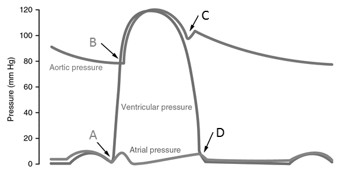
Atrioventricular valves OPEN (no sound)
300
These circular muscles shunt blood directly through the capillary bed rather than allowing blood to exchange substances with the tissues in all parts of the capillary bed.
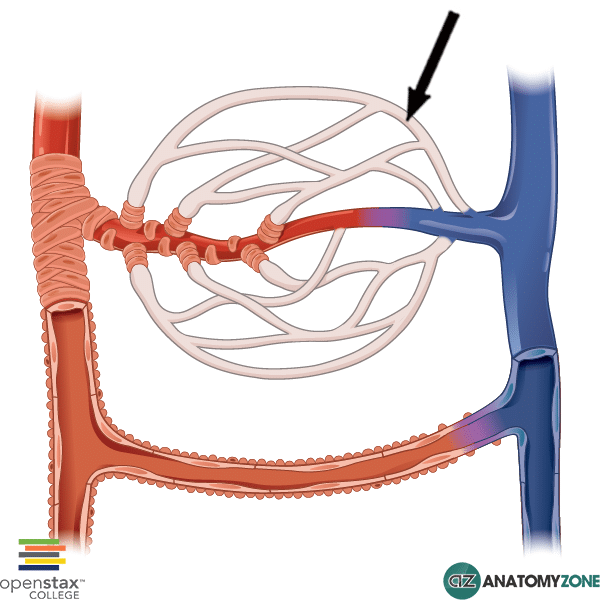
Precapillary sphincters
400
An autoimmune attack of the thyroid gland would result in an increase in which anterior pituitary hormone?
Thyroid Stimulating Hormone
400
Most plasma proteins are synthesized by this organ.
Liver
400
This is the volume of blood in the ventricle before systole.
End Diastolic Volume (EDV)
400
This is the only hormone discussed in class that DECREASES blood pressure.
Atrial Natriuretic Peptide
500
In the HPA Axis, this hormone is released from the hypothalamus.
Corticotropin Releasing Hormone
500
Platelets are pinched off from these giant multinucleated cells in the bone marrow.
Megakaryocytes
500
This neurotransmitter induces the SA Node pacemaker cells to depolarize more quickly.
Norepinephrine
500
In this automatic response, a shift in blood pressure is detected by receptors -> inform the medulla oblongata -> activates SNS or PSNS to increase or decrease heart rate
Baroreflex