Ecology
Symbiosis
Macromolecules
Cells
Reproduction & Inheritance
100
The scientific name for organisms that are able to generate all of their energy. (Specifically, through phyotsynthetic reactions)
What are Autotrophs?
100
A German scientist whose work studying how different fungi would infect different organisms led to the foundation of Symbiotic Relationships.
Who is Heinrich Anton de Bary?
100
This suffix, or ending of a word, often means "individual piece" or "part".
What is -MER?
100
This form of cell transport is commonly nicknamed as "Cell Drinking."
What is Pinocytosis?
100
The number of characteristics that Gregor Mendel was able to successfully measure and predict in his pea plant experiments.
What is 7?
200
A branch of biology that focuses on the relations between organisms and their physical surroundings.
What is Ecology?
200
A relationship that is described as two organisms that have a large amount of influence in the other's existence.
What is Symbiosis?
200
A main source of energy for many organisms, this macromolecule's name might be interpreted as "wet carbon".
What are Carbohydrates?
200
This valuable tool was used by Luis Pasteur to help disprove the popular theory of Abiogenesis.
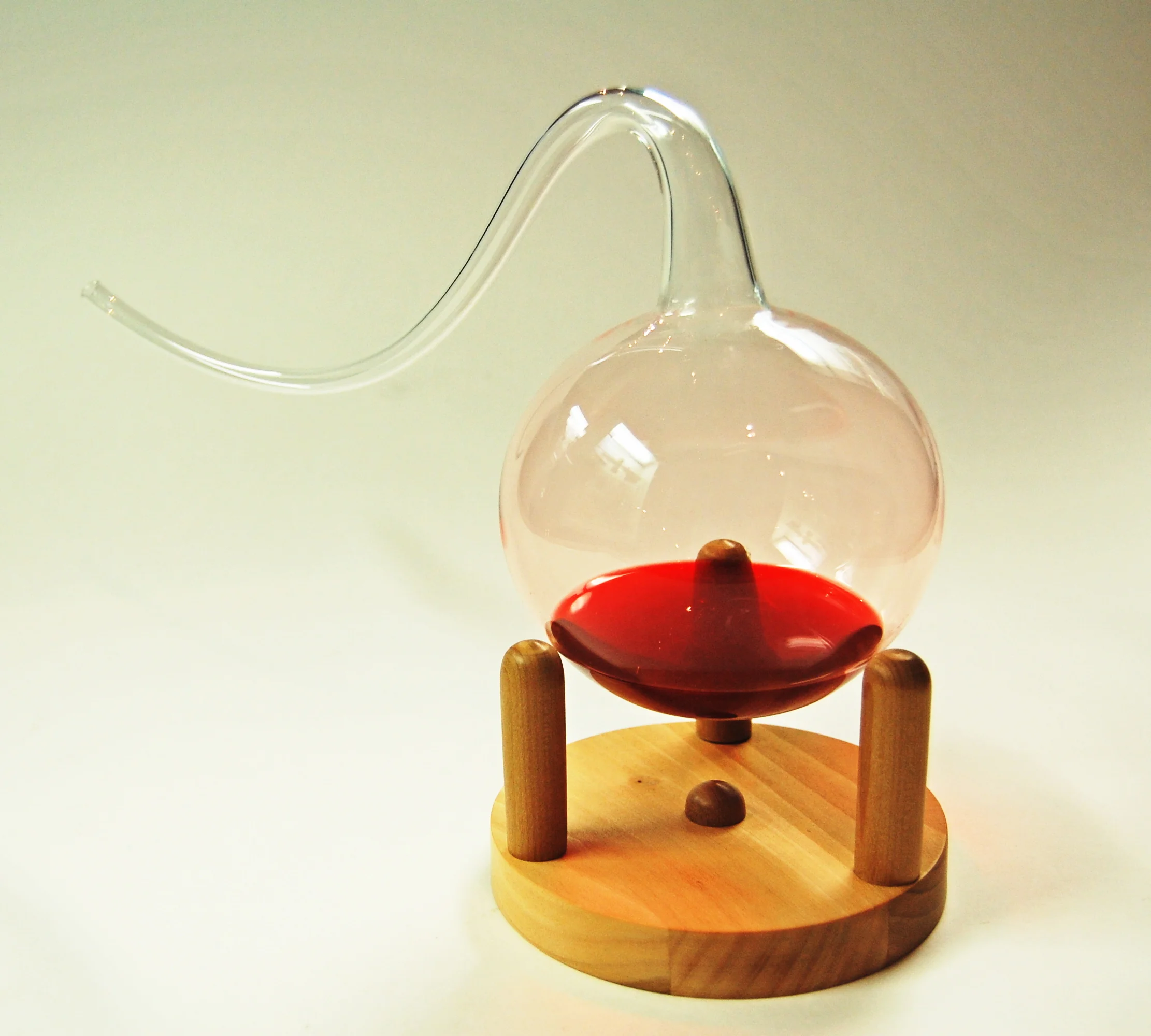
What is a Swan Neck Flask?
200
Often used in the field of Genetics and Inheritance as a method of describing the versions of a gene that a child inherited from their parents. (Often viewed as a combination of two letters)
What is a Genotype?
300
When focusing on a population of organisms this feature plays a critical role in determining if the group will actually qualify or not.
What is geography or physical location?
300
This form of Symbiosis is often characterized by one of the organisms being negatively impacted, while the other remains indifferent/unchanged.
What is Amensalism?
300
Discovered in 1901, this chemical process breaks double bonds between Carbon atoms in order to extend the shelf-life of many food products.
What is Hydrogenation?
300
DAILY DOUBLE!!!
A specialized form of moving objects across a semi-permeable membrane that involves a specific molecule interacting with proteins on the surface of a cell.
What is Receptor-Mediated Endocytosis?
300
The name for the specific version of a gene an offspring inherits from their parent.
What is an allele?
400
A special role or function that an organism performs as a member of the ecosystem.
What is a Niche?
400
One of the many forms of Symbiosis, this specific version sets the stage for coevolution of the two species.
What is Mutualism?
400
A rule established by a famous French chemist that explains there are always equivalent numbers of Purines and Pyrimidines in organic structures.
What is Chargaff's Rule?
400
These small creatures, discovered by Antoine Leeuwenhoek, include organisms like protists, bacteria and organelles.
What are Animalcules?
400
The modern nation that claims the Father of Genetics as one of its own people.
What is the Czech Republic?
500
As seen in the following Food Web, this organism would be classified as both a Secondary and Tertiary Consumer.
What is the snake?
500
The following image showcases two organisms existing in this specific form of Symbiosis.
What is Defensive Mutualism?
500
As seen in the image, this level of protein structure is often considered the most complex due to several key factors.
What is Quaternary Structure?
500
This Latin phrase was coined by Rudolph Virchow in his defense of the origins of cells.
What is Omnis cellula e culla?
500
A form of inheritance in which neither trait is truly dominant over the other, resulting in the organism's phenotype becoming a mixture of both characteristics.
What is Incomplete Dominance?