Origins of Life
Water Properties
Macromolecules
Evolution & Classification
Ecology
100
This hypothesis for how life might have begun on Earth involves life arising from non-life, such as meat producing flies.
What is Spontaneous Generation?
100
This property is why water is so good at dissolving things and is called the "universal solvent."
What is polarity?

100
These are the four major biomolecules, or macromolecules.
What are carbohydrates, lipids, proteins, and nucleic acids?
100
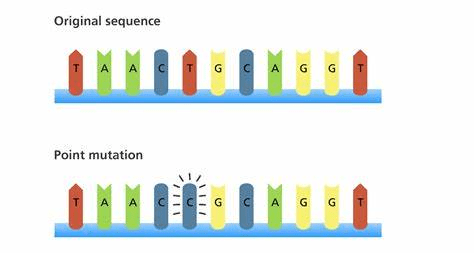
These random events within the DNA are the basis of all genetic diversity (which fuels the process of Natural Selection).
What are genetic mutations?
100
This is the gas that makes up 78% of the Earth's atmosphere.
What is nitrogen?
200
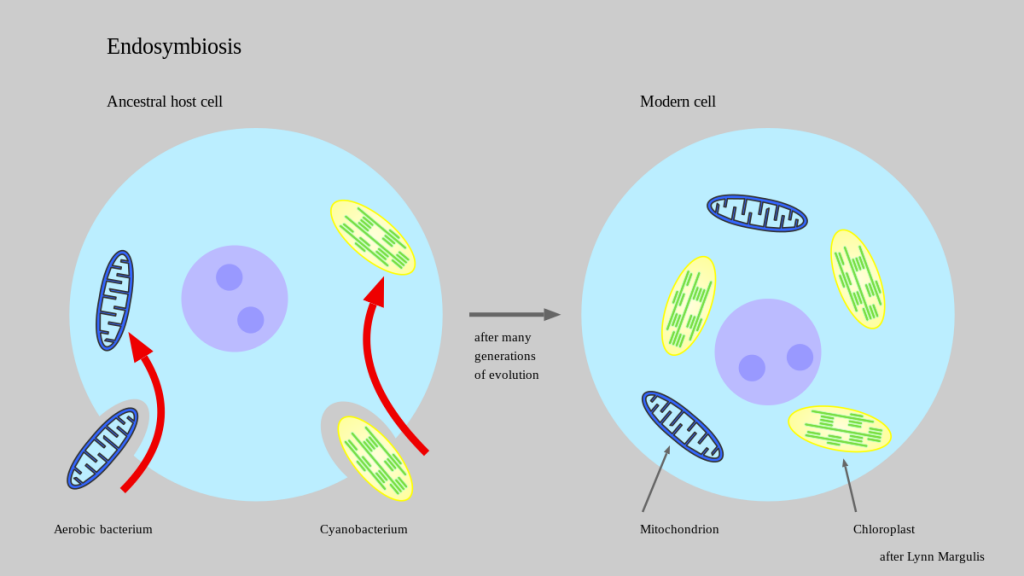
This hypothesis for how life might have begun on Earth involves prokaryotic cells begin "engulfed" by other host cells and forming a symbiotic relationship.
What is the Endosymbiont Theory?
200
This property of water describes the tendency of water molecules to stick to each other due to hydrogen bonding, and it causes surface tension.
What is cohesion?

200
This macromolecule is made of building blocks (monomers) called nucleotides.
What is a nucleic acid?
200
This evolutionary mechanism involves humans choosing traits they like in food or animals and specifically breeding to increase those traits.
What is Artificial Selection?
200
This is the type of ecological relationship shared between a cow and a cattle egret.
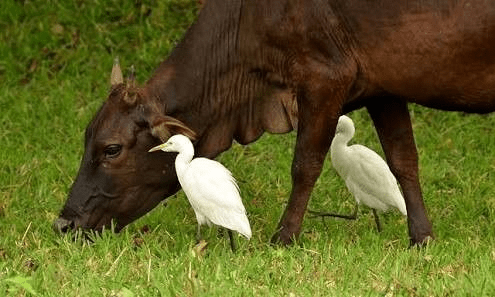
What is commensalism?
300
This hypothesis for life might have begun on Earth involves living things only being able to come from other living thing.
What is Biogenesis?
300
This property of water involves water molecules sticking to other surfaces, such as water droplets sticking to a spider web.
What is adhesion?
300
This macromolecule contains ring-like structures and is made up of building blocks (monomers) called monosaccharides.
What is a carbohydrate?
300
When a few organisms leave a population and start a new one somewhere else (the genes they possess become the gene pool of the new population).
What is the Founder Effect?
300
This is the type of ecological succession depicted in the digram:
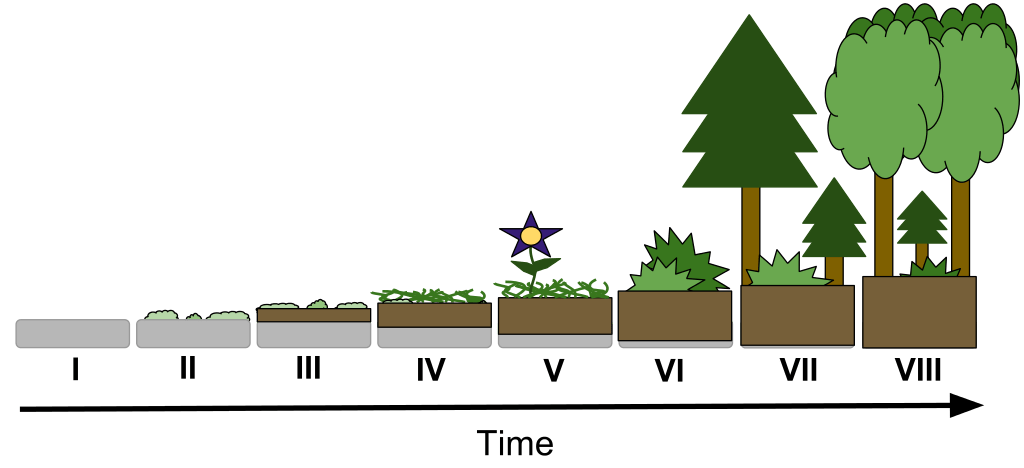
What is primary succession?
400
These two scientists conducted a famous experiment in the 1950's that simulated the conditions of early Earth, showing that organic molecules could be made from inorganic molecules.
Who are Urey & Miller?
400
This property of water is why there are temperature differences between coastal areas and inland areas.
What is high specific heat capacity?
400
This macromolecule only contains the elements carbon, hydrogen, oxygen, and nitrogen.
What is a protein?
400
The wings of birds, bats, and butterflies serve the same purpose (flying) but have different structures.
What are Analogous Structures?
400
As you move up trophic levels in an energy pyramid, most of the energy is lost as this.
What is heat?
500
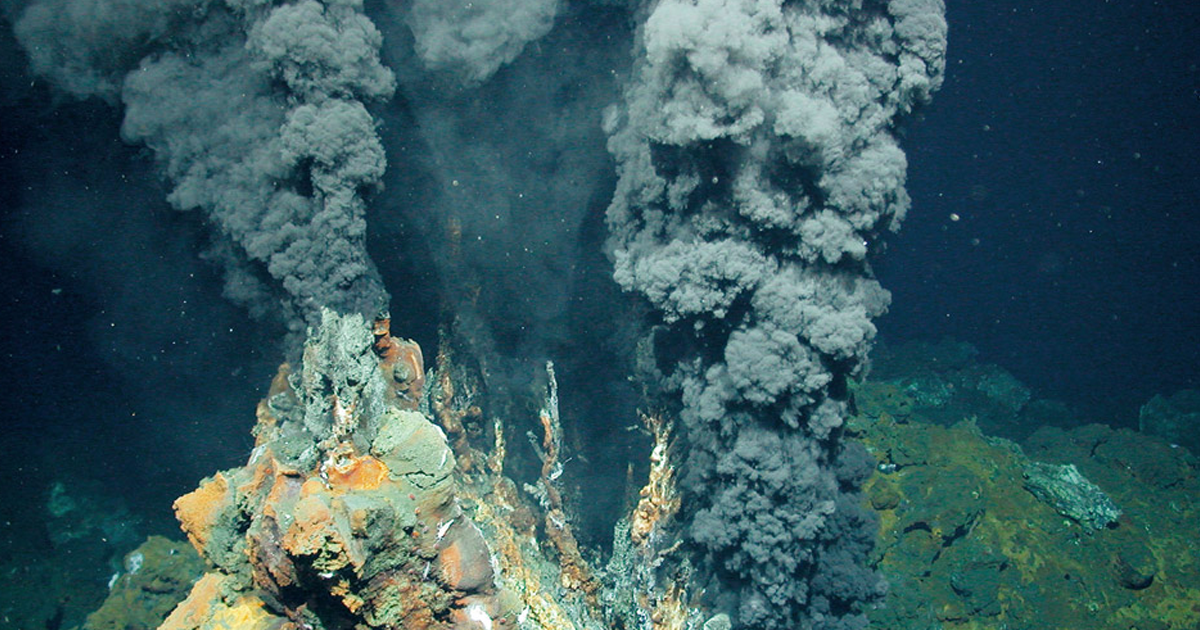
These features of the deep ocean release heated, mineral-rich water that contains elements capable of forming organic molecules.
What are hydrothermal vents?
500
When water freezes and turns to ice, this property is the reason why the ice floats rather than sinking.
What is density?
500
The molecular structure of this macromolecule looks like this:
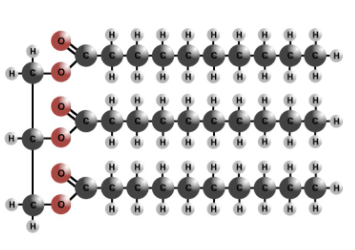
What is a lipid?
500
Of all the characters (traits) in the cladogram, this one is NOT present in the primates. 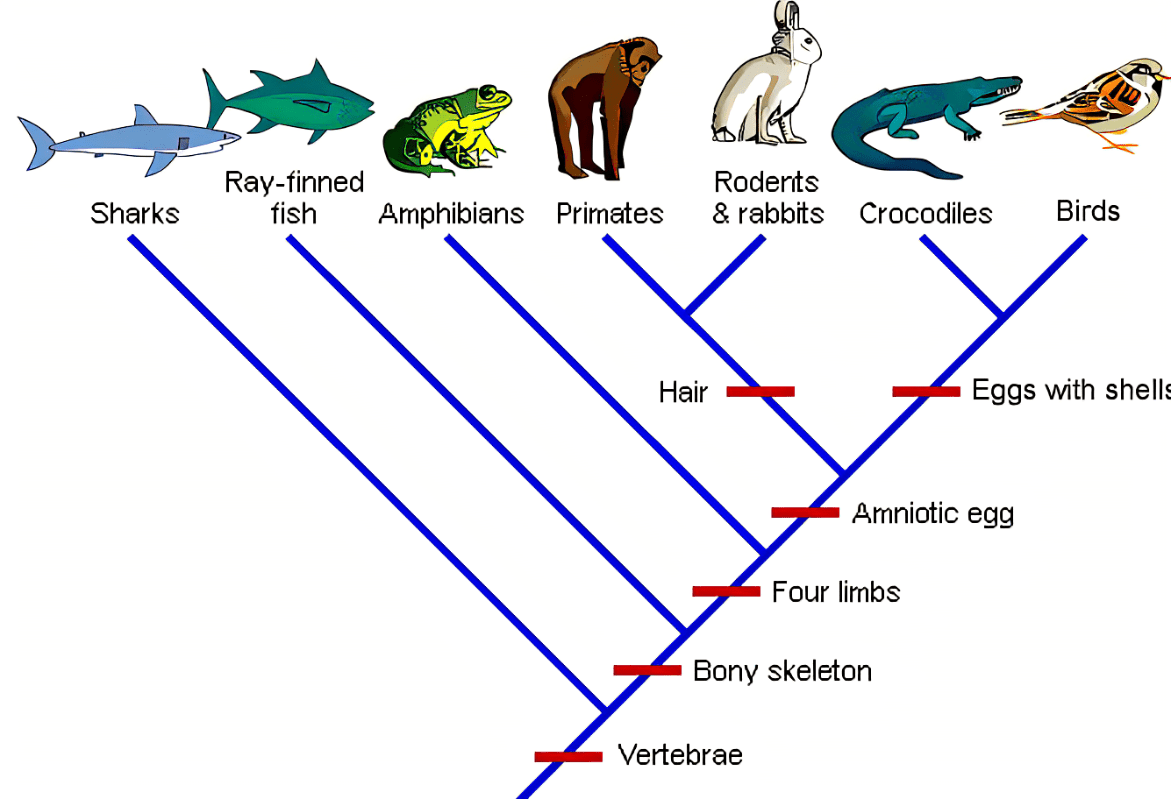
What is eggs with shells?
500
A disease is an example of this type of limiting factor, because the effects of the disease will be worse in a more dense population.
What is a density-dependent factor?