Atoms & Bohr Models
Carbohydrates
Lewis Structures & Bonds
Lipids
Periodic Table
Proteins & Nucleic Acids
200
The positively charged particle found in an atom's nucleus.
What is a proton?
200
Carbohydrates are composed mainly of these three elements.
What are carbon, hydrogen, and oxygen? Accept: C, H, and O.
200
Dots placed around an element symbol in a Lewis dot structure represent these outer-shell particles.
What are valence electrons? Accept: outermost electrons.
200
Triglycerides are composed mainly of these three elements; phospholipids also contain phosphorus.
What are carbon, hydrogen, and oxygen? Accept: C, H, and O.
200
This abbreviation represents an element, such as C for carbon.
What is a chemical symbol?
200
This is the monomer that links into protein chains.

What is an amino acid?
400
In a neutral atom, this equals the number of protons.
What is the number of electrons?
400
Glucose, galactose, and fructose are examples of this carbohydrate subgroup.
What are monosaccharides? Accept: simple sugars.
400
Nitrogen is in group 15 or 5A, so a Lewis dot symbol for a neutral nitrogen atom has this many valence electrons.
What are five valence electrons?
400
This molecule has a glycerol backbone joined to three fatty acids.
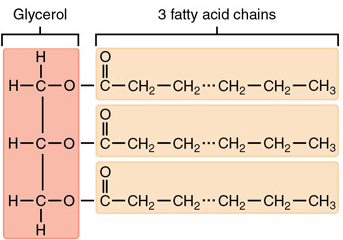
What is a triglyceride?
400
The lightest element containing only one proton and one electron.
What is hydrogen?
400
This nucleic-acid monomer contains a sugar, a phosphate group, and a nitrogenous base.
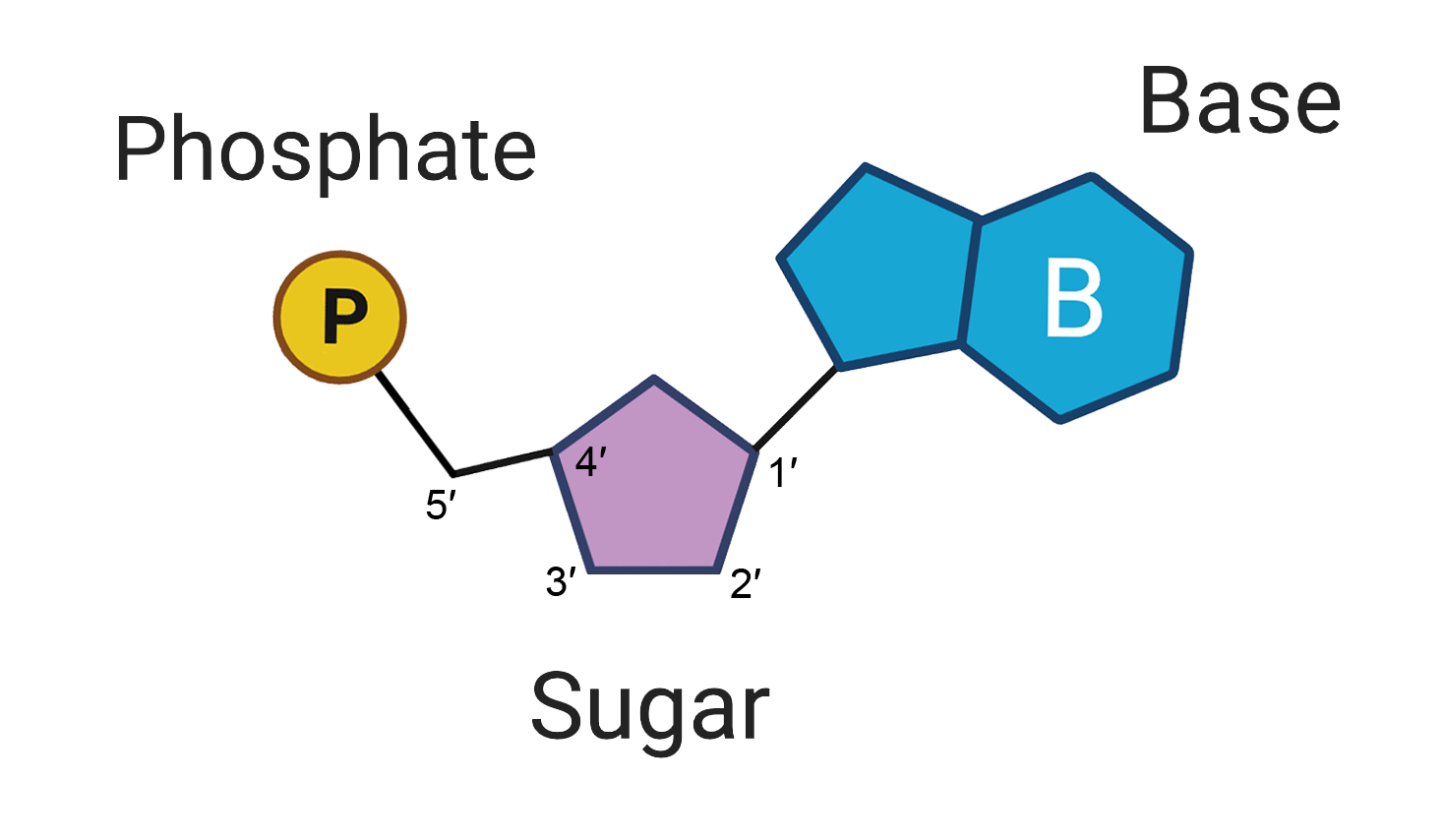
What is a nucleotide?
600
A neutral oxygen atom with atomic number 8 and mass number 16 has this many neutrons.

What are eight neutrons?
600
Two monosaccharides joined together make a what?
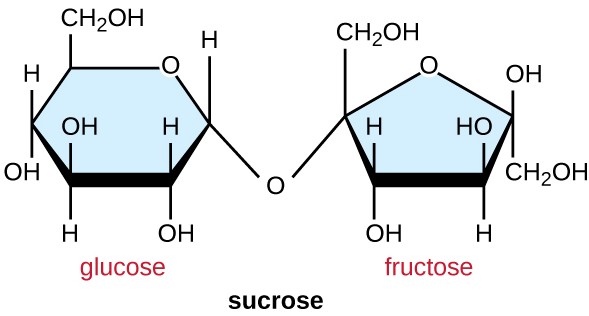
What is a disaccharide?
600
In F₂, each fluorine shares one pair of electrons with the other atom, making this kind of bond.
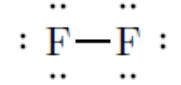
What is a single covalent bond?
600
A fatty acid with one or more carbon–carbon double bonds is described this way.
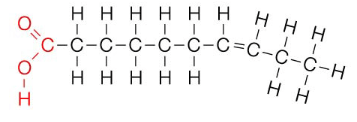
What is unsaturated?
600
The periodic table of elements is placed in order by this.
What is the atomic number?
Acceptable: What is the number of protons inside the nucleus of an element?
600
This macromolecule includes enzymes and is composed mainly of C, H, O, and N.
What is a protein? Accept: proteins.
800
For the first ten elements in these Bohr models, the second energy level holds no more than this many electrons.
What are eight electrons?
800
A long chain of monosaccharides linked together forms this type of carbohydrate.

What is a polysaccharide?
800
In a Lewis structure of carbon dioxide, carbon forms one of these with each oxygen to complete the atoms' octets.
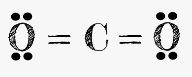
What is a double bond?
800
What is this type of lipid?
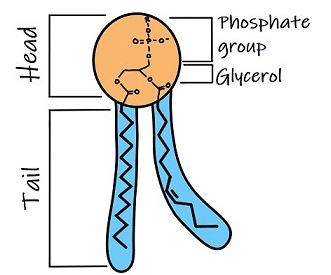
Phospholipid
800
A main-group element in group 17 or 7A has this many valence electrons.
What are seven valence electrons?
800
This molecule stores hereditary information and is shown as two antiparallel strands.
What is DNA? Accept: deoxyribonucleic acid.
1000
A neutral carbon atom with atomic number 6 and rounded mass number 12 contains six protons, six neutrons, and this many electrons.
What are six electrons?
1000
This highly branched animal storage polysaccharide can release glucose quickly when broken down.
What is glycogen?
1000
In acetylene, C₂H₂, the two carbon atoms share three pairs of electrons.
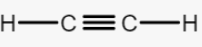
What is a carbon–carbon triple bond?
1000
Triglycerides provide this type of energy storage and also help insulate the body.
What is long-term energy storage? Accept: energy storage and insulation.
1000
Carbon is in group 4A or 14; the Lewis dot rule in the notes gives it this many valence electrons and potential bonding sites.

What are four? Accept: four valence electrons and up to four bonds in the simple model.
1000
Amino acids joined by peptide bonds form this polymer.
What is a polypeptide? Accept: a protein chain.