The Nature of Science
Chemistry of Life
Cells: Structure & Transport
Genes, DNA & Inheritance
Putting It All Together
100
In a scientific investigation, this variable is deliberately changed by the researcher.
What is the independent variable?
100
These large molecules include carbohydrates, lipids, proteins, and nucleic acids.
What are organic molecules/biomolecules.
100
These cells lack a nucleus and membrane-bound organelles.
What are prokaryotic cells (or prokaryotes)?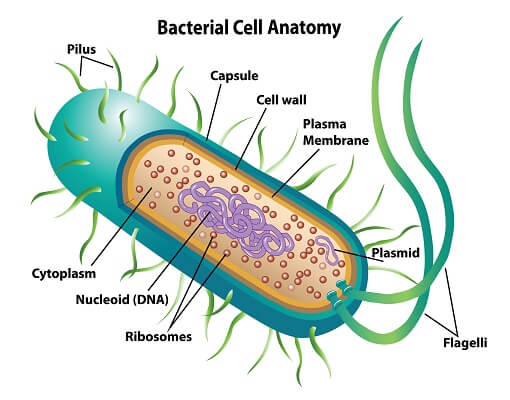
100
DNA is composed of repeating units called these.
What are nucleotides?
100
This cell structure is selectively permeable and helps maintain homeostasis by controlling what enters and leaves the cell.
What is the cell membrane?
(Accept: plasma membrane)
200
This group or setup is used as a basis for comparison and does not receive the independent variable.
What is the control group?
200
This type of molecule serves as is a monomer of proteins.
What is an amino acid?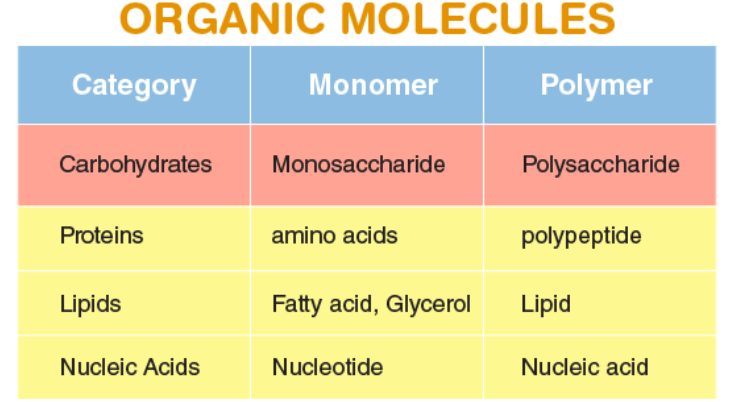
200
This organelle is the site of cellular respiration and ATP production.
What is the mitochondrion? (Accept plural version also: mitochondria.)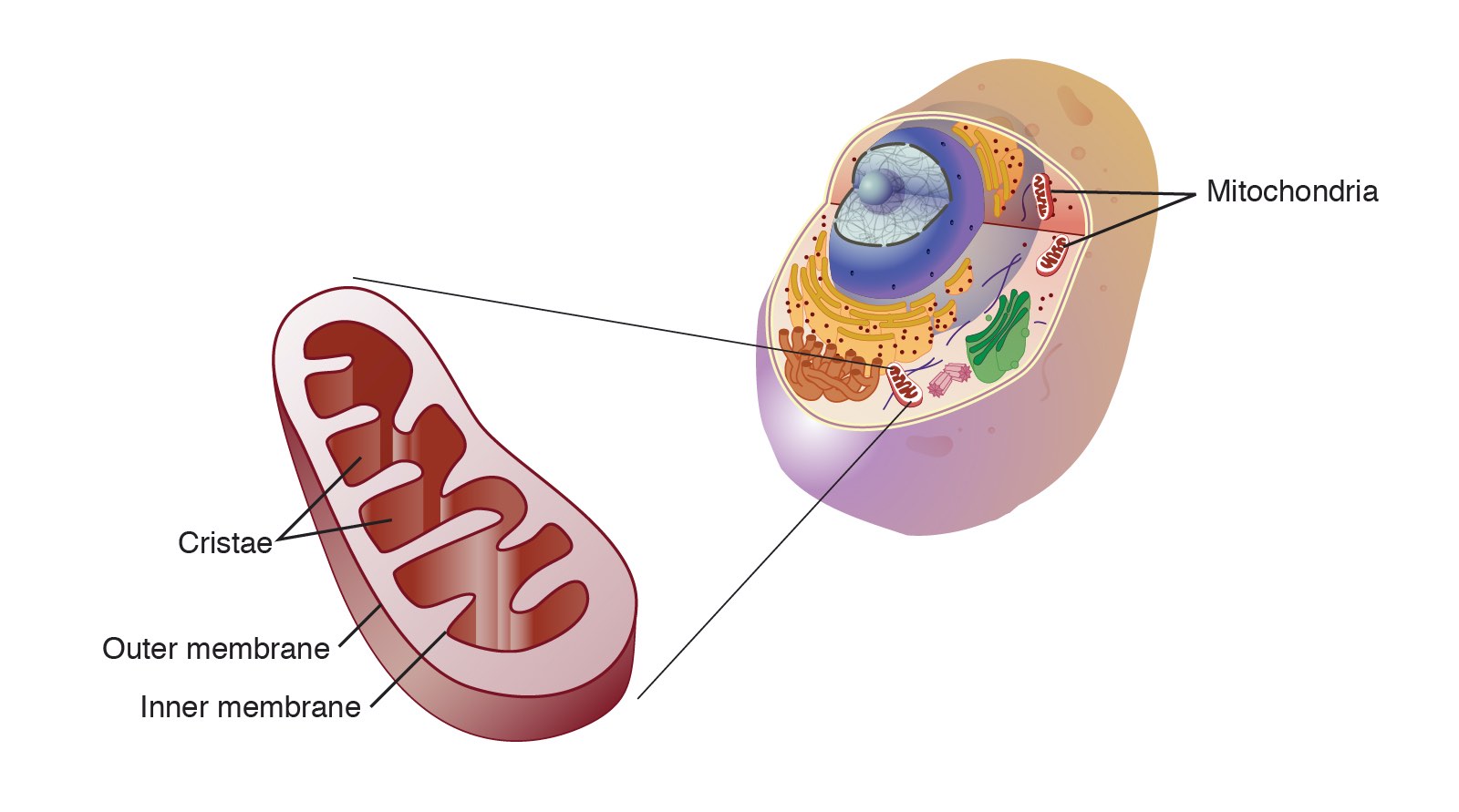
200
During DNA replication, adenine always pairs with this base.
What is thymine?
200
Alterations to the shape and function of an enzyme exposed to extreme temperatures and/or pH are described by this term.
What is denaturation? (Accept denature)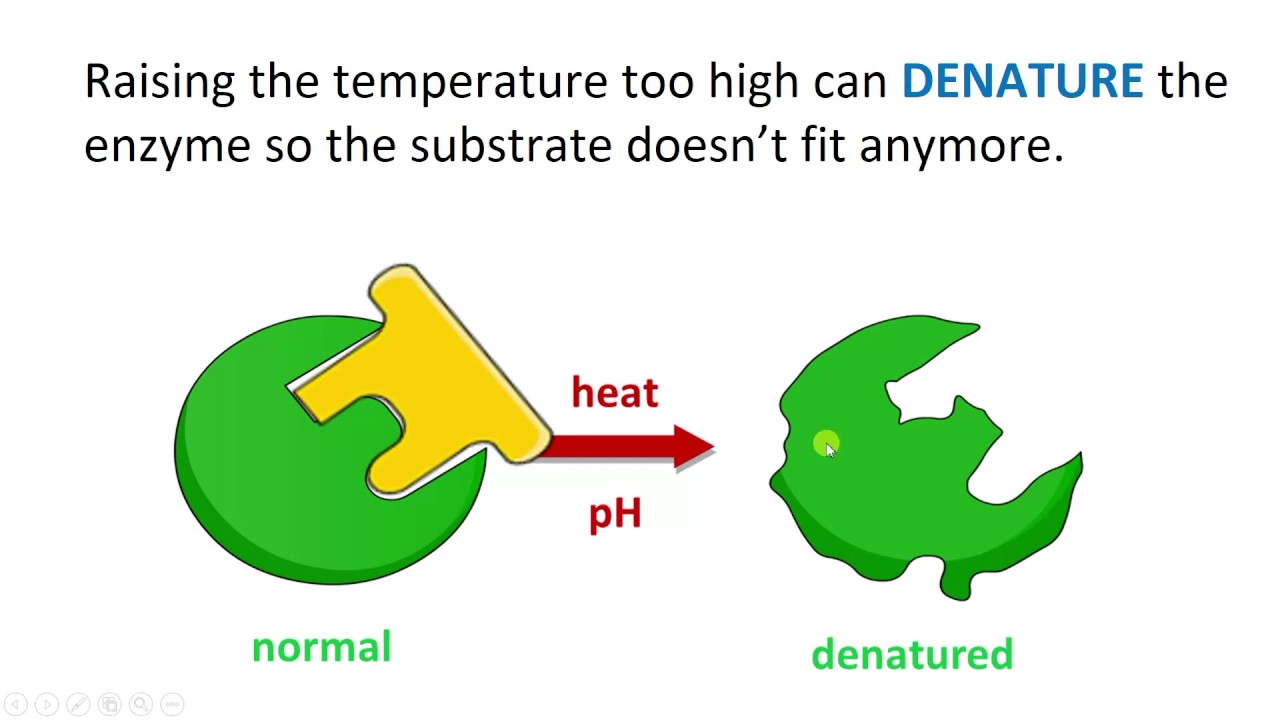
300
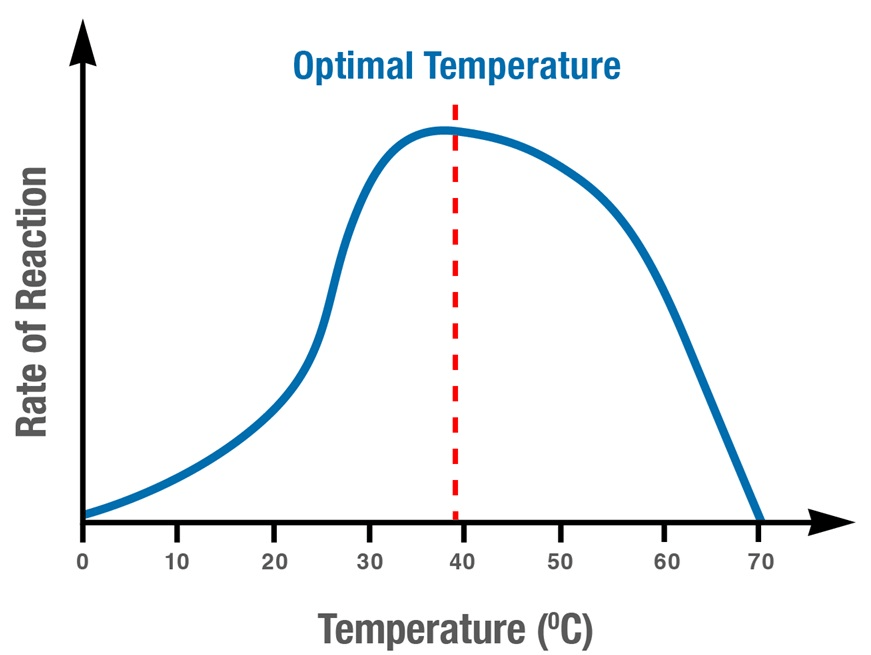
Identify the dependent variable represented in this graph.
What is the rate of the enzyme-controlled reaction?
300
This chemical reaction joins monomers together by removing a molecule of water.
What is a condensation reaction (or dehydration synthesis)?
300
Diffusion, osmosis, and facilitated diffusion are all examples of this type of membrane transport.
What is passive transport? (Accept transport that doesn't involve energy expenditure.)
300
In the Central Dogma of Biology, this process occurs when information is used to build a protein from RNA.
What is translation?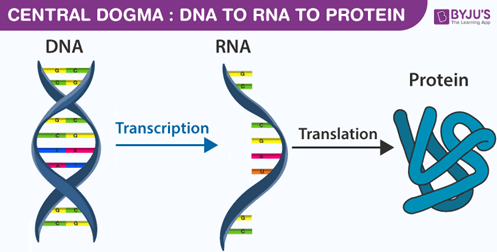
300
Certain proteins in the plasma membrane of liver and muscle cells allow glucose to move into the cell without using ATP. This type of transport is occurring.
What is facilitated diffusion?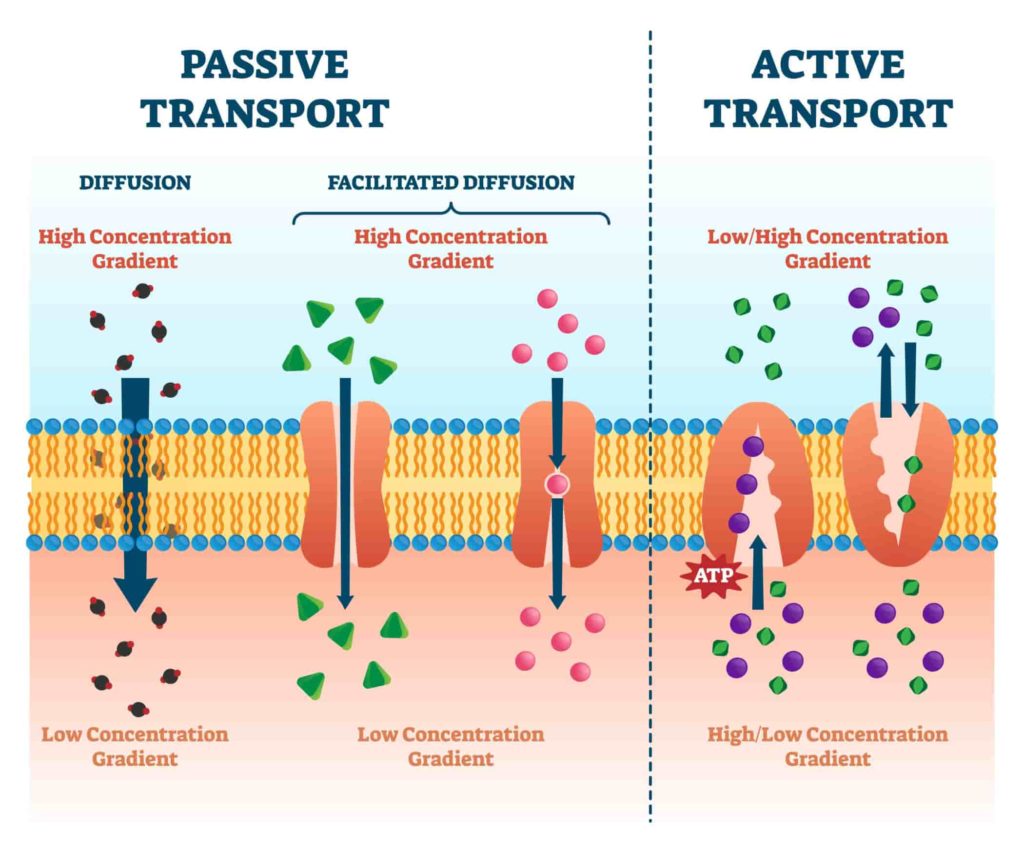
400
Repeating an experiment multiple times increases this aspect of the results.
What is reliability? (Also accept validity.)
400
This explains why enzymes are specific for only certain substrates.
What is the shape of the active site? (Also accept: enzyme–substrate specificity)
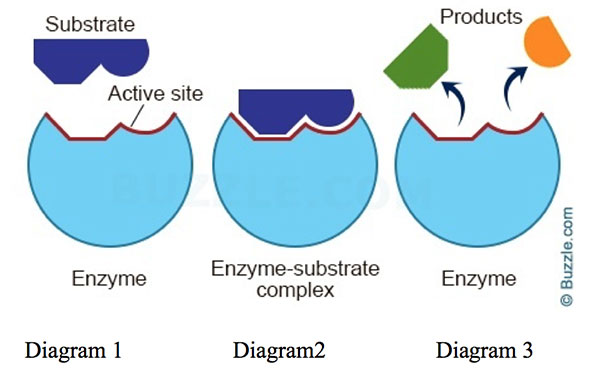
400
Water moving across a selectively permeable membrane from an area of high water concentration to low water concentration is called this.
What is osmosis?
400
In humans, this type of inheritance occurs when both alleles are equally expressed in the phenotype.
What is codominance?
400
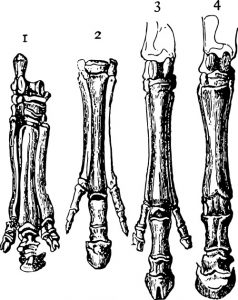
The reduction of multiple toes into a single hoof in modern horses is an inherited trait that increased survival over time. This is an example of this.
What is an adaptation?
500
An investigation produces unexpected data in addition to data that partially supports the original hypothesis. Scientifically, the most appropriate next step is to do this.
What is revise the hypothesis & retest? (Also accept: reevaluating & revising the investigation.)
500
Cells require this molecule, which can combine with a phosphate group to form an energy-rich compound used to power cellular processes.
What is ADP (or Adenosine Diphosphate)?
500
Maintaining proper concentrations of sodium and potassium ions across a cell membrane requires ATP and a membrane protein that moves sodium ions against their concentration gradients.
What is active transport?
500
Brings amino acids to ribosomes to be assembled into proteins.
What is a transfer RNA? (Also accept tRNA.
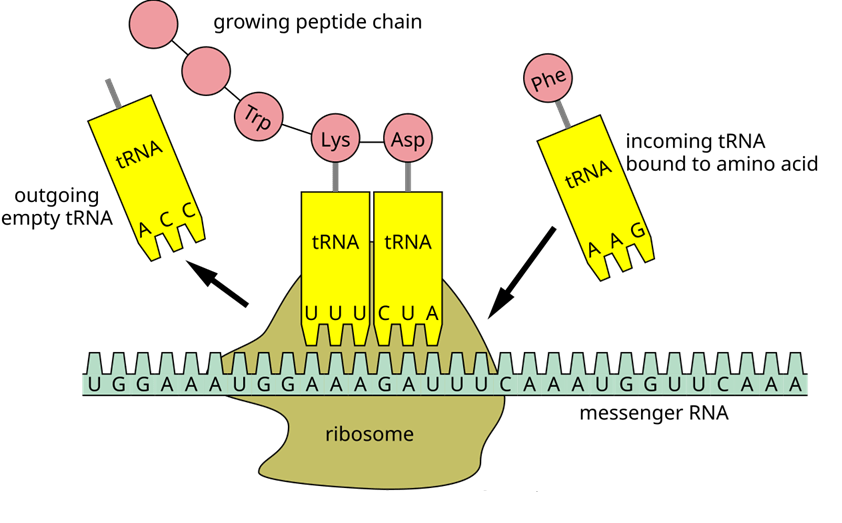
500
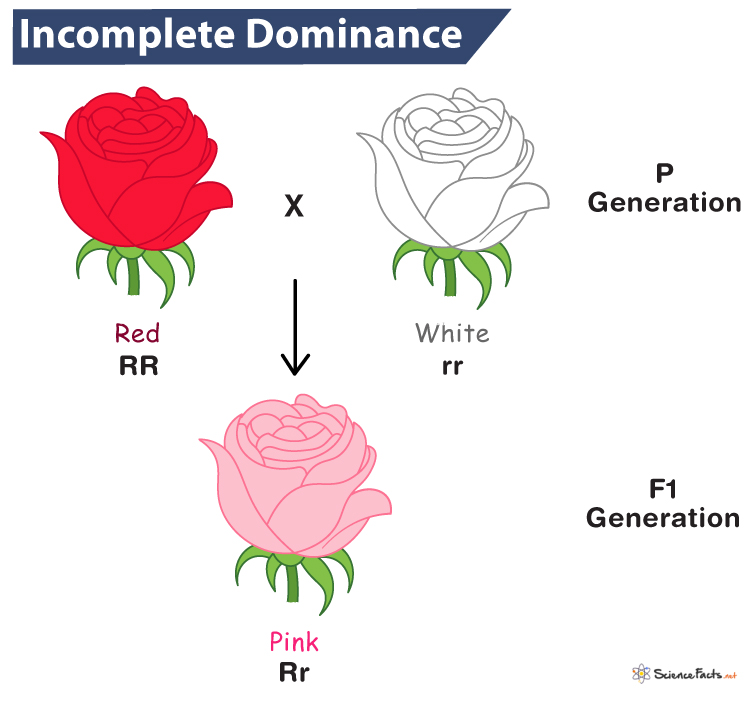
In snapdragons, crossing red-flowered plants with white-flowered plants produces pink offspring. This inheritance pattern best describes this situation.
What is incomplete dominance?