Small Birds
Big Birds
Funky Birds
Ancestor Birds
Record Holding Birds
Cool Looking Birds
100
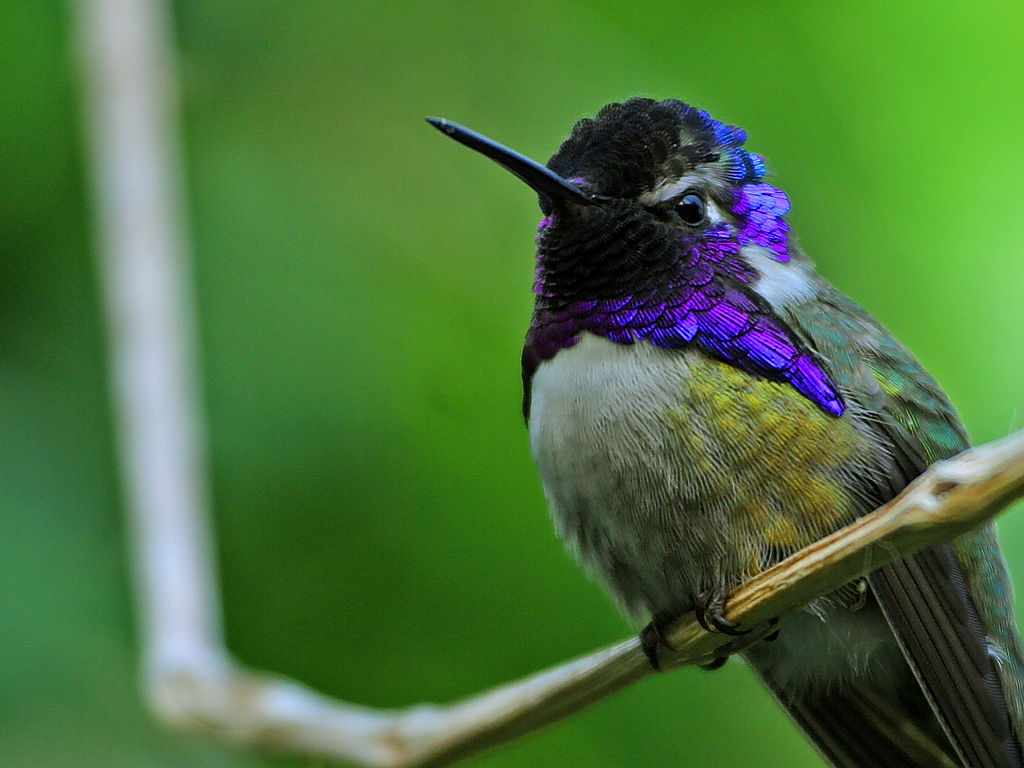
This tiny bird, growing in at roughly 3 to 3.5 inches long, is native to the Southwestern United States and Northwestern Mexico, preferring ot live in Southern California and the Baja California Peninsula. First described in a formal setting in 1839, its name (both scientific and general) honours a ornithologist friend of the one who described it, Louis Marie Pantaleon Costa, Marquis de Beuregard. They feed on flower nectar and small insects.
What is the Costa's Hummingbird!
100
This big bird is probably the one you think of first when someone mentions "big birds". Growing up to 2.75 meters tall, the heaviest of them weighs up to 145kg or 320lbs. They are known both for being the fastest bird on land and for laying the largest egg of any living land animal. Native to Sub-Saharan Africa, this bird is farmed worldwide, with a large industry for leather, feathers, meat, eggs and oil derived from their fat!
What is the Common Ostrich!

100
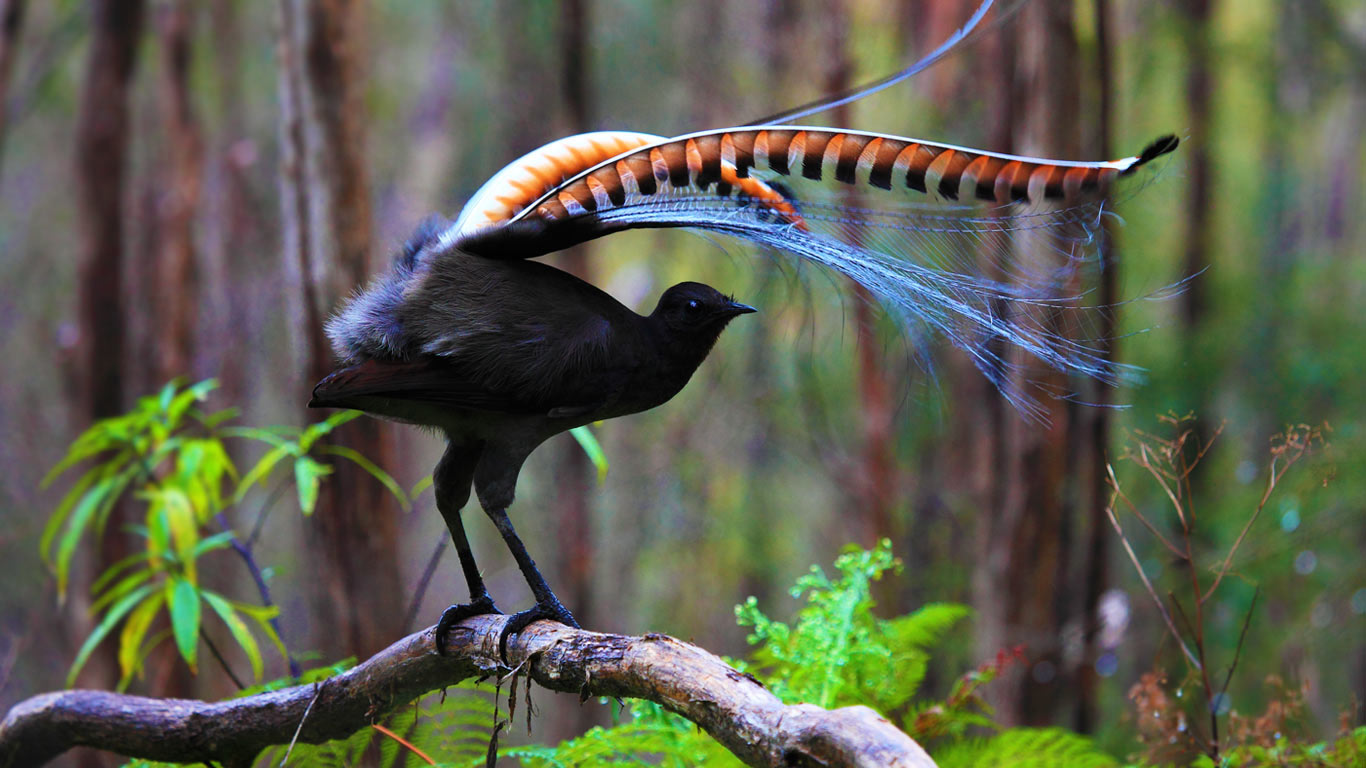
This funky little bird was first described in 1789 and became the subject of much debate as to its classification and name until it was formally described in 1801. Known for it's ability to mimic many sounds it finds within nature, including human speech, with a remarkable level of accuracy. Growing at about 31-39 inches long and living on the ground, these birds are native to Australia.
What is the Lyrebird!
This species (one of two) is called the Superb Lyrebird.
100
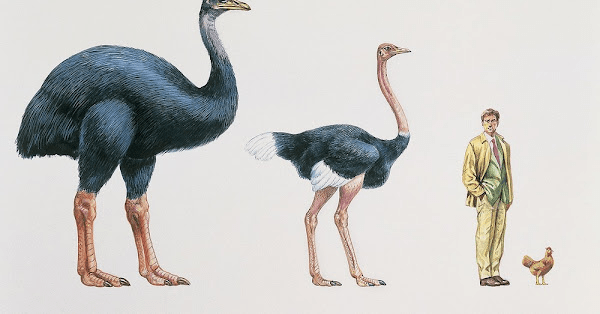
This flightless ancestor is considered the largest bird to have ever lived that we know of. Measuring in at 10 feet tall, and weighing an estimated 1500-1600lbs, this giant lived until about 1000 AD on Madagascar, likely going extinct due to human activity. Their closest living relatives are New Zealands kiwi birds!
What is the Elephant Bird!
100
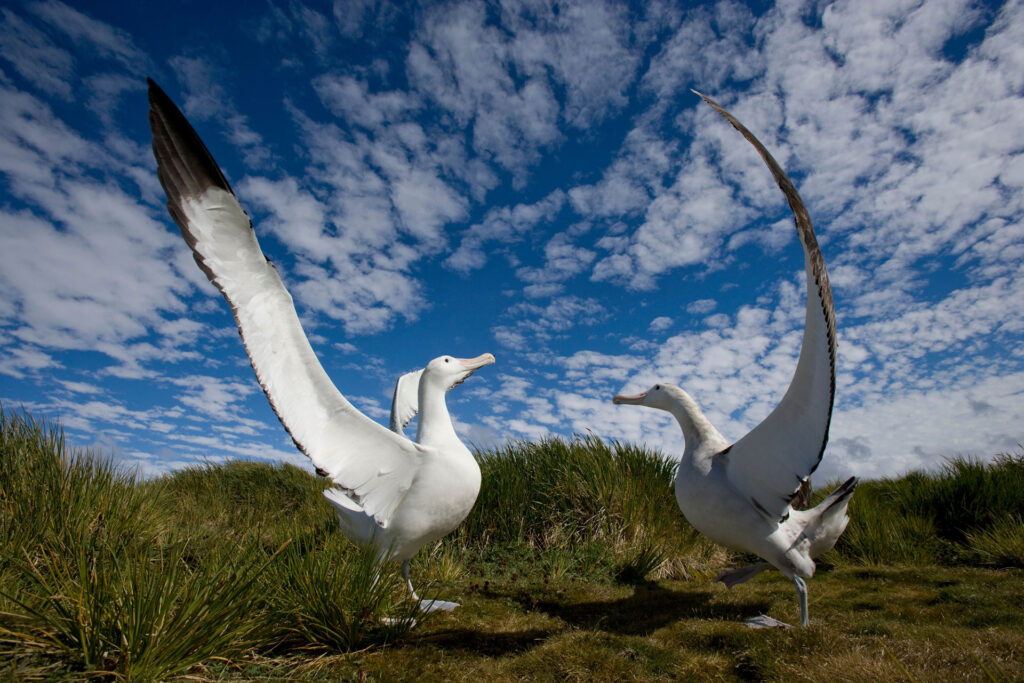
This bird is known to have the longest wingspan of any bird alive today, measuring in at 12ft long! It lives within range of the Southern Ocean, and are known to fly great distances, sometimes around circumnavigating the Southern Ocean three times in one year, which is more than 120,000KM!
What is the Snowy Albatross!
100
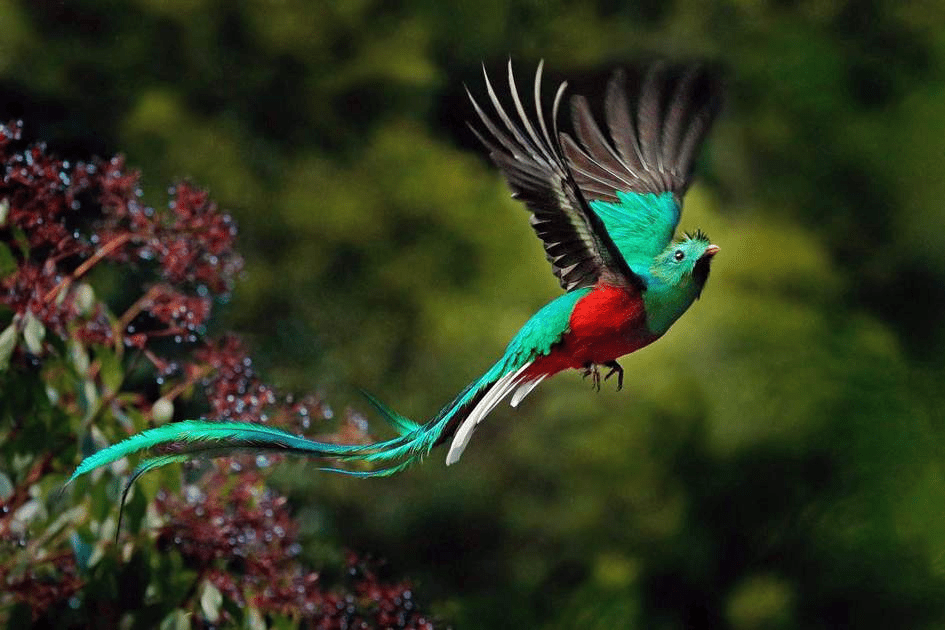
This beautiful little bird was considered sacred by Mesoamerican cultures and is still culturally significant, honoured as the national bird of Guatemala. While many Mesoamerican cultures considered it a crime to kill this bird, it's feathers were prized for headresses and were gathered by capturing birds, plucking their tail feathers and releasing them. This bird was most likely the inspiration for Quetzalcoatl, the "plumed serpent god" who helped create Earth.
What is the Resplendent Quetzal!
200
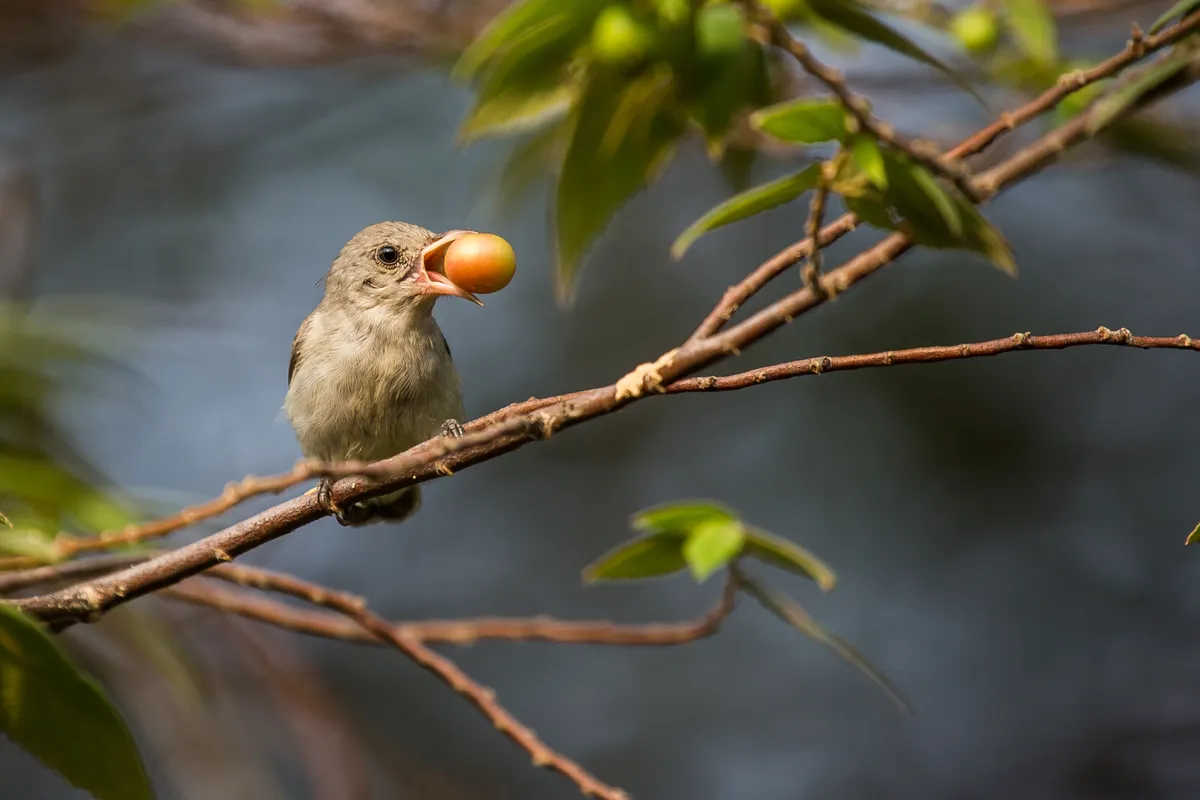
This small bird is native to India, Sri Lanka, Bangladesh and Myanmar. Measuring in at only 8 CM long, one of its defining features is its pinkish curved beak, which seperates it from other species in its region. They feed on both nectar and berries!
What is the Pale-billed flowerpecker!
200
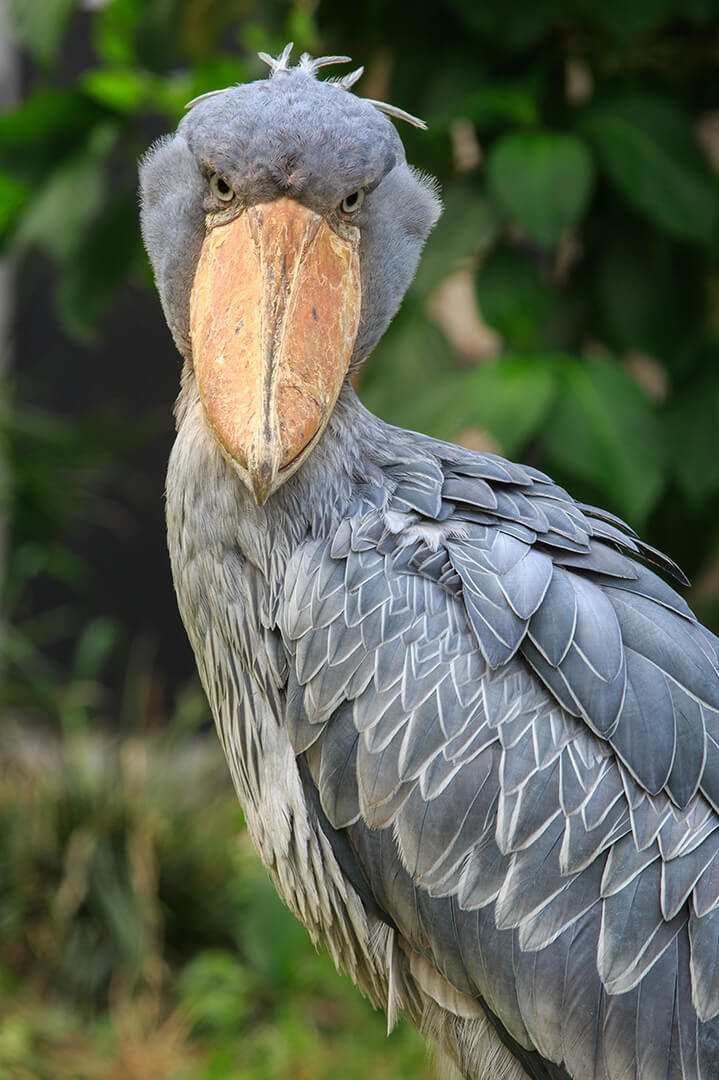
This big bird is quite well known and lives in tropical East Africa, specifically within swamps from South Sudan to Zambia. This bird was most definitely known by ancient Egyptians but was not formaly described by Europeans until the 19th century. It is roughly 55 inches tall and weighs in at only 15.4 lbs. It is knwon for its unique bulbous bill and the sounds it makes with it!
What is the Shoebill!
200
This little guy is the world's only flightless parrot! Found in New Zealand, this little guy is ground dwelling and nocturnal. Weighing in at up to 6.6lbs it is also the heaviest extant parrot! The evolution of this bird follows what we call "island syndrome" in which animals that are confined to an island develop different adaptations than their counterparts. In this case, this bird has a robust torso at the expense of its ability to fly.
What is the Kākāpō!

200
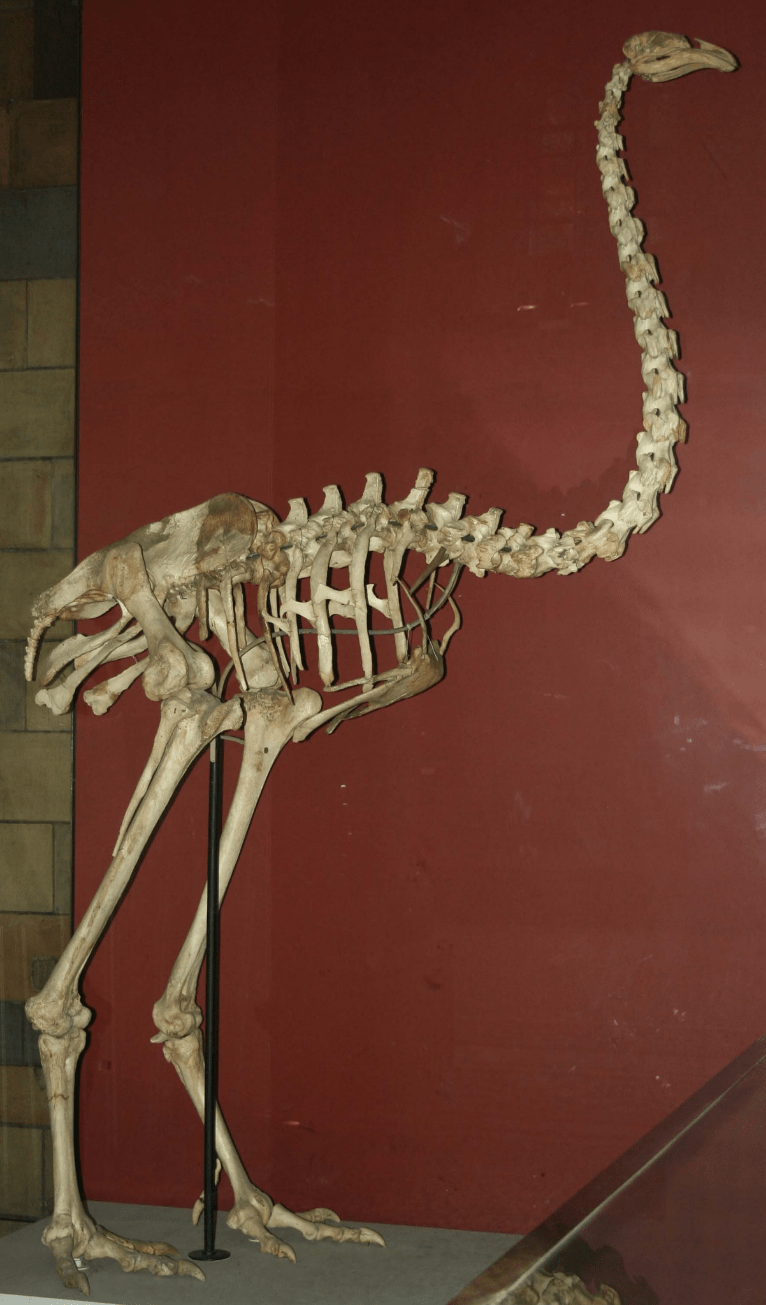
This giant bird is considered to have been the tallest bird that we know of! Growing up to 12ft tall and weighing in at 613lbs, this giant was wiped out by the Māori of New Zealand by the year 1500.
What is the Giant Moa!
200
This little bird is known for their convoluted migratory route between the Artic and Antarctica, getting to enjoy two summers every year! This makes them the bird with the longest migratory pattern, clocking in at 25,000m or 40200km each year. They migrate in a zigzag pattern, following warm weather and sunlight to maximize their food availability, using ocean winds to glide and conserve energy. They are also able to live for up to 40 years and do not start breeding until they are 3 or 4 years old!
What is the Arctic Tern!

200
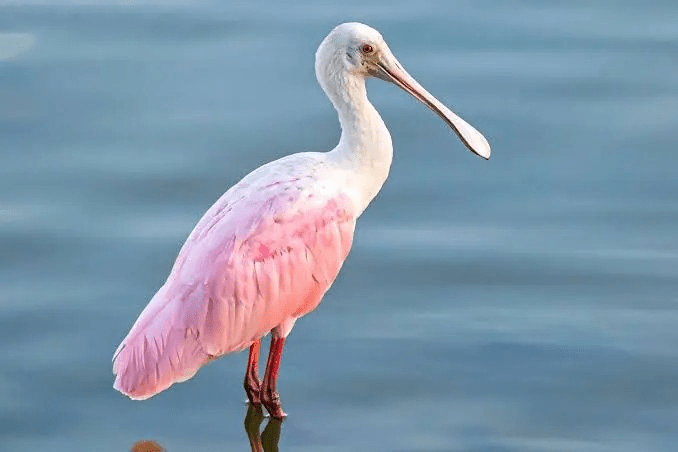
Native to both South and North America, this striking bird is part of the ibis family. It gets its colour the same way flamingos do!
What is the Roseate Spoonbill!
300
This itty bitty bird is the smallest bird native to Australia. It is quite aptly named due to its small size of 8cm and the small size of its beak. It weighs in at about 6g, the same weight of a pencil and feeds almost exclusively on insects though it has been known to eat some seed occasionally.
What is the Weebill!

300
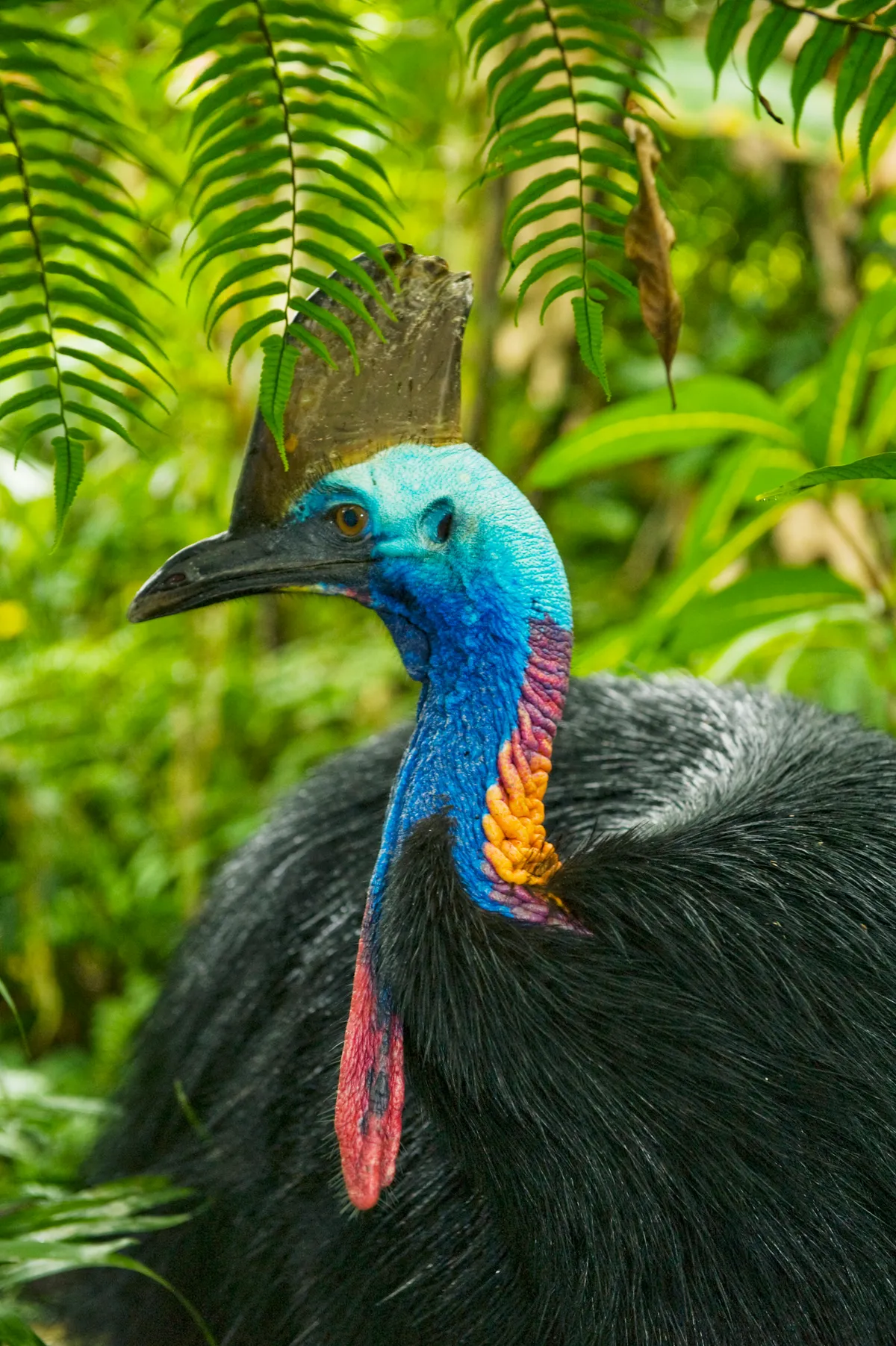
Considered the world's most dangerous bird, this big fella is flightless and found in mainly Indonesia, Papua New Guinea and Australia. It is ony of only 3 living species of its genus. Measuring in at 5.5 feet tall and weighing in at 175lbs this big fella is has a casque atop its head that is hollow and made of keratin. Recent discoveries have found that this casque serves as a thermal window in which heat can escape from their bodies, very similarly to how we sweat. Their calls are most likely one of the closest example we will ever have to how the dinosaurs sounded!
What is the Southern Cassowary!
300
This funky bird is native to South America, specifically found within riparian forests (the space between land and a river) and mangroves of the Amazon and Orinoco Basins. This bird is incredibly unique for two reasons. The first is that chicks of this species have primitive claws on two of their wing digits. The second is that they have a unique digestive system in which plant matter gets broken down and fermented, much like a cow! This digestive system has led to it often smelling line manure and being dubbed the "Stinkbird". It is the national bird of Guyana.
What is the Hoatzin and Canje Pheasant!

300
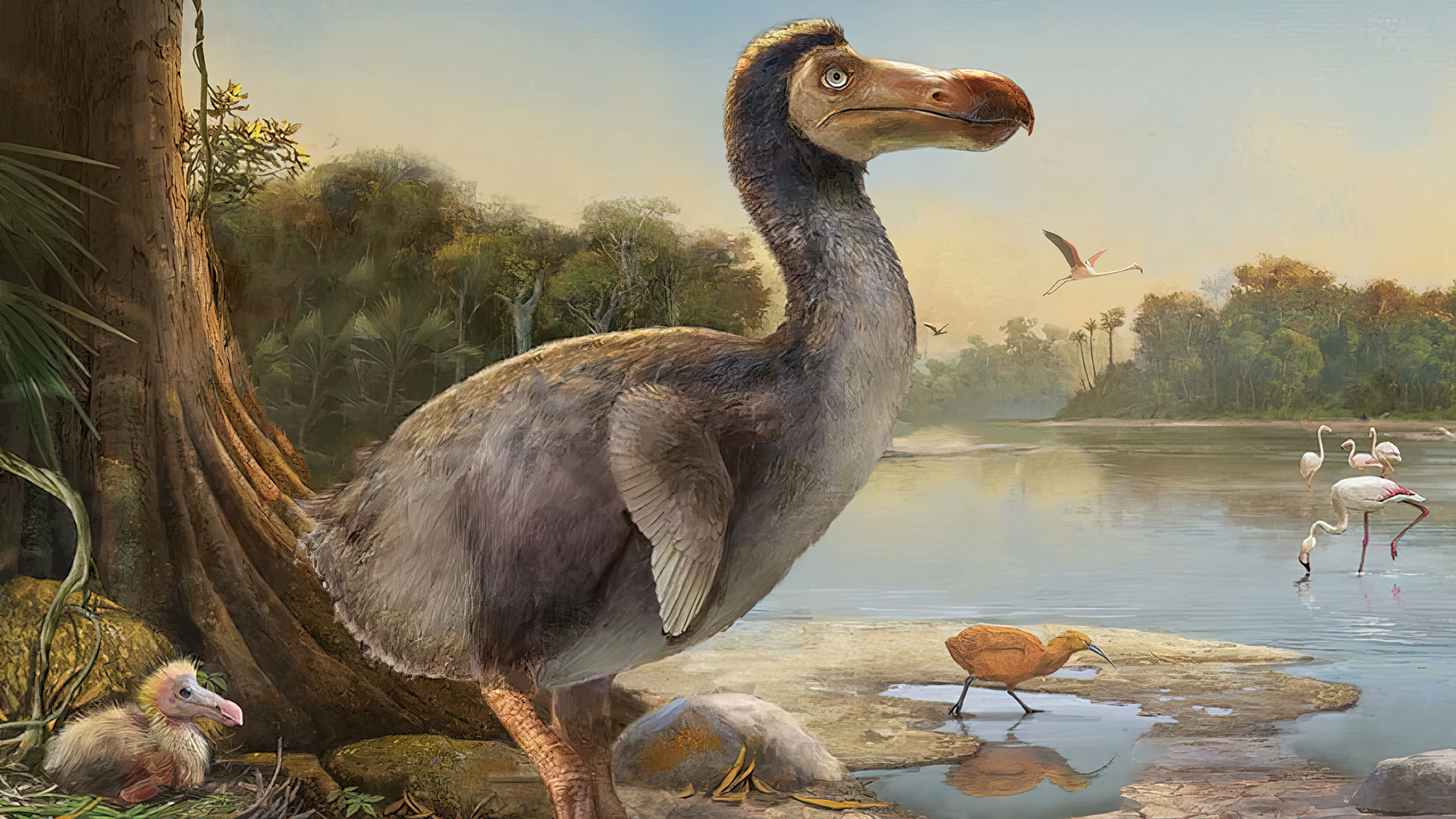
This extinct flightless bird lived on Mauritius, east of Madagascar. Its closest living relative was the also extinct Rodrigues solitaire, and its closest living relative is the Nicobar pigeon. First seen by Portugueuse sailor in 1507, they were hunted to extinction by 1681. It is considered one of the most well known instances of extinction due to humans. De-extinction efforts have been ongoing since 2016, with the most recent news in 2025 of Colossal Biosciences having succeeded in growing primordial germ cells (the precursors to sperm and egg cells) from the Nicobar pigeon. They have plans to introduce these cells to chickens that have been genetically modified to carry them. This way they will be able tk produce colonies of pigeons through which gene edits can be made!
What is the Dodo!
300
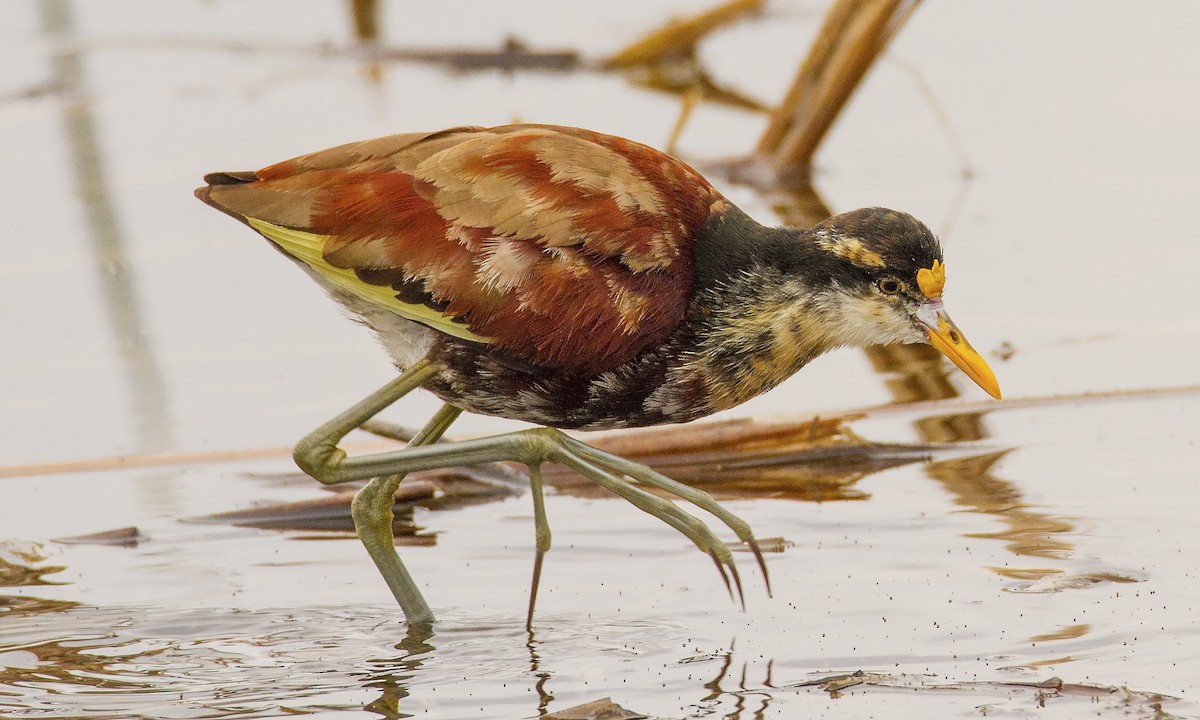
This bird holds the record for the longest toes relative to its body size! Native to coastal Mexico all the way to Panama, as well as Cuba, Jamaica and Hispaniola, it lives within marshy ponds. It is known by many as "the bird that can almost walk on water", as its long toes allow it to step on floating aquatic vegetation like lilypads without sinking due to their toes helping them redistribute their weight, almost like snowshoes.
What is the Northern Jacana!
300
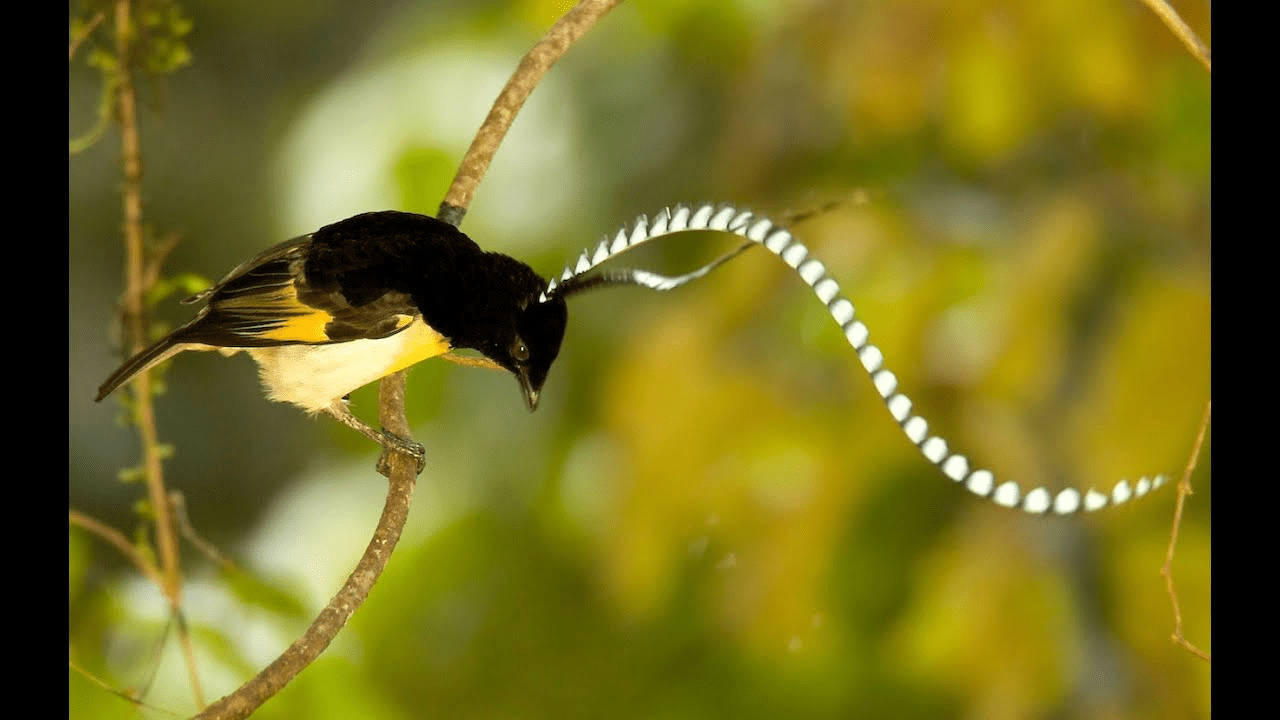
This striking little bird is native to New Guinea. It is known for its 2 comically long head feathers that look almost like antennae, which it waves around in courting displays. It was named after a King who ruled over a territory from 1873 to 1902, and whose wife lent her name to the Queen Carola's parotia bird!
Hint: part of its name includes the name of someone in thus room!
What is the King of Saxony Bird-of-Paradise!
400
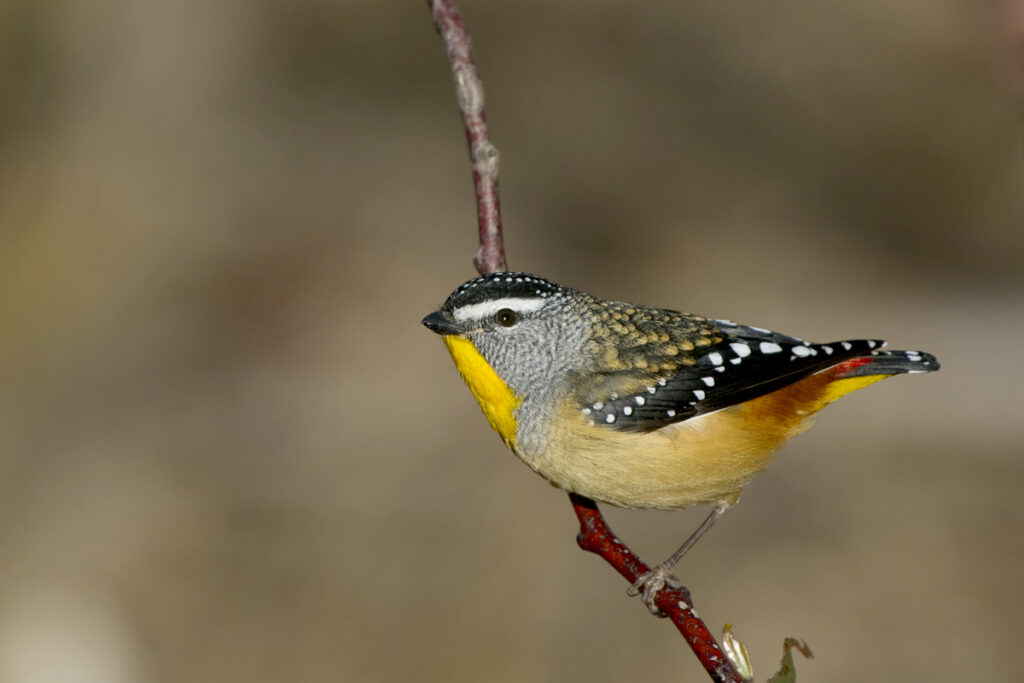
This little bird is found in eastern and southern Australia, specifically in eucalyptus forests. Measuring in at only 3.1 to 3.9 inches in length, these little birds prefer to nest in small tunnels that they dig into the soil of creek banks, old rabbit burrows or even in potted plants! Unfortunately these little fellas are in decline due to the loss of their natural habitats. They feed almost exclusively on insects, specifically Psyllids or jumping plant lice nymphs, which sit on the leaves of eucalyptus plants and suck out the plant juices, creating a sugary shell on the nymph called a lerp.
What is the Spotted Pardalotes!
400
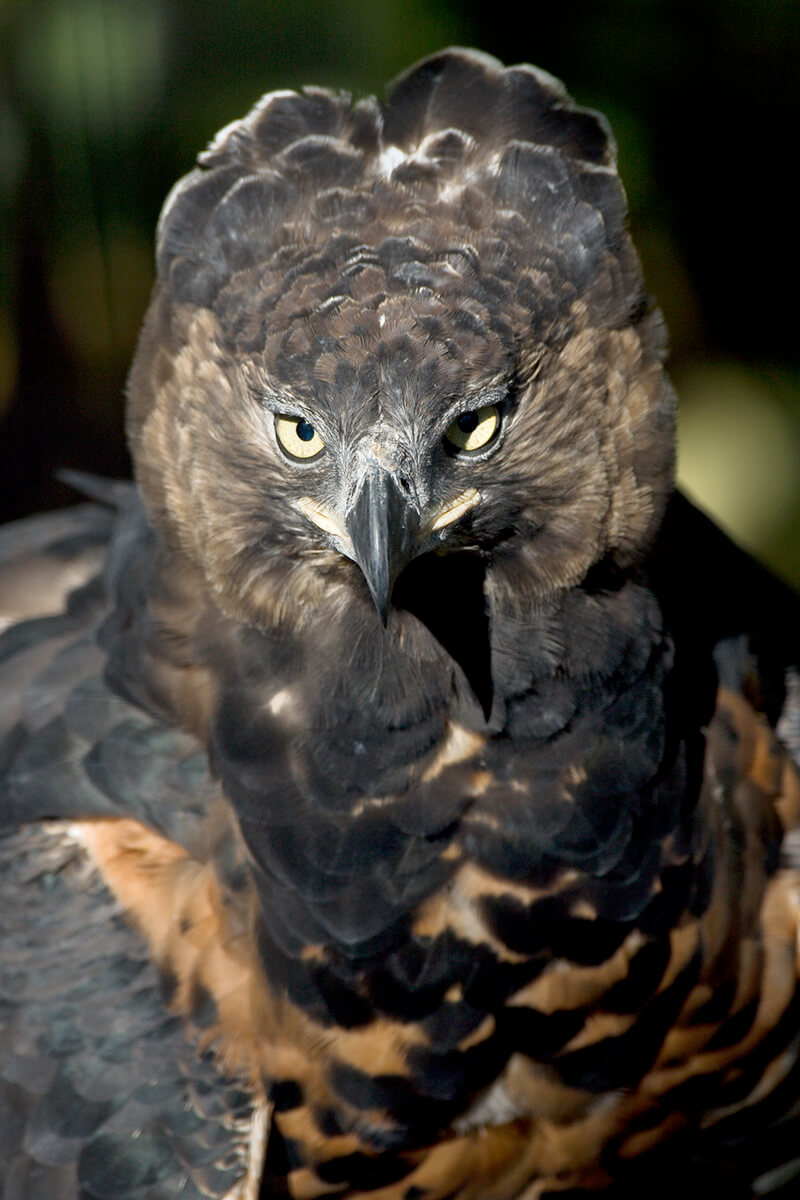
This large bird is one of the biggest birds of prey currently alive, measuring in at 39 inches and 10.4lbs, with a wingspan of 5ft 11in. Found in sub-Saharan Africa, it is the only extant (currently alive) member of the genus Stephanoaetus, though a second species did exist until humans settled in Madagascar. It is well known for being very strong, commonly eating prey up to 44lbs, and reportedly able to lift more than its own body weight.
What is the Crowned Eagle or African Crowned Eagle!
400
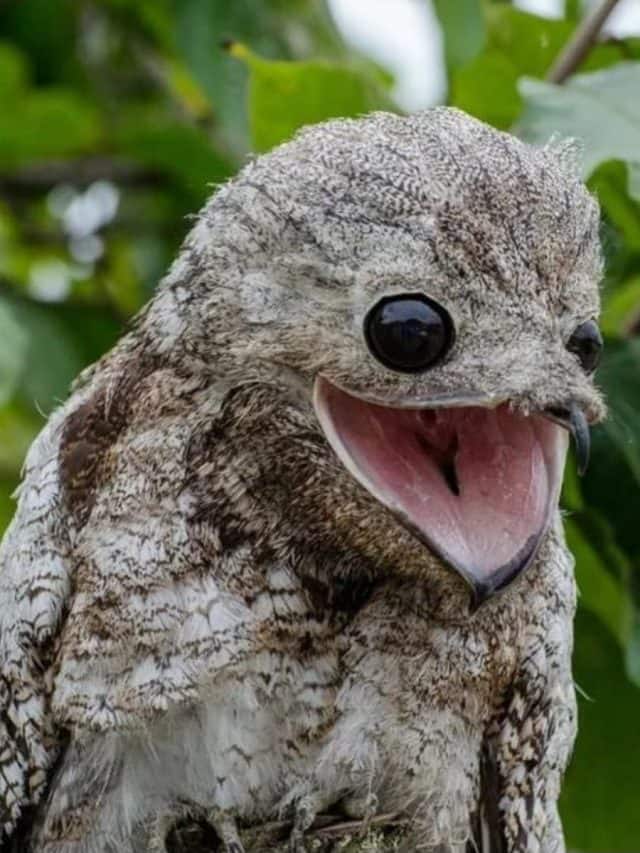
This unique bird is the largest of its species and is found mainly in Central America and as far as Bolivia and Brazil in South America. It is known for its unique looks and camouflage abilities, often posing like a broken treebranch during the day while it sleeps, and hunting at night. It has very large eyes and a wide beak.
What is the Great Potoo!
400
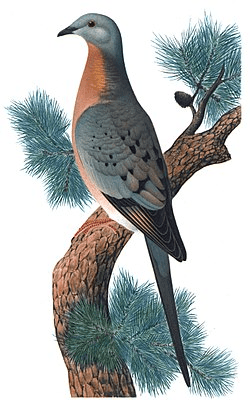
This little bird was once responsible for 25 to 40 percent of the total bird population of the United States, with an estimated 3 to 5 billion existing by the time settlers landed on Turtle Island, or North America. In fact, their population was once so dense that flocks of them would blot out the sky as they migrated for days at a time, making a very loud racket as they flew by. Their extinction is attributed to humans as well, including hunting, expansion and deforestation. The endling, last living member of the species, was named Martha, and lived within the Cincinnati Zoo, dying in 1914, taking a legacy with her.
What is the Passenger Pigeon!
400
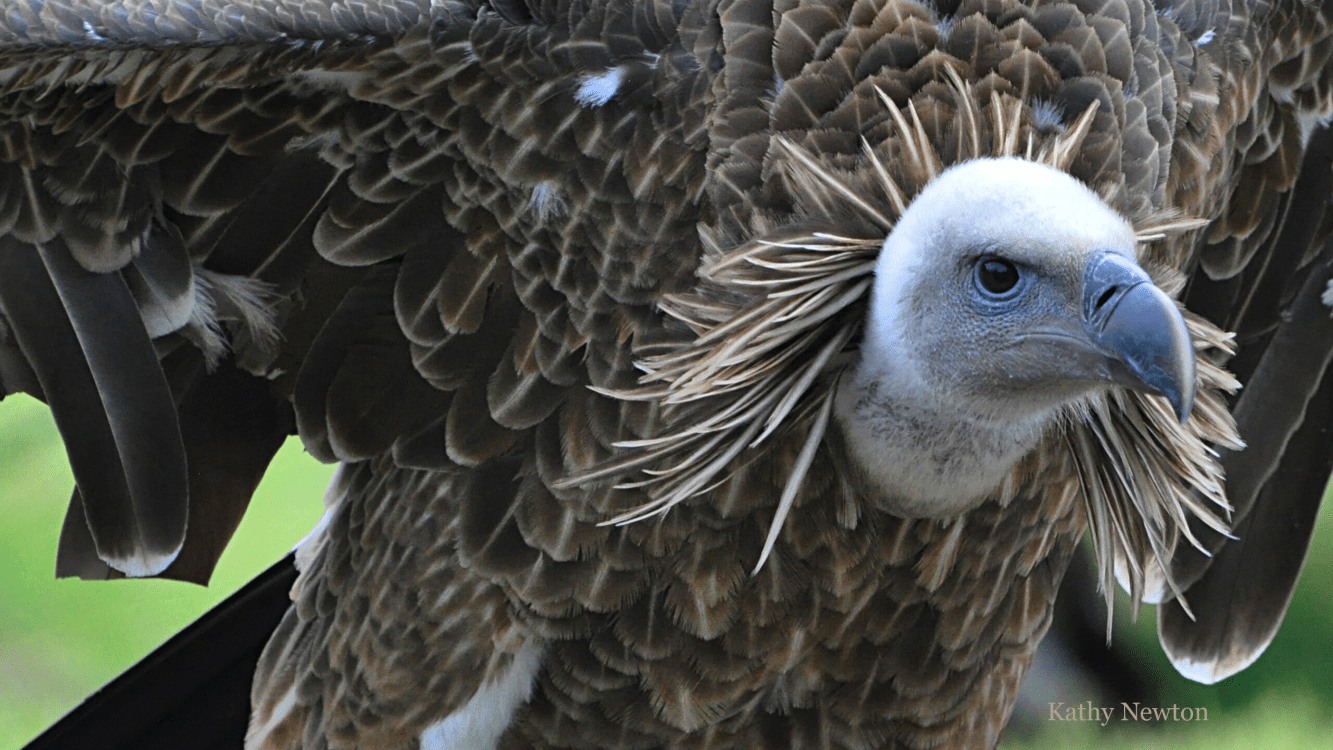
This large bird of prey is native to the Sahel region and East Africa. This bird holds the record for being the highest flying bird, with confirmed reports of it flying as high as 37,000 feet (where average temps are about -56°C). Their blood is specialized to absorb oxygen in low oxygen environments, and their respiratory system is larger and more efficient than other compatible birds. They are currently considered critically endangered.
What is Rüppell's Vulture!
400
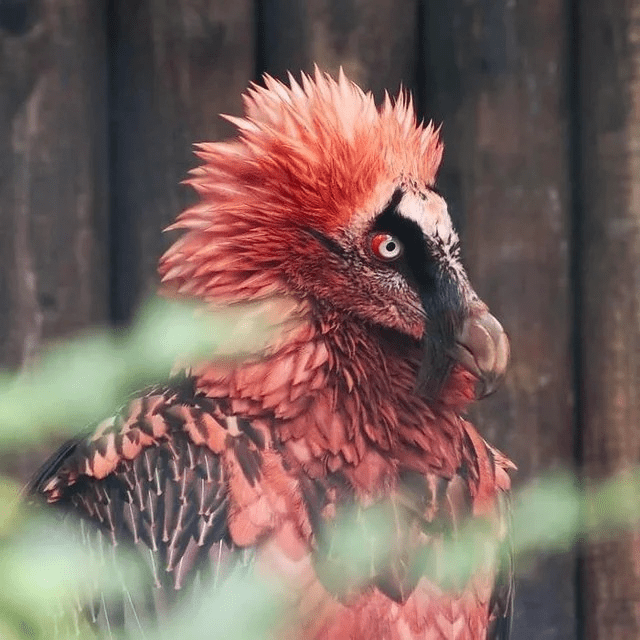
This cool looking guy is a bird with a unique diet. Native to many mountainous regions, this large scavenging bird has a diet that consists almost entirely of bones. It disdains meat and so any meat it consumes is incidental.
What is the Bearded Vulture!
500
This tiny bird is commonly considered the smallest bird alive right now, measuring in at 5.5cm long and weighing in a 1.6g (less than the weight of a penny). These tiny birds are often mistaken for a specific insect, which is where they get their name from! Living in Cuba, they feed on nectar from flowers (visiting about 1500 flowers in one day) and can beat their wings for up 80 times per second!
What is the Bee Hummingbird!

500
This flightlest bird is the tallest and heaviest of any species of its kind. Living in Antartica, it is known to have very unique abilities that allow it to dive deeply for long periods of time, including the ability to shut down non-essential organ funtions. They grow to be about 3ft 11in to 4ft 11in tall and weigh in at about 55 to 99lbs.
What is the Emperor Penguin!

500
This funky looking bird is the largest North American land bird. Once exctinct in the wild in 1987, it has since been reintroduced into the wild in northern Arizona and southern Utah, though it is still critically endangered. A scavenger, what makes this bird odd is the use of the skin on its head as a visual language, changing colour in response to its environment!
What is the California Condor!

500
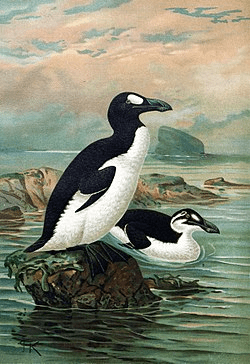
This extinct flightless bird bird was the largest (and only flightless member) of its species. They bred and lived in large colonies from the Gulf of St Lawrence to northern Britain, and their main food was most likely fish. The largest recorded colony was on Funk Island, Newfoundland. They were hunted by humans for food, bait and feathers, eventually going extinct in 1852.
What is the Great Auk!
500
This bird of prey holds the record for being the fastest animal in the world, reaching speeds of up to 320-385km/hr when diving, which is 2 to 3 times faster than the cheetah! Found all around the world in coastal, mountainous and urban areas, this bird eats mostly medium-sized birds like pigeons, doves, parrots, etc. They achieve this incredibly fast dive through their extremely aerodynamic teardrop shape and physiological adaptations. One of these adaptations is their specialized nasal cones that help them manage extreme air pressure. Small bony tubercles in their nostrils disrupt the intense air pressure to prevent lung damage and allow them to breathe. Their nasal adaptations actually inspired modern jet engine air intakes!
What is the Peregrine Falcon!

500
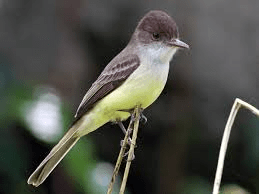
While not necessarily a cool bird, this little guy deserves a spot somewhere in this game, purely for its name! Native to Jamaica, it exclusively eats small insects. Its name was given to it for its less than enthusiastic call.
What is the Sad Flycatcher!