Digestive
System
System
Where does digestion begin?
In the mouth. 
What fluid moves through blood vessels in your body?
Blood 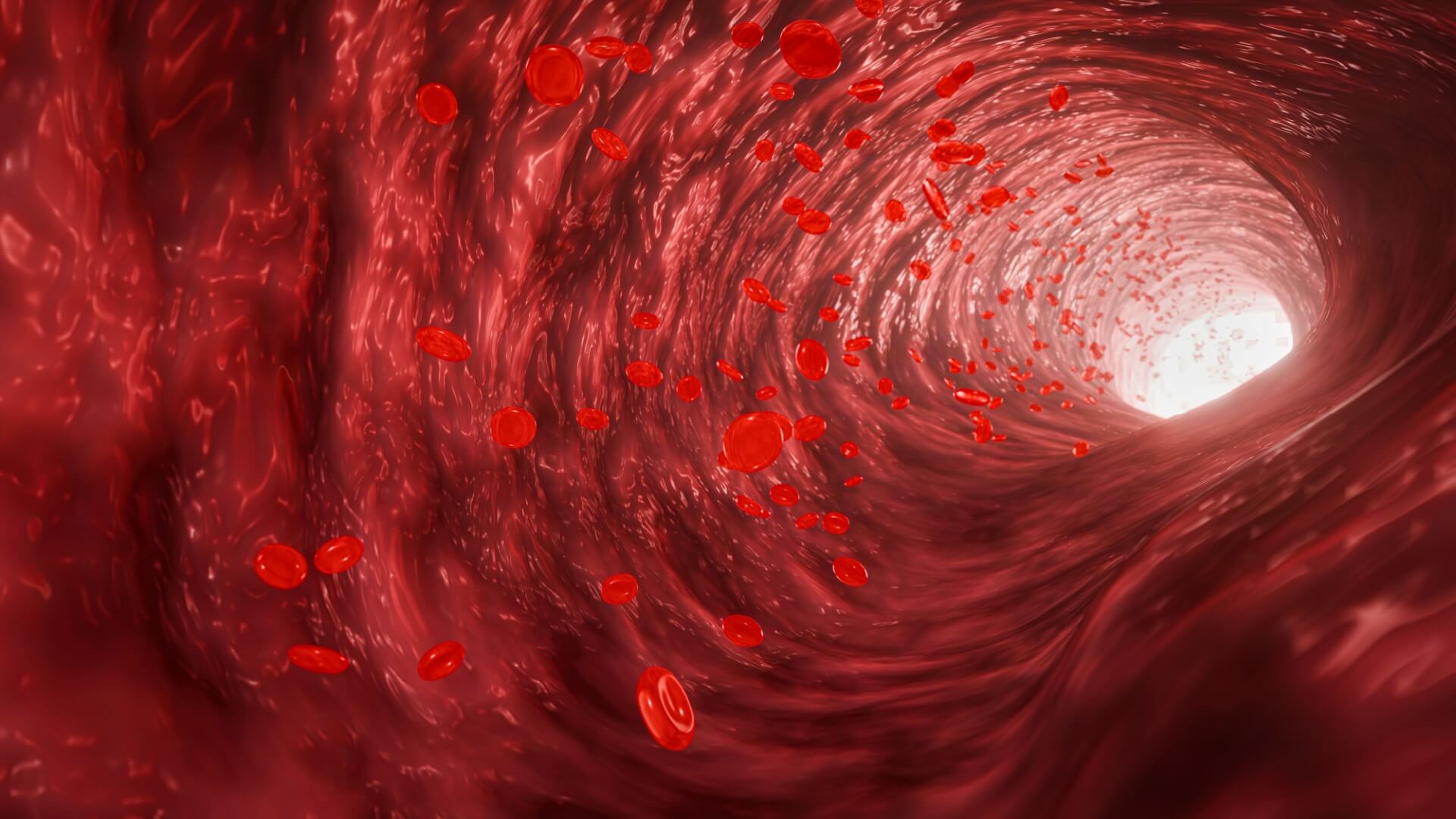
What gas does your body need to breathe in to survive?
Oxygen
What is the smallest level of organization in the body, the smalles unit of life?
Cell
Which two systems work together to move oxygen around the body?
Where are most of the nutrients absorbed?
Small Intestine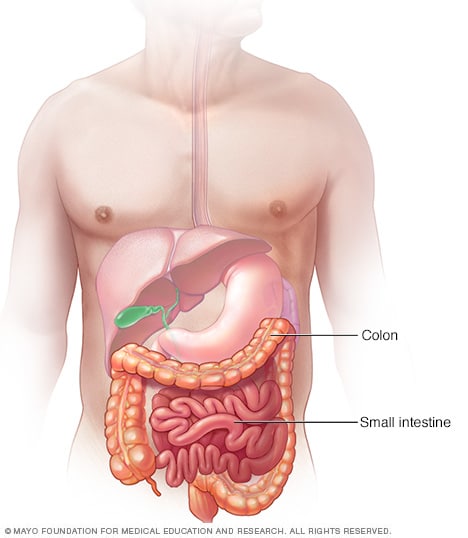
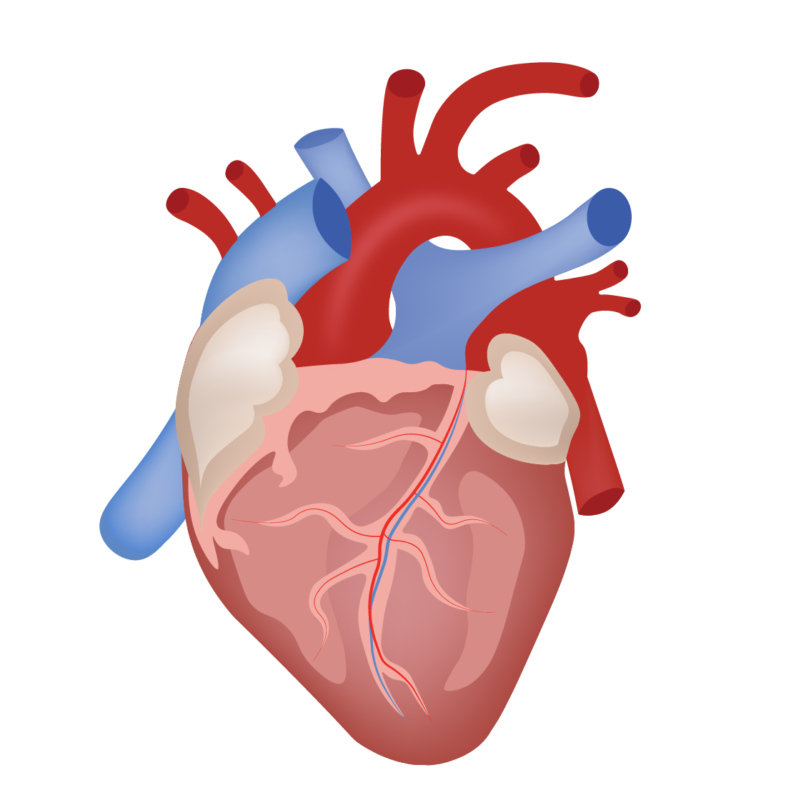
What organ pumps blood through the body?
The heart.
What organ carries air from your nose/mouth to your lungs?
:max_bytes(150000):strip_icc()/respiratory_system-578d72f73df78c09e96906ff.jpg)
Trachea
What do you call a group of cells that share the same function and work together to perform it?
Tissue
Which two systems work together to get nutrients into the blood?
Digestive and circulatory system
Which organ breaks down food using acids?
Stomach:max_bytes(150000):strip_icc()/male-stomach-layers-anatomy--illustration-758312869-5a00caa49e9427003ca76fdc.jpg)
Which blood vessel carries blood at a very high pressure from the heart towards the rest of the body?

a) Veins
b) Arteries
c) Capillaries
b) Arteries
What happens to the diaphragm when you inhale?
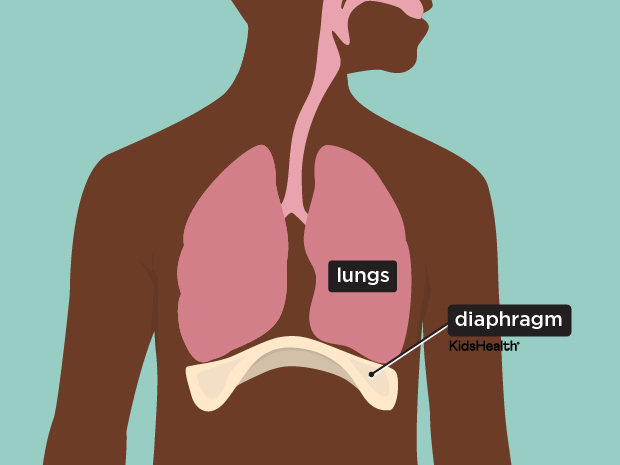
It contracts, giving the lungs more space to fill with air. 
What do we call a structure made of tissues that work towards the same function?
Organ 
How do the lungs and heart work together?
The lungs send oxygen to the blood, and the heart pumps it through the body.
True or False: The liver is in charge of breaking down food with acids.
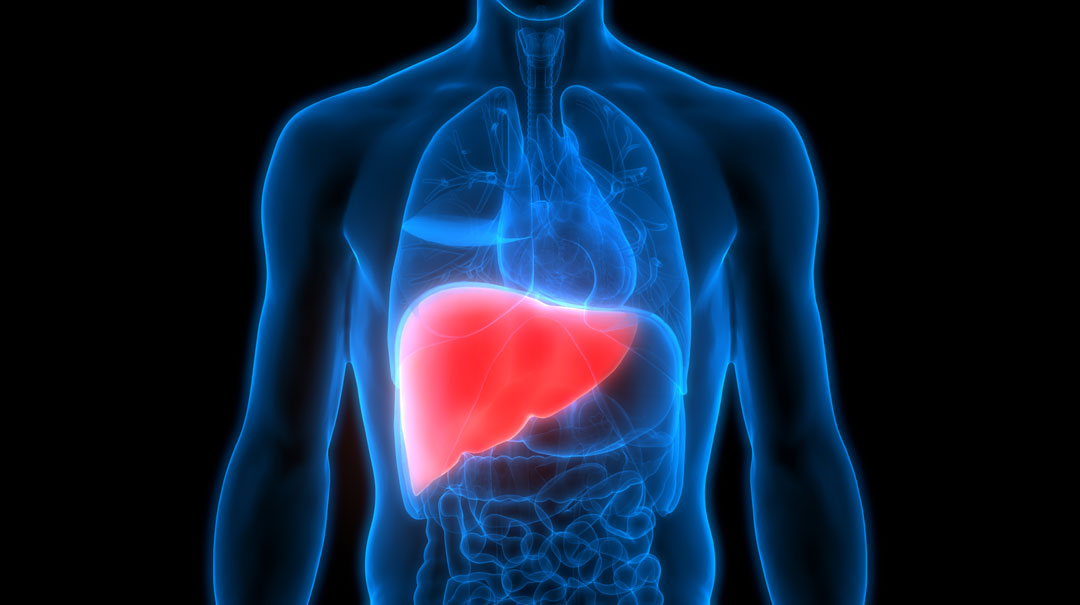
FALSE: Food is broken down in the stomach, the liver helps by releasing enzymes that help break down food.
What organs make up the circulatory system? (hint: the answer considers 4)
Heart
Arteries
Veins
Blood
(extra) Capillaries
What process is being shown in this image?
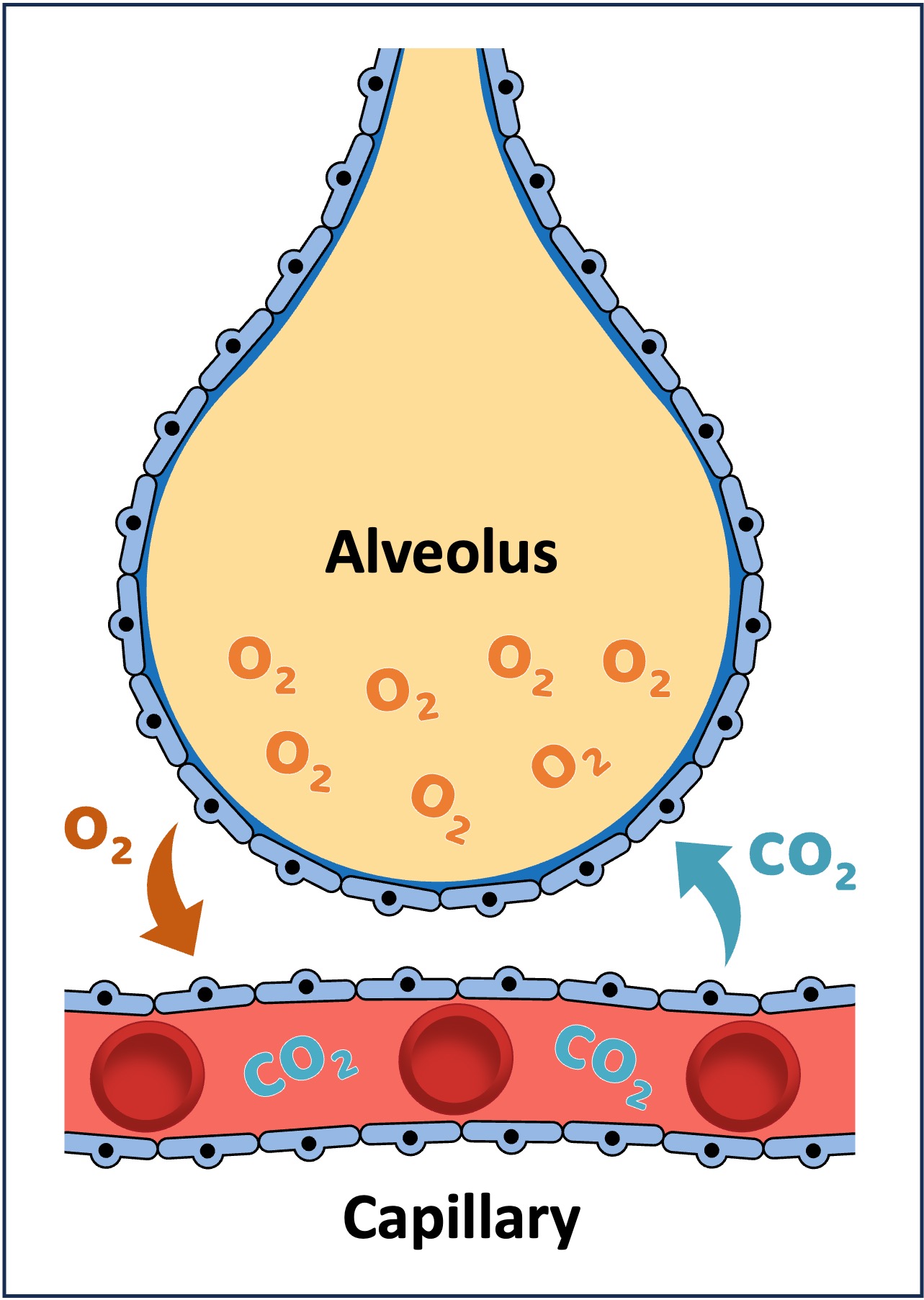
Gas exchange between the alveoli and bloodstream in the lungs (alveoli).
Oxygen enters the body and carbon dioxide is released.
What are the 5 levels of organization starting from smallest to greates unit of life?
Cell - Tissue - Organ - Organ System - Organism
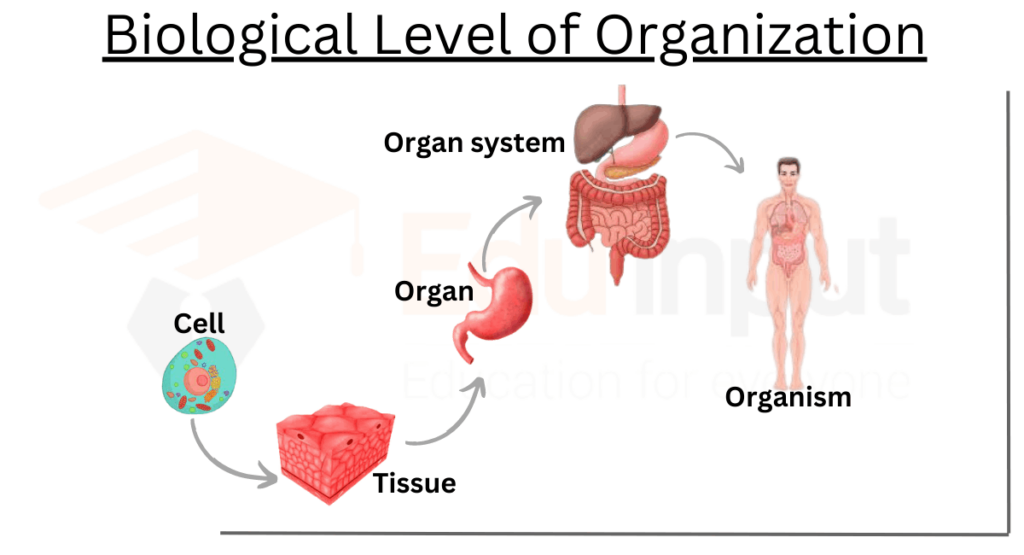
Why can a problem in one body system affect other systems?
Because body systems depend on each other to function.
Systems are INTERDEPENDENT (+50 points for using that word).
A child is not absorbing enough nutrients from food. Their body has low energy, and they get tired easily.
What systems are being affected?
The Digestive and Circulatory System.
What is the main function of the circulatory system?
:max_bytes(150000):strip_icc()/GettyImages-97537745-59efa47d6f53ba0011c0070b.jpg)
To transport oxygen, nutrients, and waste throughout the body.
What is the function of the repsiratory system?
Its main function is to bring oxygen into the lungs, where it enters the blood and is transported to cells. It also removes carbon dioxide from the body as a waste gas.
How are all levels of organization connected?
One levels makes up the other.
They all depend on eachother, a problem in one will eventually affect all levels.

When your body needs energy (for example, running or playing sports), how do the respiratory, circulatory, and digestive systems work together?
The digestive system breaks down food to provide nutrients. The respiratory system breathes in oxygen.
Both oxygen and nutrients are absorbed into the bloodstream, where the circulatory system carries them elements where they are needed (if you are running for example, its will provide more towards your inferior muscles).
