Photos
Facts
Location, Location, Location
Genodermatoses
Micro/Dermo-scopic
100
Name one treatment for this condition:
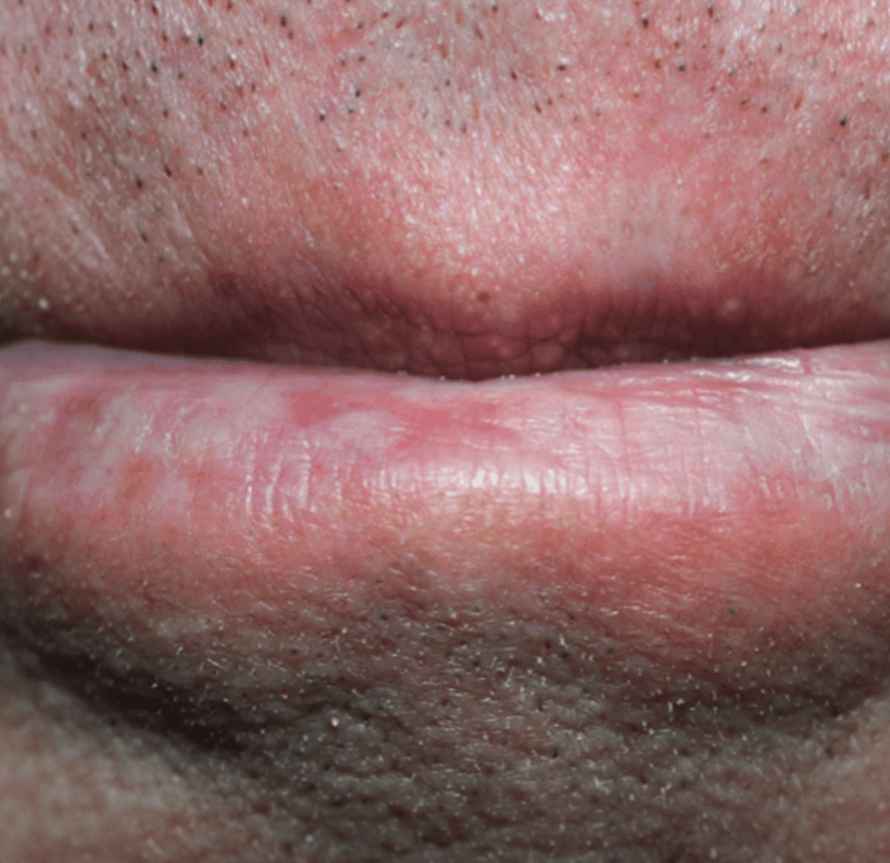
topical efudex (5-Fluorouracil) cream
Actinic cheilitis. Erythema and scale of the entire lower vermilion lip with erosions and areas of leukoplakia.
100
Name 2 risk factors for the development of non-melanoma skin cancers?
1) Skin phenotype
2) Average amount of UVR - closer to the equator = greater the exposure
3) Age = likely related to cumulative damage + decreased immune function
4) Immunosuppression
5) HPV infection
100
When searching for AKs, which anatomical sites should you pay special attention to?
Anatomical sites with the most cumulative sun-exposure:
Bald scalp, superior helices of ears, face, dorsal hands, and extensor forearm
100
What do these people have and what should they avoid?
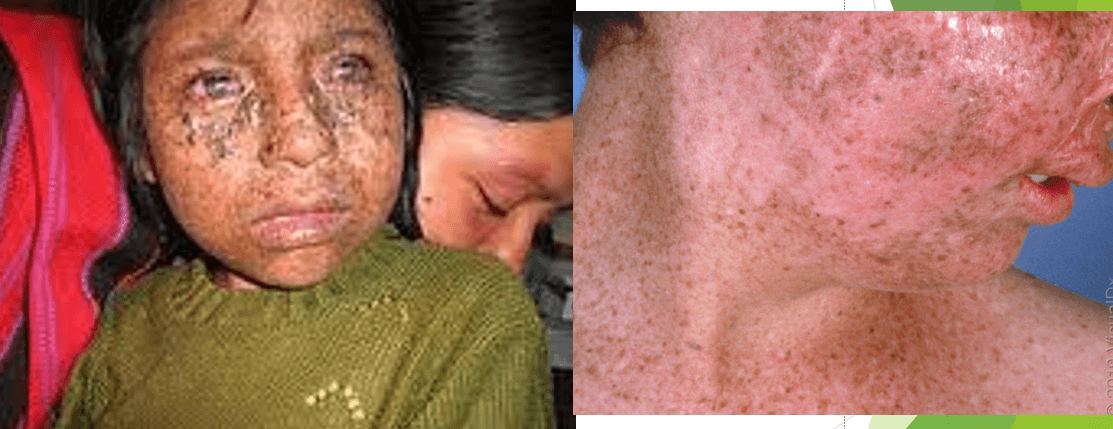
Xeroderma Pigmentosum
- Typically AR with mutations in nucleotide excision repair proteins
- Characterized by: photosensitivity and early skin cancers, ocular issues (photophobia, ectropion, corneal vascularization), progressive neurological deterioration in 20-30%
3 stages:
1) 6 months-erythema, scaling, and freckle-like areas of increased pigmentation
2) Poikiloderma
3) numerous malignancies, including squamous cell carcinomas, malignant melanoma, basal cell carcinoma, and fibrosarcoma. These malignancies may occur as early as age 4-5 years
100
What is this sign and what is it caused by?
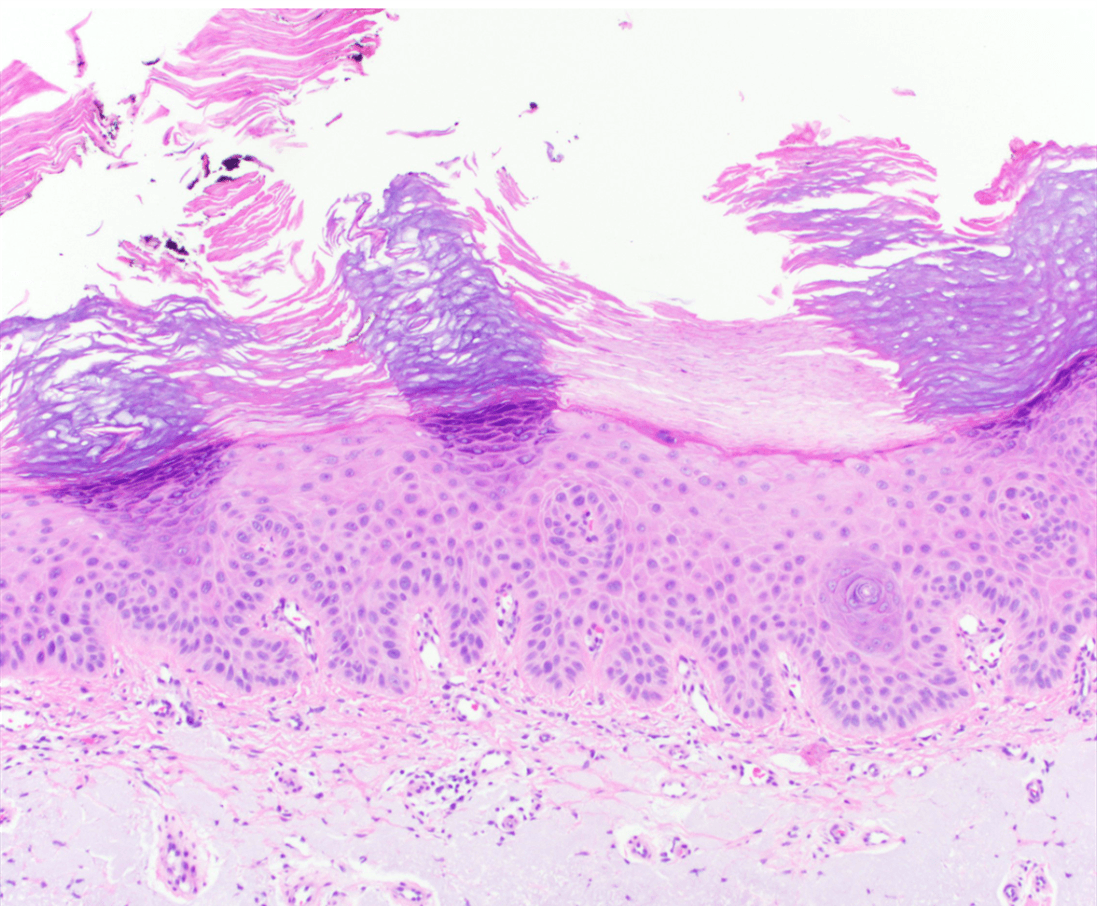
Flag sign in an actinic keratosis
- Due to orthokeratosis over adnexal structures (eccrine pores and follicular ostia)
200
What is this condition?
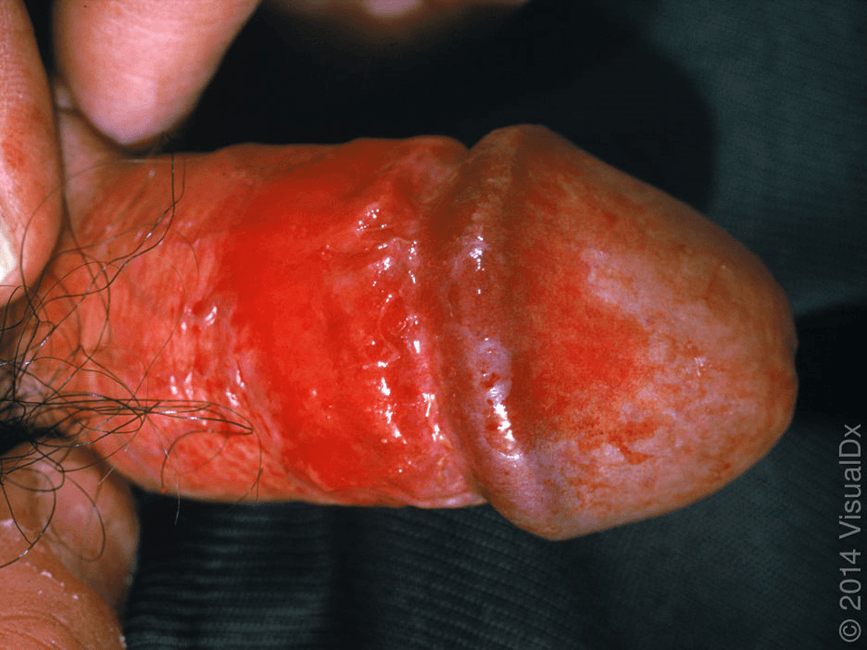
Erythroplasia of Queyrat
- Distinction from Bowen disease lies in clinical appearance
- Histology same
- EPQ on mucosal or transitional surface
- Erosions, “moist” lesions
- Uncircumcised, chronic balanoposthitis
- HPV 16, 18 in many cases
- Presence of nodules or ulcers suggests progression to SCC
- Any pigment suggests alternative diagnosis like melanoma or BCC
200
What are some of the genetic mutations and pathways associated with the development of SCC and BCC?
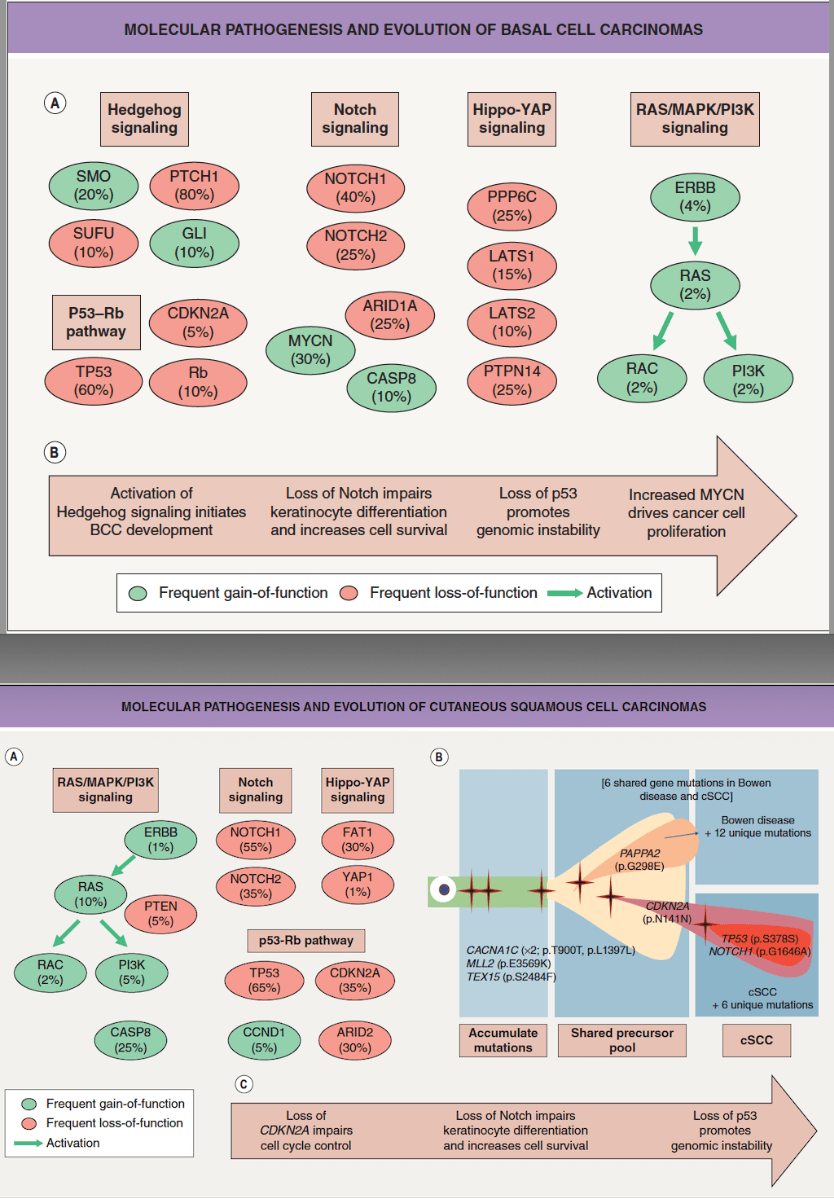
200
SCCs located on which anatomical locations have the highest risk of death?
Ear, Lip, Genitalia
200
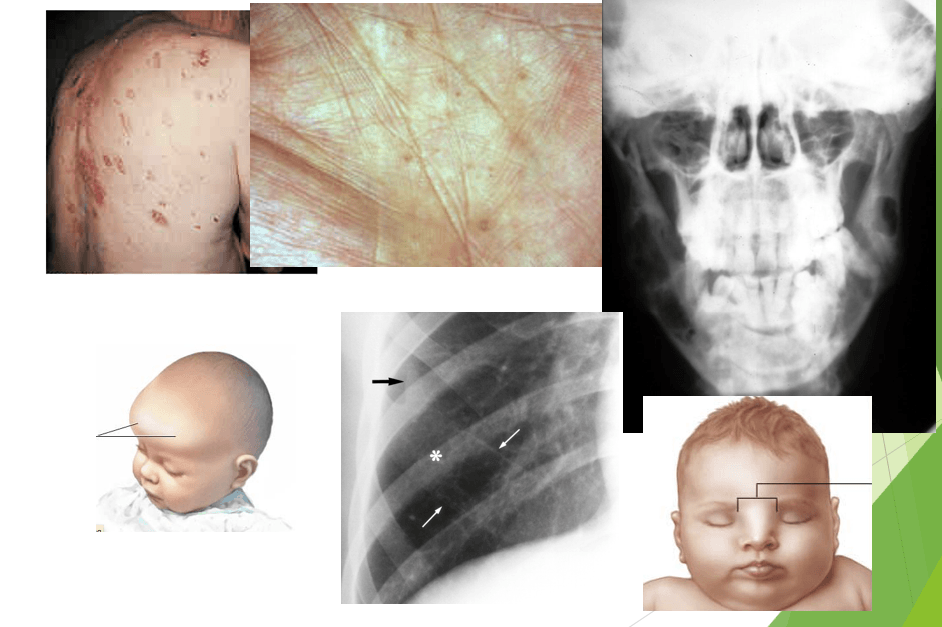
Name one of these findings and the associated syndrome:
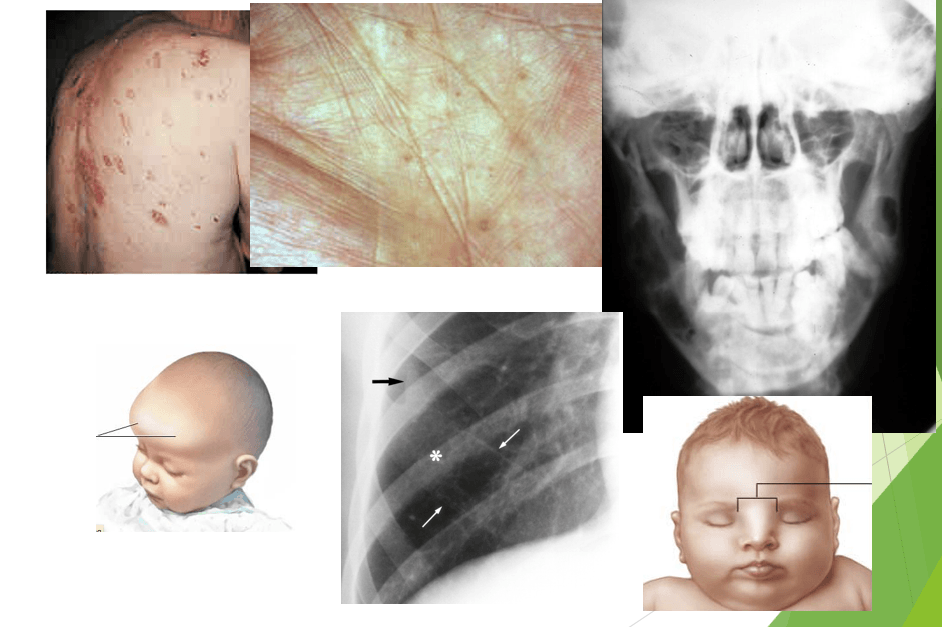
Basal cell nevus syndrome
Palmoplantar pits,
Odontogenic keratocysts
Bifid ribs
Frontal bossing
Hypertelorism
200
What is this diagnosis and what are the characteristic histologic findings?
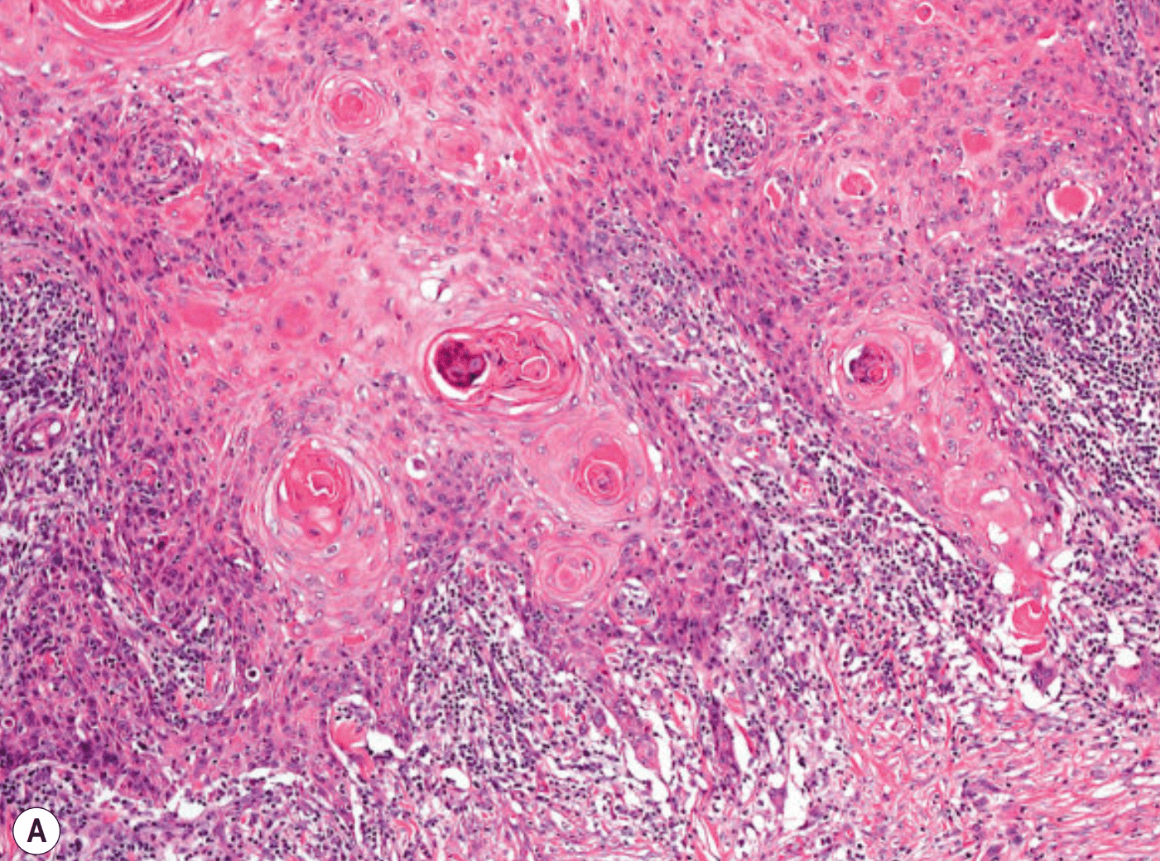
Well-differentiated SCC with numerous horn pearls (eosinophilic parakeratotic kertinization)
300
Mutations of genes in what pathway leads to this syndrome:
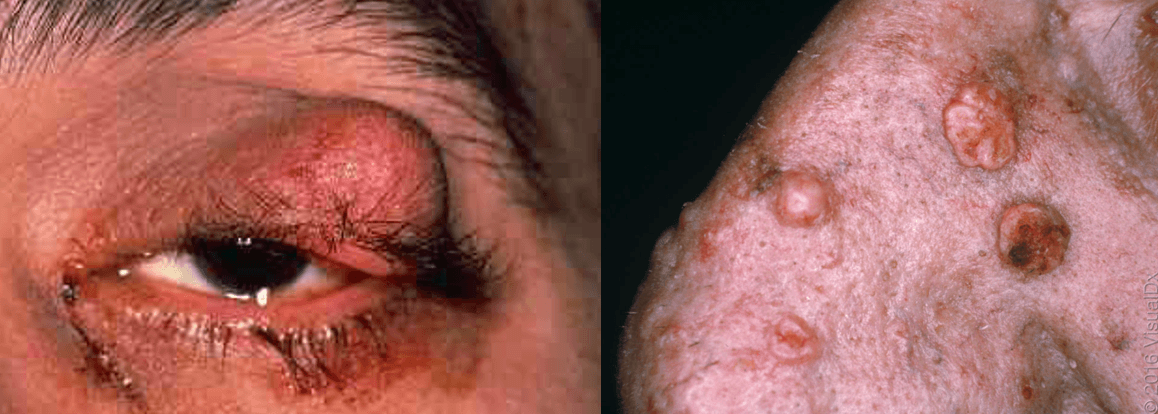
Muir-Torre Syndrome
- Autosomal dominant
- Defect in DNA Mismatch Repair pathway (MSH2, 90%)
- Combination of multiple sebaceous neoplasms and at least one visceral malignancy - most common are GI or GU
300
What is this and what percentage of these have invasive SCC at their base?
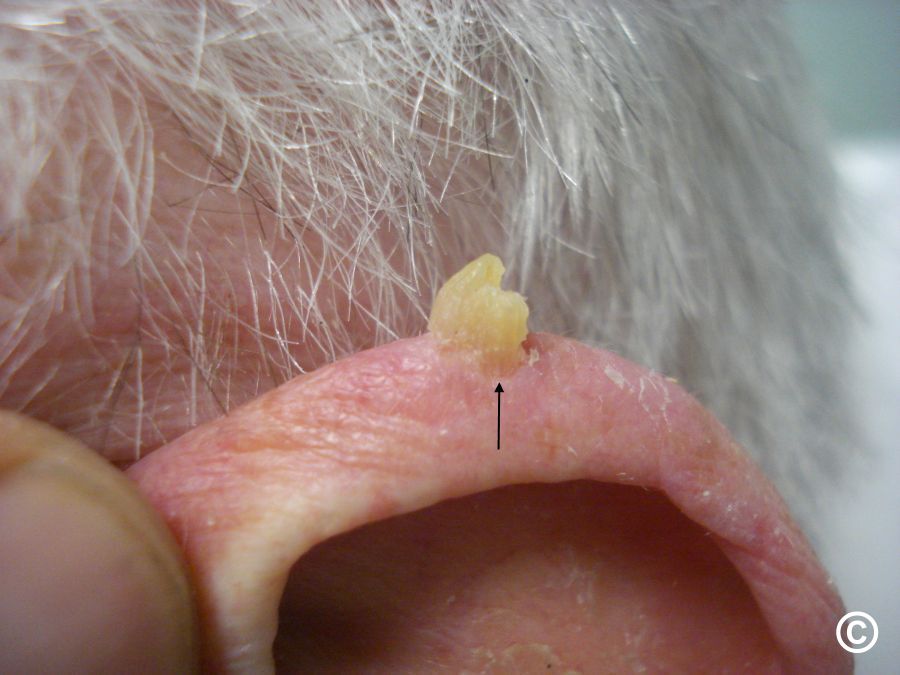
Cutaneous horn
15% of cutaneous horns have invasive SCC at their bases
300
What are these? Hint: related to a heavy metal.

Palmar arsenic keratoses: well-defined cause of SCC
Occupational risk in miners and glass workers
Punctate, skin-colored, or yellowish corn-like papules, 2-10 mm, on the palms and soles. Lesions may coalesce into plaques.
Favor thenar and hypothenar areas
Keratoderma may also occur
May also have raindrop hypopigmented macules
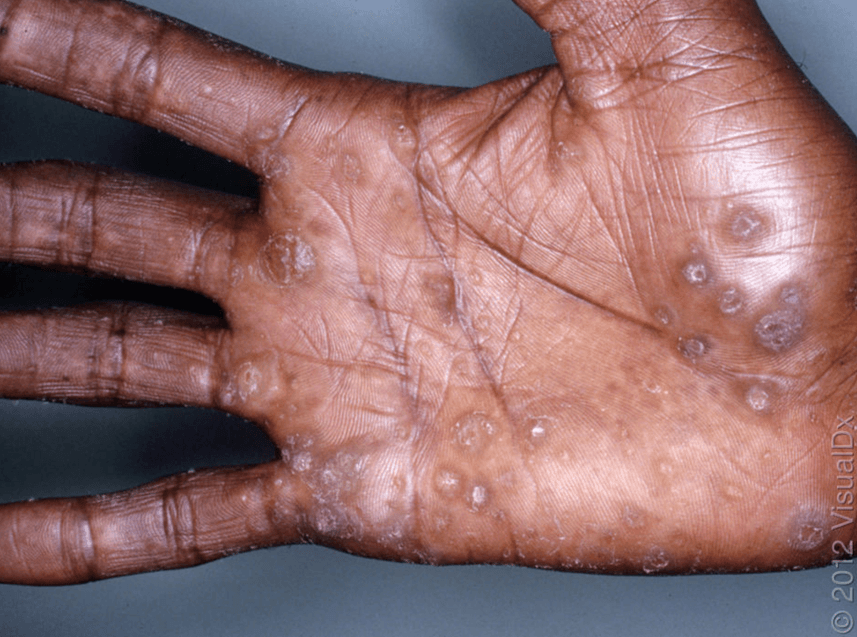
Increased risk of: SCCis on sun exposed and protected skin!
300
Individuals with this condition are at increased risk for which skin cancer?
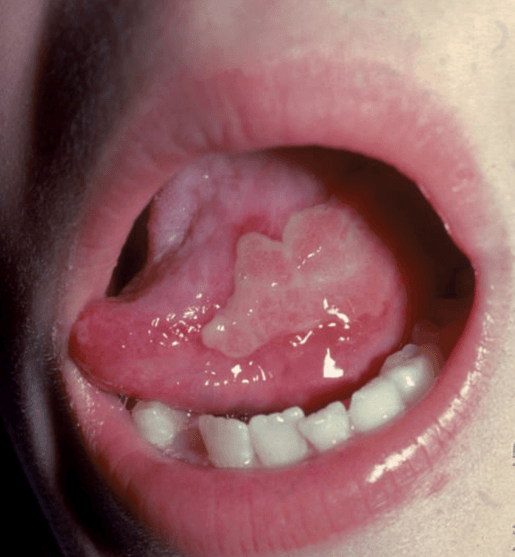
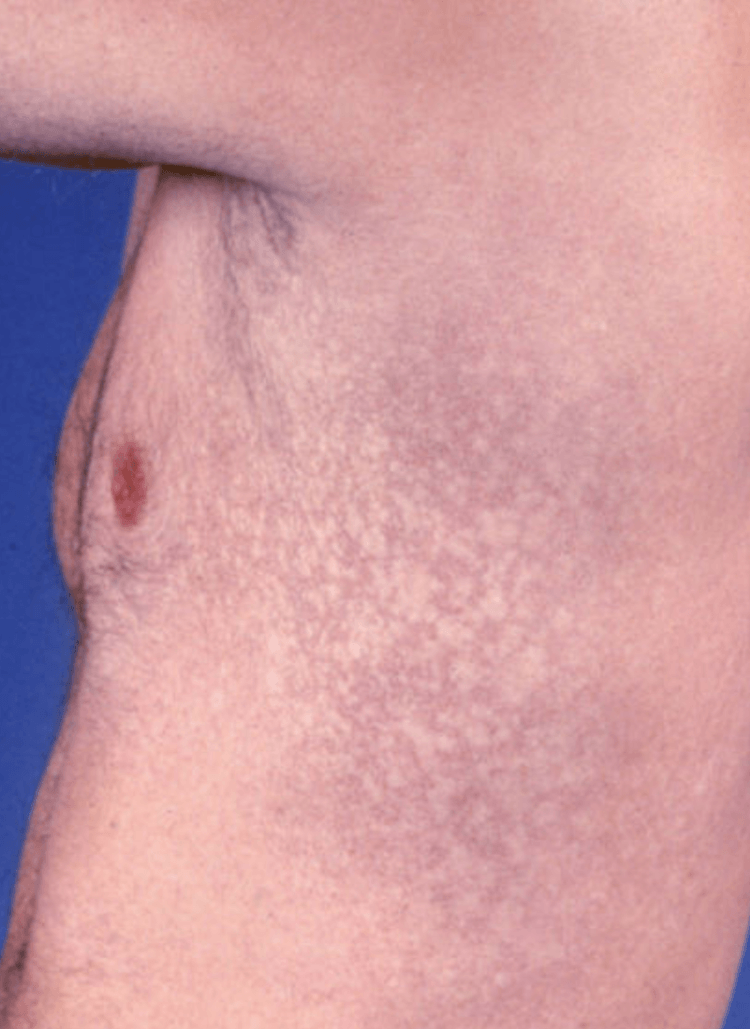
Dyskeratosis Congenita
Defect in telomere maintenance (Dyskerin, XLR - most common), also AD and AR forms
Characterized by triad of:
--Reticulated hyperpigmentation of neck, face, trunk
--Premalignant leukoplakia
--Nail abnormalities
- Recurrent infections are also common due to defective humoral immune system
- Increased risk of cancers: SCC, AML, HL
- Death by 3rd decade due to bone marrow failure, infection, malignancy, pulmonary fibrosis, or cirrhosis.
300
Name 2 dermoscopic features appreciable on this BCC:

Large blue-gray ovoid nest, multiple non-aggregated blue-gray dots and globules, shiny white strands and an arborizing vessel

400
If given a history that these lesions had rapid onset, what syndrome would you consider?
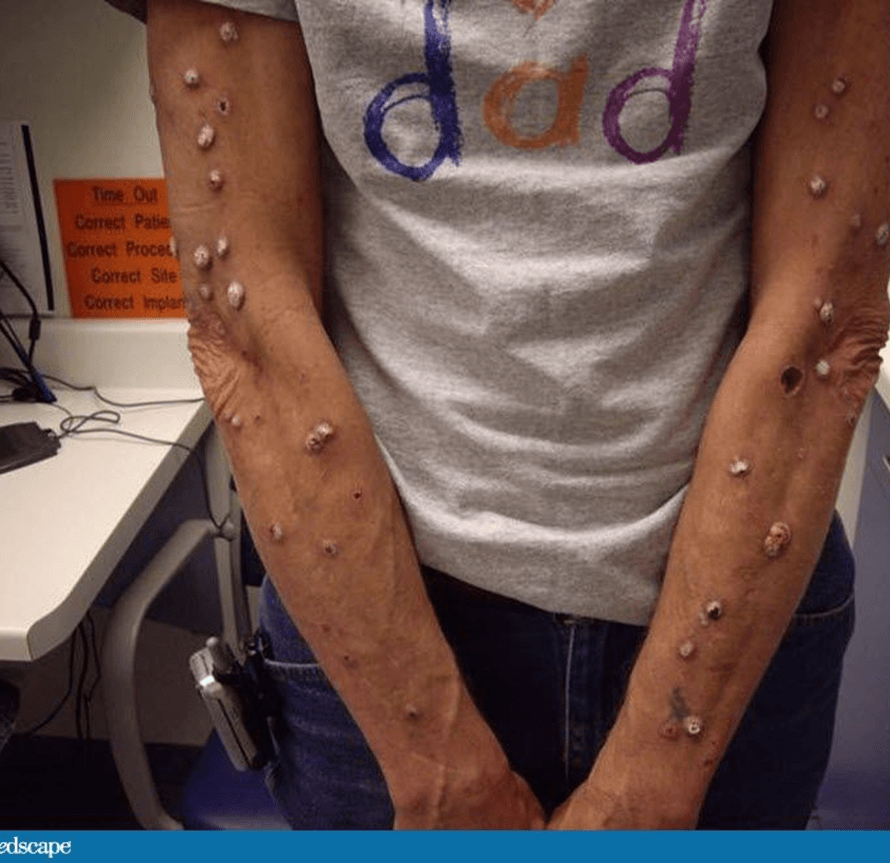
Ferguson-Smith Syndrome
A rare, inherited disorder in which many fast-growing tumors that look like squamous cell skin cancer form on the nose, face, ears, arms, and legs. The tumors usually go away on their own, but often leave deep, pitted scars in the skin. The tumors on the arms and legs are often larger and leave flat scars. Ferguson-Smith syndrome is caused by mutations in TGFBR1, which encodes TGF-β receptor type 1. Also called MSSE and multiple self-healing squamous epithelioma.
400
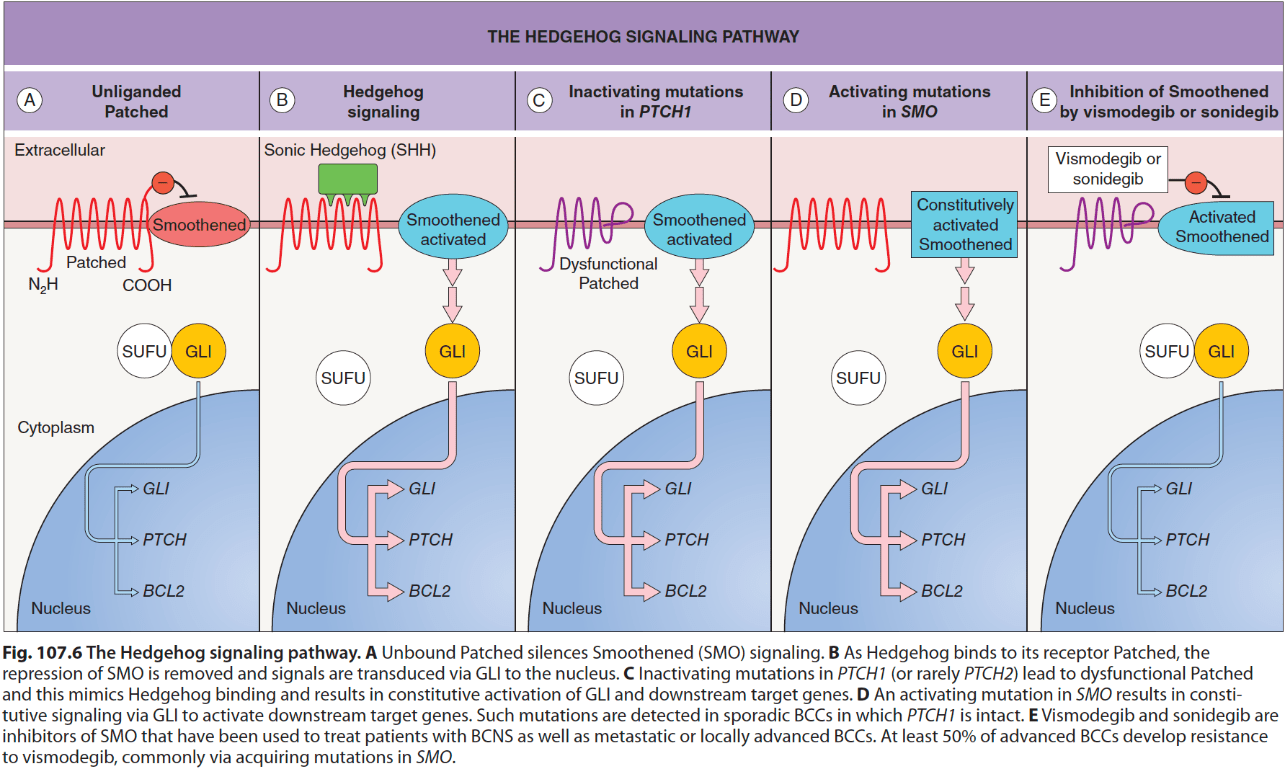
What is the mechanism of action of vismodegib and sonidegib for treatment of advanced cBCC?
Vismodegib and sonidegib are inhibitors of Smoothened (SMO) signaling--part of the the Hedgehog signaling pathway.
400
Individuals with what genodermatosis with fragile skin are at particular risk of developing this aggressive SCC:
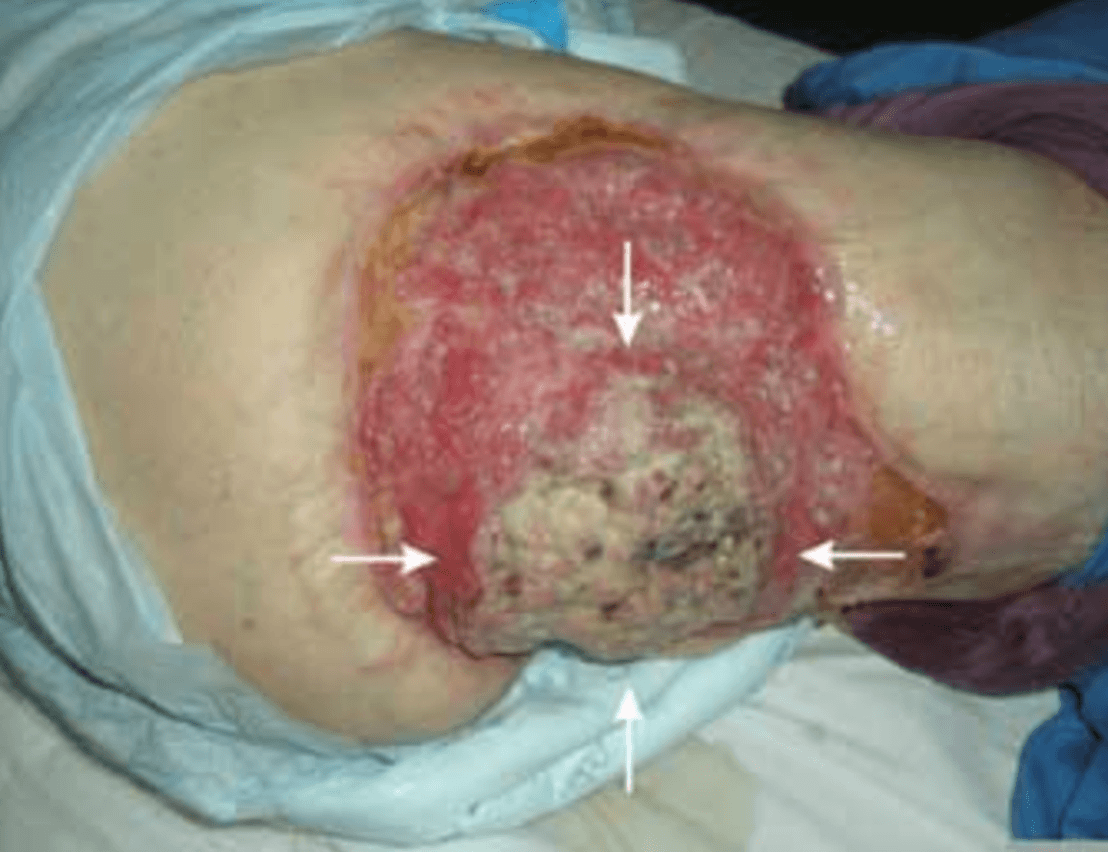
Dystrophic EB
DEB results from both dominant and recessive mutations in type VII collagen.
SCC is most common in the recessive form, start in the 30s-50s, and are the most common cause of death
400
What skin neoplasm are individuals with this condition at risk for?
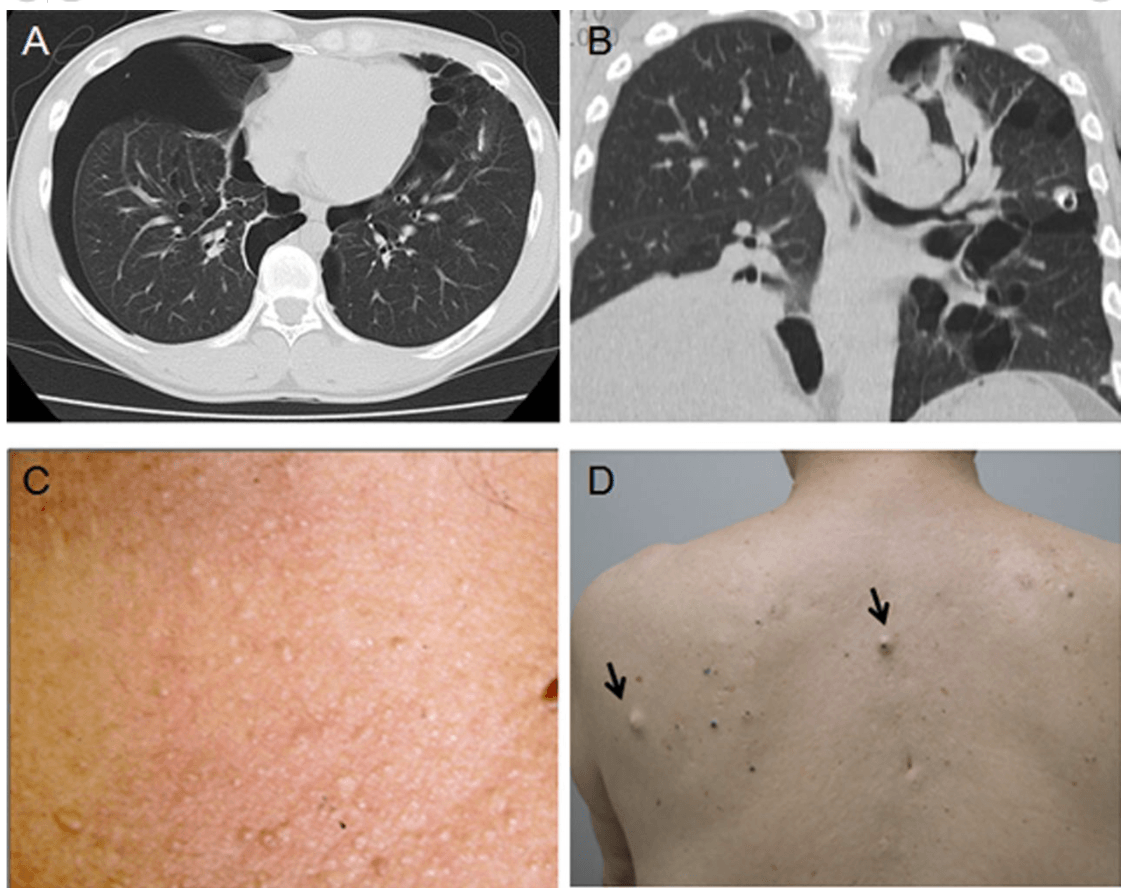
Birt-Hogg-Dube
- Autosomal Dominant mutations in folliculin (FLCN)
- Hallmark cutaneous lesions?
- Trichodiscomas/fibrofolliculomas/perifollicular fibromas
- Occur as multiple skin colored papules on face
Major Complications: Spontaneous pneumothorax/lung cysta, RCC
400
What clinical entity is demonstrated in the following photomicrographs? What is the sub-type for each one?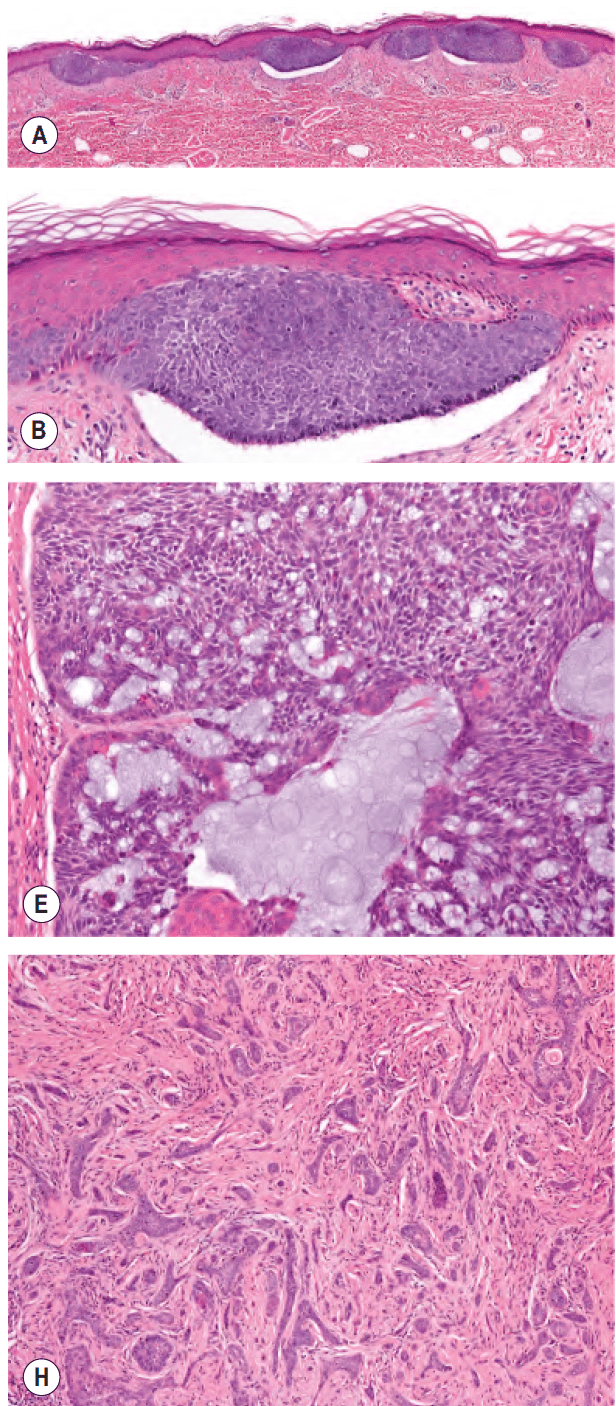
Basal cell carcinoma (BCC)
A: superficialB: superficial
E: mucinous
H: morpheaform
500
What is the diagnosis, and what treatment option would you avoid in this patient?
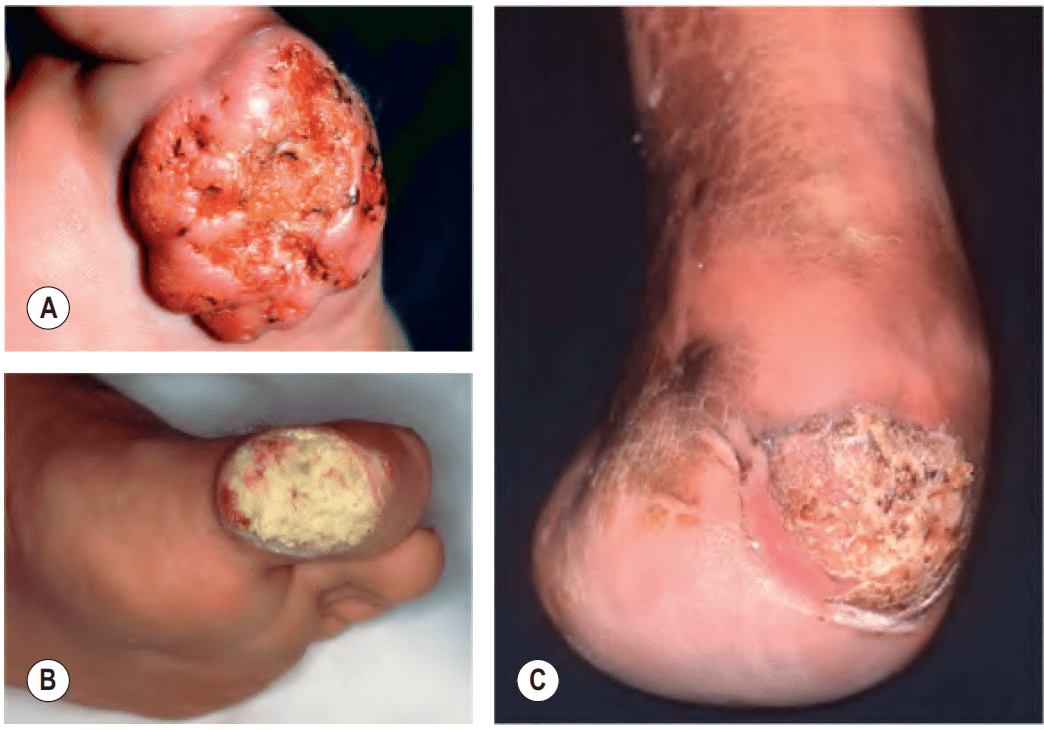
Verrucous carcinoma
Avoid radiation because it can facilitate anaplastic transformation to more aggressive type of cancer.
500
What is the mechanism of action of imiquimod and what can it be used to treat?
Imiquimod cream has been used for the treatment of AKs and low-risk keratinocyte carcinoma.
Imiquimod is a Toll-like receptor 7 (TLR7) agonist which induces interferon-α and other cytokines and promotes Th1-type immunity.
Cure rates for nodular BCC range from 53% to 75%, with higher rates for superficial BCC. The major advantage is a superior cosmetic result. In general, adverse side effects are limited to local skin reactions. Topical imiquimod 5% cream has also proven to be a fairly effective treatment for cutaneous SCC in situ, with reported clearance rates of 73–88% at 3–6 months.
Counsel for flu like symptoms
500
What are the 3 specific terms for verrucous carcinomas on different anatomical sites (foot, genitals, oral mucosa)?
Uncommon subtype of SCC
--Epithelioma cuniculatum – plantar surface of the foot
--Giant condyloma acuminatum of genitalia: Buschke-Lowenstein tumour
--Oral florid papillomatosis
- well-defined, slow-growing, cauliflower-like tumorous plaque that resembles large verruca.
- associated with human papillomavirus (HPV) 16, 18, and less commonly 6 and 11
- Occur in the setting of scars, amputations, and chronic inflammation
500
What is this condition and what is the gene mutation?
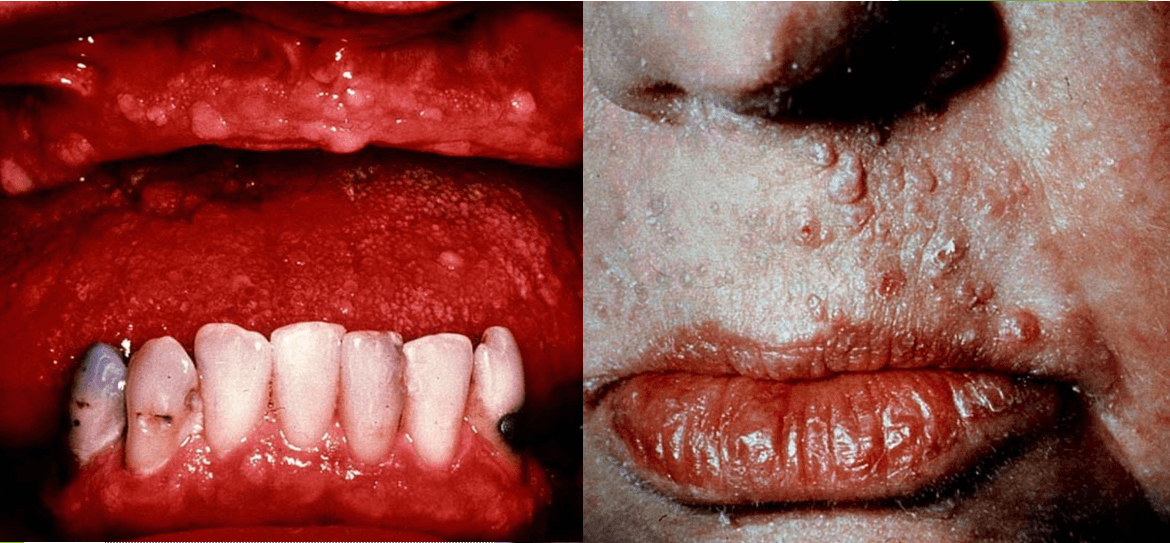
Cowden – Multiple Hamartoma and Neoplasia Syndrome
Autosomal dominant inheritance
Mutations in PTEN (loss commonly GOF in WWP1)
Multiple hamartomous lesions and a tendency toward malignancy (most common: breast and thyroid - follicular being most common)
- Mucocutaneous lesions:
- Tricholemmomas
- Sclerotic Fibromas
- Oral papillomas
- Acral keratoses
- Less common: lipomas, neuromas, hemangiomas, cysts
500
What is this entity?
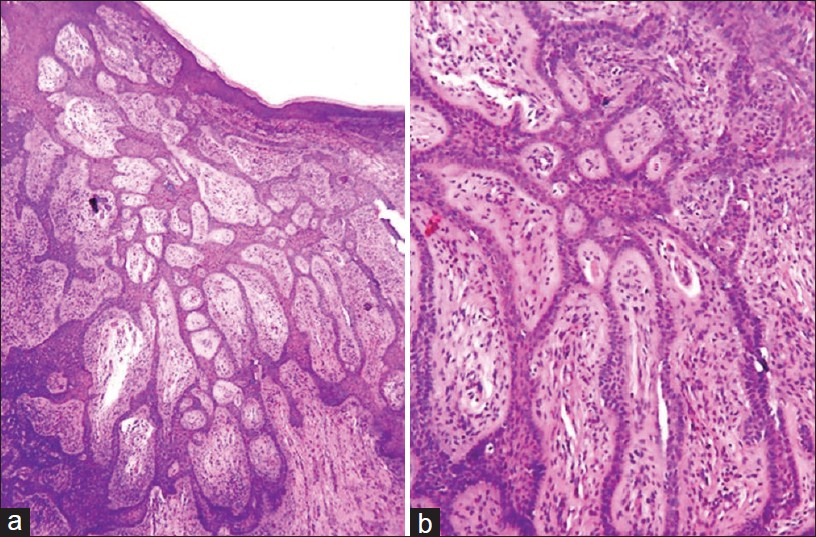
Fibroepithelial BCC (fibroepithelioma of Pinkus)
Thin anastomosing strands and chords of tumour cells that project downward from the epidermis in a fenestrated pattern and are embedded in a fibrous stroma