PLANET BASICS
REDUCE, REUSE, RETHINK
ENERGY SMARTS
WATER WORLD
ECO HISTORY & POLICY
100
This blue-and-white world is the only known place in the universe that currently supports complex life.
What is our home planet?

100
This “R” of sustainability focuses on simply not consuming in the first place, like skipping a bag you don’t need.
What is reduce?

100
Panels that turn sunlight into electricity are an example of this kind of energy source.
What is solar energy?

100
Shortening this daily routine (often done under a stream of hot water) can cut both water use and energy use.
What is taking a shower?
100
This annual observance on April 22 began in 1970 and helped launch the modern environmental movement.
What is Earth Day?
200
This layer of gases surrounding our world helps regulate temperature and makes weather possible.
What is the atmosphere?

200
Turning an old glass jar into a desktop pen holder is an example of this “R” that gives items a second life.
What is reuse?

200
Rotating blades on tall towers capture moving air and transform it into power in this renewable form.
What is wind energy?

200
Leaks from sinks or toilets can waste huge volumes of this resource over time if they’re not fixed.
What is water?
200
This U.S. government agency, created in 1970, is responsible for setting and enforcing many environmental regulations.
What is the Environmental Protection Agency (the EPA)?
300
Roughly 71% of the surface of our world is covered by this substance, most of it in liquid form.
What is water?

300
When organic scraps like coffee grounds and veggie peels break down into nutrient-rich material, you’re practicing this.
What is composting?

300
This fossil-based fuel, often used in power plants, produces large amounts of carbon emissions when burned and is a major source of electricity worldwide.
What is coal?

300
When rainwater cannot soak into hard surfaces and instead rushes into drains carrying pollution, it’s called this type of runoff.
What is stormwater?
300
This 1987 report from a UN commission popularized the idea of “meeting present needs without compromising future generations.”
What is the Brundtland Report?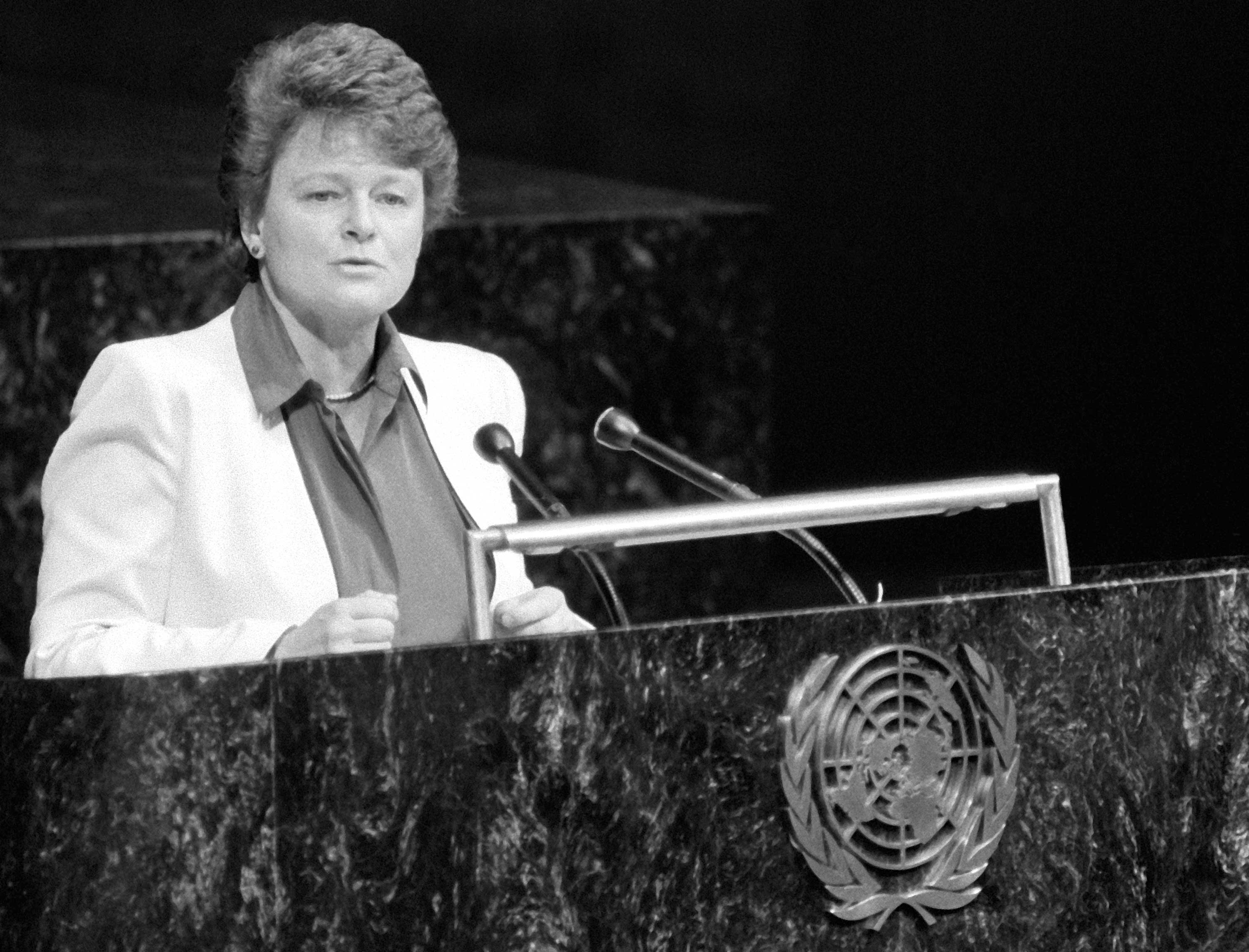
400
These giant, slow-moving sheets of ice store most of the planet’s freshwater and are shrinking due to rising temperatures.
What are glaciers?

400
This practice avoids single-use packaging by allowing people to refill containers at bulk stations instead of buying new ones each time.
What is refilling (or buying in bulk)?

400
Devices labeled with programs like ENERGY STAR are designed to use less of this, which can cut both emissions and utility bills.
What is electricity?

400
These underground layers of rock or sediment store groundwater and supply wells and springs.
What are aquifers?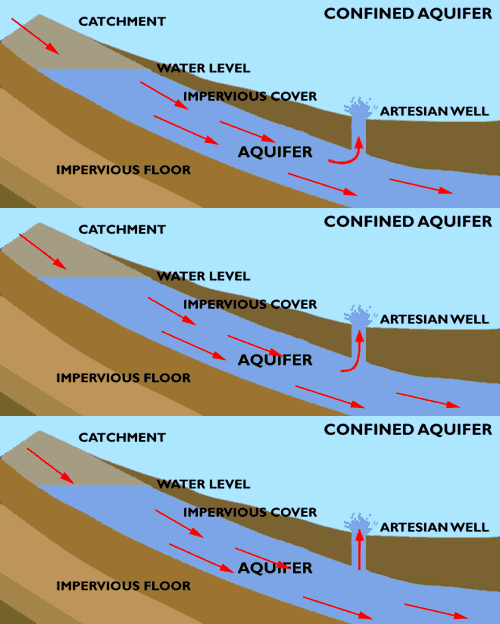
400
This 1997 international accord, named after a Japanese city, set early binding targets for industrialized countries to cut greenhouse gas emissions.
What is the Kyoto Protocol?
500
This invisible zone around our world, created by its spinning core, helps deflect charged particles streaming from the sun.
What is the magnetic field?

500
Designing products so they can be easily repaired, disassembled, or remade into new goods is part of this “loop-focused” economic concept.
What is the circular economy?

500
This term describes generating power close to where it’s used (like rooftop panels or small turbines) reducing the need for long-distance transmission.
What is distributed generation?

500
Using treated wastewater or collected rain for tasks like irrigation or cooling is often referred to by this term.
What is reclaimed water?
500
This 2015 global climate accord reached at a UN conference in France set a goal of limiting warming to well below 2 degrees Celsius.
What is the Paris Agreement?