Pharmacology
Medical abbreviations
Anatomy and Physiology
NCLEX Questions
Medical Devices
100
Name one over-the-counter pain reliever.
Tylenol, Advil, Ibuprofen, Aleve, Aspirin, Acetaminophen, Naproxen.
100
What does CPR stand for?
Cardiopulmonary Resuscitation
100
What is the largest organ in the human body?
Skin
100
A patient has a nosebleed. Should they lean their head back or forward?
Forward
100
What is this called and what is it used for?

Tongue Depressor. Used for visualizing the throat.
200
A patient has a fever of 102°. What medication would you expect to give?
Tylenol (Acetaminophen)
200
What does SOB stand for?
Shortness of breath
200
How many chambers does the human heart have?
Four
200
Your patient is short of breath. What’s the first thing you should do?
Sit them up
200
What is this called and what is it used for?

JP drain. Collects fluid after surgery from a surgical site.
300
A patient is having crushing chest pain. What common medication might EMS give right away?
Aspirin
300
What does PRN mean?
As needed
300
Which bone is the longest bone in your body?
Femur
300
Your patient’s heart isn’t beating. What should you do?
Start CPR
300
What is this called and what is it used for? 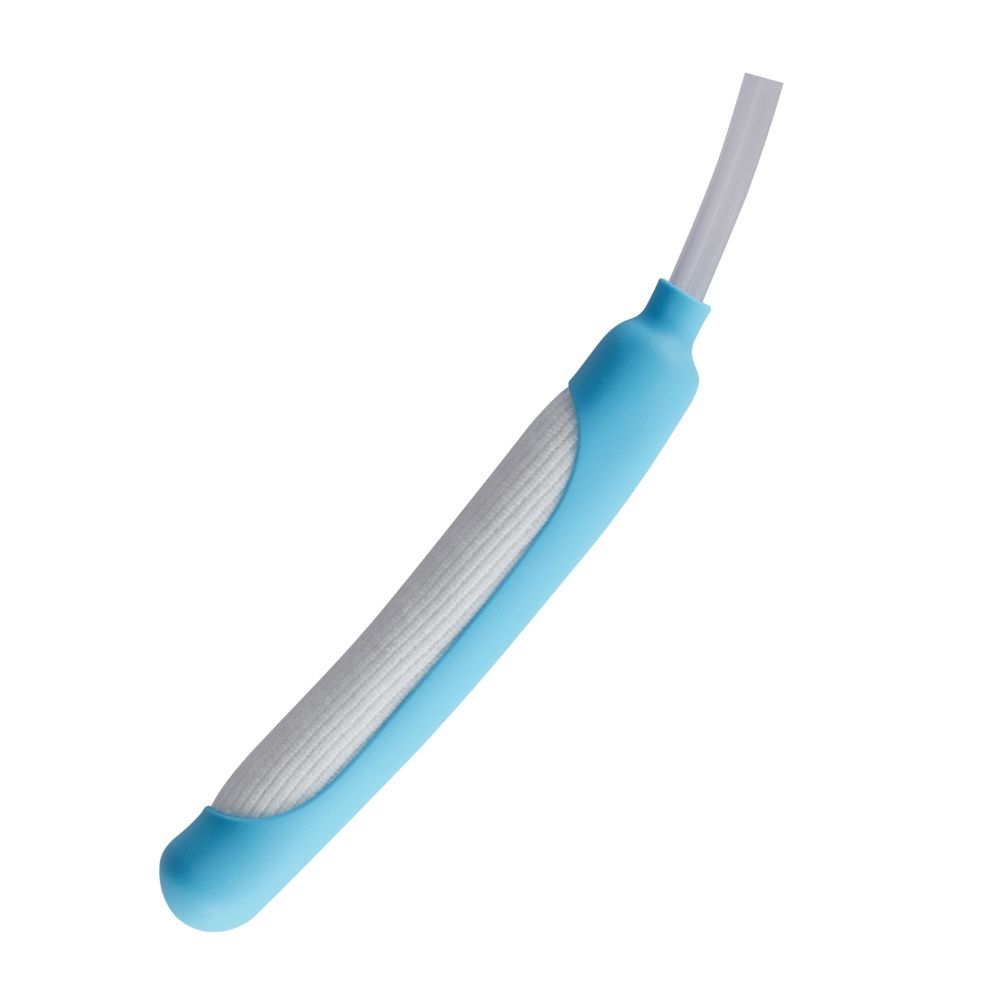
This is called a purewick. It is a female external catheter that collects urine without going inside the body.
400
Which medication requires nurses to be especially careful because the wrong dose can dangerously lower blood sugar?
Insulin
400
What does NKDA mean?
No known drug allergies
400
Which organ filters your blood and makes urine?
Kidneys
400
Your patient has a blood sugar of 42 and they’re awake. What’s the first thing you should give them?
Juice or glucose
400
What is this called and what is it used for?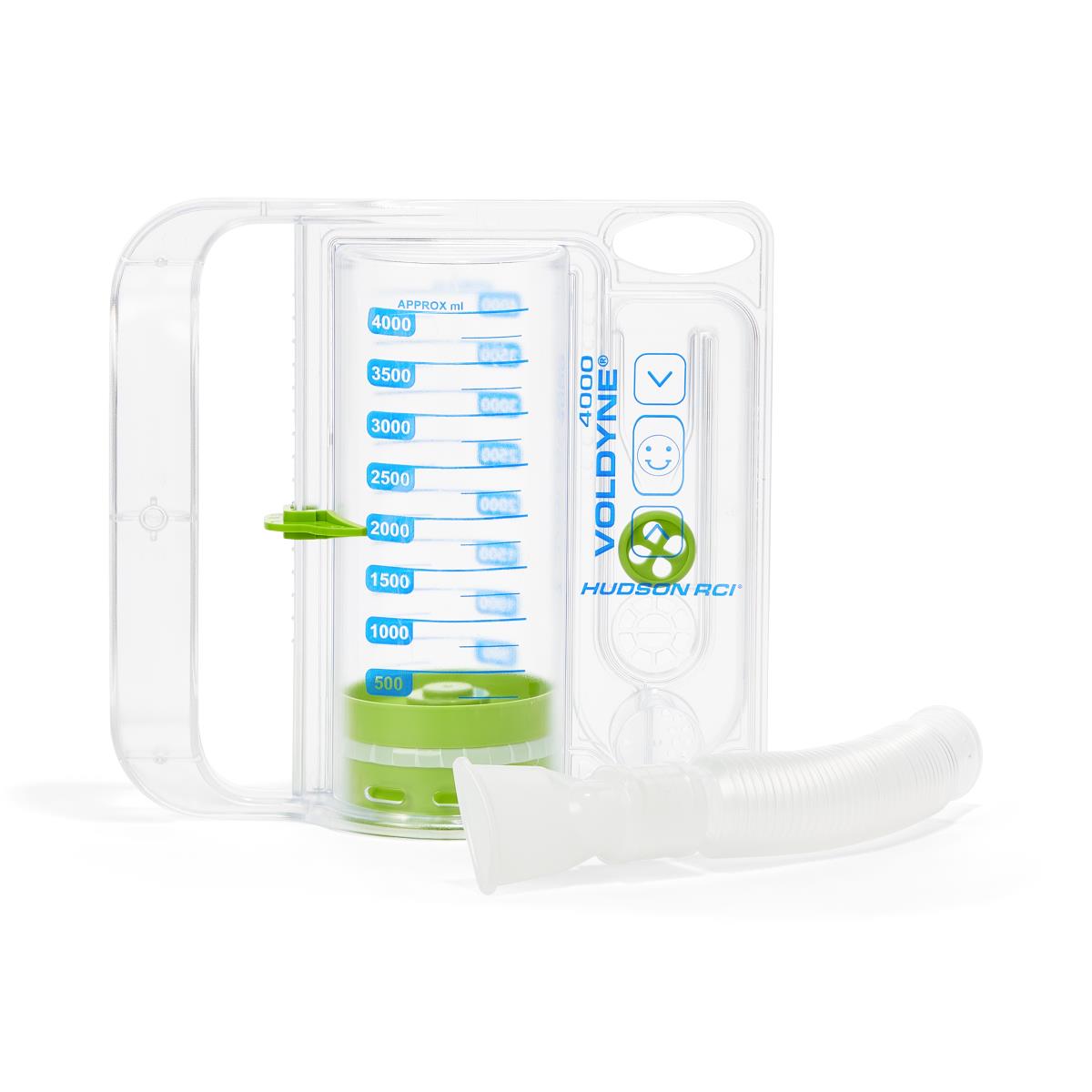
This is called an incentive spirometer, it helps patients take deep breaths after surgery.
500
A patient overdosed on opioids. What medication can reverse the overdose?
Narcan (Naloxone)
500
What does this mean?
22F c/o N/V/D x24h. NKDA. VS WNL.
- 22-year-old female
- Complaining of nausea, vomiting, and diarrhea
- For the past 24 hours
- No known drug allergies
- Vital signs within normal limits
500
A patient complains of pain in the right lower part of their abdomen. Which organ are healthcare providers immediately concerned about?
Appendix
500
Your patient suddenly stops talking and one side of their face droops. What medical emergency might they be having?
A stroke
500
What are these called and what are they used for?
SCD (sequential compression device). Prevents blood clots by squeezing the legs.