Passport to Pyrexia
Bite Me
Bad Gut Feeling
Rash Decisions
Head Cases
Double Jeopardy
100
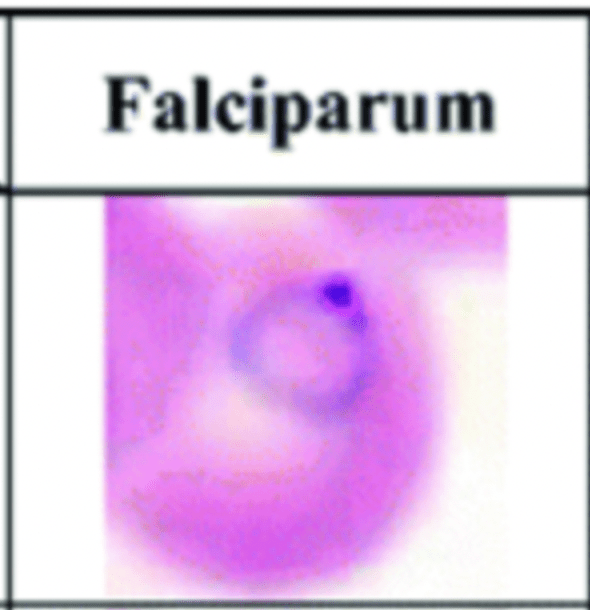
A child develops fever 7–30 days after leaving Nigeria. This incubation period most strongly suggests this illness.
What is Malaria?
- fever, headache, myalgias, nausea, vomiting
- can present weeks to months after exposure.
- Peripheral smear (Giemsa-stained thick and thin) is gold-standard of diagnosis
- Early smears can be falsely negative → repeat q12–24h ×3
- Anemia and thrombocytopenia are most common lab findings. May also have elevated ALT, AST, bilirubin, and creatinine.
- Severe signs: AMS, seizures, lactic acidosis, respiratory distress
100
This illness found in those who love to play outside causes hyponatremia, thrombocytopenia, and elevated LFTs early in disease.
What is Rocky Mountain Spotted Fever?
- Tick-borne illness
- Treat empirically with doxycycline — don’t wait for labs
- Rash begins at wrists/ankles → spreads centrally
- High mortality if treatment delayed >5 days
- Serologies are negative early
100
Watery diarrhea without blood or fever after travel to Latin America is most commonly caused by this pathogen.
What is ETEC?
- Most common cause of traveler’s diarrhea
- Toxin-mediated watery diarrhea
- Don't necessarily need stool studies if no blood
- Treatment: oral rehydration ± azithromycin
100
This rash, on a patient who just got back from a hiking trip, began on the wrists/ankles and is spreading centrally. This is the diagnosis.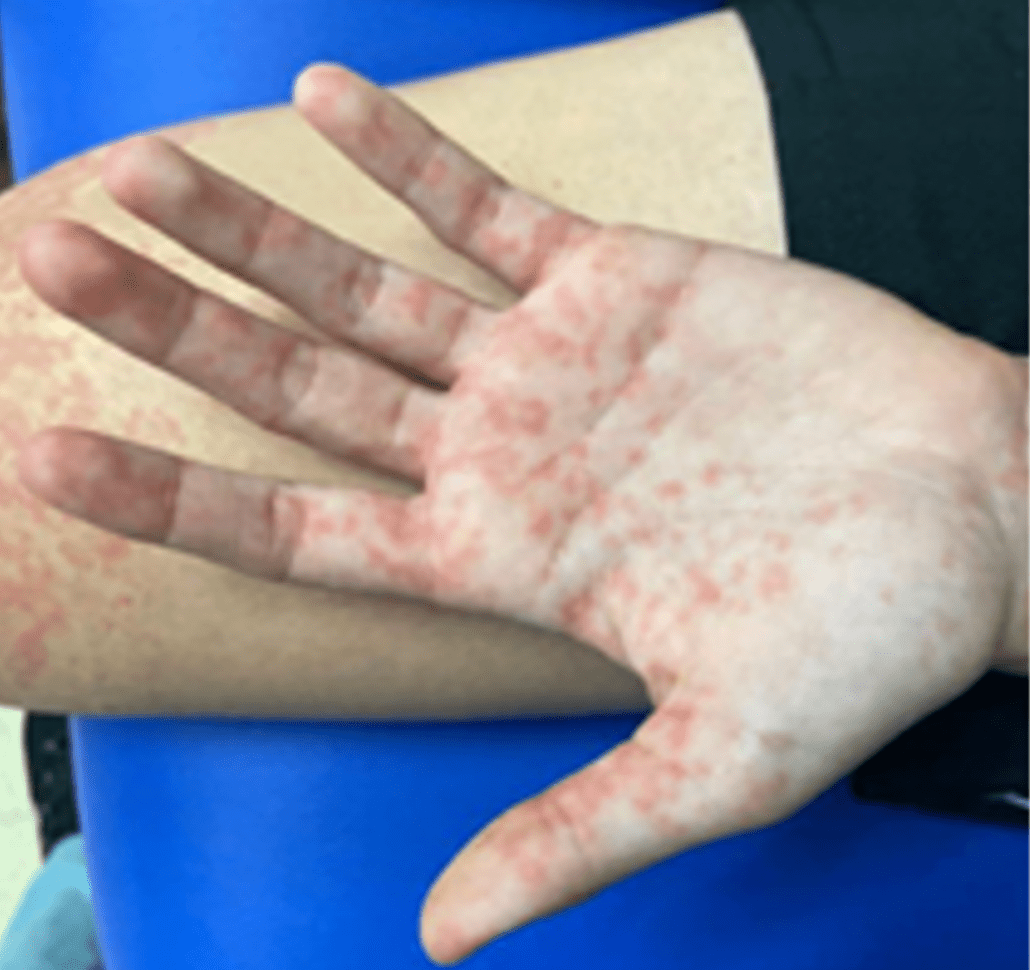
What is Rocky Mountain Spotted Fever?
- Treat on suspicion - don't wait for labs or serology. Treat with doxycycline. Lower mortality!
- Fever + headache in North Carolina, Tennessee, Arkansas = suspect RMSF
- Classic lab findings are hyponatremia, thrombocytopenia, and elevate liver enzymes
- Less than 50% have rash in first 3 days, 10% never get one
100
A rapidly progressing purpuric rash with shock in a traveling teen suggests this pathogen.
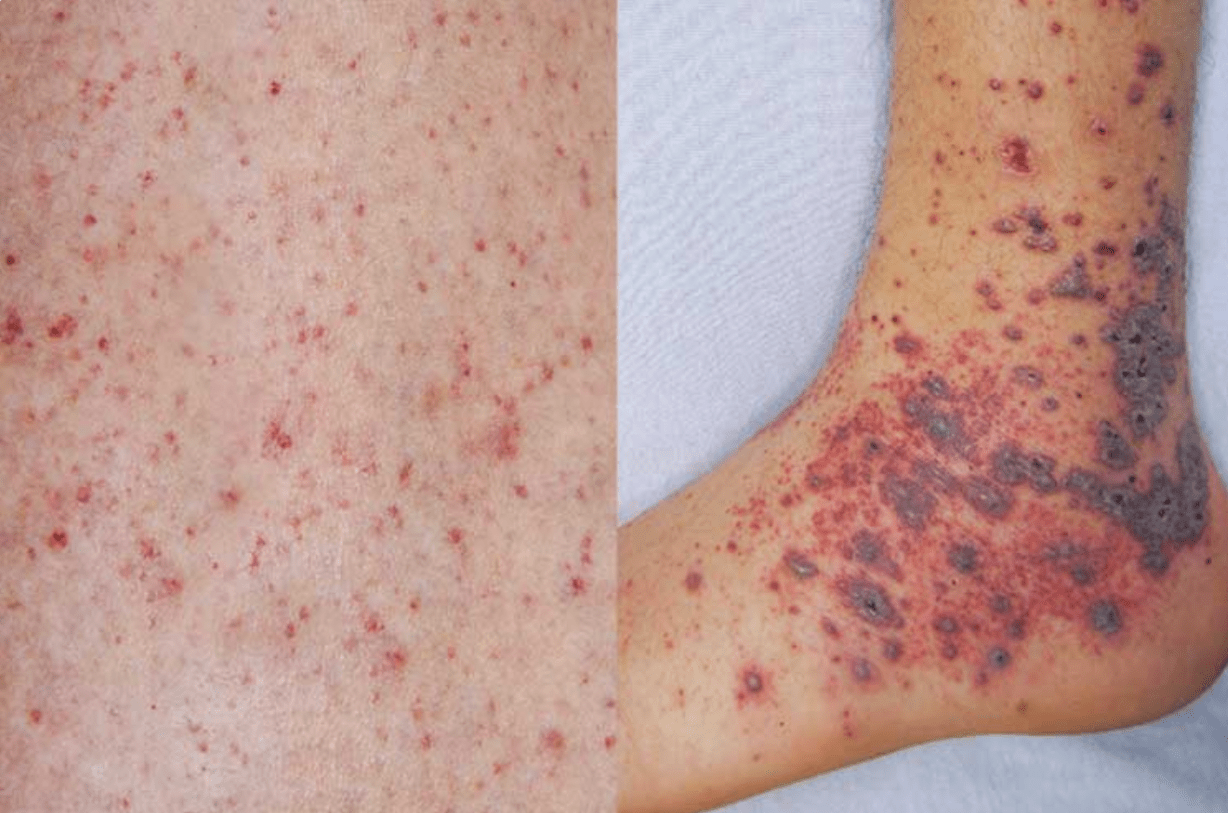
What is Neisseria meningitidis?
- Purpura fulminans → rapid shock
- Endemic in African meningitis belt
- Needs immediate ceftriaxone
- Close contacts need prophylaxis
100
This common holiday cookie ingredient contains a compound that causes neurotoxicity in large ingestions, with kids sometimes presenting after eating “raw cookie dough.”
What is nutmeg? (myristicin toxicity)
200
A 3 y/o patient who recently visited family in Mexico presents with 3 weeks of cough, weight loss, and feeling sweaty at night. This is the most common chest x-ray finding associated with this diagnosis.
What is hilar lymphadenopathy?
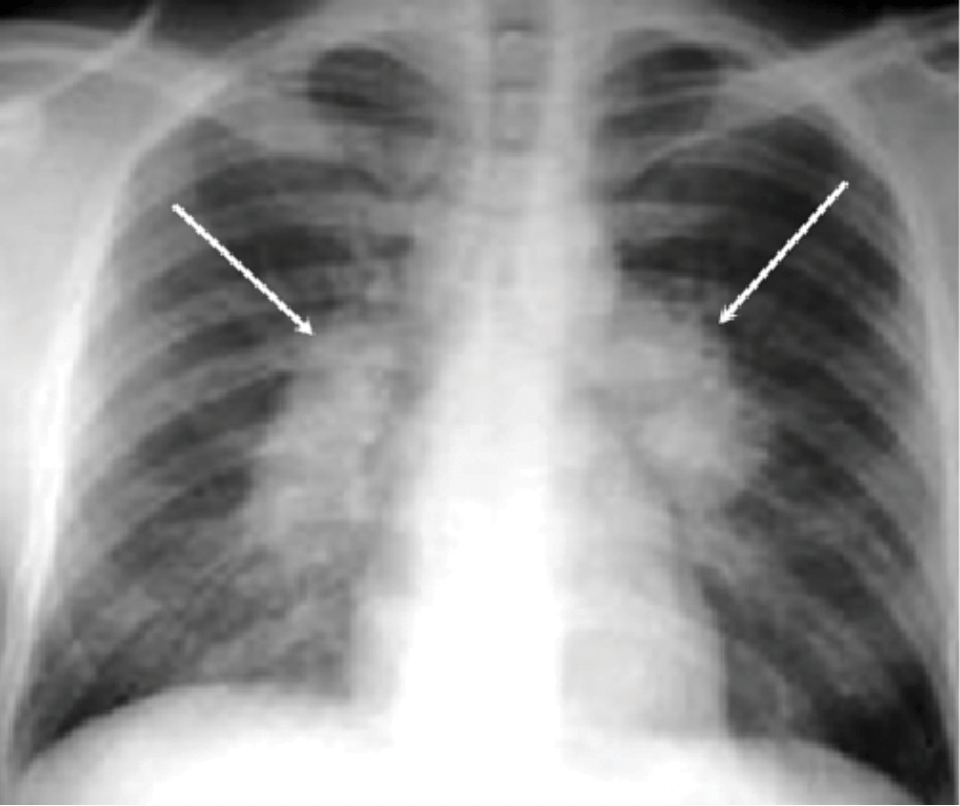
- CXR: hilar lymphadenopathy is classic
- Young children (<5 years) typically present with lymphadenopathy.
- Adolescents more frequently develop adult-type tuberculosis with upper lobe opacities and cavitation associated with sputum production.
- Pediatric TB is smear-negative up to 70% of the time (likely due to paucibacillary nature of lung lesions)
- Highest risk for miliary spread and CNS disease in young kids
- BCG vaccine does not rule out infection.
200
Jaundice + hemorrhage + shock in a traveler returning from Brazil indicates this illness.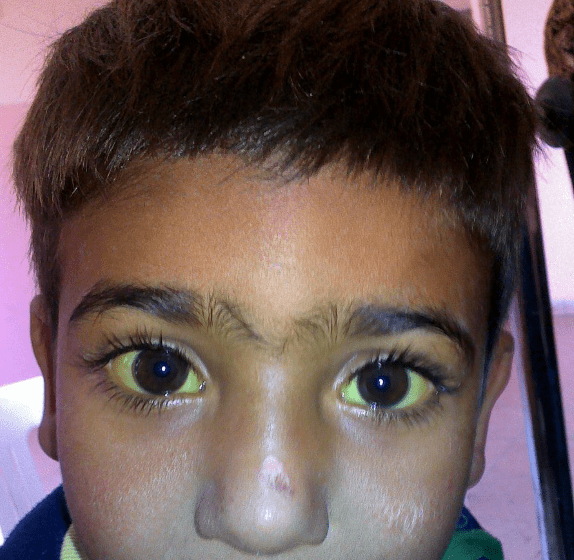
What is yellow fever?
- mosquito-borne viral hemorrhagic disease endemic to sub-Saharan Africa and tropical South America (especially Brazil)
- Biphasic: initial fever, headache, myalgias, photophobia, abdominal pain → remission → high fever, jaundice, coagulopathy and hemorrhagic findings, hepatitis and renal failure
- Jaundice, hemorrhage, shock distinguish severe disease
- Management is supportive (IV fluids, management of hemorrhagic complications, RRT of AKI, may need ICU)
- Vaccine-preventable
200
After returning from a service trip where she frequently ate raw vegetables washed with local water, a child develops fever, abdominal cramps, and bloody diarrhea. The organism has a very low infectious dose. This is the pathogen.
What is Shigella?
- Extremely low infectious dose → common in travel + daycare outbreaks
- High fever, severe cramps, bloody/mucoid stools; seizures can occur in kids
- Diagnose with stool PCR
- Rising antimicrobial resistance — choose therapy based on local/travel patterns
- Treat in those with severe disease, immunocompromised status, or those at high risk of transmitting infection to others - NOT in mild disease in immunocompetent patients
- Risk of HUS with Shiga-toxin producers
- Avoid antimotility agents
200
A 3 y/o patient that is unvaccinated presents with cough and rhinorrhea. This is the oral exam. This is the diagnosis.
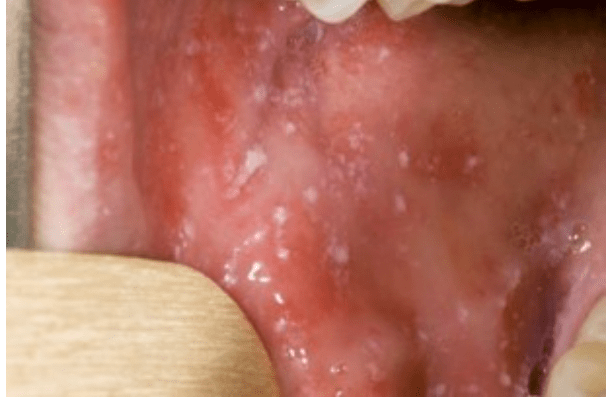
What is Measles?
- These are Koplik spots - occur in 70% of patients and appear prior to rash.
- Rash begins at the head / face and spreads downwards
- Cough, conjunctivitis, coryza (rhinorrhea) and Koplik spots are key diagnostic features
200
This infection progresses from paresthesias → agitation → encephalitis → paralysis. Hint: don't offer them a drink of water.
What is Rabies?
- ~95% of human rabies cases occur in Africa and Asia.
- Hydrophobia/aerophobia
- Encephalopathy progressing to paralysis
- Almost universally fatal once symptomatic
- Early PEP is lifesaving
300
Fever with relative bradycardia as well as these "rose spots" in a child returning from South Asia AND this rash suggests this illness.
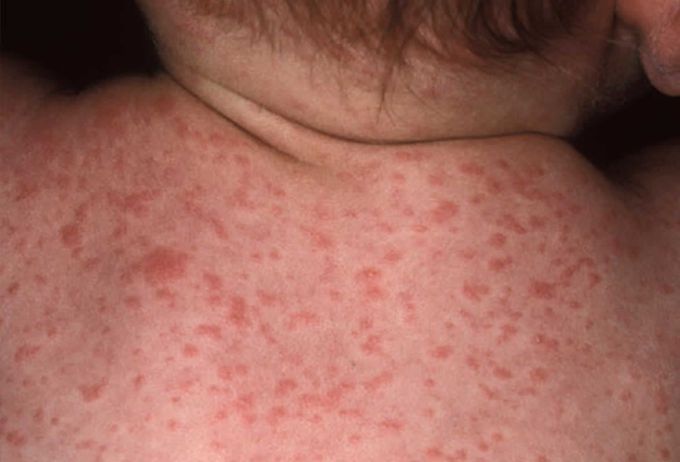
What is Typhoid fever?
- Caused by Salmonella typhi
- Relative bradycardia is a big diagnostic clue
- “Rose spots” occur in fewer than 20%
- Can cause GI perforation in late disease, particularly in terminal ileum
- Incubation often 6–30 days
- treat with azithromycin, ceftriaxone, or fluoroquinolones, depending on local resistance patterns
300
Involuntary spasms triggered by air blown across the face are characteristic of this disease.
What is Rabies?
- Hydrophobia + aerophobia are nearly pathognomonic
- Any bat exposure warrants evaluation for PEP
- Africa and Asia, domestic dogs remain the primary reservoir and cause approximately 98% of rabies deaths worldwide
- Once symptomatic → nearly universally fatal
- Virus travels via peripheral nerves to the CNS
300
This protozoan infection causes chronic diarrhea, flatulence, and malabsorption, with stools that are notoriously foul-smelling and greasy.
What is Giardiasis?
- Contaminated water from camping, hiking, backpacking, travel to low-middle income countries.
- Presents with steatorrhea, bloating, flatulence, foul-smelling diarrhea
- Diagnose with stool antigen or PCR (O&P is insensitive).
- Treatment with metronidazole
- Think Giardia when diarrhea persists >1 week after travel or when stools float due to fat.
300
A patient from the Phillipines presents with this rash pattern - erythematous skin with "pale islands" if unaffected skin - is accompanied with fever and abdominal pain. This is the diagnosis.
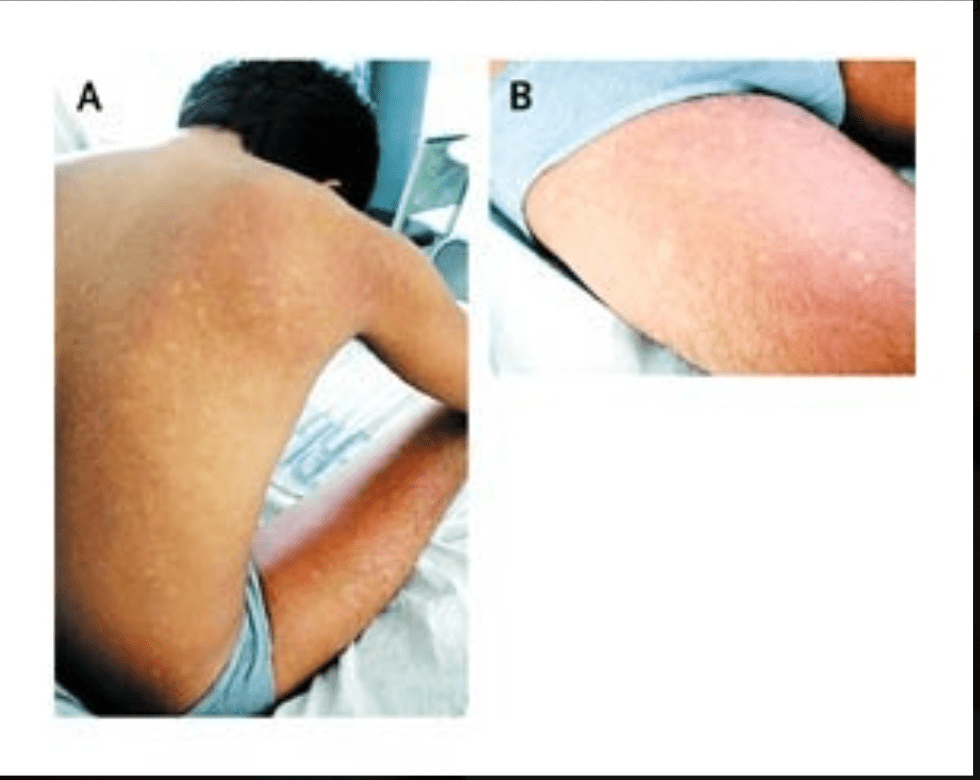
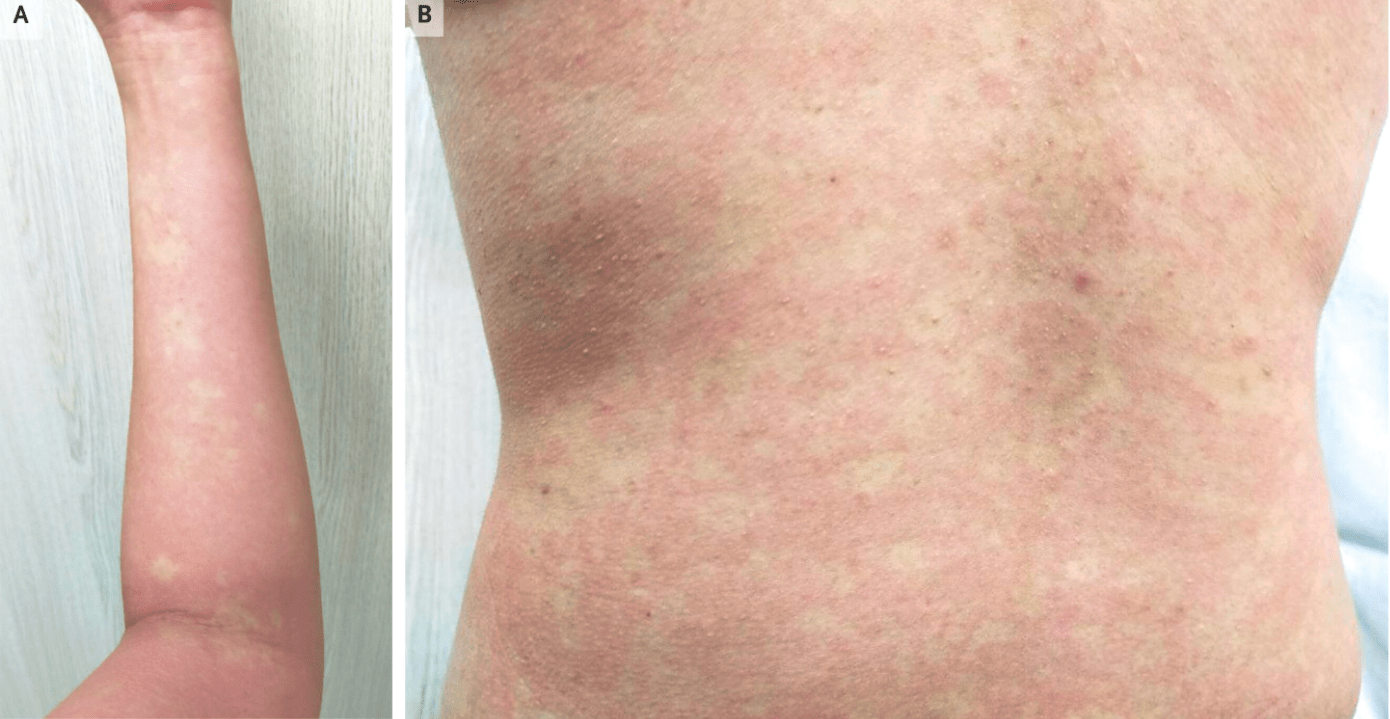
What is Dengue?
- highest burden in Southeast Asia (i.e. Philipines, Thailand), Latin America, the Pacific islands, and increasingly Africa
- early rash is macular / morbiliform and coalesces into the rash above, red with "white islands" of spared skin
- pruritic approximately 33% of the time
- hemorrhagic manifestations - petechiae, purpura, bleeding of gums, are common.
- ecchymotic purpura associated with severe disease
- Treatment is supportive care
300
Acute flaccid paralysis in a febrile child during mosquito season suggests this disease.
What is West Nile Virus?
- Mimics many other travel-related illnesses - nonspecific sick symptoms caused by mosquito bite
- 20% of patients with symptoms - nonspecific including fever, HA, fatigue, myalgia, N/V, diarrhea, rash
- Acute flaccid paralysis (only in <1% of patients)
- most common in contiguous US
- Lymphocytic pleocytosis in CSF
- Risk higher in teens and adults
- Diagnose with serologies
- Treatment is supportive
400
This illness classically causes falling platelets with a rising hematocrit. They may also complain of retro-orbital pain.
What is Dengue?
- Warning signs: persistent vomiting, abdominal pain, mucosal bleeding
- Hct rising + platelets dropping = plasma leakage
- Retro-orbital pain suggests dengue over chikungunya
- Avoid NSAIDs (bleeding risk)
- Treat with supportive care
400
This disease, transmitted by triatomine “kissing bugs,” can cause acute myocarditis and is acquired primarily during travel to rural Central or South America. They may also have unilateral eyelid swelling.
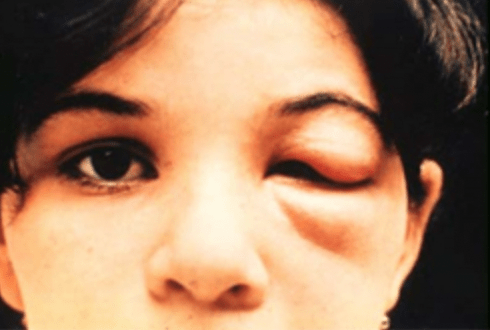
What is Chagas disease?
- Caused by the protozoan parasite Trypanosoma cruzi
- Acute phase (first 4 - 8 weeks) asymptomatic in 98% of patients
- Chronic phase can cause myocarditis, megaesophagus or megacolon
- Highest prevalence in Mexico, Central America, and South America
- Diagnosis in acute phase with PCR or peripheral smear, serologies in chronic phase
- Treatment with antiparasitic drugs (benznidazole and nifurtimox)
400
A traveler develops sudden, painless watery diarrhea after drinking untreated water in Bangladesh. The patient has profound electrolyte loss and metabolic acidosis with a benign abdominal exam. This is the likely diagnosis.
What is Cholera?
- Transmitted via contaminated water in endemic regions (Haiti, Yemen, Bangladesh, parts of Africa).
- Symptoms include painless, watery diarrhea (“rice-water stool”), rapid dehydration, leg cramps.
- Diagnosis with stool PCR or culture.
- Treatment with aggressive fluid resuscitation is lifesaving; antibiotics (azithro or doxy) shorten illness.
- Children can become hypovolemic and acidotic within hours - exam findings may lag behind the severity.
- Oral vaccine exists but rarely used in U.S. travelers; not routinely recommended for kids.
400
This illness is transmitted by mosquitoes. Should be considered in patients traveling from Central and South America, the Carribean, or Asia. You may have fever and arthralgias in addition to the findings below. This is the diagnosis.
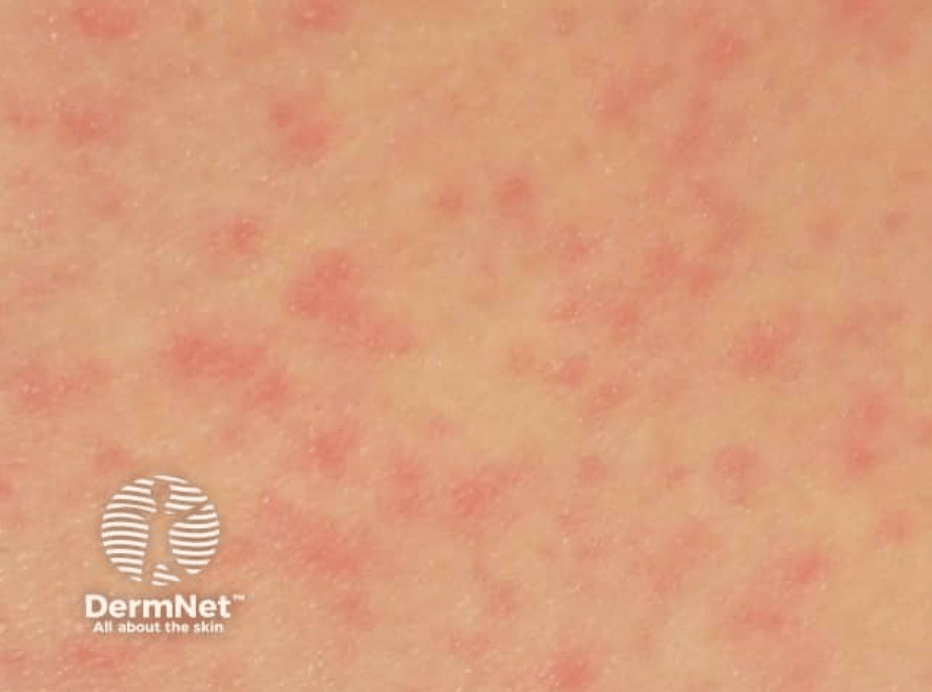
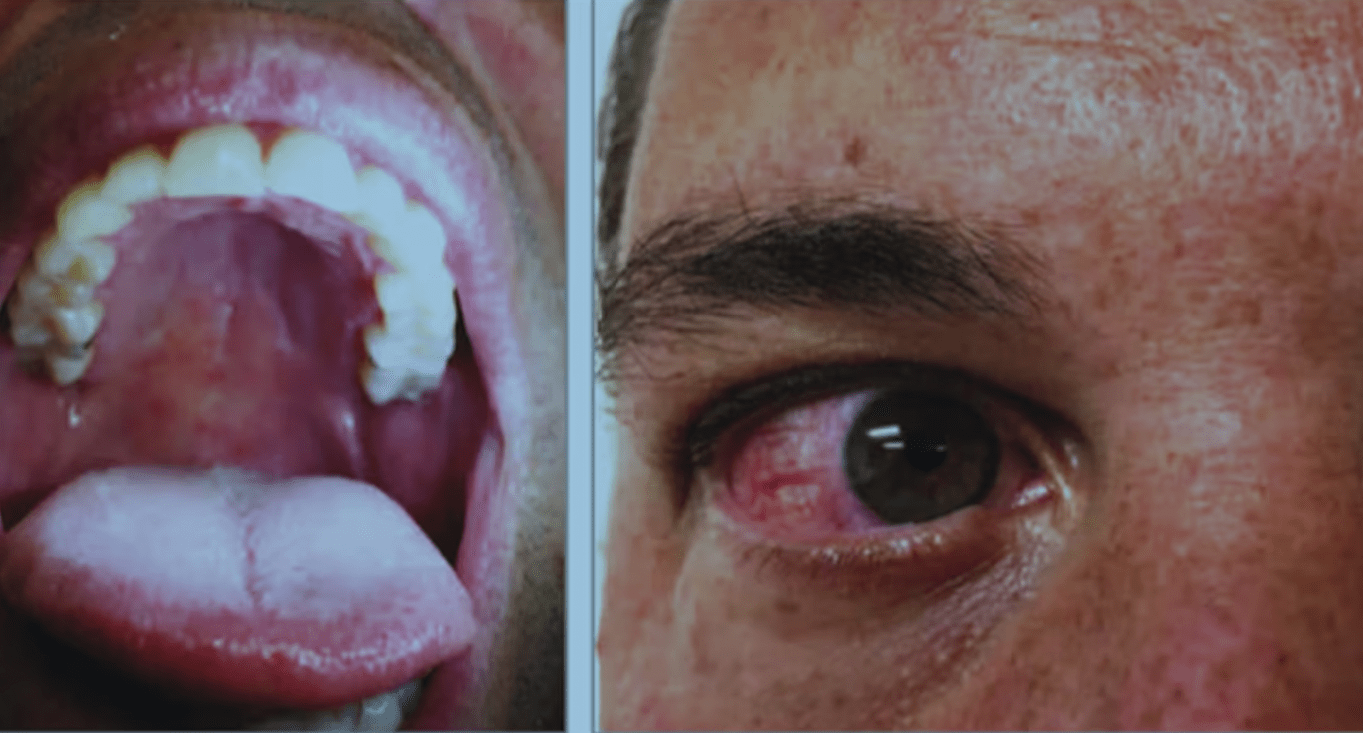
What is Zika virus?
- Most prevalent in Central and South America
- most infections are asymptomatic and most common symptoms are rash (90%), fever (65-72%), arthralgias, (65%), and conjunctivitis (55-63%).
- rash is typically pruritic
- Treatment is supportive care
- congenital Zika syndrome, caused by expecting mothers who get infected, almost always causes developmental delays (97% of affected patients) and other neurologic sequelae including microcephaly, speech delay, and motor delay
400
Seizures in a child returning from Mexico should prompt evaluation for this infection.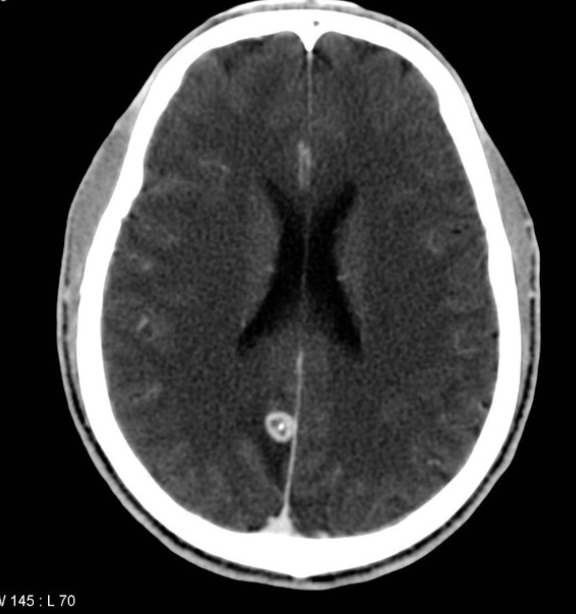
What is neurocysticercosis?
- Most common cause of acquired epilepsy in low-middle income countries (Latin America, sub-Saharan Africa, and parts of Asia most commonly)
- MRI/CT head: cyst with scolex (cyst with dot sign)
- Taenia solium exposure - can occur through contaminated food or water, or through autoinfection in tapeworm carriers.
- Multiple cysts common
- Treatment based on locations of the cysts - consult ID and neurosurg
500
This zoonotic infection causes conjunctival suffusion, a red but nonpurulent appearance of the eyes, as well as marked hyperbilirubinemia with only mild elevations in AST/ALT.
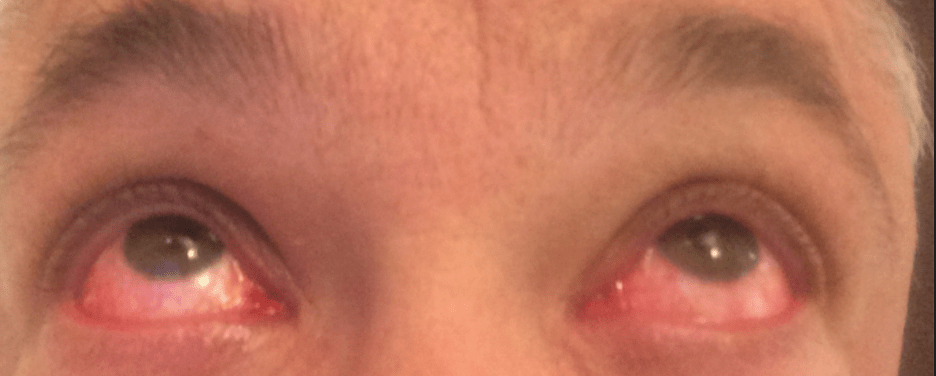
What is Leptospirosis?
- Conjunctival suffusion is highly suggestive (beefy red appearance of eyes, more uniform erythema than conjunctival injection)
- Exposure to freshwater, floodwater, soil, or rodents.
- Severe disease = Weil’s disease: jaundice + AKI + hemorrhage
- Labs: disproportionate ↑bilirubin with mild AST/ALT elevation
- Diagnostic testing should include both PCR and serology depending on timing.
- Treatment with antibiotics: Doxycycline in mild disease, IV ampicillin also appropriate.
500
Fever, massive splenomegaly, pancytopenia after travel to India suggest this sandfly-transmitted illness.
What is leishmaniasis?
- Vector is the sandfly
- Travel to the Middle East, Central/South America, India is a huge clue.
- Painless ulcer with raised, indurated “volcano-like” borders is classic.
- Lesions may start as papules → ulcerate over weeks.
- Diagnosis: PCR of lesion, smear showing amastigotes (“Leishman-Donovan bodies”).
- Treatment depends on species; miltefosine or local therapy for uncomplicated cases.
500
Eosinophilia in a child with travel exposure and GI + pulmonary symptoms suggests this illness.
What is Strongyloides?
- Dangerous when steroids given → hyperinfection syndrome
- Skin penetration from larvae in contaminated soil - typically from bare feet
- Exposures commonly from Caribbean, Southeast Asia, Africa
- Symptoms include wheezing, GI symptoms, eosinophilia
- Recurrent asthma-like symptoms in a child with travel or immigrant background.
- Test with serology; stool O&P is insensitive
- Ivermectin is first-line treatment (often multiple doses).
500
This rash in a patient traveling from the Carribean is nonspecific but the severe joint pain helps distinguish this illness from others. It is characterized by symmetric, severe polyarthralgias.
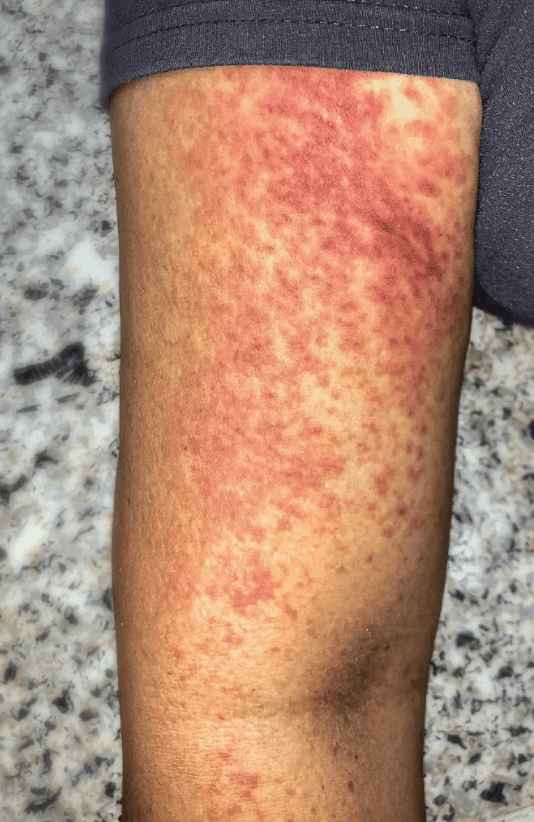
What is Chikungunya?
- Transmitted by mosquito bite
- Distinguish from dengue by severity of joint pain - symmetric and multiple joints involved
- Chronic arthritis can last months
- it originated in Africa and has spread through southeast Asia and the Americas
- Treatment is supportive care
500
This infection causes thalamic or basal ganglia hyper-intensities on MRI. Hint: This patient may also have rigidity and tremor.
What is Japanese Encephalitis?
- Endemic throughout most of Asia, rice paddies (aka flooded fields to grow rice aka standing water)
- Transmitted via mosquito bite
- Extrapyramidal symptoms: aseptic meningitis, acute encephalitis, tremor, rigidity, seizures common in children (85% of pediatric cases)
- Vaccine-preventable
- diagnose with serologies, treatment is supportive care
- High mortality and neurologic sequelae