Chemical and physical changes
Use your RESOURCES!
Metals, Nonmetals, and Metalloids
Relative Density
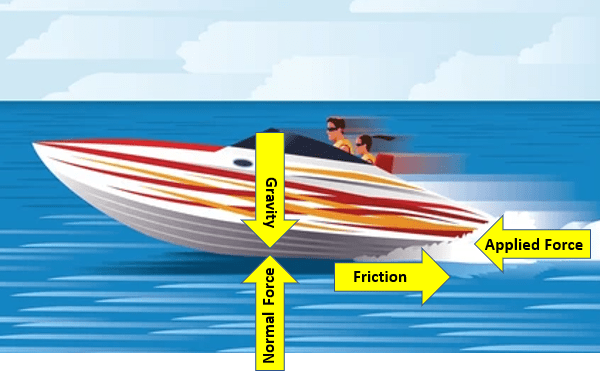
Forces on Objects
100
Mixing salt and water a this type of change.
What is a physical change?
100
This property of metals makes them useful in electrical wiring, cooking utensils, and in electronics.
What is being a good conductor?
100
These are two properties of metals.
Answers may vary. Possible choices: good conductors, malleable, ductile, high density, high melting point, shiny luster/lustreous, or sonorous.
100
True or false: The more dense an object is the more likely it is to float on water.
False: The more dense an object is the more likely it is to sink in water.
100
This is the resistive force between two objects that rub against each other.
What is friction?
200
An apple rotting is an example of this type of change.
What is a chemical change?
200
According to relative density, when an object is LESS dense, it will __________.
What is float?
200
This property of nonmetals means they break easily.
What is brittle?
200
This is the density range a solid could have if it sinks in water (1.0 g/mL) but floats on corn syrup (1.38 g/mL).
What is the solid has a density in the range between 1.0 g/mL and 1.38 g/mL?
200
This type of force keeps you from falling through your chair.
What is normal force?
300
Why are new substances formed in a chemical reaction?
Because the atoms which form the reactants reorder and join in a different way. Bonds are broken and atoms rearrange to make something new.
300
According to the periodic table, this rare earth metal has the atomic number of 21.
What is Scandium?
300
The properties of being a semi-conductor and shiny would belong to this classification of matter.
What is a metalloid?
300
If an unknown solid object with a density of 0.85 g/mL is placed in water, this object should _____________.
What is float?
300
These are two noncontact forces.
What are gravity and magnetism?
400
Give two examples of chemical changes and two examples of physical changes.
Answers vary.
Chemical - burning, spoiling, rotting, rusting, tarnishing.
Physical - melting, freezing, tearing/cutting, boiling.
400
These are the three types of energy changes that occur during a chemical change.
What are light, sound, and heat?
400
This setup is used to test this property.
What is conductivity?
400
True or False. Water is less dense than Hexane but is more dense than Glycerin.
False. Water is more dense than Hexane and less dense than Glycerin.
400
Identify (name) the types of forces involved when moving a piano into a moving truck.
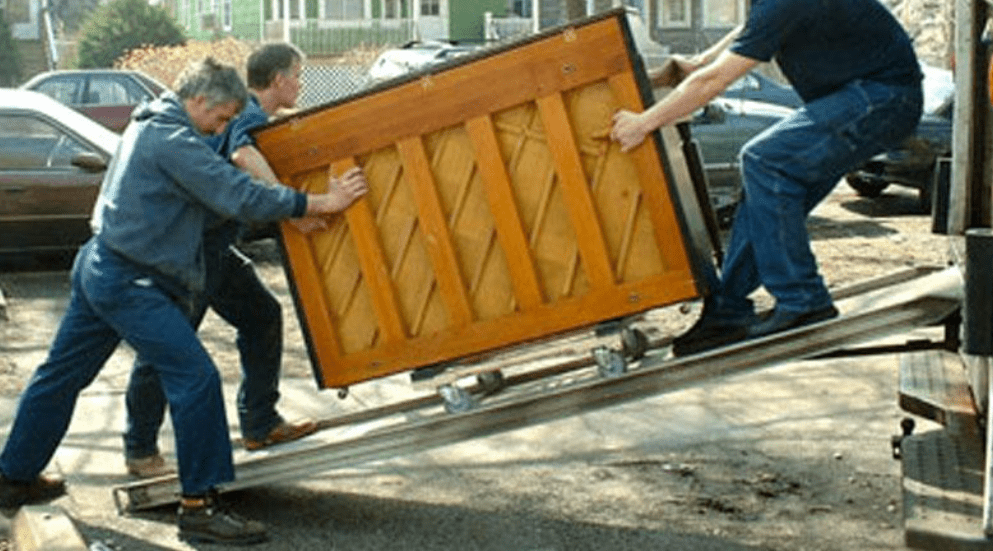
What are applied force, friction, gravity, and normal force?
500
What is the main difference between a physical and a chemical change?
Physical changes do not produce new substances while chemical changes produce new substances.
500
Name the evidence of a chemical change. (there's 5 things we look for)
1. Precipitate 2. Energy Change. 3. Color Change. 4. Smell change. 5. Bubbles, fizzes, foams.
500
Fill-in the blanks: Metals tend to have similar properties. They are __________, or easily drawn or pulled into wires. They are ______________, can be hammered into thin sheets. Nonmetals tend to be more ________, they break easily.
What are ductile, malleable, and brittle?
Must be in order.
500
According to the column, a popcorn kernel has density between that of _______ and _________.

What is 100% maple syrup and corn syrup?
500
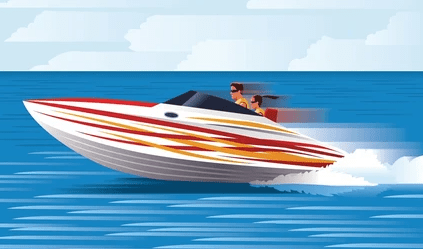
Draw the image and label the forces acting on it.