PMAT
Interphase
Meiosis
Mitosis
Cell Cycle
100
How many stages are there in PMAT?
Four
100
Interphase is which step of the cell cycle?
First
100
Meiosis results in the formation of how many gamete cells?
Four
100
What is Mitosis?
Mitosis is cell division.

100
In which phase are chromatids pulled apart and separated into individual chromosomes?
Anaphase.

200
What does PMAT stand for?
Prophase, Metaphase, Anaphase, Telophase
200
How many stages are there in Interphase?
There are three stages to Interphase.

200
How many divisions of Meiosis are there?
Two: Meiosis 1 and Meiosis 2

200
What does Mitosis result in?
Two daughter cells.

200
Which phase is the division of the cytoplasms, and the last phase of mitosis?
Cytokinesis.

300
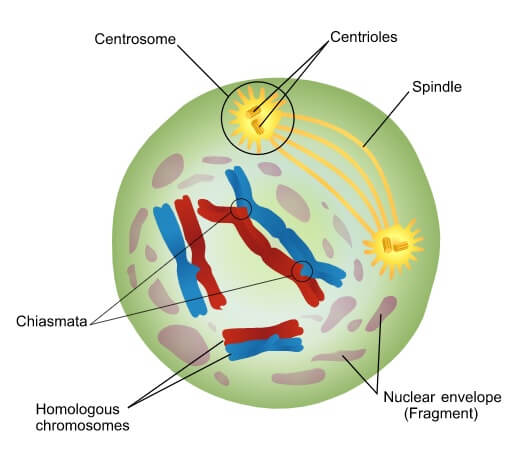
In which stage do chromosomes become visible, and nuclear envelope breaks down?
Prophase
300
What is Interphase known as?
The rest and preparation stage.
300
What occurs in Meiosis 1?
Homologous pairs of chromosomes separate, and
two haploid cells are produced.

300
How do the two daughter cells produced compare?
The two daughter cells are identical.
300
What are genetic material attached to proteins, and look like spaghetti?
Chromatin.

400
In which stage do two cells start to form, ready to split?
Telophase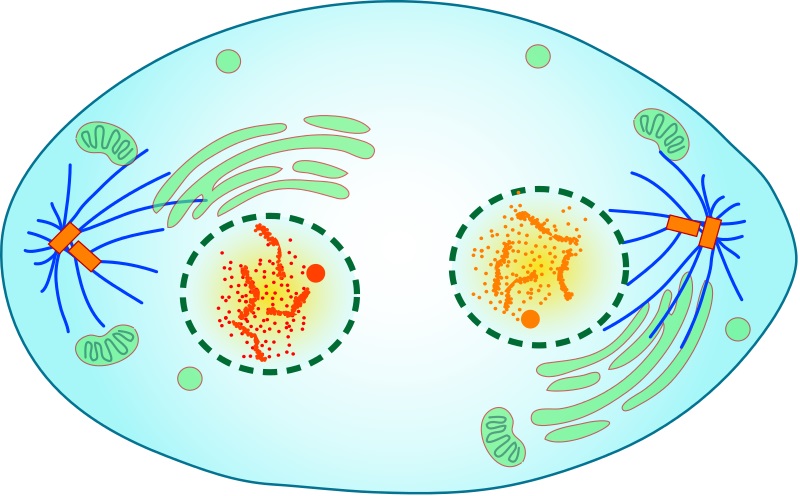
400
What are the three stages of Interphase?
G1, S, and G2.

400
What occurs in Meiosis 2?
Four gamete cells are formed, and chromosomes are separated to chromatids.

400
What releases fibers that help split the cell apart?
Centrioles.

400
What are chromosomes split in half?
Chromatid.

500
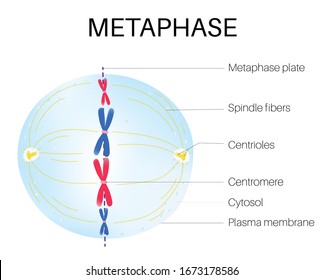
In which stage do cells line up in the middle of the cell, and spindles attach to centromere?
Metaphase
500
What occurs in the three stages of Interphase?
G1 is the phase of growth and development. S is the Synthesis of DNA, and G2 is the organelle replication/final preparation phase.
500
What are the cells in Meiosis?
The cells are haploid.
500
What are condensed chromatin?
Chromosomes.
500
What makes Meiosis different than Mitosis?
Mitosis is the process by which most cells in the body divide, involves a single round of cell division, and produces two identical, diploid daughter cells. Meiosis is the process by which gametes are produced. Meiosis involves two rounds of cell division and produces four non-identical haploid daughter cells.