Goals of Chemo
Nursing Responsibility
Chemo Precautions
Complications of Cancer
Cancer Treatment
100
What are the three goals of cancer treatment?
What is cure, control, and palliation.
(Determining if a cancer is curable, controllable, or needs palliative care depends on the tumor histology, histologic grade, size and depth, evidence of invasiveness, nuclear grade, and staining techniques).
100
Due to mucositis nurses should do what routinely.
What is assess oral cavity, mucous membranes, characteristics of saliva, and ability to swallow.
(Xerostomia (dry mouth), dyseusia (taste loss), dysphagia (difficulty swallowing) and odynophagia (painiful swallowing) are all symptoms of radiation to the head and neck. Oral assessment and meticulous intervention to keep the oral cavity moist, clean, and free of debris are essential in preventing infection and to facilitate nutritional intake.)
100
When caring for chemo patients how long post treatment must healthcare professionals carefully handle body fluids and excretions?
What is 48 hours
(A healthcare professional handling bodily fluids or chemo could absorb the drug through inhalation or skin contact. Only trained personnel should be involved in the administration and handling of cancer drugs.)
100
Primary cause of death in patients with cancer.
What is infection
(Infection is a result of ulceration and necrosis caused by the tumor, compression of vital organs, and neutropenia caused by disease process or treatment. Many patients are neutropenic when infection develops. Infection may cause significant morbidity and be rapidly fatal if not treated promptly.)
100
Oldest form of cancer treatment.
What is surgery
(Surgery has been the treatment choice for many years to remove the cancer and as much of the surrounding normal tissue as possible. However, the ability of cancer cells to travel make surgery possible only when a tumor is localized and small.)
200
Treatment goal when relief or control of symptoms and the maintenance of a satisfactory quality of life are the primary objectives
What is Palliation
(Palliative care and treatment can take place concurrently to reduce tumor size and relieve symptoms such as pain.)
200
For treating flu like symptoms associated with immunotherapy nurses should administer what before treatment and every four hours after.
What is acetaminophen.
(Headache, fever, chills, fatigue, malaise, weakness, photosensitivity, anorexia, and nausea almost invariably occur with administration of immunotherapy. The use of Acetaminophen and large amounts of fluids can decrease these symptoms)
200
Infiltration of drugs into tissues surrounding the infusion site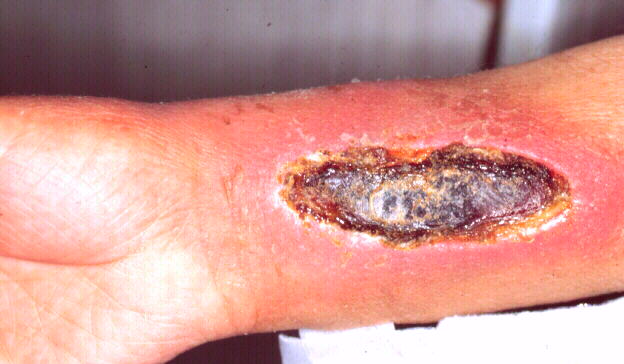
What is extravasation.
(The IV route is the most common method of administering chemotherapy. Major concerns associated with this mode of administration include venous access difficulties or catheter-related infection, and extravasation causing local tissue damage.)
200
This occurs in cancer patients, especially those with upper GI and pancreatic cancers.
What is cancer cachexia (wasting syndrome)
(Cancer cachexia is a multifactorial syndrome characterized by anorexia and unintended loss of weight and appetite. It is accompanied by tissue wasting, skeletal muscle atrophy, immune dysfunction, and metabolic abnormalities.)
200
When two or more treatment options are used to achieve the goal of cure or control for a long time.
What is multimodality therapy or combined modality therapy.
(Multimodality therapy has the benefit of being more effective because it takes advantage of more than one mechanism of action, but often causes greater toxicity).
300
Due to this, the timeframe to consider a patient cured may differ according to tumor and characteristics.
What is the mitotic rate.
(There is no benchmark that ensures a cure for most cancers, the risk for recurrent cancer is highest after treatment completion and gradually decreases the longer a patient remains free following treatment. Cancers with high mitotic rate are more likely to recur than cancers with slower mitotic rate.)
300
What lab should be monitored closely in patients receiving chemo and radiation therapies.
What is a complete blood count.
(Bone marrow suppression is one of the most common side effects of chemotherapy which can raise risk for infection, hemorrhage, and fatigue. Patients experience lowest blood cell count around 7-10 after treatment initiation)
300
This is used to administer chemotherapy to minimize associated discomforts, distress, and risks of infection.
Central Venous Access Device (CVAD)
(CVADs are placed in large blood vessels and allow for frequent, continuous, or intermittent administration of chemotherapy, immunotherapy, and target therapy, avoiding multiple venipunctures for vascular access.)
300
What is an oncologic emergency that is characterized by fluid accumulation in the pericardium.
What is Cardiac Tamponade.
(Patients may experience heavy feeling in their chest, SOB, tachycardia, cough, dysphagia, hiccups, and hoarseness. Patients may have decreased LOC or muted heart sounds. This condition requires emergent surgery to decrease fluid.)
300
This is used on cancers that metastasize to the central nervous system since these cancers are difficult to treat due to the blood-brain barrier.
What is intrathecal or intraventricular chemotherapy
(Cancers that metastasize to the CNS are difficult to treat because the BBB often prevents the distribution of chemotherapy to this area. Intrathecal chemotherapy can be injected into the subarachnoid space via lumbar puncture.)