Atomic Number
Tissue Density
Contrast
Random
100
The atomic number of Iodine
What is 53?
100
The atomic number of air
What is 7.6
100
The differential absorption between various tissues of the body
What is subject contrast?
100
This is directly proportional to the patient dose, as well as the potential of scatter on the image
What is collimation?
200
The atomic number of Barium
What is 56?
200
The atomic number of soft tissue
What is 7.4?
200
This is essential to the visibility of detail in any image
What is contrast?
200
Penetration is the _______ of attenuation
What is the opposite?
300
The atomic number of a tissue must be expressed as
What is an average?
300
Soft tissue density is equal to
What is water?
300
If a part increases 4cm thickness, the x-ray penetration through to the receptor plate will be
What is 1/2?
300
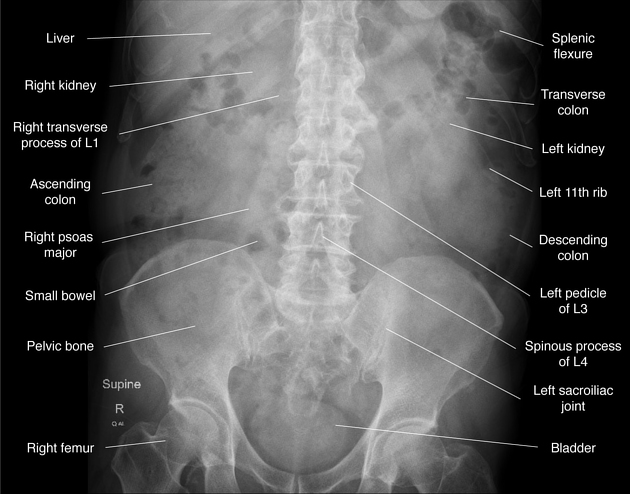 Does this image have increased or decreased subject contrast
What is decreased?
400
Smaller differences in atomic number results in ________ differences in absorption of the x-ray beam
What is Larger?
400
Soft tissue will absorb nearly ____more x-rays than the lungs
What is 1000?
400
How does bone appear on an x-ray image
What is White?
400
Photoelectric produces the _______ on the image
What is the "whites" or lighter areas?
500
The average atomic number is ______ in the attenuation of x-rays
What is Exponential?
500
If tissue density decreases, the space between atoms will
What is increase?
500
How does fat appear on an X-ray image in comparison to soft tissue?
What is dark?
500
Compton scatter lays down a "blanket: of _____ at the image receptor
What is fog?