Tools for Excavation
Types of Fossils
Fill in the blank
Matching
Short Answer
100
What tools does a scientist use for excavation?
Pick all that apply:
brush, hammer, chisel, wrench, hand lens
100pts for each correctly chosen tool
brush, hammer, chisel, hand lens
100
What are the four types of fossils?
100pts for each correct fossil name
true form, trace, cast, mold
100
A rock layer contains layers of __________________.
sediment
fossil record
rock layer
extinct
excavate
sediment
100
Dents in the rock show the shape of an organism.
d. mold fossil
100
"Fossils tell us about God's creation by showing us..."
Finish the sentence - every right fact receives 100 pts eachThere are 5 total
- Plants and animals that lived long ago
- How animals moved and lived in the past
- How carefully God designed plants and animals
- That living things have always been a part of God’s world
- Clues about life from the past
200
This fossil shows only a footprint in the ground and no other parts of the animal. What type of fossil is this?
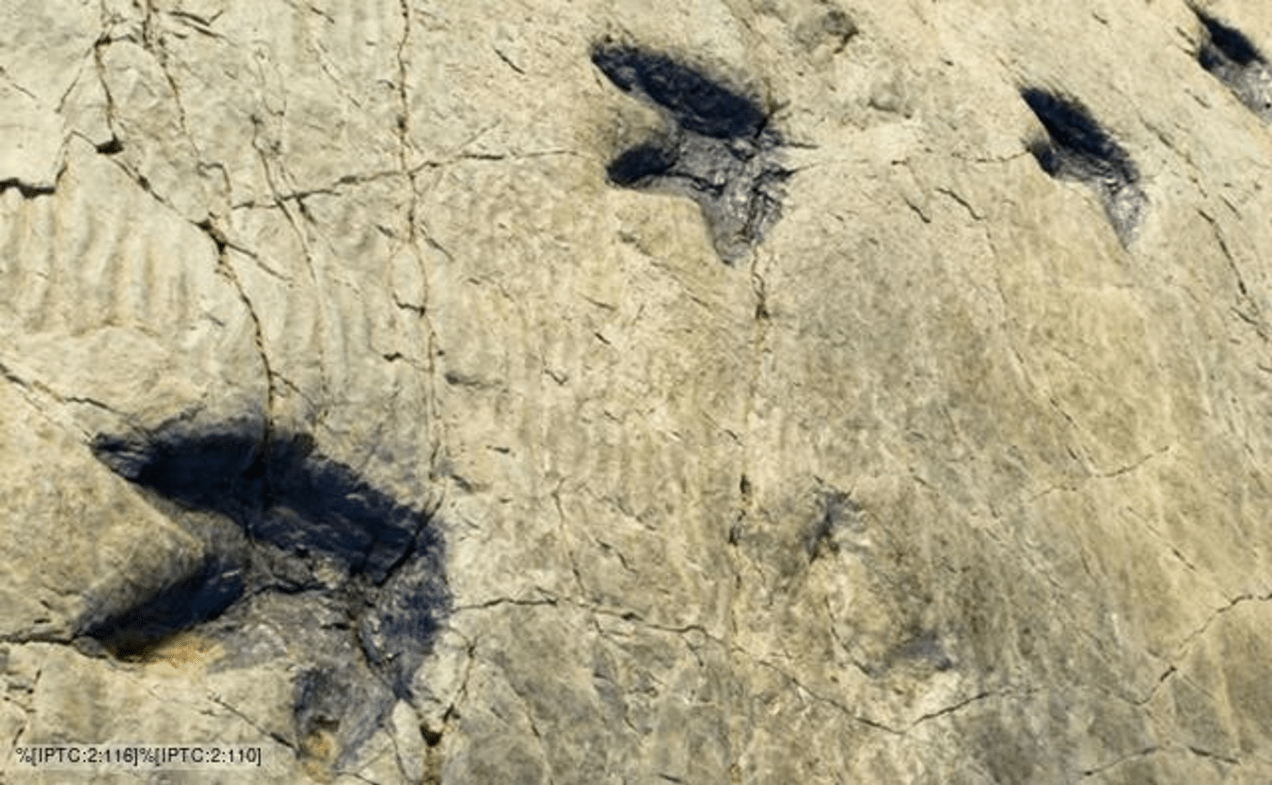
trace fossil
200
A scientist writes the evidence of fossils in a __________________.
sediment
fossil record
rock layer
extinct
excavate
fossil record
200
The preserved remains or imprint of an organism that lived in the distant past.
a. fossil
200
What types of information does a scientist record in a fossil record?
There are 6 things to list; Each correct answer gets 200 pts for each thing listed.
- Location – where it was found
- Size – of fossil
- Type of fossil
- Where the animal might have lived
- Date fossil was found
- If it is extinct or not
300
This fossil shows the whole part of an animal encased in a hard substance. What type of fossil is this?
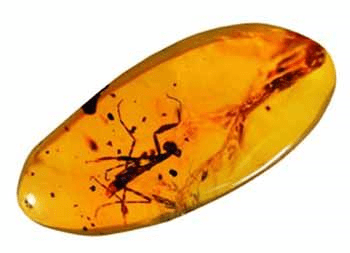
true form fossil
300
An organism that can no longer be found on Earth is _____________.
sediment
fossil record
rock layer
extinct
excavate
extinct
300
Fossil shows the activity of an organism.
F. trace fossil
300
True or False: Fossils have been found on only two continents.
If false you can correct for extra points
False - all around the world
400
This fossil looks like dents in a rock, and the dents are in the shape of the hard parts of the organism. What type of fossil is this?
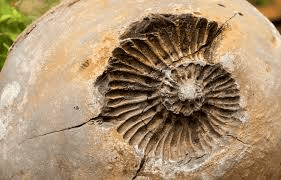
mold fossil
400
A ________________ forms when thickness of sediment hardens in a pattern.
sediment
fossil record
rock layer
extinct
excavate
rock layer
400
An area in the ground where fossils are found.
C. fossil bed
400
True or False: Scientists use special tools when excavating fossils.
If false you can correct for extra points
True
500
This fossil is made of sediment and looks like the hard parts of the organism, but can only form after the hard parts of the organism are gone. What type of fossil is this?
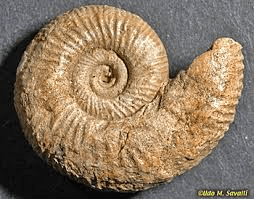
cast fossil
500
Scientists ______________ fossils with a hammer and other tools.
sediment
fossil record
rock layer
extinct
excavate
excavate
500
Preserved remains made from the actual organism.
B. body fossil
500
True or False: Fossils can help us learn about plants and animals from the future.
If false you can correct for extra points
False - past
600
Organism that is preserved in its natural form, includes the whole body.
G. true form fossil
600
True or False: Fossils are most often found in sedimentary rock.
If false you can correct for extra points
True
700
Sediment forms the hard parts of an organism's shape.
E. cast fossil
700
True or False: Trace fossils show us more evidence than true form fossils.
If false you can correct for extra points
False - less