Native Americans and Their Tribes
Mayflower Compact/ Declaration of Independence
Segregation
The Bill of Rights
Vocabulary/ Bonus Questions
Random
100
True or False: Native Americans were people who lived in the United States before the Europeans came over.
True
100
What name is the biggest on the Declaration of Independence?
John Hancock
100
Name the war that was between the north and south to end slavery.
The Civil War
100
How many amendments are in the Bill of Rights?
10
100
__________ is a brick made of mud.
Adobe
100
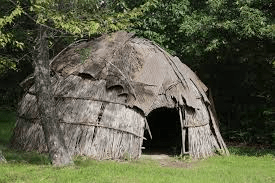
Wigwam
200
Which group lived in the Southwest region?
A. Algonquin
B. Pueblo
C. Chinook
D. Seminole
B. Pueblo
200
What was the name of the ship that came over with pilgrims and created the 13 colonies ?
The Mayflower
200
Part A. Which group of people were forced to come to the U.S ?
Part B. Which group of people came to the U.S by choice from another country?
Part A. Enslaved
Part B. Immigrants
200
True or False: The right to an education is part of the Bill of Rights
False
200
Explain the quote " America is a melting pot"
"melting pot" is a nickname for America because of all the different groups of people, cultures, traditions, and life. We are all different but come together in one country.
200
What is a monarchy?
a government that is ruled by a king or queen
300
Which group lived in the Northeast?
A. Sioux
B. Seminole
C. Algonquin
D. Pueblo
C. Algonquin
300
What date was the Declaration of Independence signed and what war was won in the same year?
July 4th, 1776 and The American Revolutionary War
300
What country were most of the slaves from?
Africa
300
What is the 1st Amendment?
freedom of speech
300
What happened to Native Americans once Europeans came to the U.S
1. diseases
2. loss their land
3. moved West
300
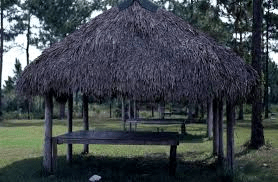
Chickee
400
List at least 2 types of Native American homes.
Possible answers:
wigwam
longhouse
Adobe
teepee
Chickee
400
How many people signed the Declaration of Independence?
56
400
What are the two reasons immigrants came to the United States?
1. make money/ did not have enough money
2. freedom of religion
400
Who mainly wrote the Constitution?
James Madison
400
The 48 states that are connected/ border each other are called __________________.
( Hint: Hawaii and Alaska are not included in this word)
Contiguous
400
Which event came first?
The Constitutional Convention or The Declaration of Independence
The Declaration of Independence
500
What is it called when Native Americans need to get water from somewhere else and make tunnels or pathways to water their crops?
Irrigate or Irrigation System
500
Why were the colonists upset with British rule?
Colonists were upset because of taxes. They were not allowed to move west of the Appalachian Mountains. They had no say in the British government that made laws affecting their daily lives.
500
What is the name of the court case that ended segregation in schools?
Brown vs. Board
500
Why were states afraid to sign the Bill of Rights?
The people were afraid that the government was going to have too much power just like the British King.
500
What was the introduction to the Constitution called?
The Preamble
500
How many states need to sign the Constitution for it to become a legal document?
9 out of 13
600
Match each American Indian group to the region where they lived.
Write the correct letter next to each group.
A. Northeast
B. Southeast
C. Midwest
D. Southwest
E. West
- Chinook ______
- Algonquin ______
- Pueblo ______
- Sioux ______
- Seminole ______
- Chinook — E (West)
- Algonquin — A (Northeast)
- Pueblo — D (Southwest)
- Sioux — C (Midwest)
- Seminole — B (Southeast)
600
In the Declaration of Independence, Thomas Jefferson wrote that “all men are created equal.” Certain people were excluded, which 3 did this not included
1. People of Color
2. Native Americans
3. Women
600
Pace these events 5 in chronological order: ( Start with what came first)
Civil War, Declaration of Independence, Constitutional Convention, settlement of Plymouth colony, Brown vs. Board court case
1. Settlement of Plymouth Colony
2. Declaration of Independence
3. Constitutional Convention
4. Civil War
5. Brown vs. Board Court Case
600
Tell me 3 other amendments besides the 1st Amendment.
Right to Bear Arms
Right to speedy trial
No search and seizure
No Cruel and unusual punishment
Refuse shelter to soldiers
Rights when accused of a crime
Rights that aren't even in the constitution
States have rights and not all the power goes to the federal government
600
Which amendment ended slavery?
13th Amendment
600
__________________ is an original, first-hand account or direct evidence of an event, topic, or time period created by a participant or witness
Primary Source