Category 1
Category 2
Category 3
diagram 1
diagram 2
diagram 3
cat 4
100
A large mass of ice formed from compacted snow that moves slowly down a mountain or across land due to its weight.
Glacier
100
The continuous process through which water circulates between the Earth's surface, the atmosphere, and back again.
Water Cycle
100
What percentage of the Earth’s surface is covered by water?
70%
100
What the first layer from the bottom?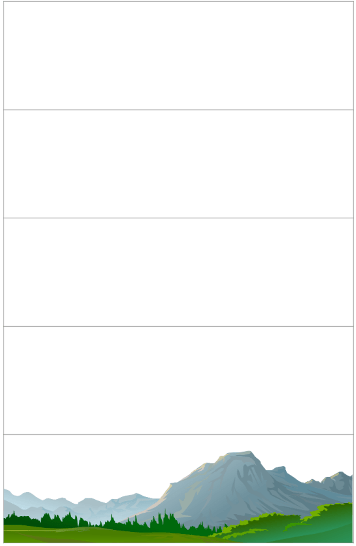
Troposphere
100
What part of the water cycle is label 1?
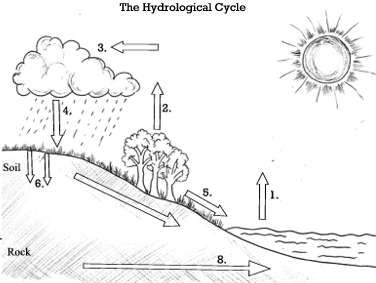
evaporation
100
What part is #12 of the volcano?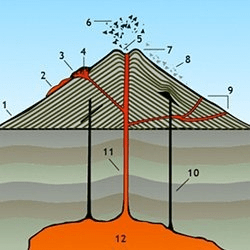
Magma Chamber
100
What are rocks that have been chemically transformed due to intense heat.
Metamorphic Rock
200
The process of rocks being eroded by wind, water, and other environmental factors.
Weathering
200
The outermost layer of the Earth, which includes the continents and the ocean floor. It is relatively thin compared to other layers and is divided into tectonic plates.
Crust
200
Which of the following is not a source of freshwater?
Lake ,River , Ocean ,Stream
Ocean
200
What is the second layer from the bottom?
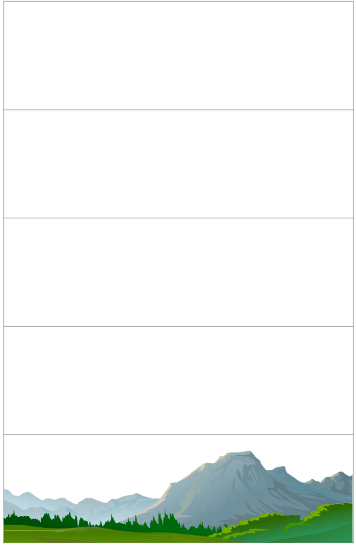
Stratosphere
200
What process is #3 of the water cycle?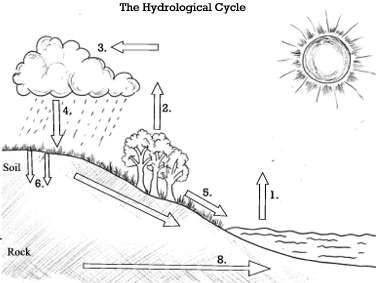
Condensation
200
What part is #5 of the volcano?
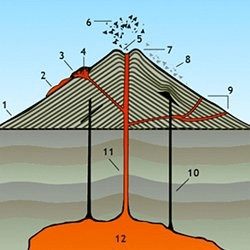
Crater
200
What are rocks that are formed when extreme pressure pressed many small sediments, or pieces of
rock, together.
Sedimentary Rocks
300
Water that has a low concentration of dissolved salts and is safe for drinking and various uses. It includes water found in rivers, lakes, groundwater, and ice.
Freshwater
300
A lightweight, porous volcanic rock that forms when frothy lava cools rapidly, trapping gas bubbles within its structure.
Pumice
300
What is the primary source of energy for the biosphere?
Sunlight
300
What is the third layer from the bottom?
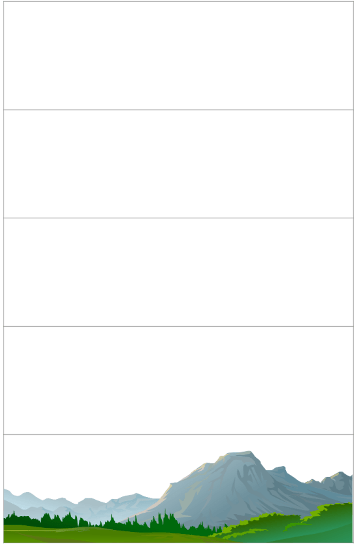
Mesosphere
300
What part of the water cycle is #4?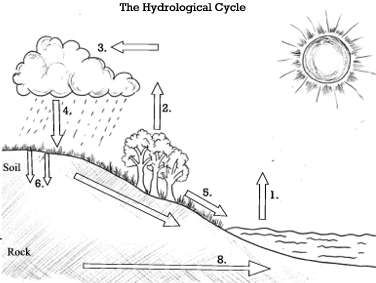
Precipitation
300
What part is #2 of the volcano?
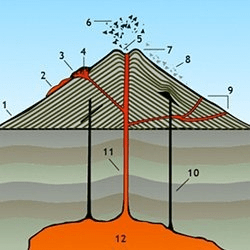
Lava Flow
300
Theses rocks are formed when molten rock (magma or lava) cools and solidifies.
Igneous Rocks
400
Molten rock found beneath the Earth's surface, typically composed of molten silicate minerals, dissolved gases, and solid mineral crystals.
Magma
400
Fragments of volcanic rock, ash, and other materials expelled during volcanic eruptions.
Pyroclastic Materials
400
How do tectonic plates in the geosphere move?
By convection currents in the mantle.
400
What is the fourth layer from the bottom?
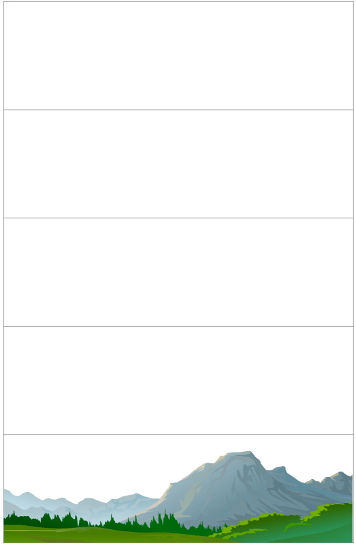
Thermosphere
400
What process is #6?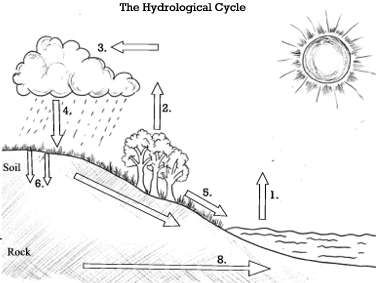
Infiltration
400
What part is #11 of the volcano?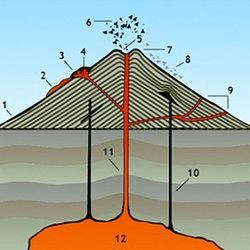
The Vent
400
Describe how the water cycle impacts the atmosphere concerning temperature.
The water cycle helps regulate temperature from being too hot or cold
500
The layer of the Earth's interior located between the crust and the core. It consists of hot, semi-solid rock and is involved in the movement of tectonic plates and heat transfer processes.
Mantle
500
What is the percentage of the atmosphere that is nitrogen?
78%
500
What is the most abundant gas in the Earth's atmosphere?
Nitrogen
500
What is the fifth layer from the bottom?
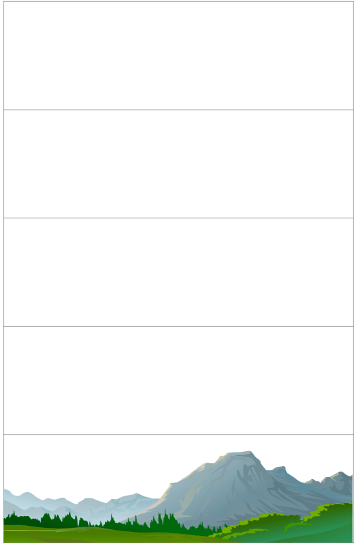
Exosphere
500
What process is number 5?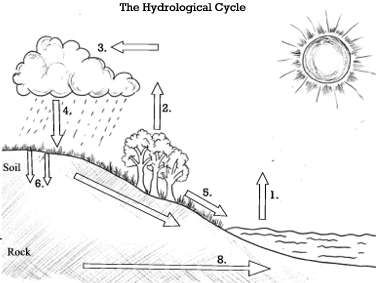
run-off
500
What part is #9 of the volcano?
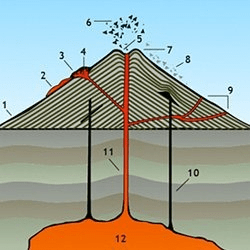
Secondary Vent
500
Describe how the hydrosphere interacts with the biosphere.
Water gives life to all organisms.