MATTER
PHYSICAL CHANGES
MIXTURES & SOLUTIONS
CHEMICAL REACTIONS
100
The three states of matter.
What are solids, liquids, and gases?
100
Point at which matter changes from a solid to a liquid.
What is melting point?
100
Substance in which a solute is dissolved.
What is a Solvent?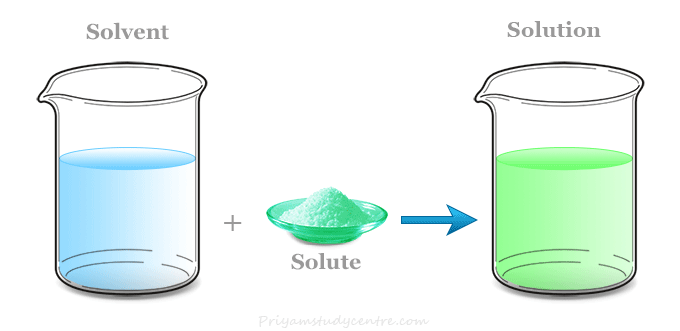
100
A factor that speed up a chemical reaction.
What is a catalyst?
200
Matter that has no definite shape or volume.
What are gases?
200
Point at which a liquid changes to a gas.
What is a boiling point?
200
The amount of solute that can be dissolved in an amount of solvent.
What is solubility?
200
Released or absorbed in a chemical change.
What is energy?
300
Matter that has a definite volume but not a shape.
What are liquids?
300
Point at which a liquid changes to a solid.
What is a freezing point?
300
When all the solute a solution can hold is dissolved.
What is a saturated soltuion?
300
A factor that slows down a chemical reation.
What is an inhibitor?
400
Matter in which molecules are packed tightly together and move only slightly.
What are solids?
400
A change of matter from a vapor to liquid.
What is condensation?
400
Mixture in which substances are not spread out evenly.
What is heterogeneous?
400
Shows changes that take place during a chemical reaction.
What is a chemical equation?
500
Repeating pattern arrangement of particles in most solids.
What are crystals?
500
A change of matter from liquid to gas without boiling.
What is evaporation?
500
An insoluble solid in a liquid.
What is suspension?
500
An insoluble substance that crystallizes out of solution.
What is precipitate?
600
Property of liquid that describes how it pours.
What is viscosity?
600
Factor that usually contributes to physical change in the state of matter.
What is temperature?
600
A way of separating 2 liquids which have different boiling points.
What is distillation?
600
Reaction that combines 2 or more substances into a new compound.
What is a synthesis reaction?