Vocabulary
Key Concepts
Multiple Choice
Dang Science is Fun!
31 Common Elements
100
To change the order or position of something.
Rearrange
100
How do we know substances are different from one another?
Different substances have different properties (Key Concept 1).
100
True or False: During a chemical reaction, atoms change from one type to another.
False (Key Concept 6)
100
What type of bond does this molecule have between its atoms?
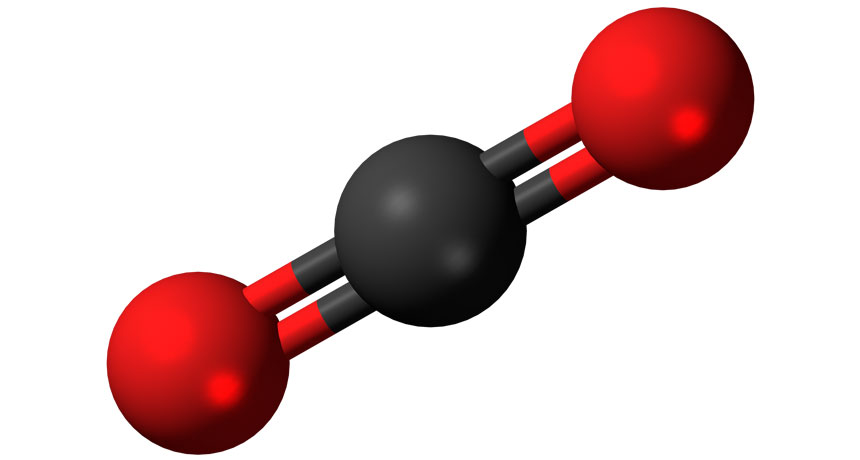
Double Bond
100
Calcium
Ca
200
The tiniest pieces that all matter- all of the stuff in the world- is made of.
Atoms
200
Fill in the blank: During a chemical reaction, ___ the atoms that make up the reactants rearrange to form the products.
All (Key Concept 8)
200
What are (scientific) models useful for?
A.) Studying things that are too small to understand.
B.) Studying things that are too large to understand.
C.) Studying things that are either too small or too large to understand.
D.) Seeing how clothing would look on a person before I buy it.
C.) Studying things that are either too small or too large to understand (Key Concept 2).
200
How many oxygen atoms are in a molecule of water?
One
200
Si
Silicon
300
Something that can be observed about a substance such as its color, smell or boiling point.
Property
300
Why do substances have different properties?
Substances have different properties because they are made up of different groups of atoms (Key Concept 3).
300
Will the two samples have the same or different properties?
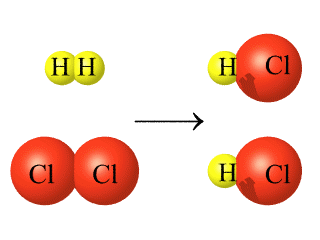
A.) The properties will likely be different because the repeating groups of atoms that make up each sample are different.
B.) The properties will likely be different because there are more repeating groups of atoms in one of the samples.
C.) The properties will likely be the same because the repeating groups of atoms that make up the two samples have the same number of atoms.
D.) The properties will likely be the same because the repeating groups of atoms that make up the two samples are the same.
A
300
What animal is the most common to get killed by a car annually, according to Wikipedia?
Squirrel (44 million annually)
300
Sodium
Na
400
The starting AND ending substance that is used and made during a chemical reaction.
Reactants and Products
400
Edit this key concept to make it true:
During a chemical reaction, atoms change to form larger groups of atoms.
Key Concept 7:
During a chemical reaction, atoms rearrange to form different groups of atoms.
400
Will the two samples have the same or different properties?

A.) The properties will likely be different because the repeating groups of atoms that make up each sample are different.
B.) The properties will likely be different because there are more repeating groups of atoms in one of the samples.
C.) The properties will likely be the same because the repeating groups of atoms that make up the two samples have the same number of atoms.
D.) The properties will likely be the same because the repeating groups of atoms that make up the two samples are the same.
A
400
Is the following chemical equation balanced? If not, what atoms are not balanced?
CH4 + O2 -----> CO2 + 2H2O
No, two less Oxygens on reactants side compared to products side.
400
Mercury
Hg
500
The definition of chemical reaction in your own words.
Chemical Reaction: A process in which atoms rearrange to form new substances.
500
What does the Law of Conservation of Matter state?
Matter cannot be created or destroyed during chemical reactions. Atoms rearrange into new substances instead.
500
Will the two samples have the same or different properties?
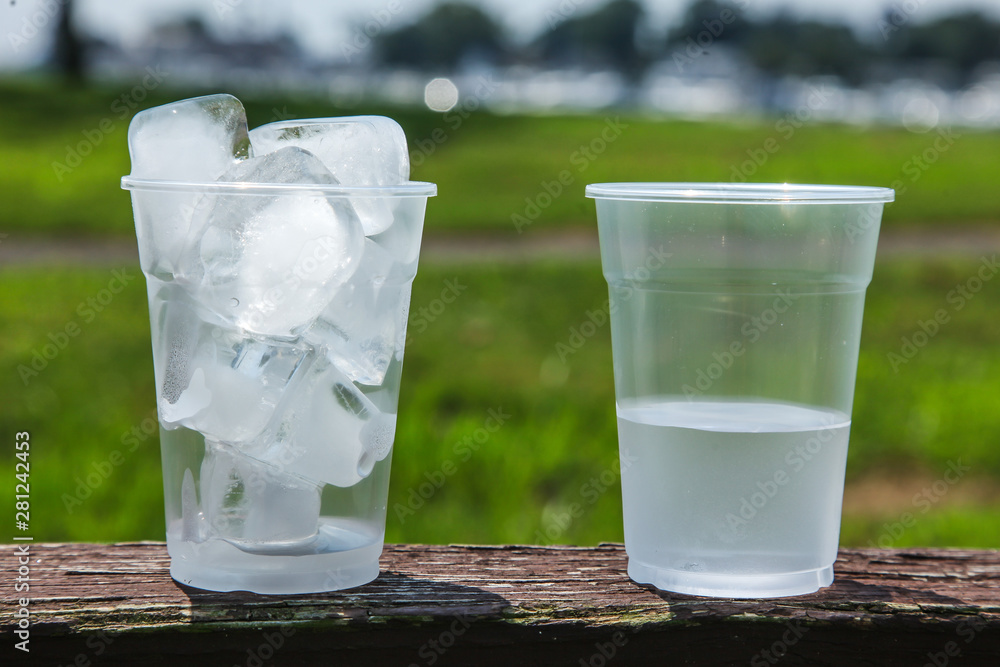
A.) The properties will likely be different because the repeating groups of atoms that make up each sample are different.
B.) The properties will likely be different because there are more repeating groups of atoms in one of the samples.
C.) The properties will likely be the same because the repeating groups of atoms that make up the two samples have the same number of atoms.
D.) The properties will likely be the same because the repeating groups of atoms that make up the two samples are the same.
D
500
What is the common product from the following two combustion reactions you read about in the article "What Happens When Fuels Burn?"
Hydrogen Fuel: 2H2 + O2 -----> ?
Ethanol Fuel: C2H6O + 3O2 -----> ?
Water (H2O)
500
W
Tungsten