Periodic Table Families
Ions & Isotopes
Model-Based Questions
Nuclear Chemistry & Radiation
Properties of Matter
100
What family does sodium (Na) belong to? Use your periodic table.
Alkali metals
100
How does an atom become positively charged? Does it gain or lose electrons?
It loses electrons (so it has more protons than electrons)
100
In a Bohr model of fluorine, how many electrons are shown?
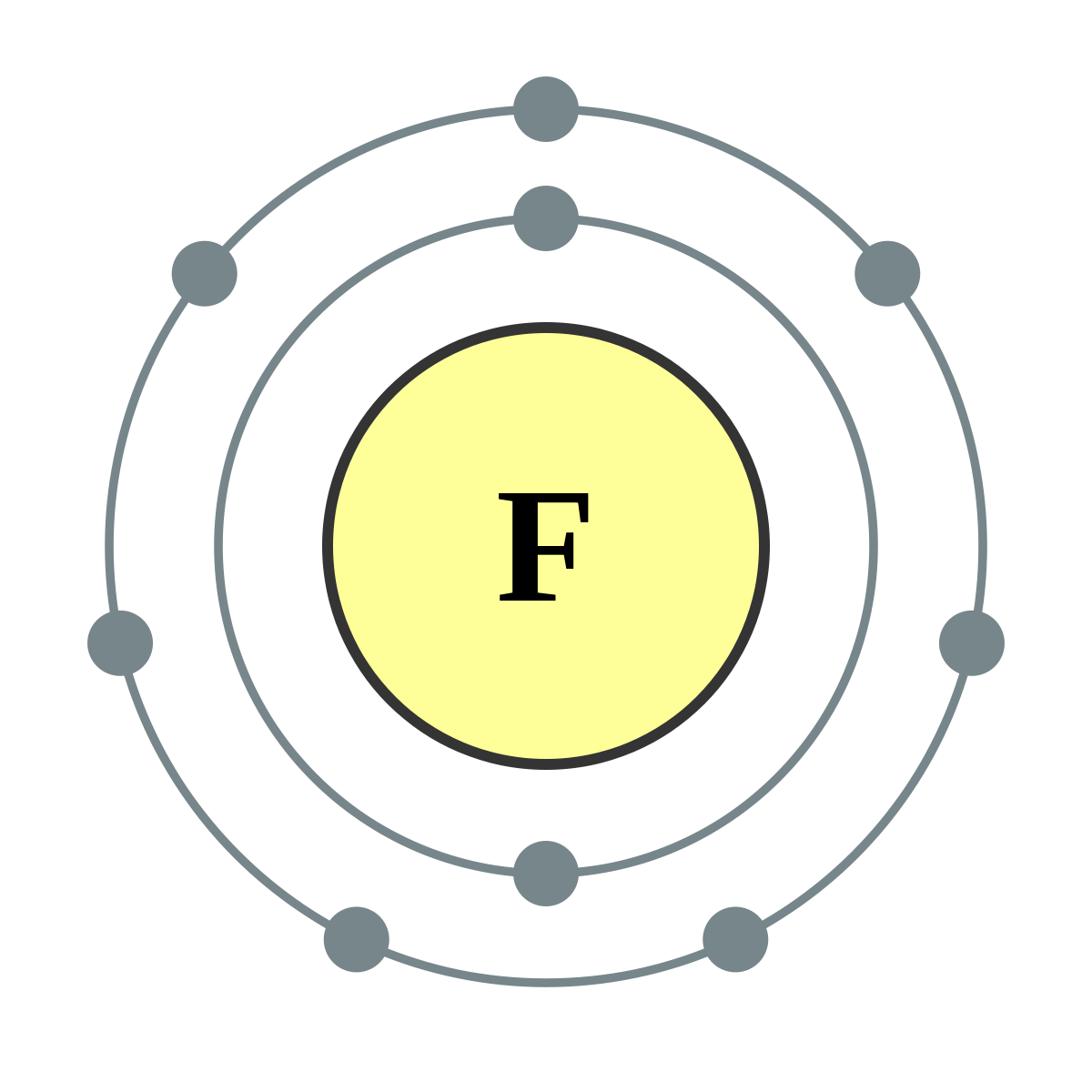
9
100
What is the name of the nuclear power plant that exploded in Russia in 1986?
Chernobyl
100
Which one is a physical change: ice melting, wood burning, or iron rusting?
Ice melting.
200
What family does calcium (Ca) belong to? Use your periodic table.
Alkaline earth metals
200
If an atom gains one electron, will its charge be positive or negative?
Negative (it becomes a negative ion)
200
In a Bohr model of lithium (Li), how many orbital levels are there?
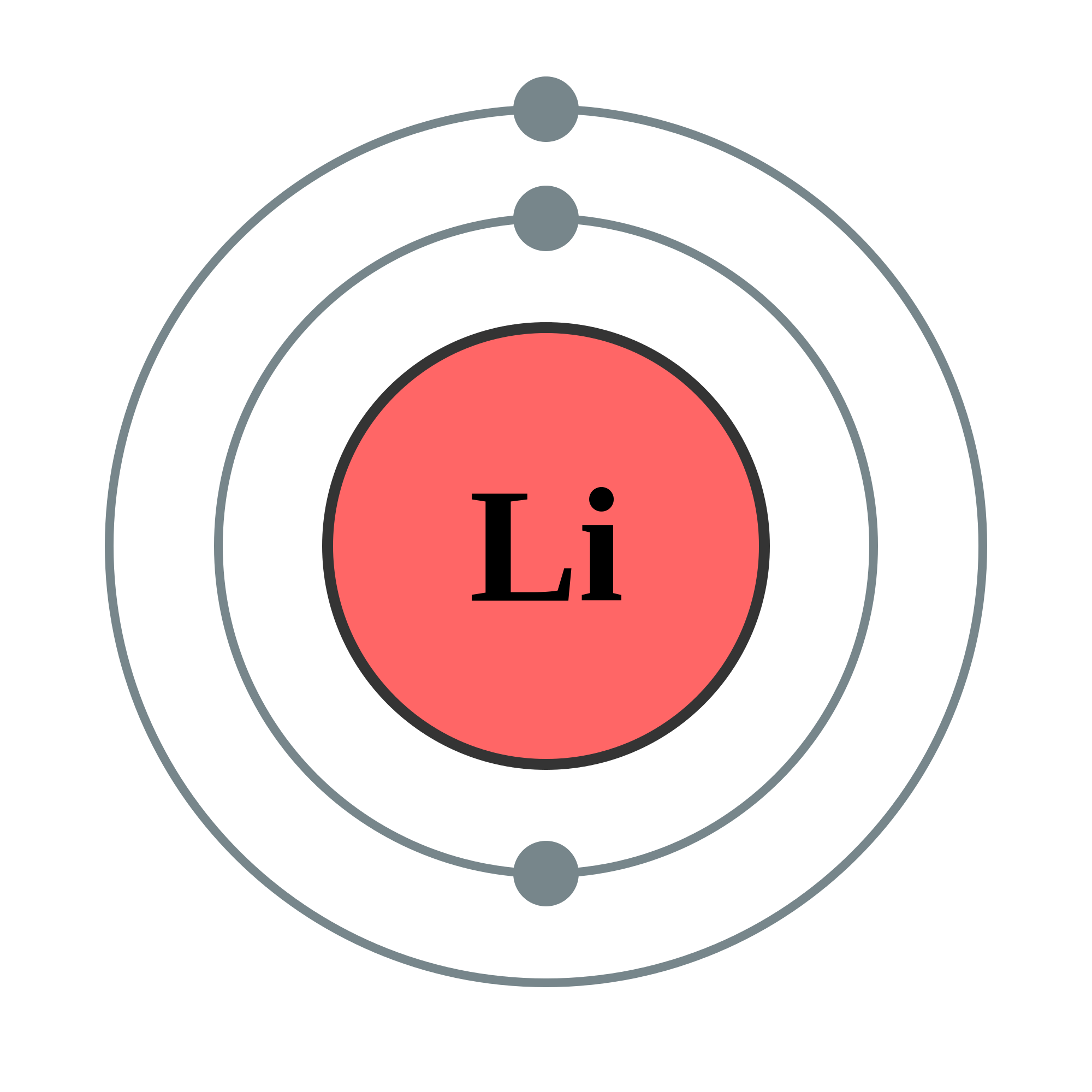
2
200
What do we call the nuclear process of splitting a heavy nucleus into two smaller ones, releasing energy?
Nuclear fission
200
Solid Iron is repeatedly smashed with a hammer in iron powder. Physical or Chemical change?
Physical
300
What family does fluorine (F) belong to? Use your periodic table.
Halogens
300
What is the difference between these two atoms?
Nitrogen-14 and Nitrogen-16
Any of the following: They are isotopes, different neutrons, different masses
300
Of the following choices, what two subatomic particles are found in the nucleus?
(Atom, proton, neutron, electron, mass, orbital, charge)

Protons and Neutrons
300
Which process happens in the extremely hot temperatures of the Sun: fission or fusion?
Fusion
300
In which state of matter are particles spread far apart and moving fast: solid, liquid, or gas?
Gas.
400
Elements like iron (Fe) and copper (Cu) are in which family? Use your periodic table.
Transition metals
400
How many neutrons does carbon-14 consist of?
Carbon-14 has 8 neutrons and 6 protons (8+6=14)
400
What parts of an atom contribute to its overall charge?
Protons and electrons
400
Which type of decay releases a helium nucleus containing 2 protons and 2 neutrons?
Alpha decay
400
Liquid Nitrogen is boiled at 800 degrees celcius (VERY HOT!) it evaporates into Nitrogen gas. Physical or chemical change?
Physical
500
Is silicon (Si) a metal, nonmetal, or metalloid?
Metalloid
500
An atom has 8 protons and 10 electrons. What is its charge?
-2 (It has gained 2 extra electrons)
500
What does the top number (the bigger number) represent in an isotope symbol like 146C?
The mass number (total protons + neutrons)
500
What is radioactivity?
The spontaneous breaking apart (decay) of unstable atomic nuclei.
500
Which state of matter has a fixed volume, but does NOT have a fixed shape. So it's volume doesn't change but its shape does. Solid, liquid, or gas?
Liquid